
Barefoot Trimming vs. Traditional Shoeing: A Clear Path to Confident Hoof Care
Hello fellow equestrians. That moment your horse takes an odd step or you see another vet bill for a foot issue can stop you cold. Choosing between barefoot and shod isn’t just a farrier choice-it’s a core decision for your horse’s comfort and your riding safety.
Let’s settle the dust in the arena. This deep dive will give you the grounded, barn-tested insights you need to move forward without guesswork. We’ll walk through:
- The natural shock absorption and circulation benefits of a professionally maintained barefoot hoof.
- Exactly when traditional steel shoes are the kinder, safer option for your horse’s job and terrain.
- A realistic, step-by-step transition plan from shoes to barefoot, if your horse is a candidate.
- How to read the wear patterns and structure of the hoof itself to catch problems early.
My years in the barn as a manager and trainer, from fitting shoes for rocky trails to trimming the feet of clever ponies, have taught me that the best philosophy is the one that fits the individual horse in front of you.
Understanding the Two Philosophies: Core Principles Explained
What is Barefoot Trimming?
Barefoot trimming is not just leaving the hoof alone; it’s a proactive, calculated process of shaping the hoof to function as if the horse lived and moved on a perfect, varied landscape. The goal is to mimic the wear a wild horse would experience, promoting a robust, self-maintaining hoof. I’ve spent countless hours studying the wear patterns on my old trail horse Rusty’s feet to inform my approach, especially understanding the anatomy and structure of the horse hoof.
- The focus is on maintaining the hoof’s natural balance from the coronary band down, ensuring the weight is borne correctly.
- The hoof wall is trimmed level with the live sole, never pared thin, to act as a strong loading platform.
- The sole itself is left calloused and thick for protection, with only flaky, exfoliating material removed.
- The frog is preserved and encouraged to make full, healthy contact with the ground, which is critical for circulation.
- The entire process aims to allow the full “hoof mechanism”-the natural expansion and contraction of the hoof capsule with each step.
A proper barefoot trim makes the hoof the primary shock absorber, not the shoe or the horse’s joints.
What is Traditional Shoeing?
Traditional shoeing is the craft of attaching a forged or manufactured metal shoe to the hoof wall with nails. Its primary purpose is to add a layer of protection and alter the hoof’s interaction with the ground for performance or correction. I’ve watched our farrier shape a red-hot shoe on the anvil for Luna, the smell of coal smoke and hot steel filling the barn aisle. That curiosity naturally leads to the question: are horse hooves horseshoes made? How are those metal shoes crafted and sized for each hoof?
- Keg Shoes are the common, pre-made front and hind shoes you see most often, used for general protection and wear.
- Heart Bar Shoes offer direct support to the frog and coffin bone, often used for treating laminitis.
- Egg Bar or Straight Bar Shoes provide extra heel support and are used for conditions like navicular syndrome.
- The farrier’s skill is in selecting, heating, and shaping (“hot fitting”) the shoe to match the individual hoof’s angles and curves before nailing it on.
- This method prioritizes protecting the hoof from excessive wear and providing targeted mechanical support.
The farrier’s artistry lies in applying a rigid external support without compromising the internal structures of the hoof.
Hoof Mechanics and Health: How Each Method Supports the Leg
Biomechanics of the Barefoot Hoof
Think of the bare hoof as a living, breathing shock absorber. When it strikes the ground, the entire capsule can flex. The walls expand slightly, the sole flattens, and the robust frog pushes upward, pumping blood back up the leg with each step. This is the famed “hoof mechanism.”
This natural flexion strengthens the internal structures like the digital cushion-a fibrous pad that becomes soft and spongy without stimulation. Consistent, barefoot movement on varied terrain is the ultimate gym workout for your horse’s hoof, building resilience from the inside out. Research using hoof sensors shows this capsule expansion is real and vital for circulation.
Biomechanics of the Shod Hoof
A nailed-on shoe fundamentally changes the game. It provides a protective barrier and can enhance performance by allowing a smoother slide for a reining horse or added traction with studs for an eventer. However, that metal rim also limits the natural expansion of the hoof wall.
The shoe offers stability, which can be beneficial for horses with certain ligament injuries or those working on very hard, unforgiving surfaces. The trade-off is that some of the shock that the hoof capsule would dissipate is transferred up the leg, making proper shoe fit and breakover points critically important for long-term joint health (are they beneficial).
Comparing Key Benefits and Drawbacks
Proposed Benefits of Going Barefoot
- Improved Circulation: The unrestricted hoof mechanism acts as a secondary heart, pumping blood with each step.
- Natural Shock Absorption: The flexing hoof, healthy digital cushion, and fat pad absorb concussive force before it reaches bones and tendons.
- Cost-Effective Maintenance: While trims are still needed every 4-6 weeks, you eliminate the cost of the shoes themselves.
- Healthier Hoof Growth: Better blood flow often leads to stronger, faster-growing horn and a more robust sole.
Proposed Benefits of Traditional Shoeing
- Protection on Demanding Terrain: Essential for horses regularly traversing rocky trails, pavement, or abrasive arenas.
- Enhanced Traction and Performance: Shoes can be modified with caulks, studs, or special treads for disciplines like eventing, driving, or reining.
- Support for Corrective Work: Expert farriers can use shoes to carefully alter angles and support limbs to manage conditions like club foot or tendon strain.
- Management of Hoof Pain: Therapeutic shoes can provide immediate relief for acute issues like a hoof abscess or laminitis.
Common Criticisms of Each Approach
- For the Barefoot Path: The transition can be slow, requiring months of tenderness for a newly deshod horse. It demands a commitment to managing the horse’s environment, as a barefoot horse on rocky, uneven ground without time to adapt will be sore. Not every horse has the conformation or hoof quality to succeed barefoot in all situations.
- For Traditional Shoeing: Nails always create a potential pathway for infection. The restriction of natural hoof flex can, over many years, contribute to weaker internal structures. There’s also a risk of dependency, where the hoof wall can become thin and the sole sensitive if shoes are pulled without a planned transition period.
Making the Choice: Discipline, Conformation, and Pathology
When Barefoot Trimming Often Shines
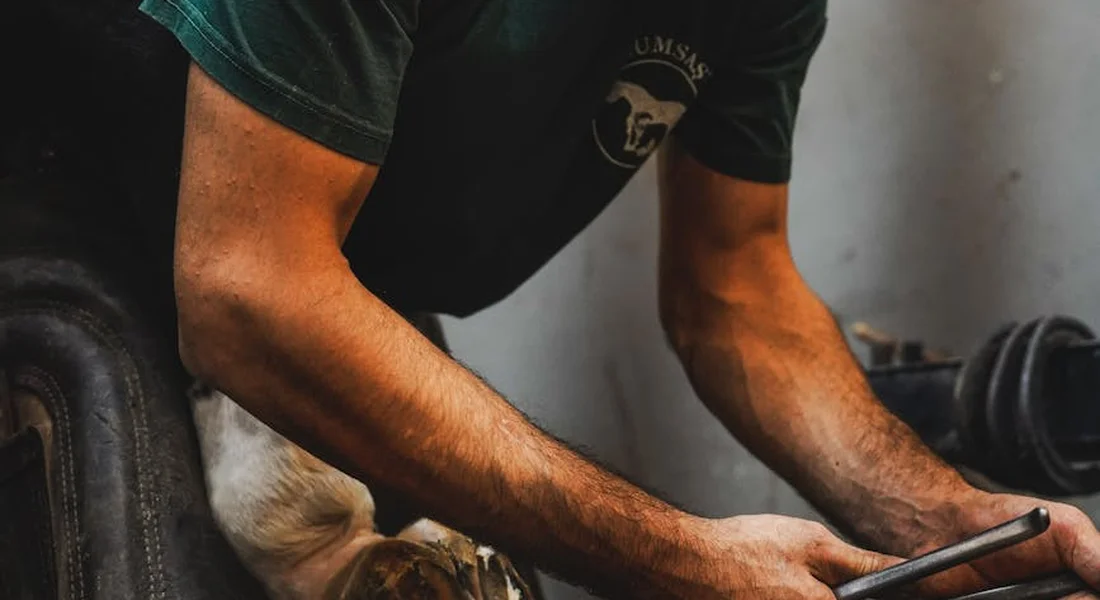
Watching a barefoot horse move with quiet confidence over a gravel driveway never gets old. In my barn, this approach excels for certain lifestyles. For the steady-eddy pleasure and trail horse, like my old reliable Rusty, a good trim is often all he needs. His job is consistent, low-impact mileage over varied terrain, which naturally hardens those soles.
Horses with access to ample, well-drained pasture land are prime candidates. The constant movement and variable ground act as nature’s own farrier tools, promoting strong digital cushions and robust hoof walls. I’ve also seen profound benefits in rehabilitation cases. For some horses navigating navicular discomfort or recovering from laminitis, a precisely balanced barefoot trim-paired with thoughtful management-can allow for optimal internal hoof mechanism and blood flow, which is sometimes restricted by a static shoe.
- Pleasure & Trail Riding: Low concussion, varied surfaces promote natural conditioning.
- Ample Pasture Life: Constant movement on terrain builds a tougher, more adaptive hoof.
- Certain Pathologies: Navicular syndrome or laminitis cases may benefit from the enhanced circulation and mechanism a barefoot protocol allows, but this requires expert guidance.
When Traditional Shoeing is Typically Advised
Now, let’s talk about my thoroughbred, Luna, when she was in heavier work. Shoes were non-negotiable. For athletes in high-impact sports-think eventers pounding across solid ground, jumpers twisting on landing, or reining horses executing slides-shoes provide essential protection from excessive wear and bruising. They are a piece of necessary safety equipment.
Similarly, a horse working extensively on abrasive surfaces, like asphalt or rocky mountain trails, will often wear their feet down faster than they can grow them. Shoes act as a wear plate. Sometimes boots offer a practical alternative to nailed shoes, especially for rehab or varied terrain. Which option is better for your horse—shoes or boots—depends on their work, hoof health, and environment. Severe hoof cracks, certain leg conformation faults (like severely underrun heels), or a need for precise therapeutic support are areas where a skilled farrier’s ability to apply a shoe is transformative. My Shetland, Pipin, once needed a corrective shoe to help with a persistent medial-lateral imbalance that trimming alone couldn’t fix.
- High-Impact Sports: Eventing, show jumping, reining, and intense dressage to protect against concussion and wear.
- Abrasive Surfaces: Regular work on roads, rocky terrain, or arena footing that’s particularly gritty.
- Corrective Needs: Managing severe cracks, providing support for collapsed heels, or addressing specific ligament and tendon injuries.
How Farriers and Trimmers Assess the Hoof
Whether you choose a farrier or a barefoot trimmer, their first visit should look similar: lots of looking, touching, and watching. It’s a partnership, and you are a key source of information about your horse’s movement and history. Knowing what to expect can help ease both you and your horse during these initial meetings.
- Evaluate Hoof Angle and Symmetry: They’ll pick up the foot, sight down the hoof wall, and check the angle it makes with the pastern. They compare left to right, front to back, searching for imbalances that affect the entire leg.
- Palpate the Sole and Frog: A good professional runs thumbs over the sole, feeling for flexibility or hardness. They press the frog to assess its health and engagement-a spongy, healthy frog is a beautiful thing to feel.
- Observe the Horse’s Stance and Gait: They watch your horse stand, looking for uneven weight distribution. Then they ask you to trot the horse out in hand on firm ground. The landing pattern, the sound of the footfall, and any hint of a head bob tell the real story of comfort and balance.
The Transition and Daily Reality: What Owners Need to Know
Navigating the Shift from Shoes to Barefoot
Taking the shoes off isn’t an instant fix; it’s a transition that demands patience. The hoof needs time to change shape, strengthen, and adapt. Expect a period of “footiness,” where your horse may be tender on rougher ground as the internal structures awaken.
- Gradual Trimming Over Cycles: A good trimmer will often take a conservative approach over several trim cycles (usually 4-6 weeks apart), allowing the hoof to slowly rebalance without shocking the system.
- Manage Soreness with Boots: Hoof boots are your best friend here. They provide protection for riding or turnout during the transition, and can be removed afterwards to allow the hoof to function naturally.
- Adjust Exercise and Expectations: Start with shorter sessions on softer footing, slowly introducing more challenging terrain as your horse’s comfort allows. This process can take six months to a year for a full transformation, so abandon the calendar and listen to the horse.
The Critical Role of Living Environment
Your horse’s address is the single biggest factor in hoof health, shod or barefoot. A soft, muddy paddock 24/7 will weaken feet just as surely as a dry, rocky one will harden them. The goal is variety.
I advocate for maximum turnout on well-drained land with a mix of terrain-some grass, some dirt, maybe a gentle slope. This constant, varied movement stimulates blood flow and promotes even wear. Horses stuck in stalls for long periods simply cannot develop the same resilient hoof structure as those moving freely, regardless of your trimming or shoeing choice. Their hooves become dormant, like a limb in a cast.
- Pasture Quality: Well-drained land prevents chronically soft, weak hoof walls and thrush.
- Terrain Variety: Hills, gravel lanes, and firm ground naturally file and strengthen the hoof.
- Stall Time: Limit it. Movement is non-negotiable for healthy hoof mechanism and circulation.
Long-Term Commitment: Upkeep, Schedule, and Cost
Choosing a hoofcare path is a promise to your horse’s soundness. It’s a financial and logistical plan that unfolds over months and years, not just a single farrier visit. Your schedule and budget must align with the philosophy you choose, or the entire system breaks down. Choosing the right farrier for your horse’s hoof care—someone whose philosophy aligns with yours—helps keep that plan cohesive. Look for consistency, clear communication, and proven hoof-care methods.
Maintenance Schedules for Each Method
The steady rhythm of hoof maintenance becomes the heartbeat of your horse care routine. The interval isn’t arbitrary; it’s dictated by hoof growth and wear.
- Barefoot Trimming: A quality barefoot trim typically lasts 4 to 6 weeks. The goal is to maintain optimal biomechanical function by removing just the excess growth that would distort the hoof’s natural angle. My pony, Pipin, is on a strict 5-week cycle because his little hooves grow like weeds. A horse in heavy work on abrasive terrain may wear the trim down faster, while a pasture pet might stretch to 6 or 7 weeks.
- Traditional Shoeing: Shoes are usually reset or replaced every 6 to 8 weeks. The shoe itself limits wear, so the farrier is often removing more grown-out hoof wall and addressing any changes in the foot’s shape under the shoe. A performance horse pounding on arena footing may need tighter 6-week cycles, while a light trail horse might be fine at 8. You cannot go longer, as the hoof will outgrow the shoe, leading to pressure and potential lameness.
Missing a scheduled appointment by even a week can force a compromise in trim quality or shoe fit, so consistency is non-negotiable for both methods. I keep a laminated calendar in the tack room, and the farrier’s visits are written in permanent marker.
Comparing Costs Over Time
Let’s talk numbers. The initial price tag is one thing, but the annual total tells the real story. These are estimates from my region; your local rates will vary.
A standard trim for my area runs $40-$60. A full set of keg shoes (basic steel shoes) runs $120-$180. That’s the simple math per visit. But the ancillary costs are where philosophies diverge.
- Barefoot Budget: Your main cost is the trim fee. However, many barefoot horses benefit from hoof boots for riding on rough terrain or if they are tender-footed during transition. A good pair of boots costs $150-$250 per pair and can last several seasons with care. Your annual cost might look like: 9 trims at $55 ($495) + one-time boot purchase ($200) = ~$695 for the first year, then just trim costs thereafter.
- Traditional Shoeing Budget: Your cost is the shoeing fee every cycle. You also pay for the shoes and nails each time, which are included in that fee. If you opt for specialty shoes (aluminum, heart-bar, pads), the price jumps significantly. For a horse in all four steel shoes: 7 shoeings at $150 = $1,050 annually. Add pads or corrective work, and you can easily double that.
Think of hoof boots as a pair of high-quality running shoes you choose when needed, while metal shoes are more like permanent orthotics that require ongoing adjustment. For a sound, barefoot-capable horse like Rusty, the barefoot path is markedly cheaper over the long run. For a horse with chronic issues requiring therapeutic shoeing, the cost is a necessary investment in their comfort.
FAQ: Barefoot Trimming vs. Traditional Shoeing
How does each method aim to support the natural biomechanics of the horse’s hoof and leg?
Barefoot trimming encourages the hoof’s natural flex and expansion, which enhances blood flow and shock absorption through internal structures like the digital cushion. Traditional shoeing provides external stability and protection, aiming to reduce wear and offer support, though it may restrict some natural hoof movement. Both philosophies prioritize hoof balance, but barefoot focuses on innate function while shoeing adapts it for performance or correction. Considering the pros and cons of natural hoof care versus traditional shoeing helps you weigh daily maintenance against performance goals. This comparison sets the stage for the linked resources to follow.
What are the common criticisms or potential drawbacks of the barefoot trimming philosophy?
The transition to barefoot can cause temporary soreness, requiring patience and possible use of hoof boots for comfort. It often demands an ideal living environment with varied terrain to strengthen hooves, which may not be practical for all management situations. Some horses, due to poor conformation or hoof quality, may not thrive barefoot and could need alternative support for long-term soundness.
Are there specific hoof pathologies or conformations that favor one method over the other?
Conditions like chronic laminitis may benefit from barefoot trimming for optimal circulation, while acute cases might need therapeutic shoes for immediate relief and stabilization. Conformational faults such as severely underrun heels often require traditional shoeing to provide corrective angles and prevent further imbalance. The decision hinges on professional evaluation, with barefoot suiting resilient hooves and shoeing aiding in protective or corrective scenarios.
Making Your Choice with Your Horse’s Hooves in Mind
Your final decision should rest on your horse’s individual comfort, conformation, and the demands of your riding life. Partner with a skilled, open-minded farrier or trimmer who prioritizes hoof balance and is willing to adapt the plan as your horse’s needs change.
Whether shod or barefoot, progress is measured in months, not days, so allow time for adjustment and transition. The best choice is the one that keeps your horse sound and confident, because his willingness and comfort on the trail are the truest measures of success.
Further Reading & Sources
- Best choice of Hoof Care: Barefoot Trim or Pasture Trim – Scootboot Content
- r/Equestrian on Reddit: Barefoot trimming vs Farrier school
- Shoes vs. Barefoot-Answers to Common Questions – USRider Equestrian Motor Plan
- Effects of barefoot trimming and shoeing on the joints of the lower forelimb and hoof morphology of mature horses – ScienceDirect
At Horse and Hay, we are passionate about providing expert guidance on all aspects of horse care, from nutrition to wellness. Our team of equine specialists and veterinarians offer trusted advice on the best foods, supplements, and practices to keep your horse healthy and thriving. Whether you're a seasoned rider or new to equine care, we provide valuable insights into feeding, grooming, and overall well-being to ensure your horse lives its happiest, healthiest life.
Hoof Care