
Best Exercises for Building Strength vs. Endurance in Horses
Published on: September 16, 2026 | Last Updated: September 16, 2026
Written By: Henry Wellington
Hello fellow equestrians. Are you trying to get your horse fit but unsure if you should focus on brute power or lasting stamina? Picking the wrong focus can leave your horse sore, sour, or injured-a worry I know all too well from managing vet visits for overworked horses.
Let’s clear up the confusion. I’ll guide you through the distinct exercises that target each goal, including low-impact strength builders for the hindquarters, steady-state cardio work for lung capacity, and how to weave both into a weekly schedule safely.
I’ve built fitness plans for everything from trail veterans like my quarter horse, Rusty, to high-energy types like Luna, all from the saddle and the stallside.
Strength or Stamina? Understanding Your Horse’s Fitness Goals
Think of strength as pure power, like a weightlifter hoisting a barbell. For your horse, this translates to muscular development for short, powerful efforts—a barrel racing turn or a collected canter. Endurance is stamina, like a marathon runner’s cardio, built for sustained effort over miles of trail or a long hack. To translate this into real gains, focus on training that builds and strengthens your horse’s muscles effectively through structured, progressive exercises. When done right, you can support both power and endurance in a balanced way.
Your discipline dictates the focus: a dressage horse needs strength for explosive engagement, while an endurance horse lives on cardiovascular stamina. Schooling Luna for dressage meant building her topline for strength, whereas Rusty’s trail fitness hinges on keeping his engine running for hours.
Targeted fitness isn’t just for performance; it’s a cornerstone of soundness. A strong horse supports joints better, and a fit horse recovers quicker. This proactive approach is the best injury prevention program you can offer, straight from my years on the barn floor.
The Groundwork of Safety: Warm-Ups, Cool-Downs, and Listening
Skipping the warm-up is like asking for a cold engine to sprint. A proper cool-down is equally vital, letting the heart rate settle and muscles relax. This routine is non-negotiable for equine welfare.
Your most important job is to listen-the thud of hooves, the rhythm of breath, the feel in your reins are all real-time data. I’ve cooled down many a hot horse like Luna, where that quiet walk home was as crucial as the workout itself.
Watch for heavy breathing, a stumbling gait, or a sudden unwillingness to move forward. These are clear signs to stop. Ending a session five minutes early is always better than pushing five minutes too long.
Essential Elements of a Proper Warm-Up
Follow this sequence to wake up the body safely. Start with a 10-minute walk on a loose rein, letting your horse stretch into the bridle. Hear the steady crunch of footing as they loosen up.
- Begin with a straight-line walk, allowing a long and low frame.
- Incorporate large, sweeping circles and gentle serpentines to mobilize the spine.
- Introduce a rising trot for 5-10 minutes, focusing on rhythm and relaxation.
This gradual process increases blood flow and joint fluid, preparing tendons and muscles for more demanding work. I never skip these steps, even on a busy barn day-it’s the foundation of every good ride.
Reading Your Horse’s Body Language
Your horse talks with their whole body. Learning this language prevents strain and deepens your bond. Look for these specific cues during fitness work to make sure your horse is happy and comfortable.
Soft, blinking eyes and forward ears usually mean a engaged and happy partner. A tense jaw or pinned ears can signal pain or protest.
- Breathing: Even and deep is ideal; ragged or panting breaths scream for a break.
- Movement: A swinging back and willing stride show comfort; a short, choppy gait or tail swishing indicates stress.
- Attention: A focused horse is a participant; a hollow-backed, evasive horse is checking out.
With clever ponies like Pipin, I learned that a suddenly busy mouth often meant confusion, not defiance. Responding to these signs isn’t coddling-it’s intelligent, compassionate horsemanship.
Building Bulletproof Strength: Exercises for Power and Muscle
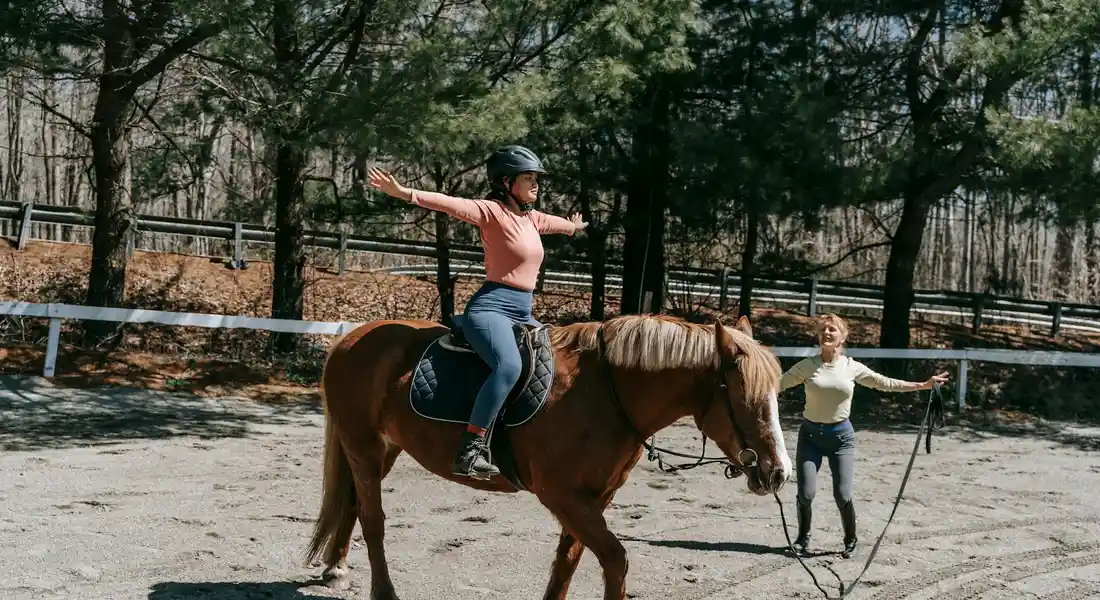
Strength work isn’t about bulk; it’s about creating a resilient, injury-resistant athlete who carries itself well. This type of conditioning focuses on short, quality efforts that teach the horse to engage its hindquarters, lift its back, and use its core. I think of it as building the supportive scaffolding for everything else they do.
Hill Work: The Natural Strength Builder
The incline of a hill is nature’s perfect gym. Walking up a slope forces a horse to push from behind, developing the engine in its hindquarters. Going down carefully engages the abs and teaches balance. I start every horse, from cautious Rusty to flighty Luna, with the same slow introduction.
- Find a gentle, forgiving slope with good footing-short grass or dry dirt is ideal.
- Begin in-hand at a walk so you can monitor their balance and confidence before adding a rider’s weight.
- Walk up and down the slope just 2-3 times in your first session, allowing plenty of breaks.
- Progress to ridden walks, focusing on a steady, marching rhythm. Let them find their balance; don’t pull on the reins.
- Only add trot work uphill after weeks of solid walking. Trot downhill is an advanced skill and can be hard on joints.
Always check your horse’s breathing and sweat after hill work, and listen for the satisfying sigh of tired muscles being loosened during the cool-down walk.
Gymnastics on the Ground: Poles and Cavaletti
Setting up poles is like creating a puzzle for your horse’s feet and mind. It improves coordination, tendon strength, and encourages that lovely “snap” of knee and hock action. The key is correct spacing to promote lifting, not scrambling.
- Trotting Poles: Space them 4.5 to 5 feet apart for an average 15-16 hand horse. This encourages one stride between poles.
- Walking Poles: Space them about 3 feet apart. This forces deliberate foot placement and stretches the shoulders.
- Cavaletti (Raised Poles): Start with poles on the ground, then raise them only 6-8 inches. Use sturdy, secure cups. Never use jump standards that can tip over easily; safety is non-negotiable.
I often set up a simple three-pole grid for Pipin, my Shetland, to keep his clever brain occupied. Watching a horse learn to navigate poles builds their proprioception-their sense of where their body is in space-which is a cornerstone of injury prevention.
Flatwork for Engagement: Transitions and Lateral Moves
True strength is controlled. Precise flatwork builds the muscles along the topline—the neck, back, and hindquarters—by asking the horse to carry itself in balance.
- Walk-Trot-Walk Transitions: Ask for 5 strides of energetic trot, then 10 strides of purposeful walk. Repeat. This engages the hind end to push forward into the upward transition and sit down for the downward one.
- Leg-Yield: On a diagonal or along the wall, ask your horse to move sideways while maintaining forward motion. This engages the inside hind leg and encourages crossing over.
- Shoulder-In: A more advanced move where the horse is bent around your inside leg, moving on three tracks. This is a phenomenal strength builder for the inside hind leg and the abdominal muscles.
Focus on the quality of a single good transition over a dozen rushed ones; you’ll feel the moment your horse starts lifting its back and pushing from behind.
Building Ironclad Endurance: Exercises for Stamina and Cardio
Endurance is the ability to sustain effort over time, and it starts with the cardiovascular system-the heart and lungs. Unlike strength work, endurance conditioning is built through longer durations of steady, rhythmic exercise. You’re training the internal systems as much as the muscles.
The Long, Slow Distance Foundation
Often called LSD work, this is the bread and butter of building stamina. The goal is a steady, metabolic pace that develops capillary networks in the muscles and teaches the body to efficiently use oxygen.
Start with your horse’s current fitness level. A sample 4-week walking progression for a lightly ridden horse might look like:
| Week | Ride Duration | Primary Gait |
|---|---|---|
| 1 | 30 minutes | Walk with short trot bursts |
| 2 | 40 minutes | Walk, with 5-minute trot sets |
| 3 | 50 minutes | Walk, with 8-minute trot sets |
| 4 | 60 minutes | Walk, with 10-minute trot sets |
The magic is in the consistency and the steady rhythm, not the speed; think of it as a leisurely but purposeful trail ride where the focus is on forward motion without pressure.
Introducing Interval Training for Cardio
Once a solid base of LSD work is established, interval training can boost cardio capacity. It alternates periods of work with periods of active recovery. This challenges the heart and lungs to adapt and become more efficient.
- The Basic Formula: A period of brisk trot or slow canter, followed by an equal or longer period of relaxed walk.
- An Example Set: After a 15-minute warm-up, trot briskly for 3 minutes, then walk for 4 minutes. Repeat this cycle 3-4 times. Cool down with 15 minutes of walking.
- Key Benefit: This trains the horse’s body to clear lactic acid and recover more quickly between efforts.
Never use interval training as an excuse for speed; the work phase should be a controlled, steady pace you can maintain for the entire interval, and you must always prioritize the recovery walk. I monitor Luna’s breathing closely during rest periods, waiting for it to slow before asking for the next work phase.
The Best of Both Worlds: Cross-Training for Balanced Fitness
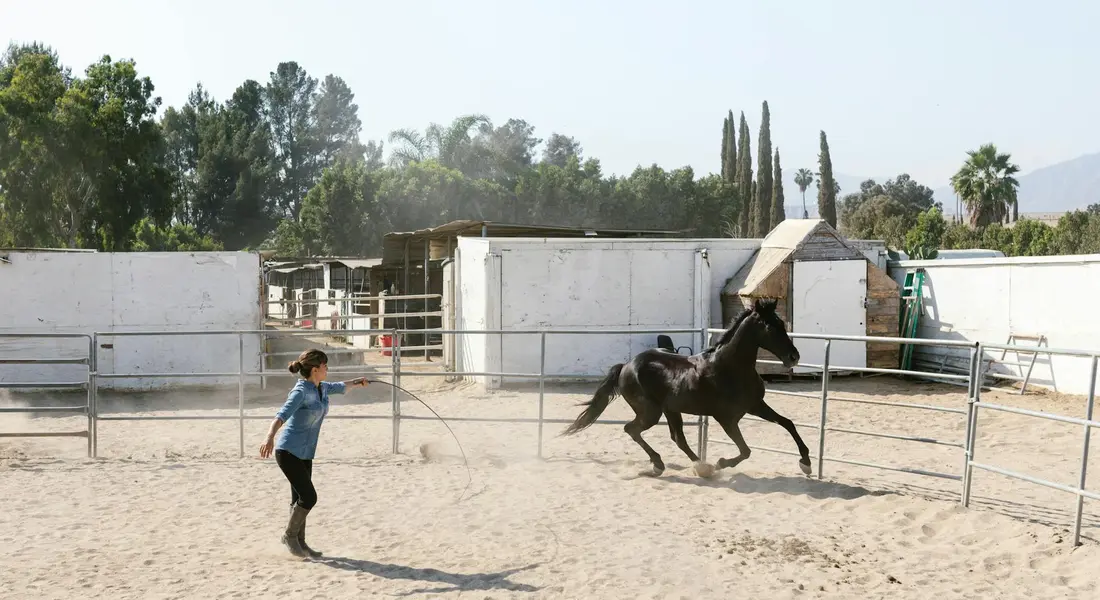
Imagine your horse’s fitness like a well-built fence. It needs strong posts for support and durable rails for length. Cross-training blends short, powerful efforts with sustained, steady work to create that balanced structure. I mix these elements throughout the week, ensuring no single system gets overtaxed. A classic cross-training session is a trail ride that includes a long, steady walk on flat ground punctuated by a few deliberate hill climbs. The walk builds stamina, while the hills demand a powerful push from the hind end. This variety not only builds a more adaptable athlete but also keeps their brain engaged, turning work into exploration.
Sticking to one type of exercise is like always lunging in the same direction; it wears patterns into the body and mind. Consistent variation prevents overuse injuries by distributing stress across different muscle groups and joints. I saw this with Pipin. When his workouts were the same every day, he became cranky and started looking for loose bolts on the gate. Introducing pole work one day and a longer, meandering hack the next made him more willing and kept his legs fresher. Cross-training is as much about mental welfare as physical development, reducing sourness and risk.
Sample Weekly Conditioning Schedule
Use this template as a flexible guide. The key is rhythm, not rigidity. Active recovery means movement, like turnout or a hand-graze, which is non-negotiable for circulation and mood.
| Day | Focus | Activity Example | Notes for Different Types |
|---|---|---|---|
| Monday | Strength | Hill repetitions or weighted pole exercises | For a sensitive Thoroughbred like Luna, limit to 15-20 minutes with lots of praise. For a steady Quarter Horse like Rusty, you can focus on crisp transitions. |
| Tuesday | Endurance | 45-minute steady trot on a soft trail or in the arena | Monitor breathing. A high-energy horse might need a calm warm-up to settle before extending. |
| Wednesday | Active Recovery | Turnout with herd mates or a 30-minute walk on a loose rein | This is when healing happens. It’s a workout day for the digestive system and the mind. |
| Thursday | Strength | Dressage school focusing on engagement and collection | Quality over quantity. Five perfect leg-yields build more muscle than twenty sloppy ones. |
| Friday | Endurance | Interval training: 3 sets of 5-minute trot with 3-minute walk breaks | Builds wind efficiently. Watch for smooth recovery between sets. |
| Saturday | Cross-Training | Adventure ride: mix terrain, include a water crossing, and tackle a few steep sections | The ultimate test of balanced fitness. Works everything and feels like play. |
| Sunday | Full Rest | Voluntary turnout or complete day off | Let them be a horse. Freedom of movement in the pasture is the best therapy. |
This schedule is a framework, not a commandment. An older horse or pony might need two light days after a strength session. Your horse’s attitude when you bring out the saddle is the best report card on your weekly plan.
Crafting a Progressive Conditioning Schedule
Building fitness is a conversation, not a lecture. You propose a workload with your plan, and your horse responds with their breath, their stride, and their spirit. Begin by assessing where you are today. A horse fresh from pasture has a different starting line than one in light work. The golden rule is the 10% guideline: increase total weekly workload-be it time, distance, or intensity-by no more than ten percent. This slow creep allows tendons, bones, and cardiovascular systems to adapt without panic.
Your personalized plan rests on evaluating a few core factors. Grab a notebook and jot down honest answers.
- Current Fitness Baseline: How long can they maintain a working trot before breathing heavily? That’s your week one anchor.
- Age and History: A seven-year-old can rebound faster than a twenty-year-old. Previous injuries also dictate certain limits.
- Daily Turnout Access: A horse with 24/7 movement already has a cardio base. A stalled horse starts from zero and needs even more gradual ramping.
- Discipline Goals: A trail horse needs relentless stamina, while a barrel horse needs explosive power. Shape your emphasis around the finish line you envision.
I learned progression the hard way with Rusty. Eager for spring riding, I added hill days too quickly. He was off for a week with tight stifles. Now, I plan three weeks ahead in pencil, leaving room for weather, mood, and those undeniable “not today” feelings. A good schedule has built-in flexibility, because the horse you have on Monday might not be the same horse you have on Wednesday.
Tracking Progress and Adjusting the Plan
You can track fitness with a stopwatch and your own senses. After exercise, feel for your horse’s heartbeat at the jawline. Count how many beats drop in the first minute after stopping. A fit horse will show a rapid decline. A recovery heart rate that stays elevated is a clear signal to pull back and add more rest. You can also time how long it takes for the heart rate to return to baseline after stopping; this recovery time is a practical way to measure fitness recovery time. Tracking that recovery time across workouts helps gauge progress and tailor training. Also observe their overall vibe in the stall or field the next day. Are they bright and hungry, or tucked up and quiet?
Keep a simple journal. Note distance, effort level, and any comments like “seemed stiff on left lead” or “energetic and forward.” Clear signs that tell you to adjust the plan include:
- Signs to Gently Increase Difficulty: Consistent, quick recovery, a cheerful nicker when you arrive, and no heat or filling in legs.
- Signs to Dial it Back: Mild lameness, a dull coat, resistance to grooming, or a dip in water consumption. These whisper before they scream.
With Luna, I check the tightness behind her withers after a hard ride. If she’s holding tension there, I know the next day needs to be a wandering walk, not a school. The most important tool in conditioning isn’t a fitness tracker; it’s your willingness to scrap the plan and listen to the animal in front of you.
Reading the Signs: When to Push and When to Rest
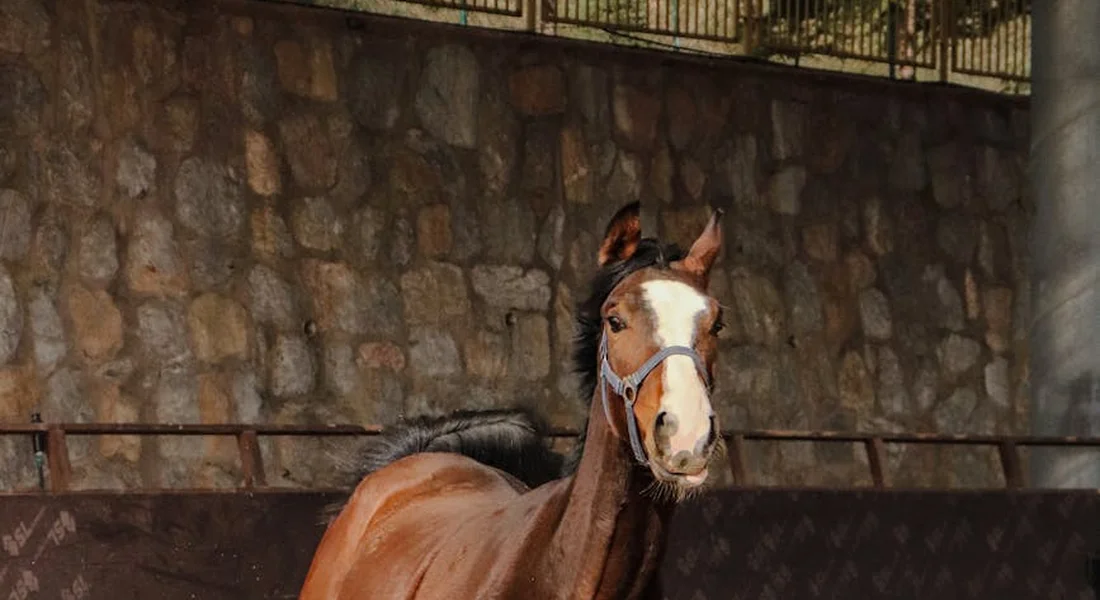
Your horse will tell you everything you need to know about their training load, if you learn to listen. The difference between a good, strengthening workout and a draining one is often in the details you see the next day. Watch for a bright eye, a swishing tail, and an eager walk to the mounting block-these are the classic signs of a horse feeling fit and ready for more. I see it with my guy Rusty; after a solid trail ride, he’ll doze in the sun with a soft eye, but he’s always first at the gate the next morning.
Effective training leaves a horse tired but content, with muscle soreness that fades after a day of light movement. Overtraining, on the other hand, stacks fatigue. The horse becomes dull, their stride might shorten, and that cheerful willingness evaporates. The single best tool for recovery isn’t in your tack room–it’s a grassy paddock. Passive turnout is non-negotiable; it lets muscles repair, minds decompress, and guts function naturally with constant, gentle movement. It’s important to remember that a good horse is a tired horse, but there are limits.
Planning a deliberate recovery day is as critical as the workout itself. Here is my simple barn-tested routine:
- Turn out first thing in the morning, preferably on varied terrain for soft, voluntary movement.
- Skip all structured work. No lunging, no riding, just peace.
- Offer a thorough grooming session, which doubles as a hands-on physical check for heat or tightness.
- Provide ample, high-quality hay to keep the digestive system quietly working.
- Finish with a quiet hand-graze, if possible, for mental relaxation.
Identifying the Red Flags of Overtraining
Normal fatigue is a temporary dip; overtraining is a downward trend. Learn these warnings. Prolonged soreness or stiffness that lasts more than 48 hours is a glaring stop sign, not a yellow light. Compare it: Luna might be a bit stiff after a intense flatwork session, but she loosens up with ten minutes of walk. If that stiffness is still obvious the day after tomorrow, I’ve asked for too much.
Behavioral shifts are huge tells. Look for these specific red flags:
- Resistance to work: A normally willing horse who pins ears, swishes aggressively, or balk at familiar tasks.
- Appetite changes: Leaving grain or hay, especially in a food-motivated character like Pipin.
- Attitude alteration: A spark of anxiety, spookiness, or dull depression that’s out of character.
- Performance plateau or decline: You’re putting in the work, but speed, stamina, or form is getting worse.
- Weight loss or poor coat condition: Despite good feed, the horse isn’t thriving.
When you spot these signs, the protocol is simple and non-negotiable. Stop all demanding work immediately and call your vet to rule out underlying pain or illness. What looks like overtraining could be the early whisper of something else. Swap drills for days of rest, turnout, and maybe just companionship-the sound of another horse chewing hay nearby can be the best therapy.
FAQ: Best Exercises for Building Strength vs. Endurance in Horses
How can I assess my horse’s current strength and endurance levels before starting a new program?
Start by timing how long your horse can maintain a steady trot before showing heavy breathing, which indicates cardio baseline. For strength, observe their ability to perform short, powerful movements like hill climbs or transitions without stumbling or resistance. It’s also wise to record recovery metrics, such as heart rate drop after exercise, to gauge overall fitness. This approach supports understanding heart rate and respiration monitoring as a key tool for assessing horse fitness. With these metrics, you can tailor training to improve endurance and recovery more effectively.
Are there any breed-specific considerations for strength versus endurance training?
Breeds like Arabians or Morgans often have natural stamina, so endurance work may progress faster, but they still benefit from strength exercises for balance. Heavy breeds or drafts might excel in power tasks but require careful cardio buildup to avoid stress on joints. Always individualize training based on your horse’s conformation and energy levels, not just breed stereotypes.
What role does nutrition play in supporting strength and endurance training?
Nutrition fuels performance, with increased calories from fats and carbs for endurance work to sustain energy over long periods. For strength training, ensure adequate protein intake to support muscle repair and growth after intense sessions. Always provide ample forage, water, and consider supplements like electrolytes for recovery, tailored to your horse’s workload.
Final Thoughts from the Stable
Focus your strength work on brief, powerful exercises like pole work or hills, and build endurance with steady, longer-duration rides at a lower intensity. Always progress your horse’s exercise load in tiny, manageable steps to safeguard their physical and mental well-being, paying attention to any signs of overwork or fatigue.
Good horsemanship is built on patience and observing the individual in front of you. The soft sigh, the eager ear, or the hesitant step-these are the signals that will tell you more than any training schedule ever could.
Further Reading & Sources
- Condition Your Horse Like a Pro – The Horse
- Endurance Training | Perseverance Endurance Horses
- Guide to Conditioning Horses: Exercises & Plans for Optimal Performance | Mad Barn
- Riding Exercises to Increase Strength and Condition in Horses – HLS Equine Therapy
At Horse and Hay, we are passionate about providing expert guidance on all aspects of horse care, from nutrition to wellness. Our team of equine specialists and veterinarians offer trusted advice on the best foods, supplements, and practices to keep your horse healthy and thriving. Whether you're a seasoned rider or new to equine care, we provide valuable insights into feeding, grooming, and overall well-being to ensure your horse lives its happiest, healthiest life.
Exercise