
Can Horses Eat Bamboo? A Practical Guide to Pasture Safety
Published on: September 25, 2026 | Last Updated: September 25, 2026
Written By: Henry Wellington
Hello fellow equestrians, have you spotted your horse sampling bamboo and felt that immediate knot of worry in your stomach? That fear of mysterious plant toxicity and unexpected vet visits is a shared anxiety for anyone who cares for these curious grazers.
Let’s settle those nerves right now. I’ve spent years managing pastures and have seen firsthand what happens when a bored horse finds a new “snack.” This guide will walk you through the real facts. We’ll cover the specific compounds in bamboo that concern equine digestion, how to safely manage a pasture where bamboo is present, and the best forage alternatives to keep your horse happily munching on safe options.
You can trust this advice comes from a life spent in the stable, managing the diets and welfare of everything from cheeky ponies to sensitive thoroughbreds.
The Short Answer on Bamboo and Equine Health
No, horses should not eat bamboo. It is not a suitable forage for them. While a curious nibble might not cause immediate alarm, making bamboo a regular part of their diet is asking for trouble. I treat bamboo near my paddocks with the same suspicion I give to questionable fence lines-it’s a hazard that needs managing. Rusty’s reliable nature doesn’t make him immune to poor choices, and I’ve chased him away from bamboo stands more than once. Your horse’s health hinges on what they consume, and bamboo simply doesn’t make the safe list, unlike collard greens or mustard greens.
Why Bamboo Poses a Grazing Risk
Bamboo threatens your horse from two angles: its internal chemistry and its physical structure. A horse’s digestive system is fine-tuned for grasses and legumes, not for woody, fast-growing shoots. Allowing bamboo into your pasture is like inviting a beautifully packaged problem right to your horse’s dinner plate. The risks are silent but serious, combining stealthy toxins with a very real chance of a physical blockage. I prioritize turnout on diverse, safe pasture, and that means actively removing plants like bamboo that undermine that safety.
Understanding Plant Toxins: Oxalates and Silica
Bamboo contains compounds that quietly sabotage equine health. The main culprits are oxalates and silica. Oxalates bind to calcium in the gut, preventing your horse from absorbing this crucial mineral. Over time, this can lead to weakness and even nutritional secondary hyperparathyroidism, where the body leaches calcium from bones. Think of oxalates as little lock-pickers, stealing the calcium meant for your horse’s strong bones and steady nerve function.
Then there’s silica. Bamboo uses silica for its famous rigidity, but that same abrasiveness is terrible for your horse. It can accelerate tooth wear and, once ingested, irritate the delicate lining of the digestive tract. Feeding bamboo is essentially asking your horse to digest tiny shards of glass, which is a surefire path to internal discomfort and inflammation. Luna’s sensitive system would react poorly to such irritants, highlighting why knowing your forage matters.
The Physical Danger: Choking and Impaction
Beyond the hidden chemicals, bamboo is a mechanical nightmare. Its fibers are long, tough, and notoriously difficult to break down. Horses, especially eager eaters, might not chew it thoroughly. A large, poorly chewed piece of bamboo stalk is a prime candidate to become lodged in the esophagus, causing a terrifying choking incident that requires immediate veterinary intervention. Even if swallowed, those indigestible fibers can clump together in the gut.
This leads to impaction colic, a painful and dangerous blockage. The horse’s digestive system cannot ferment and move this material like it does with hay. I’ve spent enough nights walking a colicky horse to tell you that preventing impaction starts with vigilant pasture management—and that means no bamboo or other tree materials in the field. For a food-motivated escape artist like Pipin, the appeal of new greenery is a constant reminder to check my fences and clear such hazards.
- Choking Hazard: Woody stalks can become stuck in the throat.
- Impaction Risk: Fibrous mats form in the intestines, halting digestion.
- Prevention is Key: Regular pasture checks and safe, alternative forage are your best tools.
Identifying Common Bamboo Varieties in Your Area
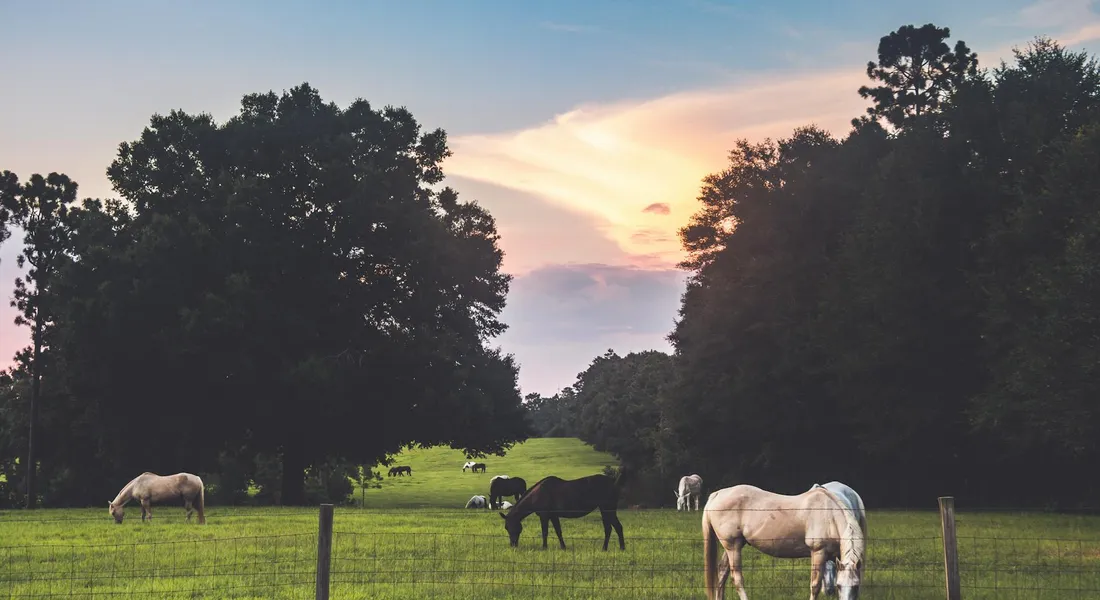
Walking the fence line after a spring rain, I heard the distinctive rustle of bamboo leaves. Luna, ever curious, stretched her neck towards the sound. Not all bamboo is created equal, and knowing what’s growing in your paddocks is your first defense. Your horse’s safety starts with you learning to identify the plants they encounter daily. Recognizing safe flora is just as crucial as spotting the harmful ones.
I keep a simple guide on my phone for quick checks. Look for these common types in many regions:
- Running Bamboo (Phyllostachys): Spreads aggressively via underground rhizomes. You’ll often see it forming dense thickets with hollow, grooved stems called culms. The young shoots are tender and more likely to be nibbled.
- Clumping Bamboo (Bambusa): Grows in tight, non-invasive clumps. The culms are often thicker and the leaves broader. It’s a common ornamental, so check near property borders.
- Golden Bamboo (Phyllostachys aurea): A running type with stems that turn a pale yellow in full sun. It’s one I’ve found sneaking into pastures from old landscaping.
Bring a notebook and jot down what you see. Note the stem color, leaf width, and how it’s spreading. Take clear photos of the whole plant, a close-up of the leaf joint, and the base; a local agricultural extension office can often give you a positive ID. I learned this after Pipin’s great escape led him to a clump I hadn’t properly identified.
Remember, location matters. What thrives in a wet, southern climate may not grow in a drier, northern one. Turnout time is precious, and ensuring that grazing space is free from unknown plants is a cornerstone of gentle, proactive horsemanship. Creating a safe and enriching environment for your horse starts with understanding the local flora.
Bamboo vs. Other Pasture Plants: A Safety Comparison
Let’s put bamboo on the bench next to common pasture players. Unlike nutrient-rich timothy or orchard grass, bamboo offers little nutritional value and its high silica content can be rough on equine teeth and digestion. Think of bamboo as the empty calorie snack of the plant world-it fills space but doesn’t nourish.
Here’s a quick safety comparison based on my years of pasture management:
- Safe Staples (e.g., Ryegrass, Bermuda Grass): These are digested easily and form the basis of good pasture. Horses can graze these freely.
- Moderate-Risk Plants (e.g., Some Clovers, Bamboo Shoots): Fresh bamboo shoots in very small, occasional amounts may not cause immediate harm, but they are not a recommended forage. I’ve seen Rusty take a curious bite and spit it out, much preferring his hay.
- High-Risk Toxins (e.g., Red Maple, Oleander): These cause acute poisoning. Bamboo isn’t typically listed with these killers, but its physical structure poses a unique risk of impaction.
The real danger with bamboo isn’t acute toxicity, but physical blockage. Those tough, fibrous strands can wad up in the gut like a ball of string. Preventing access to large amounts of bamboo is a far better plan than managing a colic episode later.
Follow this simple step when assessing any plant: 1) Identify it absolutely. 2) Observe your horse’s interest. 3) When in doubt, fence it out. The peace of mind from watching Luna graze safely is worth the extra effort. Your role is to curate their environment, trusting their instincts but backing them up with your knowledge.
Practical Pasture Management for Grazing Safety
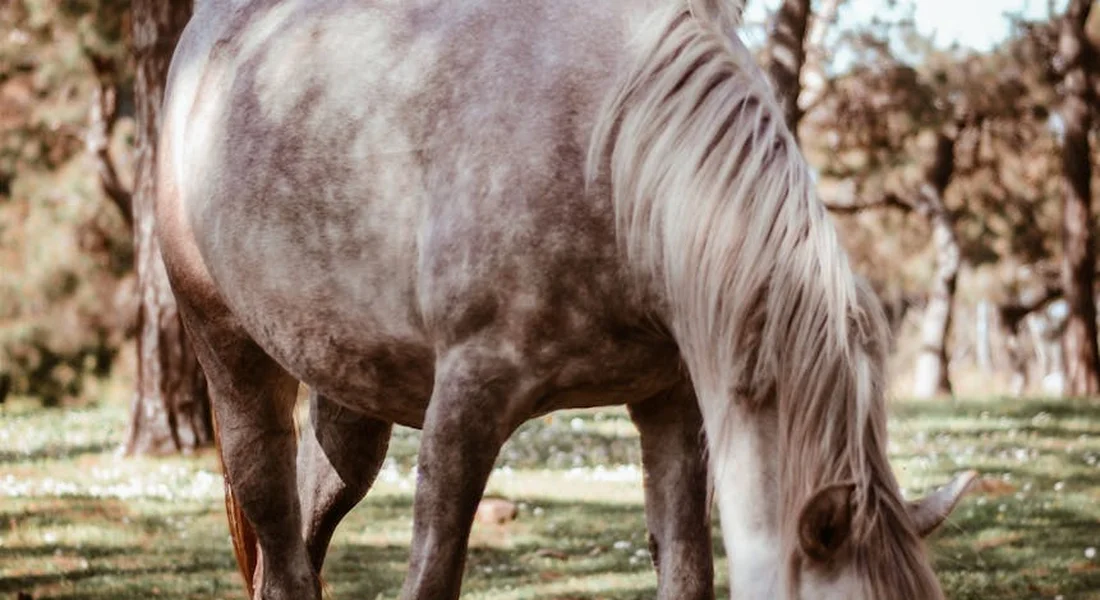
Managing a safe pasture is a hands-on job, one I’ve learned through muddy boots and close calls. It’s about more than just grass; it’s about creating a haven. I remember the crisp morning I found Pipin, our Shetland, too quiet by a new thicket—a reminder that vigilance is everything. Your pasture should be a place of peace, not hidden danger, and that starts with proactive steps.
Step 1: Conduct a Pasture Walk and Risk Audit
Put on your old jeans and walk the entire field, slowly. Do this every season, especially after heavy rain. Look with a detective’s eye, not a rider’s glance. Get down on a knee to see what’s growing at hoof level. I always carry my phone to snap pictures of unknown plants; my local agricultural extension office has saved me more than once.
Your audit list should include:
- Clumps of bamboo or any woody, non-grass species.
- Evidence of pest plants like ragwort or oleander.
- Wet, boggy areas where mold or harmful fungi thrive.
- Broken fence lines or rubble piles where weeds take hold.
This isn’t a chore. It’s a quiet moment to connect with your land and your horse’s world.
Step 2: Safe Removal and Fencing Options
Pulling plants by hand often isn’t enough. Bamboo, for instance, has a relentless root system called rhizomes. You must dig deep to remove all of it. For large infestations, I’ve used a small excavator, but only when the horses were safely stabled. Always wear sturdy gloves and dispose of toxic plants in sealed bags, never where they can be reached or composted. For horse safety, the safe toxic plants horses complete identification guide can help you recognize hazardous species at a glance. This quick reference complements practical removal steps and supports keeping the herd safe.
When fencing off danger zones, think like your horse:
- Use solid, visible barriers. Electric tape works well for sensitive souls like Luna.
- Double-check height for jumpers and gaps for crafty ponies like Pipin.
- Consider a sacrificial paddock with clean footing while you rehabilitate the main pasture.
Good fencing is a gift of safety that supports full, worry-free turnout time.
Step 3: Monitor Your Horse’s Grazing Habits Daily
Watch your horses eat. I mean really watch. Do they wander to the same corner first? Do they avoid a patch they used to love? Rusty, my Quarter Horse, will sidestep any area that smells off, a trait that’s tipped me off before. Daily observation is the cornerstone of gentle, preventative horsemanship. For a quick reference, see the signs of a healthy horse daily check guide to turn what you notice into a daily routine. It helps you catch subtle changes before they become problems.
Make this a routine:
- Scan for leftover hay or uneaten grass in specific spots.
- Check manure piles for consistency, color, and any strange plant bits.
- Look at their muzzles and lips for stains, swelling, or excessive saliva.
The thud of hooves moving to fresh grass should be a steady, happy rhythm. Any change in that pattern is your cue to investigate.
When to Call the Vet: Signs of Plant Toxicity
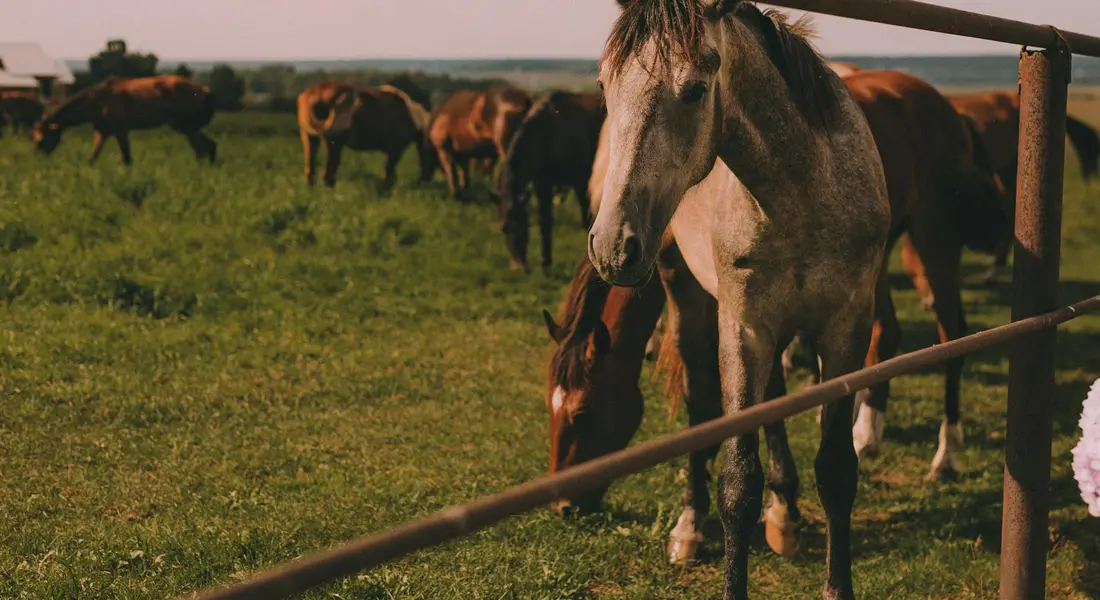
Despite our best efforts, horses can find trouble. Knowing the signs of illness or injury is non-negotiable. I’ve made that urgent call, heart pounding, holding Luna’s head steady. Never second-guess yourself when toxins are suspected; your vet would rather have a false alarm than an emergency.
Key symptoms that demand an immediate vet call include:
- Sudden, total refusal of food and water.
- Signs of colic: repetitive pawing, rolling, or staring at the belly.
- Any neurological change: wobbling, depression, head pressing, or muscle tremors.
- Difficulty breathing or irregular heartbeat.
- Profuse diarrhea or complete absence of manure.
While you wait for professional help:
- Move your horse to a clean, quiet stall or small paddock.
- Remove all feed and water, but offer a wet towel to lick if they’re drooling.
- Gather a sample of the suspect plant and any fresh manure for the vet.
Your calm, swift action is a direct advocate for your horse’s welfare. Trust your gut-it’s built on all those hours in the barn.
FAQ: Can Horses Eat Bamboo? Understanding Plant Safety for Grazing
Is it ever safe for horses to consume small amounts of bamboo?
No, even small amounts of bamboo are not recommended due to inherent risks. The compounds like oxalates and silica, combined with tough fibers, can cause digestive issues. Consistently preventing access is the safest approach for equine health.
What are the first signs that my horse might be affected by eating bamboo?
Initial symptoms may include reduced appetite, mild abdominal discomfort, or unusual manure. Watch for any signs of choking, such as coughing or difficulty swallowing. Prompt veterinary consultation is advised if these observations occur.
Are all parts of the bamboo plant equally toxic to horses?
All parts pose dangers, though young shoots might be more enticing to horses. Shoots still contain harmful substances and present impaction risks from indigestible fibers. Complete removal of bamboo from grazing areas is essential to mitigate these hazards.
Grazing Wisdom from the Barn
Always identify plants in your pasture with certainty before allowing your horse to browse, and remember that bamboo’s high fiber content can pose a digestion risk. When in doubt, the best practice is to remove unknown plants and provide abundant, quality hay instead.
Trust the slow, observant approach that defines good horsemanship. Your horse’s behavior at the feed tub or on the pasture line is the most honest feedback you’ll ever get.
Further Reading & Sources
- Poisoning of horses by bamboo, Bambusa vulgaris | Request PDF
- Poisoning of horses by bamboo, Bambusa vulgaris – ScienceDirect
- Horses and bamboo? | The Horse Forum
- r/Horses on Reddit: Tropical Reddit horse folks: How do you feed bamboo?
At Horse and Hay, we are passionate about providing expert guidance on all aspects of horse care, from nutrition to wellness. Our team of equine specialists and veterinarians offer trusted advice on the best foods, supplements, and practices to keep your horse healthy and thriving. Whether you're a seasoned rider or new to equine care, we provide valuable insights into feeding, grooming, and overall well-being to ensure your horse lives its happiest, healthiest life.
Nutrition