
What Happens When a Horse Eats Chips? The Risks of Shared Snacks
Published on: September 26, 2026 | Last Updated: September 26, 2026
Written By: Henry Wellington
Hello fellow horse folks. You’re in the grooming stall, you hear the crinkle of a chip bag, and suddenly you’ve got a velvety muzzle nudging your elbow, eyes full of hopeful curiosity. The question flashes: is one chip really going to hurt?
That moment of doubt is a sign you’re a caring owner. Sharing our food feels like bonding, but what fuels our bodies can silently wreak havoc on theirs. A single salty snack can unravel into digestive upset, costly vet calls, or long-term metabolic issues.
Let’s settle this snack debate for good. We’ll cover why a horse’s digestive system is a finely-tuned grass processor that crashes on junk food, the specific dangers lurking in that chip-from salt overload to unhealthy fats, and safe, tail-wagging alternatives that won’t compromise their health.
I’ve managed this barn for years, steering clever ponies like Pipin away from lunchboxes and keeping sensitive souls like Luna on a diet that supports their well-being, not our impulse to share.
Can Horses Eat Chips? The Straight Answer
No, horses should not eat chips. I learned this lesson firsthand with Rusty, my reliable Quarter Horse, who once locked onto a picnic blanket like a laser. The sound of a chip bag opening and the scent of salt and oil turned him into a determined, treat-begging statue. No matter how sweetly they nicker, our snacks are a minefield for their unique biology.
Here’s the quick breakdown of why chips are a firm barn no-go:
- High Salt: A horse’s electrolyte balance is precise; a salty handful can disrupt it, forcing the kidneys into overdrive and risking dehydration.
- Excess Fat: Their systems aren’t designed for greasy, fried fats, which can coat the digestive tract and hinder nutrient absorption from good forage.
- Artificial Additives: Flavor enhancers, preservatives, and dyes are chemical puzzles a horse’s liver simply can’t solve, potentially leading to slow toxicity.
Compare it to digestion: our stomachs are acidic powerhouses, but a horse relies on a steady, fermentation-based assembly line in the hindgut. Dumping a load of processed salt and fat into that system is like stalling a conveyor belt with sticky gum. Their digestive system is not built for that kind of strain.
The Hidden Dangers in Processed Human Snacks
One stray snack can seem harmless, but the risks are real and cumulative. I remember Pipin, our cheeky Shetland, once orchestrating a great cookie heist, and the bloated discomfort that followed was a stark reminder. Processed foods attack equine health on multiple fronts, often silently.
Colic is the ever-present threat. Rapid fermentation of simple starches and sugars in the hindgut creates a gas boom, distending the intestines and causing severe pain that can escalate quickly.
Laminitis is a heartbreaking possibility. Sugary snacks spike insulin levels, which can trigger the inflammatory cascade that leads to painful separation within the hoof capsule, especially in easy-keepers.
Obesity is a slow burner. These snacks pack calories without the fiber to fill them up, leading to weight gain that stresses their legs and taxes their metabolic engines.
Gastric ulcers can flare or form. High-starch foods increase volatile fatty acid production in the stomach, eroding the lining, a particular issue for high-strung horses like Luna in limited turnout.
The villain is the trio of refined starch, simple sugars, and synthetic preservatives. They decimate the beneficial microbes in the cecum that are essential for breaking down hay, leaving the door open for bad bacteria and toxins.
Keep this list in your mind when those begging eyes meet yours:
- Colic: From gas, impaction, or gut motility shutdown.
- Laminitis: Rooted in metabolic disturbance and inflammation.
- Obesity & Metabolic Syndrome: Leading to greater risk of founder and other issues.
- Gastric Ulcers: Caused by increased acidity and stomach upset.
- Digestive Dysbiosis: The long-term gut flora imbalance that weakens the entire system.
Salt Overload: Why Chips Spell Trouble for Equine Health

I once watched a boarder sneak a few potato chips to Luna, who inhaled them with curious gusto. While no immediate disaster struck, that salty handout highlighted a common misunderstanding. Human snack chips are loaded with sodium chloride, a concentrated salt form that assaults a horse’s delicate internal balance.
Horses require sodium, but their systems are fine-tuned for slow, steady intake from forage. A single serving of chips can pack more salt than a horse needs in a full day. This floods their bloodstream, scrambling essential electrolytes like sodium and potassium.
Electrolytes govern nerve function and muscle movement. An imbalance can trigger subtle twitches or major coordination issues. Salt pulls water from tissues into the blood, forcing the kidneys to work overtime and raising the risk of dehydration and colic.
Think of it like a plumbing system under pressure. Constant salty snacks strain the kidneys, potentially leading to long-term damage. Horses evolved to process salt gradually, not in processed food bolts.
In a natural setting, horses self-regulate by seeking out mineral-rich soils or salt licks. Your barn management should replicate this choice. Providing a plain salt block allows your horse to intake salt according to their body’s unique demands, which change with weather and workload.
Proper salt block use is straightforward but vital. Follow these steps to get it right:
- Place a pure white salt block (not mineralized) in a dry, accessible spot in the stall or pasture.
- Check it weekly for dirt or manure contamination and clean it with a brush if needed.
- Note consumption rates; increased licking can signal dietary deficiency or hotter weather.
- Always pair salt access with an unlimited supply of fresh, clean water.
- For horses in heavy training, discuss a veterinarian-approved electrolyte supplement instead of increasing salt blocks.
I keep blocks in all my paddocks. Rusty uses his diligently, while Pipin prefers to roll his around-proof that access, not enforcement, is the goal. Letting horses manage their salt intake is a cornerstone of gentle, respectful horsemanship.
Safe Alternatives: Human Foods Your Horse Can Enjoy
Ditching the chip bag doesn’t mean an end to treat time. Many whole, unprocessed foods from your kitchen are safe and delightful for horses. Fresh produce offers vitamins, moisture, and a fun texture, making it a superb occasional reward. Want a quick list of safe vegetables for horses? Our vegetables horses eat safe options guide is a handy resource.
Carrots and apples are the classic staples. Celery provides a satisfying crunch with very low sugar. The key is moderation; even these healthy options are supplements, not staples. Too many apples can upset a sensitive gut like Luna’s.
Preparation is a non-negotiable safety step. Always wash produce and cut it into pieces to prevent choking. I slice carrots lengthwise into sticks and core apples before cutting them into wedges, especially for my eager eater, Pipin.
Here is a short list of safe, everyday snacks you can share with confidence:
- Carrots (cut into sticks, not rounds)
- Apples (cored and sliced)
- Celery (chopped into short lengths)
- Banana (peeled-most horses love the mushy texture)
- Seedless watermelon (the rind is safe too, in small amounts)
Contrast this with foods that are absolute poison. Keep these far from your barn:
- Chocolate: Toxic due to theobromine.
- Onions/Garlic: Can cause devastating anemia.
- Avocado: Every part is poisonous to horses.
- Tomatoes/Potatoes: Plants are nightshades; green parts are toxic.
- Anything moldy, sugary, or artificially sweetened.
Rusty once stole a muffin wrapper from a trash can, a stark reminder to secure human food. When you want to give a treat, the safest bet is often a handful of their own hay cubes or a moment of extra grazing time.
When Snacks Go Wrong: Recognizing and Responding to Trouble
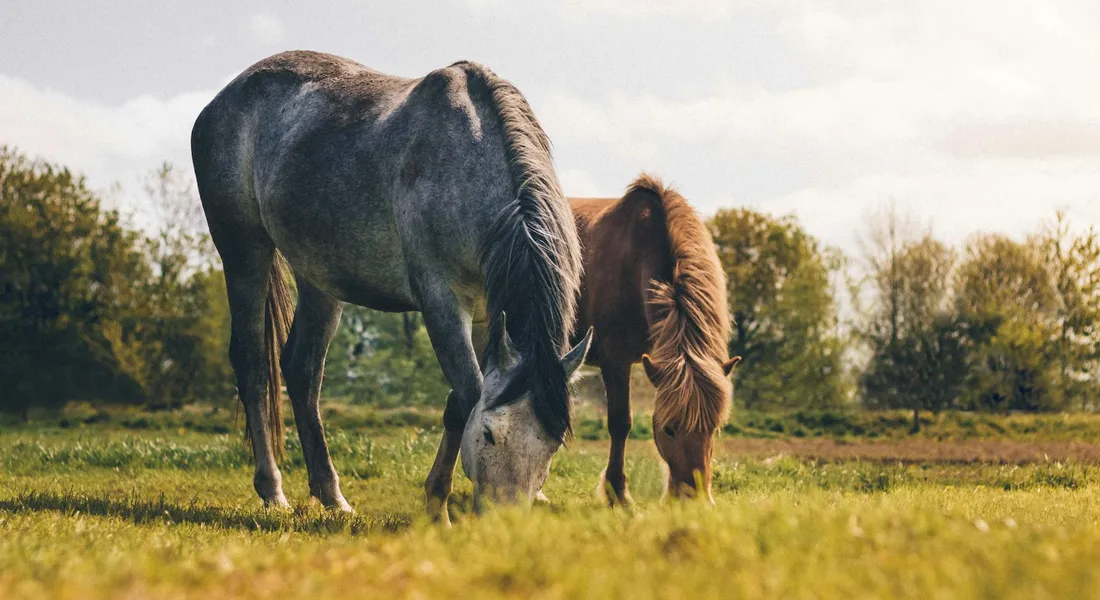
I’ve seen a curious pony nose his way into a feed room and emerge with a bag of cheese puffs. The aftermath wasn’t pretty. Your horse’s digestive system is a finely-tuned fermentation vat, and processed human food is a wrench in the gears. Knowing the signs of trouble is your first line of defense.
Signs of Digestive Distress
Watch for changes that scream “stomach ache.” A horse in discomfort may look at its flank, paw restlessly, or repeatedly lie down and get up. Listen for gut sounds—or a lack thereof. A silent belly is an ominous sign. You might see curling of the upper lip, sweating for no reason, or a complete loss of interest in food. Recognizing these subtle signs of pain early can help you take prompt action.
Colic is the immediate, terrifying concern with symptoms ranging from mild unease to violent rolling, and it requires you to act fast. Recognizing the early warning signs of colic in horses can help you respond quickly and calmly when time matters. Spotting subtle changes in behavior, appetite, and manure can make a critical difference. Laminitis, often triggered by a sugar overload, shows up differently. The horse will adopt a “sawhorse” stance, rocking back onto its heels to relieve pain in the front hooves. Its digital pulse at the pastern will feel like a pounding hammer.
Behavioral Red Flags
Don’t ignore the mind. A normally sweet-tempered horse like Rusty might become irritable or withdrawn. A sensitive soul like Luna could become jittery and hyper-reactive. These shifts often precede physical symptoms.
- Uncharacteristic aggression around food
- Lethargy or depression
- Increased anxiety or spookiness
- Excessive yawning or teeth-grinding
Any sudden change in personality after a suspected snack raid is a clue you must not dismiss.
Emergency Steps: Your Action Plan
If you suspect your horse has eaten something toxic or is showing severe signs, panic helps no one. Follow these steps in order, especially if you believe your horse is experiencing colic.
- Call your veterinarian immediately. Describe exactly what and how much you think they ate. Do not wait to see if they “get better.”
- Remove all food access. Get the horse into a clean, safe stall or small paddock with no hay, grass, or grain. Water is okay unless your vet says otherwise.
- Monitor vital signs. Note heart rate, respiration, gum color, and gut sounds. This information is gold for your vet.
- Follow your vet’s instructions precisely. Do not administer human medications or home remedies unless directed.
Time is tissue in these situations, and your calm, swift response is the best medicine you can provide while waiting for professional help.
Building a Healthy Treat Habit: Principles for Equine Nutrition
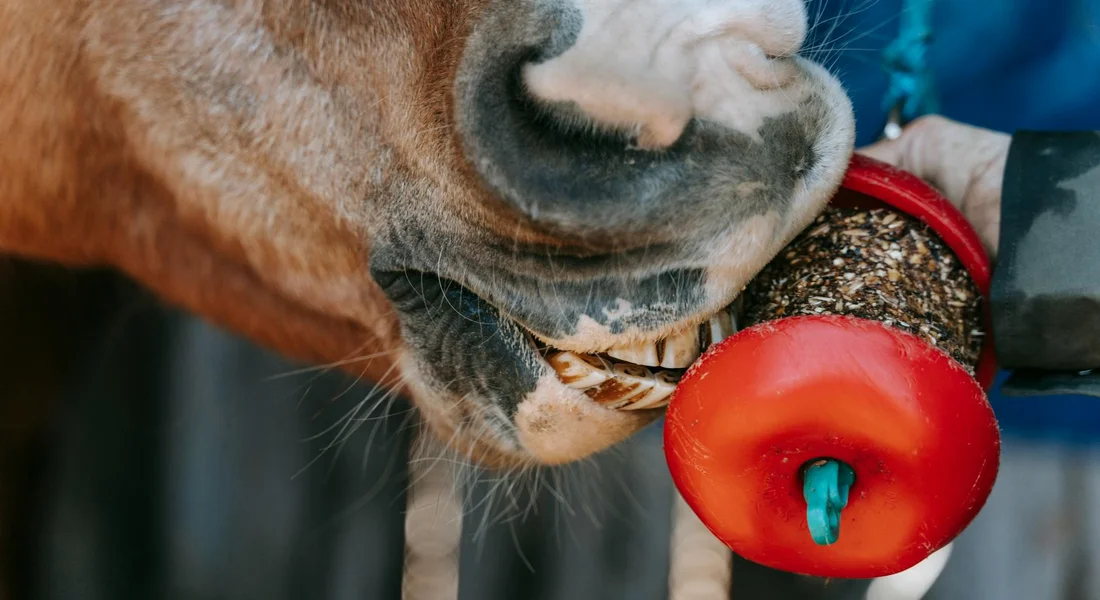
The foundation of a horse’s world is not the saddle, but the forage at its feet. Think of their diet as a pyramid: the broad, sturdy base is long-stem hay or pasture grass, consumed for 16-20 hours a day. Everything else, including treats, is a tiny ornament at the very top. Beyond nutrition, an enriching pasture invites natural grazing and exploration. A well-designed pasture supports the pyramid by engaging the horse mentally and physically.
Forage First, Always
Their gut is designed for a slow, steady trickle of fiber. Good forage maintains stomach pH, prevents ulcers, and satisfies their psychological need to chew. Before you ever reach for a treat bag, ask yourself: has my horse had enough quality turnout and hay today? A horse with constant forage access is less likely to develop vices and is more metabolically stable.
The Art of the Treat
Treats are for bonding and training, not bribing. Use them to reward a specific behavior, like standing quietly for the farrier or loading onto the trailer. Keep them small-a slice of carrot, a single apple chunk. I use Pipin’s food motivation to my advantage, rewarding him for coming when called, which reinforces good manners.
Moderation is the golden rule; a handful of treats per day is the absolute maximum, and some days should be treat-free. This prevents obesity, keeps them from becoming mouthy, and ensures they still work for you, not just the snack.
Seek Professional Guidance
Any major change to your horse’s diet-introducing a new supplement, changing hay type, or managing a metabolic issue-requires a chat with your vet or an equine nutritionist. What works for Luna the Thoroughbred could be disastrous for an easy-keeping pony like Pipin.
- Consult your vet before adding any grains or concentrated feeds.
- Discuss treat options if your horse has insulin resistance (IR) or Cushing’s disease.
- Get a hay analysis to know exactly what your forage provides.
Your veterinarian is your partner in building a diet that supports longevity and performance, not just a crisis manager.
A Simple, Safe Homemade Treat
Skip the processed bags from the feed store. Make your own. My barn favorite is “Hay Pellets Mash.” Soak a cup of plain grass hay pellets in water until they soften. Mix in a few shredded carrot pieces or a diced apple. Serve it in a rubber feed tub. It’s high-fiber, low-sugar, and mimics natural foraging. The horses love it, and you control the ingredients. Healthy horse treats from scratch just make it at home.
This kind of treat reinforces their natural dietary needs while satisfying their craving for something special, a true win-win in gentle horsemanship.
FAQ: Can Horses Eat Human Snacks Like Chips? Processed Food Dangers
What human snacks are safe for horses?
Safe human snacks are limited to whole, unprocessed fruits and vegetables like carrots, apples, and celery. Always wash produce thoroughly and cut it into appropriate sizes to prevent choking. These should be given sparingly as occasional treats, not dietary staples.
Why is salt bad for horses in large quantities?
Large quantities of concentrated salt, like that in chips, disrupt a horse’s precise electrolyte balance, risking dehydration and kidney strain. This imbalance can affect nerve and muscle function, potentially leading to coordination issues. Horses are designed to self-regulate salt intake from a plain salt block, not from processed food bolts.
Can horses have any human food safely?
Yes, but the list is very short and consists only of specific, natural items like carrots, apples, and watermelon in strict moderation. The vast majority of human food, especially anything processed, sugary, or containing artificial ingredients, is unsafe. Even when attempting to feed your horse human food, it should be done sparingly and with caution. The safest practice is to reward your horse with a handful of their own hay cubes or extra grazing time instead.
A Simple Promise to Your Pasture Partner
Our kitchen snacks are a minefield of salt, sugar, and chemicals that a horse’s gut simply isn’t built to handle. When you want to give a treat, always reach for the produce drawer or a bag of horse-approved goodies, not the chip bag on your counter.
The best horsemanship comes from quiet consistency and putting their long-term wellness first. Listen to what your horse needs—not just what they might want—and you’ll always be on the right track, especially when handling a horse safely as a beginner.
Further Reading & Sources
- 15 Foods You Should Never Feed Your Horse
- Can Horses Eat Chocolate? | PetMD
- 9 Foods You Should Never Feed to Your Horse – Gutzbusta USA
- Can Horses Eat Potatoes? The Must-Know Truth for Owners!
At Horse and Hay, we are passionate about providing expert guidance on all aspects of horse care, from nutrition to wellness. Our team of equine specialists and veterinarians offer trusted advice on the best foods, supplements, and practices to keep your horse healthy and thriving. Whether you're a seasoned rider or new to equine care, we provide valuable insights into feeding, grooming, and overall well-being to ensure your horse lives its happiest, healthiest life.
Nutrition