Rescue Horse Adoption: Debunking 8 Common Myths to Find Your Perfect Partner
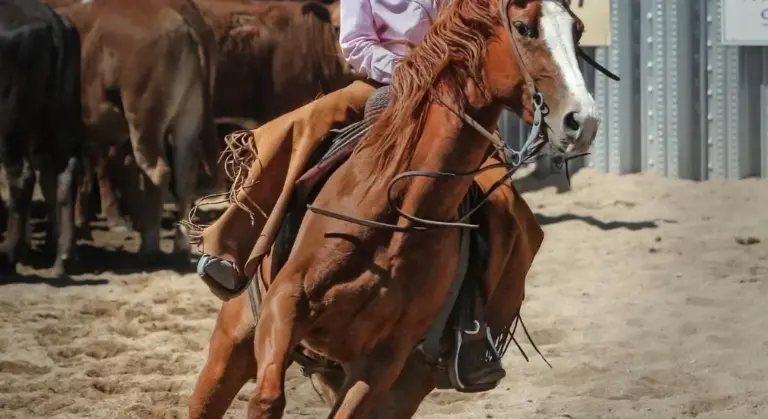
8 myths about adopting rescue horses debunked: costs, temperament, health, training, care, and choosing your next best friend.

Nourishing Horses, Enriching Lives.
Nourishing Horses, Enriching Lives.
Insights into horse behavior, covering body language, training cues, and daily care practices to promote safe handling and welfare.
8 myths about adopting rescue horses debunked: costs, temperament, health, training, care, and choosing your next best friend.

Debunks 8 myths about keeping an intact stallion: safety, handling, housing, breeding, costs, behavior, welfare, daily care.
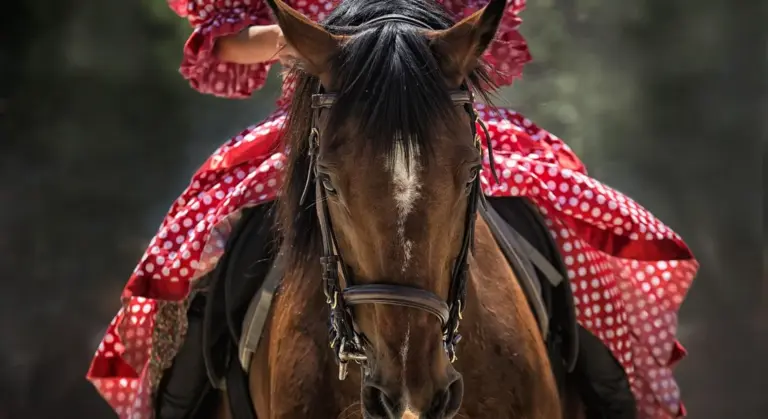
Debunking 9 popular horse training rules that hinder progress - why they fail and practical replacements with steps for riders.

First 60 days with a rescue horse: vet care, rehab, nutrition, handling, groundwork, safety, routines, trust-building, milestones.

Avoid seven beginner horse-training mistakes; ensure timing, consistency, safety, and positive reinforcement to prevent issues.
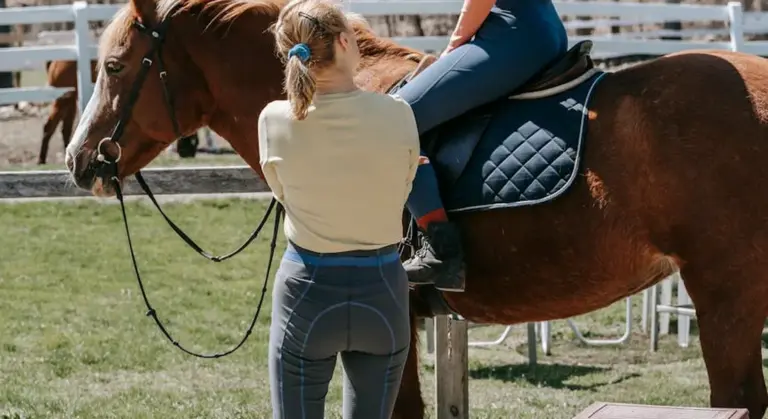
Compare certified instructors vs self-taught for safer, more effective horse care; costs, risks, credential value, training tips.

Gelding vs Stallion as a Pet: Practical guide for non-breeders—temperament, safety, care, training, costs, suitability.
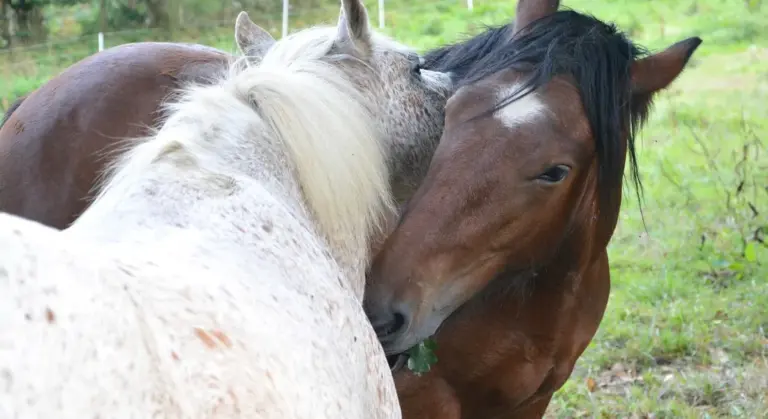
Why horses rub their heads on you? Affection, grooming, signals, safety tips, and practical care for head rubbing in Horse Care.
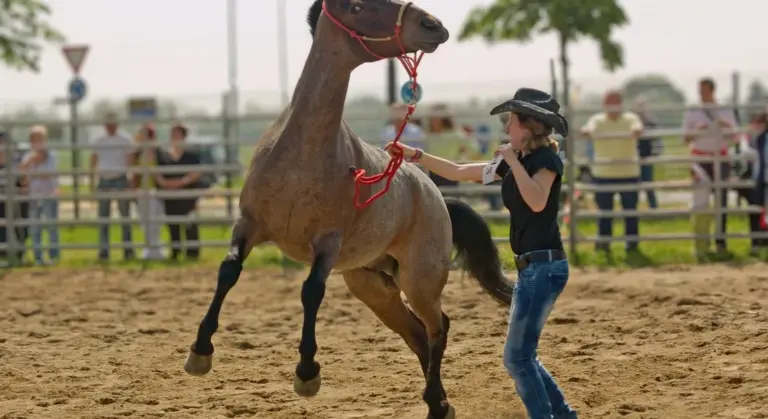
Stop bucking and calm a stressed horse with step-by-step safety groundwork, cues, desensitization, and when to call a pro.

Riders' guide to horse comfort: cues of enjoyment vs stress, humane riding, safe techniques, and welfare basics.