
Clydesdale vs. Shire Horse: Identifying Breeds for Better Care
Published on: July 8, 2026 | Last Updated: July 8, 2026
Written By: Henry Wellington
Hello fellow equestrians. Staring down two towering draft horses and guessing wrong is more than embarrassing-it can set you up for mismatched feeding, footing, and even friendship. I’ve seen the confusion lead to a frustrated rider or a horse not thriving in its job.
Let’s settle this barn debate once and for all. In the coming sections, I’ll walk you through the details that matter most at ground level.
- Spot the physical tells in their legs, heads, and overall silhouette
- Understand their distinct temperaments and what that means for your daily routine
- Compare their traditional roles and how they adapt to pleasure riding today
- Navigate their specific care needs, from feather maintenance to joint health
My advice comes from a decade of barn management and training, where telling a Clydesdale hoof from a Shire hoof became part of the morning feed run.
Physical Face-Off: Size, Build, and Looks
Let’s get straight to the numbers. While both are draft horse titans, their stat sheets tell different stories. Knowing these ranges helps you visualize the space and care each breed truly requires in a barn setting.
| Breed | Height (hands) | Weight (pounds) |
|---|---|---|
| Clydesdale | 16 – 18 | 1,800 – 2,200 |
| Shire | 16.2 – 19 | 1,800 – 2,400+ |
Look beyond the tape measure. The Clydesdale often sports a more athletic, refined build-think a powerful weightlifter with clean lines. This contrasts with the Shire’s heavier, broader frame, which is more like a classic powerlifter, built for raw, sustained pulling strength.
Now, let’s talk about those famous feathered legs. Clydesdale feathering is typically silky and abundant, flowing from the knee and hock. Shire feathering is equally impressive but can be slightly more coarse. Whichever breed you have, consistent grooming of that feathering is non-negotiable to prevent scratches and mud fever.
- Clydesdale Colors: Bay, brown, black, or roan, almost always with bold white face markings (blazes, bald faces) and extensive white stockings on the legs.
- Shire Colors: Black, bay, brown, or gray. Solid colors are more the rule, though some white leg markings are permitted.
Their hooves are dinner plates, but with nuance. Clydesdales tend to have a slightly more rounded hoof, while Shires often have a broader, flatter foot. Regular trimming matters because hooves grow quickly and can become uneven or painful if left long. Keeping them trimmed supports balance and sound movement. This makes a skilled farrier your best friend, as proper trimming is the bedrock of soundness for any draft horse.
Clydesdale Conformation
You can spot a “Clydie” by its elegant arch of a neck and nicely sloping shoulders, which contribute to that famous, floating high-stepping action. I’ve watched our lesson Clydesdale, Ben, move with a rhythmic click-clack that turns heads every time he marches down the aisle. The classic look includes a wide forehead and those signature white markings, giving them a very expressive face.
Shire Horse Structure
The Shire is the epitome of immense bone and substance. They have a straighter profile, a deeper chest, and a back built like a sturdy oak beam. Where the Clydesdale shows flash, the Shire embodies sheer, steady power in every line of its body. You’ll more often see them in solid, dark colors, which only amplifies their majestic and imposing presence in the field.
Roots and Roles: A Tale of Two Histories
Their pasts shaped their personalities. The Clydesdale hails from the Clyde Valley in Scotland, bred for farm work and hauling heavy loads through city streets. The Shire’s story begins in the English countryside, descended from the great medieval war horses. These origins trace back to distinct horse breeds, shaping their size, strength, and temperament. A look at origin horse breeds helps explain these contrasts.
Historically, both pulled plows and hauled canal barges, but the Shire’s size made it a favorite for heavy brewery drays-a legacy that continues today. That history of daily, demanding partnership forged the generally calm and willing temperaments both breeds are known for now.
The Clydesdale’s Journey
Developed in the 18th century, these horses were the tractors of their time in Scotland, selected for strength, stamina, and a lively, agile step to navigate rough terrain. This selective breeding for active farm work is why many modern Clydesdales retain that energetic, “showy” movement even at a walk.
The Shire’s Legacy
This breed evolved from England’s Old English Black Horse, carrying knights and later, literally pulling the weight of agriculture and industry. Their evolution as a war horse and then a draft powerhouse required a stoic, unflappable mind, which is a trait I deeply appreciate when introducing new riders to gentle giants like my friend’s Shire, Atlas.
Gentle Giants: Comparing Temperament and Disposition
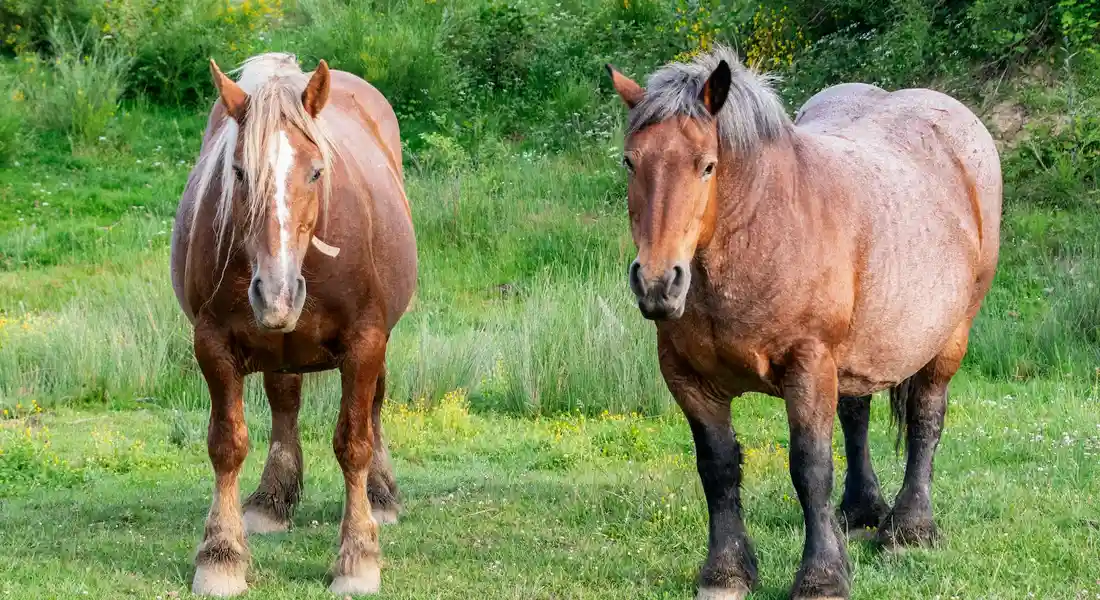
Both the Clydesdale and the Shire share a well-earned reputation as gentle giants. Their default setting is calm, willing, and profoundly reliable. You can trust them to stand quietly while you fumble with a blanket clip or not to spook at the delivery truck’s backfire. This inherent steadiness is the bedrock of their historic partnership with humans, whether pulling a brewery wagon or patiently teaching a child to lead.
But just like people, their personalities have subtle shades. Clydesdales are often described as more agile and alert. There’s a lively sparkle in their eye. A Clyde might be the first to notice a change in the barn aisle or express a curious opinion about a new feed tub. Shires, in contrast, are renowned for a supreme, almost legendary placidity. They embody a deep, unflappable patience, as solid and immovable as an oak tree.
I remember handling a friend’s Clydesdale gelding, who would watch my every move with intelligent curiosity, while the Shire mare in the next stall would simply sigh and rest a hind leg, her gaze soft and accepting. Working with drafts teaches you that “calm” isn’t passive; it’s a conscious, powerful choice these horses make to cooperate.
This makes consistent, gentle handling from the ground up non-negotiable. Their size means you must establish respectful boundaries early, not through force, but through clear, patient communication. You earn their trust, you never demand it.
Working with a Clydesdale’s Mind
That Clydesdale alertness is a sign of their intelligence and sensitivity. They respond poorly to harshness or inconsistency. You must be a confident, kind leader. Think of it like working with my Thoroughbred, Luna-you need soft hands and a softer voice, but with about 1,500 extra pounds of leverage. A confused or offended Clydesdale isn’t being stubborn; they’re waiting for you to make your request make sense. Engage their brain with positive reinforcement, and you’ll have an incredibly versatile partner.
Understanding Shire Horse Demeanor
The Shire demeanor is a gift to novice handlers and seasoned pros alike. Their steady nature means they are less likely to react to sudden movements or surprises. This isn’t dullness; it’s a profound tolerance. This breed’s legendary patience makes them ideal for therapeutic programs or for the rider who values unshakable confidence over fiery athleticism. They forgive mistakes with a quiet grace that can bolster a handler’s confidence tremendously.
Daily Care and Maintenance: Beyond the Size
The core principles of equine care are the same for a Shetland or a Shire-quality feed, clean water, preventative health. The main difference with these drafts is sheer volume. Everything is bigger: the hay pile, the hoof pick, the water bucket, and the potential for mess. Committing to a draft horse means committing to the logistics of their magnificent scale, from a stronger wheelbarrow to a farrier with experience in dinner-plate-sized hooves. You may also wonder: are draft horses all the same, or are there other types within the draft family? Understanding those nuances helps when planning equipment and care practices.
Feeding These Heavyweights
Their dietary needs are massive but must be meticulously managed to prevent obesity and metabolic issues. The foundation is always high-quality roughage.
- Roughage: A 1,800-2,000 lb draft can easily consume 30-40 pounds of hay daily. This must be spread out via slow-feed nets to mimic natural grazing and prevent boredom.
- Concentrates: Grain or pellets are often needed for work, but amounts are carefully measured. A “cup” is not a unit of measure here-think in pounds, balanced for their workload.
- Key Practice: I always soak hay for any horse prone to dust inhalation, but for drafts, it’s critical to manage respiratory health and reduce sugar content. You must monitor their weight weekly with a tape and feel for ribs; preventing founder is a constant, active duty.
Grooming Regiment for Feather and Coat
That beautiful feathering is a magnet for mud, moisture, and bacteria. A strict grooming routine prevents painful skin conditions like scratches.
- Daily: A thorough brush-down to remove dirt and, most importantly, run your hands down every leg to check for hidden cuts, heat, or swelling under the hair.
- Weekly: A detailed wash of the feathering with a gentle equine shampoo. The non-negotiable step? Complete, absolute drying with towels and even a cooler to prevent dank, fungal-friendly conditions.
- As Needed: Trimming the feathering shorter for hygiene is wise if they live in persistently wet or muddy conditions. It’s not about looks; it’s about health.
Hoof and Farrier Fundamentals
Their hooves are large, flat, and require an expert farrier. A poorly balanced trim on a horse this size can quickly cause lameness. You will learn to pick feet with authority, clearing every crevice of the wide frog to prevent thrush, which thrives in dark, damp feathered feet. The frog is a key part of hoof health; it cushions and helps regulate moisture, supporting overall soundness. Dry turnout is a huge asset for hoof health. Listen for the satisfying *thud* of a clean, well-trimmed hoof hitting solid ground-it’s the sound of preventative care done right.
Training and Handling: Guiding the Power
Guiding a draft horse requires a blend of firm clarity and gentle patience. Start with positive groundwork from a young age to build mutual respect, which is your best safety gear when dealing with such power. I remember introducing Luna to a flapping tarp; slow, treat-based sessions taught her to trust my lead more than her flight instinct.
Adapt your training timeline to their physical scale. These horses develop massive strength quickly, but their mental maturity often lags, so patience isn’t a virtue-it’s a requirement. Break every new skill into chewable pieces, celebrating small wins.
- Begin with halter pressure-and-release drills in a safe, enclosed space.
- Introduce brushing and hoof handling early to make vet and farrier visits stress-free.
- Practice leading with a focus on stopping and turning before adding any weight or harness.
Basic desensitization is non-negotiable. Systematically expose them to the sounds and feels of harnesses, saddle pads, and driving lines until the jingle of hardware becomes boring. The goal is for the thud of their own hooves to be the most exciting sound on a ride.
Foundations for a Clydesdale
Don’t let the feathers fool you; a Clydesdale is often a versatile athlete. Their surprising agility makes them suitable for dressage, trail obstacles, and even light jumping, not just hitch work. I’ve seen one master a side-pass in a clinic with the finesse of a much smaller horse. If you’re considering them for riding, make sure to understand their specific needs and considerations.
Starting a Shire Horse
Shires possess a calm, thoughtful intelligence. Their steady learning curve makes them brilliant for disciplined weight-pulling or becoming a unflappable partner on long, gentle trail rides. They may ponder a new cue longer, but once it’s learned, it’s cemented for good.
The True Cost of Ownership: Initial and Ongoing
Your initial purchase price is merely the entry fee. True budgeting means planning for the relentless drumbeat of monthly costs that come with 2000 pounds of living, breathing horse. Feed, farrier, vet, and bedding form the core of this financial picture.
Compare breeds with your eyes open. Shires, being rarer, often have a higher upfront cost, but both Clydesdales and Shires will consume a similarly substantial budget year after year. The bigger the body, the bigger the bills.
Employ smart stable hacks to ease the strain. Buy hay direct from a local farmer by the ton, and use a deep-litter bedding system to reduce waste and keep your horse on drier, healthier footing. A well-ventilated hayloft saves more than money; it saves that sweet smell of fresh forage from turning musty.
Budgeting for Feed and Healthcare
Here is a realistic monthly snapshot for caring for a 2000-pound draft horse. These figures are grounded in my years of barn management and will help you avoid sticker shock. Always prioritize quality forage and preventive care to avoid larger vet bills later.
| Expense Category | Estimated Monthly Cost |
|---|---|
| Premium Hay (30+ lbs/day) | $225 – $350 |
| Concentrate/Grain Supplement | $60 – $120 |
| Bedding (Shavings or Straw) | $100 – $175 |
| Farrier (Trimming every 8 weeks) | $90 – $150 |
| Routine Veterinary & Dental | $70 – $125 |
| Tack Maintenance & Replacements | $30 – $75 |
| Total Monthly Estimate | $575 – $995 |
Your tack is not where to cut corners. Invest in a quality, extra-wide saddle and harness; ill-fitting tack causes immediate discomfort and long-term back problems. I learned this through Pipin’s stubborn refusal to move until his girth was adjusted-a small creature teaching a big lesson about pressure.
Choosing Your Companion: Which Breed Suits You?

Deciding between a Clydesdale and a Shire isn’t just about preference; it’s a practical match of horse to lifestyle. I’ve spent years matching horses to riders, and the key is always honesty about your daily routine. Your experience level, the physical setup of your farm, and your goals for partnership are the three pillars of this choice. Think about it like this: my thoroughbred, Luna, needs a specific kind of rider, and these gentle giants need a specific kind of home.
Before you fall for the feathery feet, run through this real-world checklist. Your bank account and your back will thank you.
- Acreage for Turnout: Both breeds need room to move. A single draft horse should have at least two acres of sturdy, well-fenced pasture. They are powerful animals who can become stiff or anxious without daily, free-moving exercise.
- Budget for Feed: Their size means their appetite is monumental. You’ll be buying hay by the ton, not the bale. Expect to provide 1.5-2% of their body weight in quality forage daily, plus any necessary supplements-this is a significant, non-negotiable cost.
- Storage for Large Tack: Forget standard-sized gear. You’ll need custom or extra-wide saddles, harnesses, and bridles. My gelding Rusty’s saddle blanket wouldn’t cover half their backs. Do you have the space and budget for this specialty equipment?
Most importantly, these are herd animals through and through. Isolating a draft horse in a stall for most of the day is a fast track to physical and mental distress; they thrive on social turnout and the simple pleasure of grazing. I’ve seen the difference it makes when Pipin, our pony, has his friends-imagine that need multiplied by a thousand pounds.
Ideal Home for a Clydesdale
The Clydesdale is often the showman of the draft world, with a lively sparkle in its eye. They possess a willing energy that craves a job. This breed shines in an active home where they can use their intelligence and strength in a focused way. From my time working with driving teams, I’ve found they truly come alive with purpose. The creak of leather harness and the thud of their steady hooves on a trail is where they’re happiest.
- Recreational Driving: They are natural pullers and often excel in cart or wagon work, providing a thrilling yet steady driving experience.
- Light Farm Work: They can be wonderful partners for logging, harrowing, or other farm tasks, blending power with a generally agreeable nature.
- Show Ring: Their flashy movement and striking appearance make them a favorite for halter and driving exhibitions, but this requires dedicated training and grooming time.
Ideal Home for a Shire Horse
The Shire horse is often the more placid, contemplative giant. Their temperament tends to be profoundly steady, making them a bedrock of calm. If you seek a gentle soul for patient, steady work, the Shire’s deep kindness is unparalleled. I recall a therapy program that used a Shire mare; her sheer, quiet presence could ease human anxiety in a way smaller, flightier horses could not.
- Therapeutic Settings: Their immense size is balanced by a preternatural patience, making them excellent candidates for equine-assisted learning or therapeutic riding programs.
- Gentle Riding: For a confident beginner or a rider seeking a smooth, unhurried trail experience, a well-trained Shire can be a mountain of reassurance. Their stride is a ground-covering cruise.
- Calm Pasture Mate: They often serve as wonderful “anchors” in a mixed herd, their demeanor having a settling effect on more high-strung horses, much like a wise elder.
FAQ: Clydesdale Horse vs. Shire Horse
Is there a significant difference in weight between Clydesdales and Shires, and why does it matter for care?
Shires typically have a higher maximum weight, often exceeding 2,400 pounds compared to the Clydesdale’s 2,200-pound range. This greater mass directly impacts their nutritional needs and joint stress. You must monitor their body condition score meticulously and provide stronger, more supportive footing to prevent strain.
What generally influences the purchase price difference between a Clydesdale and a Shire horse?
Shires are often rarer, which can command a higher initial price due to limited availability. Pricing for both breeds is heavily influenced by age, training, pedigree, and show record. Always budget far beyond the purchase price for their substantial ongoing feed, farrier, and healthcare costs.
What is a common point of discussion about these breeds in online communities like Reddit?
Online forums frequently highlight the Shire’s legendary calm demeanor versus the Clydesdale’s noted “alert” and sometimes more spirited nature. Many experienced owners debate the best management practices for their extensive feathering to prevent skin issues. Discussions often stress the critical importance of finding a farrier specifically skilled with draft horse hooves.
Choosing Your Gentle Giant
Your decision between a Clydesdale and a Shire hinges on your daily reality at the barn. For a first-time draft owner or a facility with tighter space, the Shire’s consistently calm demeanor often makes for a smoother transition. Always prioritize a pre-purchase vet exam focused on draft-specific health points, regardless of the feathering that catches your eye.
Spend time with the individual horse, beyond just admiring its stature. Your partnership will be built on patience and the quiet moments of care, so choose the one that speaks to your routine and your heart. In time, this steady, respectful approach helps you build a strong bond and trust your horse.
Further Reading & Sources
- Clydesdale Vs Shire (7 Key Differences and Similarities)
- Shire vs. Clydesdale Horse Breeds: What’s the Difference? – Wild Jolie
- Shire Horse VS The Clydesdale: How Can You Tell Which Is Which? – A-Z Animals
- r/Horses on Reddit: Shire horse riding and experiences
At Horse and Hay, we are passionate about providing expert guidance on all aspects of horse care, from nutrition to wellness. Our team of equine specialists and veterinarians offer trusted advice on the best foods, supplements, and practices to keep your horse healthy and thriving. Whether you're a seasoned rider or new to equine care, we provide valuable insights into feeding, grooming, and overall well-being to ensure your horse lives its happiest, healthiest life.
Choosing the Right Breed