
Managing Horse Anxiety: A Grounded Guide to Calming Skittish Behavior
Hello from the barn aisle. If you’ve ever felt that familiar lurch in your stomach when your horse plants its feet, eyes wide at a harmless trash can, you know how isolating and scary it can be. That sudden spook isn’t just a nuisance; it’s a genuine safety risk for both of you and a sign your horse is genuinely afraid.
Let’s talk straight about fixing it. I’ll share what I’ve learned from years in the saddle and at the stall door, covering the most common, surprising fear triggers, progressive desensitization drills that actually work, and how daily management-especially generous turnout-builds a calmer mind.
My advice comes from mud-on-the-boots experience, working with everything from flighty thoroughbreds to clever ponies who teach me something new every day.
How a Horse’s Brain is Wired for Fear
The Flight Response: It’s Not Being Naughty
Horses are prey animals. Their brains prioritize survival over obedience. Think of their fear response like a smoke alarm wired directly to their legs. It goes off at the slightest wisp of perceived smoke, triggering a bolt before logic kicks in. This instinct isn’t disobedience; it’s a millions-years-old program screaming “run now, ask questions later.” I’ve seen it with my own gelding, Rusty. One windy day, a plastic bag snagged on the fence line. His head shot up, his body coiled, and he was off in a heartbeat. He wasn’t being bad. His ancient wiring just classified that crinkly white thing as a mountain lion. Understanding the psychology behind these reactions is crucial when working with horses, as detailed in Understanding Horse Behavior and Psychology: A Complete Guide.
Common Anxiety Triggers in the Modern Barn
Our barns are full of oddities that a horse’s primal brain finds deeply suspicious. These triggers usually fall into three categories. Watch how different personalities react; my clever pony Pipin will often stare down a novel object, while my sensitive thoroughbred Luna will startle at a sound.
- Visual Fears: Flapping tarps, balloons, new jump standards, shadows moving across the arena, wheelbarrows left in a new spot.
- Sound Fears: The buzz of clippers, the hiss of a spray bottle, the crinkle of paper, rumbling trucks, sudden laughter or shouts.
- Tactile Fears: The feel of a trailer ramp underfoot, the sensation of a new grooming brush, windy pressure on their coat, cold water from a hose.
Recognizing the category helps you choose your approach: desensitize slowly to visuals, pair sounds with treats, and introduce new feels with patient pressure-and-release.
Reading Your Horse’s Silent Panic Signals
Eyes, Ears, and Tail: The Body Language of Worry
Horses shout their anxiety with their bodies long before they explode into motion. Learning this language is your first line of defense. Look for the tightness in their jaw, the set of their ears, and the story their eyes tell. You can tell when your horse is happy by learning these body-language cues. Catching these early signs lets you intervene before their fear escalates into a dangerous reaction. Use this table as your quick-reference guide.
| Calm Signal | Anxious Signal |
|---|---|
| Soft, droopy eyes with minimal white showing | Wide eyes with a pronounced ring of white (whale eye) |
| Ears relaxed and freely swiveling toward sounds | Ears pinned flat back or rigidly flicking at high speed |
| Tail hanging loose or swaying gently at the walk | Tail clamped tightly down or held high and stiff like a flag |
| Lower lip loose, jaw relaxed, maybe chewing softly | Tense muzzle, clenched teeth, tight cords in the neck |
When Anxiety Turns to Panic: Recognizing the Point of No Return
Anxiety has a slippery slope. It moves from a worried snort to a tense sidestep, then a spin, and finally a blind bolt. The critical safety moment is when you see that “lock on” stare-their mind has left the building, and they are purely in flight mode. That is when you must immediately stop asking for anything and focus on handler safety. Here is my step-by-step protocol for those moments.
- Freeze your own body. Take a sharp, audible breath out to calm your nerves.
- Instantly release all pressure on the lead rope or reins. Create slack.
- If you can safely turn their head away from the trigger, do so gently. This can disrupt the fear focus.
- Step diagonally back, out of the direct kick zone near their hindquarters.
- Wait. Let the adrenaline surge pass. Watch for a softer eye, a lick, or a sigh before you re-engage.
Your goal is not to control the panic but to safely wait it out, preventing injury to both of you so you can try again another day with more patience.
Your Instant Calm-Down Toolkit for a Spooked Horse

The First Five Minutes: What to Do (and Not Do)
When your horse’s eyes go white and their breath comes in snorts, your reaction sets the tone. I learned this the hard way with my sensitive Thoroughbred, Luna. Here is your action plan, a sequence I use in my own barn.
- Breathe and soften your own body. Horses mirror our tension. Consciously drop your shoulders, unclench your jaw, and take a deep, slow breath. Your calmness is contagious.
- Use a steady, low voice. Skip high-pitched, frantic soothing. A monotonous, gentle hum or talking about your boring day works better. It’s a steady drumbeat under their panic.
- Redirect attention with simple groundwork. Ask for a basic yield of the hindquarters or a single step back. This gives their brain a job and pulls focus from the scare. It’s a reset button.
- Avoid punishment. Shouting or jerking the lead rope confirms their fear was valid. You become part of the scary event, not their safe harbor.
Last spring, a plastic bag caught the wind and sent Luna into a spinning frenzy. Instead of fighting her, I led her to a quiet corner, did three simple hindquarter yields, and started currying her favorite spot. Within minutes, her chewing replaced her puffing. Redirecting panic into a familiar, positive routine can turn a meltdown into a bonding moment.
Stable Hacks to Soothe a Nervous Horse
Long-term calm starts at home. Think of your barn as an anxiety-reducing spa. These tweaks make a world of difference.
- Strategic Stall Placement: House a nervous horse in a stall that avoids direct lines of sight to high-traffic areas like the main door or feed room. A corner stall can feel more secure.
- Calm Pasture Buddies: Herd dynamics are everything. Pair your anxious horse with a steady, unflappable companion. My old Quarter Horse, Rusty, has talked many a new boarder off the ledge.
- Consistent Feeding Routine: Feed at the same times every day. A predictable schedule reduces underlying stress about when the next meal is coming.
- Leave a Radio On: A talk radio station left on low volume in the barn aisle can habituate horses to a variety of human-like noises, masking sudden, startling sounds.
Nothing replaces the profound peace of a horse moving freely on good grass. Maximum turnout is the ultimate anxiety reducer. It allows for natural movement, social interaction, and a mind busy with grazing, not inventing monsters.
The Gentle Art of Desensitization: Building Brave
Habituation vs. Flooding: Why Slow Wins the Race
Let’s define our terms. Habituation is the gradual process where a horse learns a neutral stimulus, like a tarp, is not a threat. You introduce it slowly, rewarding calm behavior. Flooding is the opposite-forcing intense exposure until the horse stops reacting, often out of sheer exhaustion or helplessness.
Flooding might look faster, but it shatters trust. Effective exposure therapy is a slow, controlled conversation. Think of it like learning to swim: you start by sitting on the steps, playing with the water, not by being thrown into the deep end. The goal is confidence, not compliance born of fear.

A Step-by-Step Plan for Scary Objects (Tarps, Bags, Spray)
This method works for plastic bags, raincoats, spray bottles, or anything that triggers a side-eye. Have high-value treats ready. This is Pipin the pony’s favorite game.
- Place the scary object (e.g., a folded tarp) on the ground far across the arena or paddock.
- Stand with your horse at a distance where they notice it but remain calm. Reward this calmness with a treat or a soft scratch.
- Over several sessions, slowly decrease the distance between your horse and the stationary object, always pausing and rewarding relaxed behavior.
- When you can stand next to the object, let your horse lower their head to sniff it. Do not pull them forward. The horse must be allowed to initiate this investigation with their nose to satisfy their curiosity and confirm safety.
- Once they sniff calmly, gently touch them with the object, starting on the shoulder or neck, far from the more sensitive head and legs.
- Finally, introduce gentle movement. Slowly drag the tarp a foot away, or rustle the bag softly, immediately rewarding any brave stillness.
Sound Desensitization for Noises Like Clippers and Trailers
Auditory fears require a separate protocol because the scary thing is invisible. The key is pairing the sound with something wonderful.
For clippers, start with them unplugged. Let your horse see and touch them. If you’re introducing horse clippers for the first time, keep the initial exposure brief and calm to build trust. This careful first introduction makes later steps smoother and more cooperative. Then, plug them in but keep them off while you offer treats. Next, turn them on in another room, feeding treats as the distant buzz happens. Gradually bring the running clippers closer over days.
Pair every new, scary sound with a high-value treat the moment the noise occurs, creating a positive association. For trailer anxiety, break it down. Practice walking up and down a ramp on the ground. Swing the trailer doors and bang the butt chain loudly while your horse stands comfortably at a distance, munching hay. Separate the noise and the confined space from the actual loading process. This method is similar to desensitizing a spooky horse to new objects and sounds.
Groundwork Exercises That Build Lasting Confidence
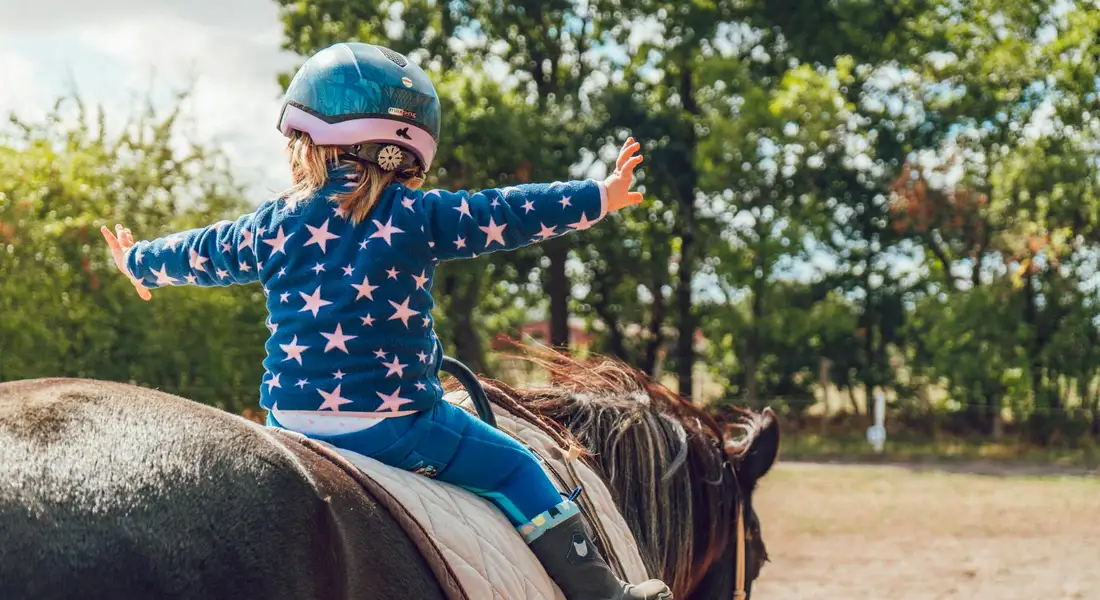
Leading with Trust, Not Force
Guidance: List 3-4 specific leading exercises over, around, and between objects. Emphasize clear communication and patience. Suggest using cones, poles, and ground tarps.
Forget dragging a nervous horse past a scary object. The goal is to walk together as partners. I use simple props like traffic cones, PVC poles, and a blue tarp that once spooked Pipin. The key is soft eye contact and a loose lead rope that communicates, “I’m here, and this is safe.” For beginners, a handle horse safely beginners guide can offer step-by-step basics to start safely and build confidence. It can provide practical cues and safety tips to reference before your first session.
Start with these four confidence-building patterns, keeping sessions to ten minutes to avoid frustration.
- Cone Serpentines: Space five cones in a line. Lead your horse in a smooth “S” pattern around them, using your body to block and guide. This teaches them to watch your shoulder and trust your pathfinding.
- Pole Labyrinth: Create a square or rectangle with four ground poles. Ask your horse to step inside the box, then turn and exit. It’s a puzzle that focuses their mind on their feet, not phantom fears.
- Tarp Touch-and-Go: Lay a plastic tarp flat. Let your horse investigate the crinkly monster with their nose. Then, ask them to walk across it. Reward any forward try. I did this with Luna; the first time her hoof touched it, she leaped sideways, but by the third session, she was stomping on it proudly.
- The Narrow Channel: Place two parallel poles or boards about four feet apart. Lead your horse through this “bridge.” This builds comfort in tight spaces, which is great for trailering practice or busy show environments.
Patience isn’t just waiting; it’s reading the slight hesitation in their breath or the flick of an ear and responding with calm reassurance.
The Power of the “Whoa” and the “Back”
Guidance: Explain how teaching a solid verbal “whoa” and a polite “back” from the ground gives a horse a job during fear, focusing their brain. Provide simple steps to teach these cues.
When a horse spooks, their brain empties like a tipped water bucket. A rock-solid “whoa” and “back” command gives that panicked brain a simple job to do. It shifts them from reaction to listening. Rusty knows these cues so well that a firm “whoa” can halt his sidestep at a puddle.
A clear “whoa” is an anchor, and a polite “back” is a reset button, creating space and composure when anxiety bubbles up.
Teach “Whoa” in three steps:
- Walk alongside your horse. Say “whoa” in a low, steady tone while applying gentle, downward pressure on the lead rope.
- The instant all four feet stop, release the pressure and give a verbal praise. A treat here can work wonders for a food-motived pony like Pipin.
- Repeat until your horse stops from the verbal cue alone, without any rope pressure. Practice from different gaits and locations.
Teach “Back” with clarity:
- Stand facing your horse, a few feet away. Place your flat hand on their chest or use a dressage whip to tap lightly below the chest.
- Say “back” clearly. The moment they shift their weight backward, even an inch, release the pressure and reward.
- Gradually ask for one full step, then two. Ensure they step back straight, not swinging their hindquarters.
Drill these on calm days so they’re automatic on windy, scary days. It turns your voice into a trusted guide.
Managing the Chronically Anxious Equine
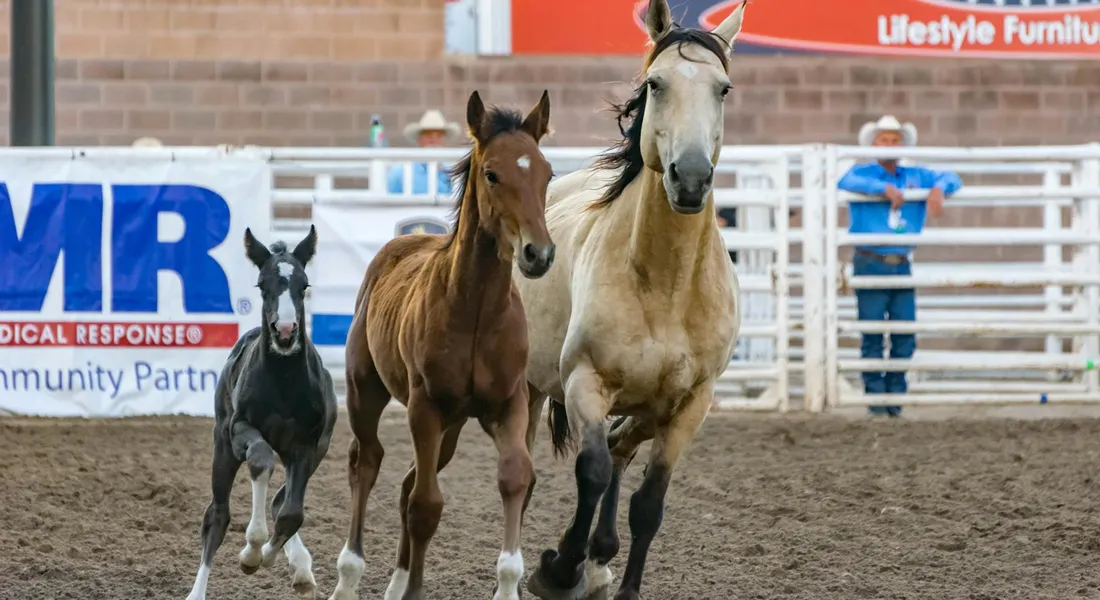
When to Call the Vet: Pain as a Hidden Trigger
Guidance: List physical issues (ulcers, back pain, dental problems) that can manifest as skittishness. Strongly advise a vet check for any sudden behavior change.
Horses are masters at hiding pain. What looks like a spook at a plastic bag might be a sharp stab from a gastric ulcer or a toothache. I learned this the hard way with a mare who became “cinchy”; her sudden grouchiness was a sore back from a poorly fitted saddle.
Any abrupt shift in behavior is your first clue to pick up the phone and call your veterinarian, not just your trainer.
Common physical culprits behind nervous behavior include:
- Gastric Ulcers: The burn of stomach acid can make a horse tense, reactive, and unwilling to eat. Stress and stall confinement are major contributors.
- Back or Saddle Pain: Misaligned vertebrae or pinched muscles scream with every rider’s movement. A horse may flinch, buck, or refuse to pick up a canter.
- Dental Problems: Sharp points on molars or infected teeth cause pain when eating or when a bit presses on the gums. Head-tossing or reluctance to bridle are red flags.
- Hoof Abscesses or Lameness: A subtle limp or sensitivity on hard ground can make a horse apprehensive about moving forward or standing still.
Advocating for your horse means being their detective, looking beyond the behavior to find the physical source of their distress.
Creating a Predictable World: The Role of Routine
Guidance: Discuss how consistency in daily care, handling, and rider cues builds security. Contrast this with the chaos that heightens anxiety. Tie it back to the core principle of gentle, predictable horsemanship.
Think of your horse’s daily life. Inconsistent routines feel like living in a house where the doors keep moving. Chaos breeds anxiety. Predictability builds trust. This is why I’m a zealot about turnout time; the rhythm of grazing in a herd is nature’s ultimate anxiety medication. It’s not just about time outside; it’s about the herd dynamics that play a crucial role in their well-being.
A secure horse knows what to expect: feed at roughly the same times, the same gentle approach in the stall, the same order of brushing before the saddle goes on.
Contrast this with chaotic handling: rushing through grooming and touch, yanking the girth tight, using different leg aids every ride. It tells the horse the world is unpredictable and frightening. Gentle horsemanship is built on the quiet repetition of fair cues and calm responses.
Implement a security-building routine:
- Feed and turn out on a consistent schedule, even on weekends.
- Use the same verbal cues for the same actions every time.
- Handle your horse with deliberate, quiet movements. Avoid sudden grabs or loud corrections.
Your consistency is the steady drumbeat that helps a nervous horse find their own calm. It tells them, ‘With me, you are safe.’ As a calm, assertive leader, you guide your anxious horse toward trust. Your presence reassures them and sets clear boundaries.
FAQ: Common Horse Fears and Skittish Behavior
How should I immediately respond to calm my horse after it has spooked?
First, regulate your own breathing and soften your body to avoid mirroring their tension. Use a steady, low voice to provide a calm auditory anchor and redirect their brain by asking for a simple, familiar groundwork task. Avoid any punishment, as this will only confirm their fear and break trust.
What’s the best way to help a horse that is consistently skittish around a specific object, like a tarp?
Begin by introducing the object at a great distance where your horse notices it but remains calm, rewarding this relaxed behavior. Very gradually decrease the distance over multiple sessions, allowing the horse to voluntarily sniff and investigate the stationary object. Finally, introduce gentle movement of the object only after they are completely comfortable touching it, pairing all new steps with positive reinforcement. This foundation also supports teaching your horse basic ground manners. In the next steps, you’ll see how these skills translate to that essential training.
When should skittish behavior be considered a potential sign of pain or illness?
A sudden or dramatic change in behavior, such as new spookiness or reactivity, is a major red flag to consult your veterinarian. Common physical issues like gastric ulcers, back pain, or dental problems can manifest as heightened anxiety and sensitivity. Always rule out pain with a professional health check before attributing new nervous behavior solely to a training or behavioral issue.
Steady Hearts and Steady Hands
Manage skittish behavior by identifying triggers and using gradual, positive exposure instead of force. Consistency and calm leadership build confidence far faster than any confrontation ever will.
True progress is measured in quiet moments, not quick fixes, so always put safety and kindness first. The most important part of your tack is your ability to listen to what your horse is telling you.
Further Reading & Sources
- Calm Your Horses: How to Deal with a Skittish Horse – Gou Gou Pets
- Anxiety in Horses – Park City Equine – Veterinarian in Park City, UT
- Easily Spooked Horse: Learn How to Calm a Skittish Horse
- Amazon.com : SmartEquine SmartCalm Ultra Paste Calming Horse Supplements | No Added Herbs or Sugar | Equine Supplement | Helpful with Skittish Horses | Pack of 6 Tubes : Pet Supplies
At Horse and Hay, we are passionate about providing expert guidance on all aspects of horse care, from nutrition to wellness. Our team of equine specialists and veterinarians offer trusted advice on the best foods, supplements, and practices to keep your horse healthy and thriving. Whether you're a seasoned rider or new to equine care, we provide valuable insights into feeding, grooming, and overall well-being to ensure your horse lives its happiest, healthiest life.
Behavior