
DIY Horse Fly Spray: Effective, Natural Recipes for a Happy Horse
Published on: April 6, 2026 | Last Updated: April 6, 2026
Written By: Henry Wellington
Hello fellow equestrians. That frantic tail swishing and impatient hoof stomping in your paddock? I know it well-it’s the sound of a horse tormented by flies. These tiny pests do more than annoy; they can lead to skin infections, allergic reactions, and vet visits that strain your wallet.
Crafting your own spray solves this naturally. In this guide, I’ll walk you through my barn-proven approach to selecting gentle, effective ingredients, mixing a balanced recipe that really works, applying it safely for full coverage, and storing your batch to keep it potent.
I’ve spent years in the barn managing horses like my sensitive Thoroughbred, Luna, and I’ve perfected these mixes through patient, trial-and-error care focused on equine comfort.
Why Bother Mixing Your Own Fly Spray?
I learned the hard way with Rusty that not all fly sprays are created equal. After a routine spray-down with a popular commercial brand, my steady Eddy spent the next hour rubbing his neck raw on the fence. His sorrel coat was irritated, and his usual calm demeanor was replaced with frantic itching. Seeing a trusted partner in discomfort over something meant to help him was my wake-up call to explore homemade options. For owners of sensitive souls like Luna or sturdy types like Rusty, mixing your own spray puts you in the driver’s seat.
You control every ingredient that touches your horse’s skin and enters their environment. This is horsemanship in its most practical form: prioritizing comfort and well-being with your own two hands. Homemade sprays cut down on harsh chemicals in your barn aisle and on your pasture, making them a win for your horse and the local ecosystem.
- Pros:
- Cost-effective: Saves money over store-bought bottles.
- Customizable: Tailor scents and strength for your horse’s sensitivity.
- Eco-friendly: Often uses biodegradable, plant-based ingredients.
- Transparent: You know exactly what’s in it, no mystery chemicals.
- Cons:
- Shorter shelf life: Lacks commercial preservatives, so mix in small batches.
- Mixing effort: Requires time to gather and blend ingredients safely.
- Frequent reapplication: Natural formulas may not last as long as heavy-duty chemicals.
Gathering Your Arsenal: Safe and Effective Ingredients
Think of your mixing bucket like a first-aid kit for bug battles. Each component has a specific job, from repelling insects to soothing skin. Selecting quality ingredients is the foundation of a spray that works without causing new problems. Here’s a breakdown of the common players you’ll want on your shelf.
| Ingredient | Primary Role | Key Safety Notes |
|---|---|---|
| Essential Oils (e.g., Citronella, Peppermint) | Bug Repellent | Always dilute heavily; can cause skin irritation or photosensitivity in concentrated form. |
| Apple Cider Vinegar | Carrier & Mild Repellent | Its acidity helps repel flies and balances skin pH; ensure it’s raw and unfiltered for best results. |
| Witch Hazel | Carrier & Skin Soother | A gentle astringent that cools skin and helps blend ingredients; alcohol-free versions are ideal. |
| Liquid Dish Soap (clear) | Emulsifier | A few drops binds oils and water; use a mild, unscented soap to avoid skin dryness. |
Essential Oils: Nature’s Bug Repellents
These concentrated plant extracts are powerful, so respect them. I treat them like I handle Luna: with patience and precise measure. Never apply essential oils directly to your horse’s skin; they must be diluted in a carrier liquid like vinegar or witch hazel. A general safe dilution is about 1% for sensitive skins, which translates to roughly 5-6 drops of essential oil per ounce of carrier. Think of this as part of your tack room kit—alongside essential horse medications and health products. A well-stocked tack room makes safe, informed care easier.
Citronella is the classic barnyard bug chaser, while lemon eucalyptus oil is remarkably effective for buzzing foes. Lavender adds a calming scent and can help soothe existing bites. Always patch test a small area on your horse’s neck and wait 24 hours, especially for high-strung or sensitive animals. I learned this with Pipin; his curiosity about new smells meant a tiny test spot prevented a big reaction when he tried to lick it.
The Supporting Cast: Carriers and Emulsifiers
Your carrier liquid is the base that dilutes the potent oils and carries them onto the coat. Apple cider vinegar is my go-to for its dual repellent and cleansing properties, but its strong smell can be off-putting. Witch hazel is a fantastic alternative for horses with dry or sensitive skin, as it’s gentler and less aromatic. Plain water works in a pinch, but oils and water naturally separate-this is where your emulsifier comes in.
A drop of clear dish soap acts like a peacemaker, allowing the oil and water to mix into a stable solution. For a horse like Rusty who spends hours sweating on the trail, a vinegar-based spray can help cut through grease. For Luna’s finer coat, a witch hazel base might be more comfortable. The key is to shake your spray bottle vigorously before each use, as separation is perfectly normal for DIY mixtures.
From Bottle to Bucket: Step-by-Step Recipes to Try
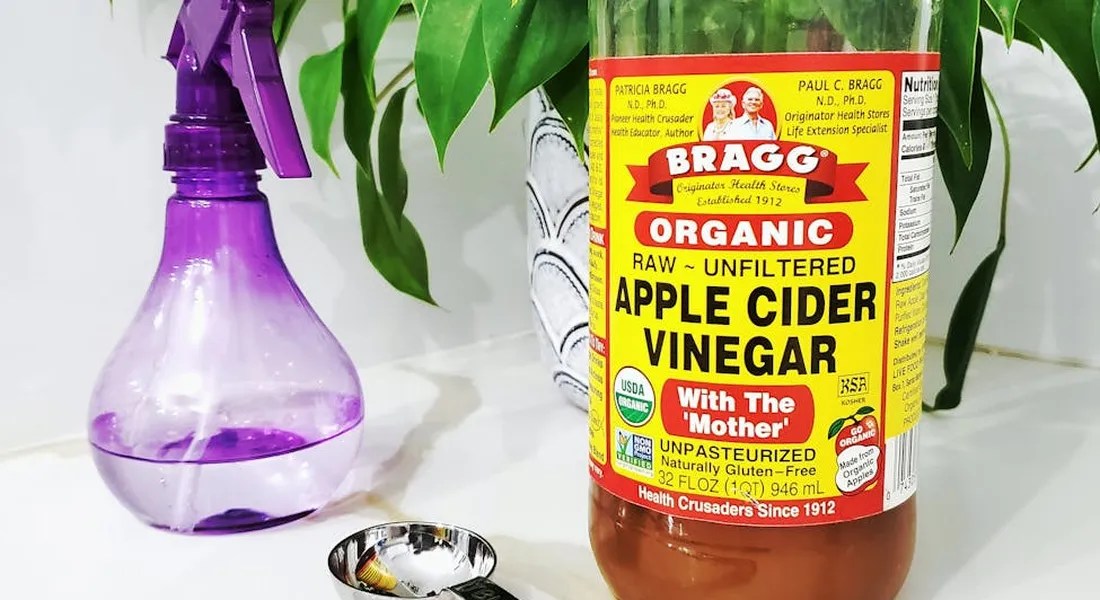
Whipping up your own equine repellent is simpler than teaching Pipin to stay out of the feed room. I keep a few trusted recipes in my barn journal, each tested on my own herd for effectiveness and gentleness on their skin. You can tweak these based on what’s in your cupboard and your horse’s tolerance. These recipes also help keep Pipin from nibbling things he shouldn’t around the barn. More on stopping horses from eating inappropriate items will follow in the next section.
The All-Natural Essential Oil Blend
This recipe relies on plant power to deter pests without synthetic chemicals. Essential oils are potent, so always dilute them properly and conduct a patch test before full-body use. The witch hazel helps the oils mix with water and adds a soothing touch.
- Collect your ingredients: a clean 32-ounce spray bottle, 2 cups of distilled water, 1 cup of witch hazel, 30 drops of lemon eucalyptus oil, 20 drops of citronella oil, and 10 drops of peppermint oil.
- Pour the witch hazel into the empty spray bottle first.
- Add all the essential oils directly to the witch hazel and swirl the bottle gently to combine them.
- Carefully add the distilled water, leaving about an inch of space at the top to allow for shaking.
- Secure the lid tightly and shake the bottle vigorously for a full minute to emulsify the mixture.
- Label the bottle clearly with the date and contents. Store it out of direct sunlight and use within two weeks for maximum potency.
I found that for a high-strung horse like Luna, cutting the peppermint oil in half prevents any skin sensitivity while still keeping flies at bay. Shake the bottle well before every application, as the oils will separate over time.
The Vinegar-Based Workhorse Spray
Apple cider vinegar is a barn staple for a reason-it’s affordable and alters the skin’s pH, making your horse less tasty. Creating a safe, enriching environment for your horse goes hand in hand with care routines like fly control. This simple concoction is remarkably effective against stubborn stable flies that gather on legs and bellies.
- Gather these supplies: a one-gallon container, 2 cups of raw apple cider vinegar, 1 tablespoon of clear, gentle dish soap, and fresh water.
- In the empty container, combine the apple cider vinegar and the dish soap.
- Fill the container nearly to the top with water, leaving room for mixing.
- Seal the lid and shake until the soap is fully dissolved and the liquid looks slightly cloudy.
- Decant into a spray bottle for daily use. This mixture does not require refrigeration and remains stable for up to a month.
If the vinegar aroma is too strong for your liking, stir in 10-15 drops of lemongrass or cedarwood essential oil to mask it without reducing efficacy. The dish soap helps the spray stick to the coat, especially on dusty days.
For extreme bug pressure in swampy or heavily wooded pastures, a permethrin concentrate diluted according to label directions can be a last resort. Always wear nitrile gloves and a mask when handling it, apply it outdoors, and never use it around cats, as it is highly toxic to them.
Application Without Annoyation: How to Spray Your Horse
Applying repellent should not be a battle. A calm routine prevents spooking and ensures the spray protects the areas where flies bite most. I always do this during my grooming session, when the horses are relaxed and tied safely.
- Test a small patch of skin first. Spray a little on the inside of a foreleg and wait a day to check for any adverse reaction, like bumps or hair loss.
- Never spray directly onto the face. I mist the spray onto my hands and carefully wipe it over the forehead, cheeks, and around the ears, keeping it well away from eyes and nostrils.
- Work in a well-ventilated space. The aisle with cross-breeze or the wash rack is ideal; avoid enclosed stalls where fumes can bother your horse’s lungs.
- Lightly mist the coat against the grain, then use a soft brush to distribute the spray evenly. Pay special attention to the belly, legs, chest, and withers.
- Reapply based on your horse’s schedule and the weather. For a horse with full-day turnout, like Rusty, I spray every morning. If a sudden summer shower rolls through, I’ll reapply after he dries off.
Watch your horse’s behavior; Pipin will pin his ears if I spray too close, so I know to keep the bottle farther away and use a slower, quieter pump. Hot, humid days demand more frequent applications, while a cool, breezy afternoon might need just one coat during bath time.
Safety in the Saddle: Precautions for Homemade Sprays
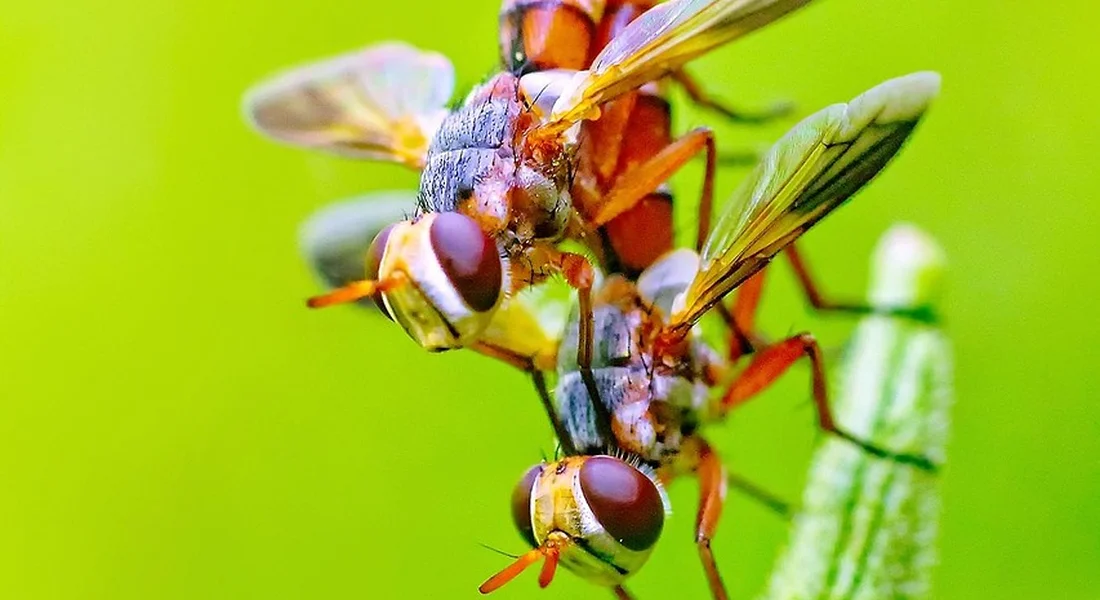
I learned the hard way with Pipin that even natural ingredients can cause a stir. Safety starts with you, the mixer, before a single drop touches your horse. Always work in a well-ventilated space, like the barn aisle with the doors wide open, to avoid breathing in strong essential oil fumes.
Your horse’s skin is more sensitive than you think. An allergic reaction to a new ingredient can turn a simple spray into a vet call, so a patch test is your best friend. Apply a little to a discreet spot, like the inside of the fetlock, and watch for a day.
- Always conduct a 24-hour patch test on a small area to check for irritation or swelling.
- Store your mixtures in a cool, dark place away from direct heat or sunlight to preserve their potency and prevent chemical changes.
- Label every bottle clearly with the date and recipe so you never forget what’s inside that spray bottle by the gate.
- Never apply spray over broken skin, wounds, or near the eyes and muzzle. Stick to the body and legs where the coat is thickest.
Wear gloves when handling concentrated oils like citronella or eucalyptus. Protecting your own skin prevents irritation and keeps the oils from altering your natural scent, which can sometimes confuse your horse. I keep a box of disposable gloves right next to my mixing jugs.
DIY or Buy? Weighing Your Fly Control Options
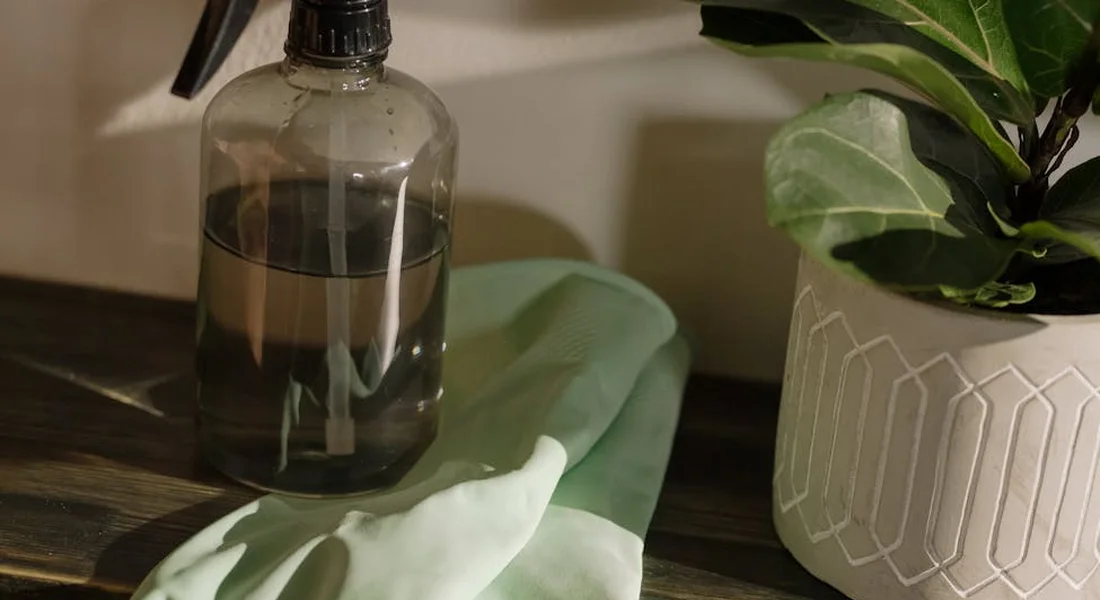
Standing in the tack store aisle, I’ve debated this more than once. The right choice balances your budget, your time, and what your individual horse can tolerate. For my herd, Rusty does fine with most things, but Luna needs a gentler touch.
| Factor | Homemade Spray | Commercial Spray |
|---|---|---|
| Cost | Lower per batch. Uses affordable bases like vinegar, witch hazel, and a few drops of essential oils. | Higher upfront cost. You’re paying for research, branding, and convenience. |
| Effectiveness | Can be very effective but often requires more frequent application, especially after sweat or rain. | Usually formulated for longer-lasting repellency with stabilized ingredients. |
| Ingredients | You have complete control. This is ideal for avoiding specific synthetics or allergens. | Often contains powerful synthetic repellents like permethrin, which some horses may react to. |
| Convenience | Requires time to mix, test, and reapply. Not always a grab-and-go solution. | Maximum convenience. Just shake and spray straight from the bottle. |
For horse welfare, consistency is key. Reliable fly control directly supports longer, happier turnout time by reducing the misery of insect bites. A horse constantly swishing and stomping in the field is stressed, not relaxed, which can sometimes lead to kicking behaviors.
I make my own spray for daily, light use on sensitive Luna. When the flies are brutal or I’m short on time, a trusted commercial product ensures Pipin doesn’t learn new escape routes to find relief. Understanding horse fly types helps tailor control. Different species call for different approaches. Your horse’s comfort in his pasture is the ultimate measure of what works.
FAQ: DIY Horse Fly Spray
Can I use permethrin in a DIY horse fly spray, and how do I do it safely?
Yes, permethrin can be included for severe infestations, but it must be handled with care. Always dilute a commercial permethrin concentrate exactly as directed on the label for equine application. Wear nitrile gloves and a mask during mixing, apply it outdoors, and keep it away from cats due to high toxicity.
Is it safe to use DIY horse fly spray on humans, and what adjustments should I make?
Direct use on humans is not advised without modifying recipes for human skin safety. Opt for lower essential oil concentrations or switch to repellents specifically designed for people, such as those with picaridin. Always conduct a skin patch test with any adapted mixture to prevent allergic reactions or irritation.
How can I make a DIY fly spray for outdoor areas like barns and pastures?
For outdoor spaces, mix a repellent using ingredients like citronella or peppermint oil diluted in water with a bit of dish soap as an emulsifier. Spray it around barn doors, fences, and common resting areas, avoiding direct contact with plants or water troughs. Reapply every few days or after rainfall to ensure continued fly control. This is just one part of a comprehensive summer care strategy to beat the heat and flies.
Fly Control with a Personal Touch
Crafting a DIY spray lets you tailor ingredients to your horse’s needs, focusing on effective, natural oils like peppermint or eucalyptus. Always conduct a patch test on a small area of your horse’s skin before full application to prevent unexpected reactions or discomfort.
Good fly management requires patience and a watchful eye, not just a bottle of spray. The best measure of your recipe’s success is your horse’s own calm demeanor and peaceful days in the pasture. Proper fly management and pest control are essential to achieve this.
Further Reading & Sources
- How to Make DIY Horse Fly Spray | Grand Meadows
- r/Horses on Reddit: Natural fly spray recipe that actually works?
- How To Make Homemade Fly Spray For Your Horse
- What is your favorite recipe for DIY fly spray? – Hunter/Jumper – Chronicle Forums
At Horse and Hay, we are passionate about providing expert guidance on all aspects of horse care, from nutrition to wellness. Our team of equine specialists and veterinarians offer trusted advice on the best foods, supplements, and practices to keep your horse healthy and thriving. Whether you're a seasoned rider or new to equine care, we provide valuable insights into feeding, grooming, and overall well-being to ensure your horse lives its happiest, healthiest life.
Basic Grooming Techniques