
How High and Far Can Horses Jump? Building Ability with Care and Confidence
Hello fellow equestrians, staring at that towering oxer or wide spread can stir up equal parts excitement and worry. You want to know your horse’s limits, not just for competition dreams, but to keep them safe and sound from unnecessary strain.
We’ll tackle that curiosity head-on, moving past simple numbers to the real-world factors that matter in your barn. This article covers the current world records for height and distance, how your horse’s breed, build, and mindset directly impact their scope, and step-by-step training principles that prioritize longevity over ego.
My advice comes from countless hours in the saddle and the stable, learned through managing the care of clever ponies like Pipin and bringing along sensitive athletes like Luna.
The Building Blocks of Equine Jumping
Think of a jump not as one big leap, but as a three-part dance. It starts with the takeoff, where powerful hindquarters coil and push. Then comes the arc, that beautiful moment of suspension where the horse rounds its back over the fence. Finally, the landing, where the forelegs touch down and absorb the shock. Getting this sequence right is less about brute force and more about coordinated rhythm, much like a gymnast sticking a landing.
When we talk about “height,” we mean the clearance between the horse’s belly and the top rail. “Distance” comes into play with spread fences like oxers, where the horse must judge stride length to cover the width. For most of us in the pleasure riding world, we’re focused on safe, clear jumps our horses can handle without strain.
Here’s a realistic look at what different levels typically ask, keeping your horse’s long-term soundness front of mind. When you choose the right horse for your experience level and lifestyle, you set a sustainable path forward. This context naturally leads into the next steps on how to evaluate options and find a good fit.
| Discipline Level | Average Fence Height | Notes for the Pleasure Horse |
|---|---|---|
| Trail & Obstacle Work | 18 inches – 2 feet | Logs, small barrels. Focus is on confidence, not height. |
| Beginner Riding Courses | 2 feet – 2’6″ | A sustainable, fun height for regular schooling. |
| Local Show Jumping | 2’6″ – 3’6″ | Requires dedicated training; not a casual weekend goal for every horse. |
| Professional Grand Prix | 5 feet and beyond | The realm of elite equine athletes with specific conformation and lifetime of conditioning. |
Your horse’s job is to jump cleanly; your job is to never ask for more than what his body and mind are prepared to give that day. I’ve seen plenty of trail horses like Rusty hop a 2-foot log with ease, but asking him for a 3-foot vertical would be unfair and risky.
What Determines Your Horse’s Jumping Potential?
This isn’t just about wanting to jump higher. It’s about understanding the unique puzzle of your horse’s body, mind, and training. Several key pieces fit together to create that picture. In particular, which key muscles drive movement and how they function can illuminate where strength comes from. Understanding their roles helps explain how training translates into performance.
Conformation and Innate Ability
A horse’s build is his blueprint. You can train heart and technique, but you can’t train a different skeleton. Think of the bones, joints, and muscles—the key parts of a horse’s skeletal muscular system—as the framework that shapes movement. Look for these traits when assessing potential or setting goals:
- Hindquarters: Muscular, well-developed hips provide the engine for thrust.
- Shoulder: A sloping shoulder allows for greater front leg reach and a smoother arc.
- Back: A short, strong back acts as a stable bridge for power transfer.
- Legs: Clean, straight legs with solid bone are non-negotiable for absorbing impact.
A horse with uphill balance and a powerful rear end often finds jumping more mechanically efficient than one built downhill. My thoroughbred, Luna, has the scope but also the sensitivity-her mind is as big a factor as her build. For a pleasure horse, a balanced, sound conformation matters more than extreme scope.
The Training and Conditioning Foundation
You wouldn’t run a marathon without training. Don’t ask your horse to jump without it. This is a gradual climb, not a elevator. Rushing this process is the fastest way to a vet bill.
- Develop Balance and Fitness on the Flat. Hours of walk, trot, and canter over poles and circles build the core strength and responsiveness needed for takeoff. A horse that can’t balance on the ground won’t balance in the air.
- Introduce Ground Poles. Set poles in straight lines and circles. Listen to the steady rhythm of hooves. This teaches stride regulation without the pressure of a fence. Pipin, our Shetland, became a pole-course wizard before he ever saw a jump.
- Progress to Small, Inviting Fences. Start with a single cross-rail no higher than 18 inches. Use wings or blocks to create a chute. The goal is a calm, forward hop, not a dramatic leap. The smell of fresh pine chips and the quiet creak of leather should be the memorable sensations, not panic.
Conditioning means building tendons and ligaments slowly, alongside muscle. This requires consistent, low-impact work and ample turnout for natural movement.
The Rider’s Role and Environmental Factors
You are your horse’s pilot and partner. Your balance, timing, and confidence directly filter down through the reins.
- Rider Balance: Stay centered over your feet. If you’re left behind or on the neck, you’re a 150-pound anchor.
- Timing: Give with your hands as the horse reaches the arc. Holding the mouth mid-air is a surefire way to create a rail-knocker.
- Confidence: Horses read tension. A deep breath and a relaxed seat can be more effective than any crop.
Now, look beyond the saddle. The environment plays a huge role in safety:
- Footing: Too deep and it’s like jumping in sand, straining tendons. Too hard and the landing jolts every joint. Aim for a firm, springy base.
- Weather: Slippery ground after rain, or blinding sun, requires adjusted plans. I’ve scratched many a schooling session when the footing felt questionable.
- Fence Construction: Jumps should be lightweight and fall easily. Solid, immovable obstacles are for trail courses, not schooling. Always check that every pole and standard is secure before you approach, every single time.
World Records and Physiological Limits
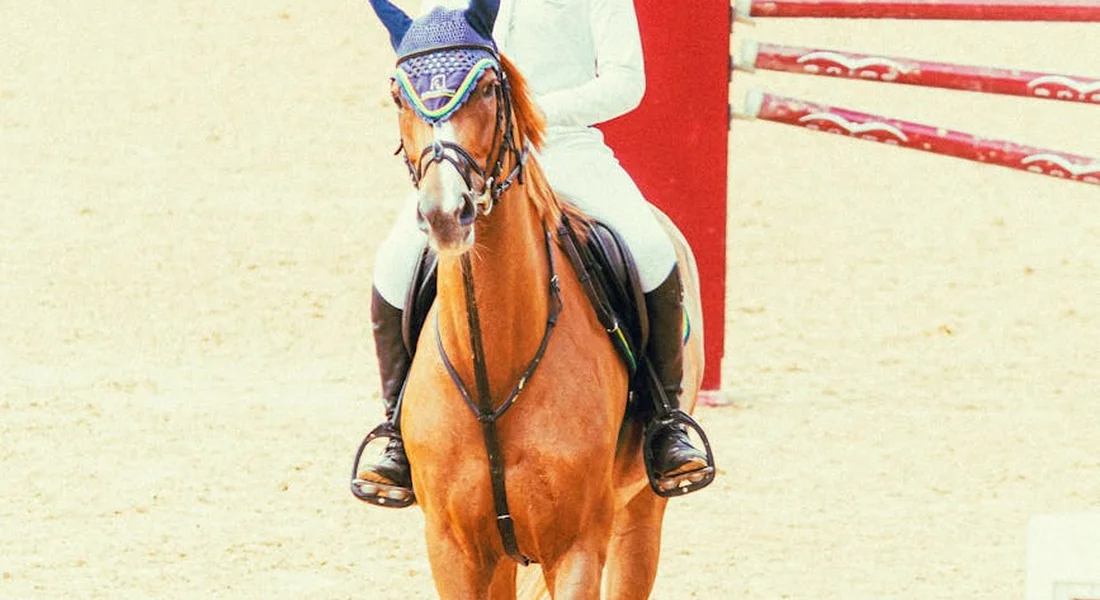
The recorded high jump for a horse is 2.47 meters, set by Huaso in 1949. The long jump record is 8.4 meters, held by Heatherbloom since 1912. These figures are spectacular, but they are historic peaks-not benchmarks for your training program.
Pushing for such extremes places incredible strain on a horse’s body. The concussive force of landing stresses the deep digital flexor tendon, while joints like the fetlock and coffin bone experience massive compression. I remember listening to the heavy thud of hooves after a big jump and feeling the heat in a horse’s legs during a cold hose-down. That physical feedback is a clear sign of the toll maximal effort takes.
Consider the anatomy at work:
- Tendons and ligaments act as springs, storing and releasing energy; overload them and they fray.
- Cartilage in joints cushions impact, but it can wear thin under repeated shock.
- The hoof wall and internal structures absorb vibration, which can lead to bruising or inflammation.
My priority with any horse, from sensitive Luna to steady Rusty, is lifelong soundness. Chasing records risks acute injury and chronic wear, while thoughtful training builds a resilient partner who enjoys his job for years.
Breeds, Disciplines, and Natural Talent
Certain breeds are built for specific jumping sports. Thoroughbreds, like my Luna, often excel in eventing due to their stamina and lean agility. Warmbloods are commonly seen in show jumping for their powerful hindquarters and scope. But pedigree isn’t destiny.
I’ve watched a clever Shetland like Pipin out-jump a taller horse in a pasture game, and I trust Rusty’s Quarter Horse sense over a ditch more than any fancy pedigree. A willing attitude and consistent, gentle training can unlock potential in unexpected packages.
However, physical conformation sets a hard limit. Key factors include:
- A sloping shoulder for smoother bascule over the fence.
- Strong, well-angulated hocks for powerful propulsion.
- A short, strong back to transfer force efficiently.
A horse with straight pasterns or a weak topline will struggle with the repetitive impact, no matter how big his heart. Your job is to match your goals to your horse’s natural architecture, not force a square peg into a round hole. That’s the essence of good horsemanship and equine welfare. Understanding why the pastern matters helps explain why some activities suit certain horses. It also guides safer training and hoof care to protect joints and long-term soundness.
Essential Care for the Jumping Athlete
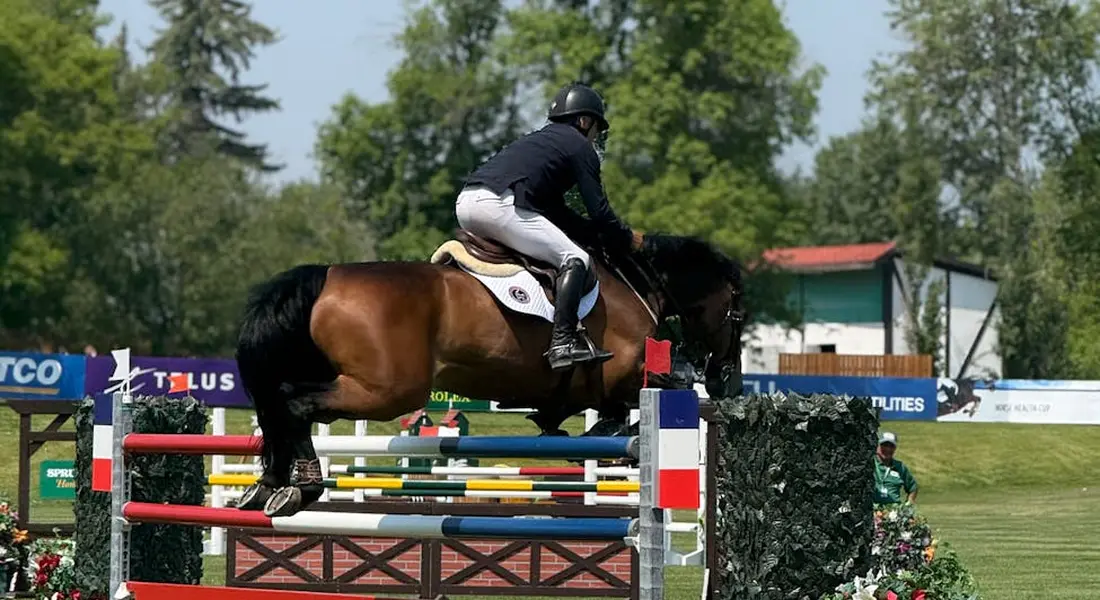
Keeping a jumping horse sound is less about grand gestures and more about daily, thoughtful stewardship. Their job asks for immense physical trust, and our care must honor that contract. This means building routines that support tendons, fuel muscles, and respect the mind. A deeper look into understanding horse behavior psychology provides practical cues for daily care. This complete guide helps interpret signals and build trust with your jumping horse.
Hoof and Tendon Health: The Non-Negotiables
Think of the hoof as the first shock absorber and the tendon as the spring. Both must be in perfect dialogue. A balanced trim from your farrier every five to six weeks isn’t a luxury; it’s what keeps the leg landing straight and forces distributing evenly. I check Luna’s feet every single day, running a hand down her tendons feeling for any hint of heat or filling, a ritual as normal as pouring grain.
The surface your horse trains on matters as much as your saddle fit. Deep, boggy footing strains tendons, while hard ground sends concussive shock right up the leg. Aim for a consistent, well-maintained arena with give. After a jumping school, I always cool down with a long, slow walk on firm, flat ground to help tendons cool down in a stretched position. A proper cooldown after exercise is essential for horses. Keep it gradual and deliberate to support recovery.
Early signs of strain are whispers before they become shouts. A slight puffiness above the fetlock, a shorter stride on one lead, or a new reluctance to stand square. I learned this with Luna; after a spirited session, she was just a hair “off” in her right front. A day of cold hosing and hand-walking prevented what could have been a weeks-long setback.
Nutrition, Recovery, and Turnout
Feed for the work, but never forget the gut. A high-performance engine needs quality fuel, but for most jumpers, that doesn’t mean huge grain meals. I focus on excellent hay, a quality vitamin-mineral balancer, and maybe a scoop of a high-fat feed for cool calories. Electrolytes are key on hot days or after a sweaty workout to replace what’s lost and keep muscles firing correctly.
True recovery happens between sessions. Ample turnout is the best therapist you can provide-it lets muscles stretch naturally, joints lubricate, and the mind unwind from ring work. My rule is that every horse, from Pipin to Luna, gets more hours with the herd than in the stall, no exceptions. A healthy exercise turnout schedule for horses supports this approach by keeping activity balanced with rest. Consistency in turnout hours promotes steady conditioning and mental ease. This movement is what keeps them physically loose and mentally willing.
Your horse will tell you when they need a break. Watch for these signs that it’s time for a hack day or complete rest:
- Stiffness or reluctance to move out freely at the start of work.
- A dull, lackluster coat or a dip in appetite.
- Uncharacteristic irritability or spookiness under saddle.
- Heavy breathing that takes longer than usual to return to normal after exercise.
Listening to Your Horse: When to Push and When to Pause
The line between encouraging a nervous horse and ignoring a sore one is thin. Reading the body language is your most critical skill. A refusal at a fence is rarely “naughty”; it’s a report. When Rusty suddenly balks at a log he’s jumped a hundred times, my first thought is to check his feet and legs, not my crop. If something seems off, you’ll want to know what to do next. I’ll outline how to tell if your horse is lame and what steps to take.
Clear signs of fatigue or discomfort are your cues to pause. Watch for the shoulder dropping on a turn, a consistent late lead change, or a hollow back that won’t soften. If your horse feels like they’re arguing with you instead of partnering with you, that’s your signal to stop and ask why. If fatigue persists or you notice these cues despite a balanced routine, it may indicate your horse is overworked and could benefit from a more balanced exercise plan with proper rest. This can help you reassess workload and ensure any additional exercise supports recovery and conditioning.
Listen for the small stuff. The pinned ear when you girth up, the tail swish on approach, the white eye showing. These are conversations. Pushing through them teaches the horse that their communication doesn’t work. Sometimes the bravest thing you can do is call it a day, loosen the girth, and just go for a graze in the sunshine.
FAQ: How High and Far Can Horses Jump?
What are safe jumping heights for beginner horses and riders?
Beginner-friendly heights typically start at 18 inches to 2 feet (45-60 cm) to prioritize confidence and safety. Incremental increases to 2’6″ (75 cm) should follow only with consistent training and soundness. Always assess your horse’s comfort and readiness before raising fences.
How can I convert common jump heights from feet to meters and centimeters?
Use conversions like 1 foot equaling 0.3048 meters or 30.48 centimeters for precise measurements. For instance, a 3-foot fence is approximately 0.91 meters or 91 centimeters. This helps in comparing standards across different training resources or international disciplines.
What factors modify or limit a horse’s maximum jump height?
Key modifiers include genetics and conformation, such as limb structure and muscle power, which set innate ceilings. Progressive, condition-based training can safely enhance performance within these limits. External aspects like rider balance, footing quality, and overall equine care also critically influence outcomes.
Putting Jumping in Perspective
Set realistic goals based on your horse’s conformation, fitness, and training level, not just ambition. To jump your horse properly, you’ll progress through careful, rhythmic training that emphasizes balance and timing. The highest jumps are built on a foundation of slow, correct flatwork and gymnastic exercises that protect your horse’s body and mind.
In my years of managing barns, the happiest jumpers were those whose riders heeded a tired sigh or a pinned ear. True progress is measured in confidence, not just centimeters cleared.
Further Reading & Sources
- How High Can Horses Jump? (Affecting Factors & Records) – Wild Jolie
- How High Can A Race Horse Jump – Horses Can Jump Up to 8 Feet High and as Far as 23 Feet | Horse Racing Guru
- The Ultimate Guide to Show Jumping – R.J. Classics
- Leaps to Bounds: Understanding the Jumping Capabilities of Horses
At Horse and Hay, we are passionate about providing expert guidance on all aspects of horse care, from nutrition to wellness. Our team of equine specialists and veterinarians offer trusted advice on the best foods, supplements, and practices to keep your horse healthy and thriving. Whether you're a seasoned rider or new to equine care, we provide valuable insights into feeding, grooming, and overall well-being to ensure your horse lives its happiest, healthiest life.
Competing