
How Long Can a Horse Travel in a Trailer? Your Plan for Safe, Stress-Free Hauls
Published on: September 14, 2026 | Last Updated: September 14, 2026
Written By: Henry Wellington
Hello fellow equestrians. That nervous feeling in your gut when you map out a long trip with your horse is something I know well. You’re not just worrying about miles; you’re worrying about a living, breathing friend who depends on you for their comfort and safety in that rolling metal box.
Let’s get you a clear answer and a solid plan. In this guide, I’ll walk you through the real-world factors that determine a safe travel window, so you can haul with confidence. We’re going to cover:
- The golden rule for maximum continuous travel time and why it’s just a starting point
- How your horse’s personality and health directly change the clock
- My pre-trip checklist to sideline stress before you even hitch up
- What to look and listen for during stops to catch discomfort early
I’ve logged thousands of miles as a barn manager and trainer, hauling clever ponies like Pipin and sensitive thoroughbreds like Luna, which taught me that the best journeys are built on preparation and patience.
The Straight Answer: Hours, Distance, and Rest Breaks
Most horses can handle a solid eight-hour haul in a single day, but that’s the ceiling for a reason. I never push past that mark with my own herd. Think of it as a hard deadline, not a goal. For every four to six hours of rolling time, your horse needs a full hour off the trailer. Plan your trip around these rest stops, not the other way around, because a rushed schedule is the fastest route to a stressed horse. Know your limits — how far can a horse travel in a single day is an important consideration.
Distance is just hours multiplied by speed. At 60 miles per hour, six hours is 360 miles. Simple math, but the reality isn’t. A 360-mile trip on smooth interstate is different from 360 miles on twisting mountain roads. I learned this hauling Luna to a clinic; what looked like a five-hour trip took seven thanks to construction and curves. Her patience wore thinner than her Thoroughbred skin.
During a rest break, your job isn’t to relax. It’s to work. Unload if it’s safe. Offer water. Let them graze on clean grass or hand-walk them for a solid fifteen minutes. This isn’t just a bathroom break; it’s a crucial reset for their circulation and mind. Check legs for heat, feel for dry hay in their net, and just listen to them breathe. Rusty, my Quarter Horse, always lets out a huge sigh when his boots come off-that’s my sign he’s okay.
What Sets Your Horse’s Travel Clock? Key Factors
Your Horse’s Health and Temperament
A horse’s passport is stamped by their body and brain. An older arthritic horse like Pippin might need a break every three hours to stiffen joints. A fit, seasoned campaigner like Rusty can go longer. The most unpredictable factor is temperament, and no amount of trailer padding fixes a anxious mind. Luna loads like a dream but travels tense, her clock running twice as fast. A nervous horse burns through their mental reserves long before the fuel tank is empty.
Pre-trip fitness matters. A horse used to daily turnout has better balance and stamina than one kept mostly stalled. I always increase hand-walking or light lunging the week before a big haul. It’s not about building muscle; it’s about reminding their body how to engage and stay upright on moving ground.
Trailer Type, Size, and Ventilation
The box your horse stands in dictates their comfort. A spacious stock trailer with room to spread legs and lower their head is a palace compared to a cramped two-horse straight load. Your horse should be able to find their balance without bracing their head on the roof or a partition. I prefer slant loads for my guys-they seem to ride the turns better.
Ventilation is non-negotiable. You need a clear flow of air from front to back, without direct drafts on them. On a still day, a stuffy trailer can become dangerous in minutes. Listen for the sound of steady airflow; if you can’t hear it, open more windows or vents. The smell should be of clean bedding and horse, not ammonia or heat.
Road Conditions and Driver Skill
Potholes and sudden stops add hours of strain to your horse’s journey. A smooth driver is a kind horseman. Take corners wide and slow, anticipate stops, and pretend there’s a full glass of water on your dashboard that you can’t spill. Gravel roads mean dust and vibration, forcing more frequent stops to check eyes and offer water.
Driver endurance is part of the equation, too. If you’re tired, you’re making mistakes. Swap drivers every few hours. The goal is to deliver a calm, fresh horse, and that starts with a calm, fresh human behind the wheel. I’ve pulled over for a ten-minute nap more than once-it’s safer for everyone.
Weather and Temperature Extremes
Heat is the silent thief of travel time. Above 85°F, the clock speeds up dramatically. I won’t move my horses in peak heat; we travel at night or in the very early morning. Humidity is just as dangerous, turning a trailer into a sweatbox that cripples their ability to cool down. Always, always feel the skin under their mane during a stop.
Cold weather brings different risks. Drafts are the enemy, but so is sealing them in too tight, which traps moisture and ammonia. Use a moisture-wicking blanket, not a heavy rug, and ensure ventilation remains. Watch for ice on the ramps and roads. The thud of a hoof slipping on frozen metal is a sound you never forget.
Conditioning Your Horse: Pre-Travel Training and Checks
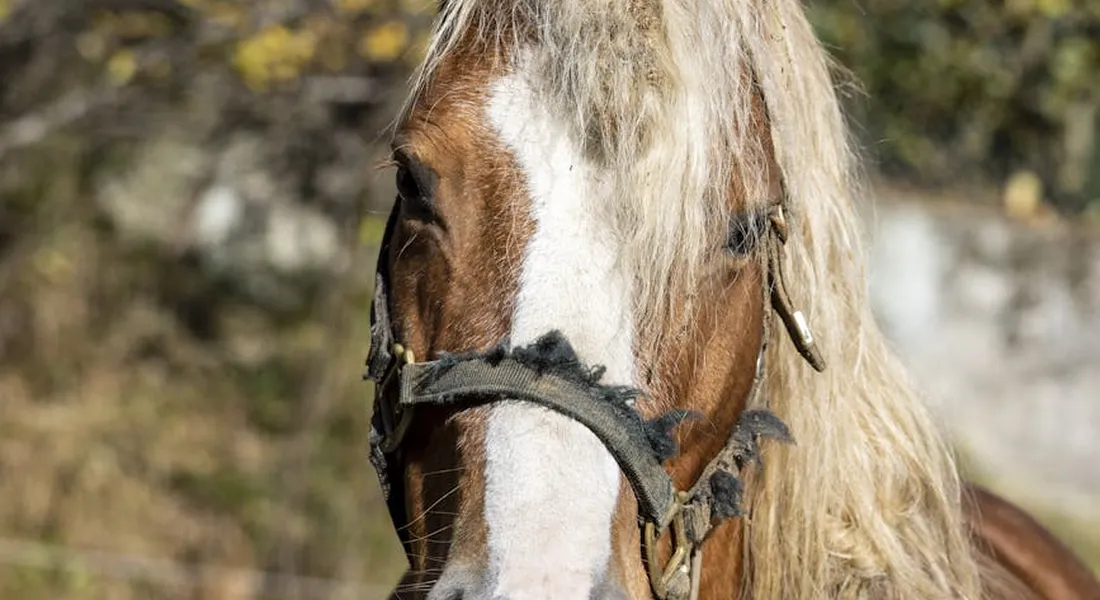
Think of a long trailer trip like running a marathon. You wouldn’t just show up and run 26 miles without training. Your horse needs the same thoughtful preparation, and it starts weeks before the wheels roll. This process is less about physical fitness and more about building confidence and preventing panic, which is the root of most travel injuries. It’s different from training for endurance rides because you’re focusing on mental calmness rather than stamina.
Step 1: Master Loading and Unloading
This is your most critical training step. A horse that loads calmly sets the tone for the entire journey. I start every new boarder with trailer loading practice, no trip planned. It’s just another part of life at the barn. Teaching your horse to load in a trailer is an essential skill.
- Practice repeatedly when you have no deadline. Make it boring. Load, stand for five minutes with a hay net, unload calmly.
- Use high-value treats (Pipin the Shetland is a master at training *me* with this method) but pair them with a release of pressure, not force.
- Simulate the sounds: start the truck engine, close the divider with a solid *clunk*, gently bump the trailer by rocking it.
- Teach them to stand quietly tied *inside* the trailer. The claustrophobic feeling is a major stressor for many.
A horse that loads well for a five-minute practice is more likely to load during a stressful, rain-soaked departure. My old gelding Rusty used to balk at the shadow in the trailer; we overcame it by loading him at different times of day until it was a non-issue.
Step 2: The Pre-Journey Veterinary Review
Schedule a vet visit a week or two before a major trip. This isn’t just for health certificates. It’s a strategic session.
- Discuss sedation options for an exceptionally nervous traveler like a sensitive Thoroughbred. A mild sedative can prevent a horse from injuring itself in a panic.
- Ensure all vaccinations are current, especially for diseases prevalent at your destination.
- Check hoof health and shoeing. A loose shoe the night before departure is a crisis. I plan final trims or resets for 7-10 days before travel.
- Review your equine first-aid kit together. Your vet can recommend specific items for travel, like electrolytes or emergency anti-inflammatories.
This vet visit is your insurance policy, transforming “what if” scenarios into a simple, actionable plan.
Step 3: Adjust Feeding and Hydration
A horse’s gut is a delicate, 100-foot fermentation vat that does not appreciate sudden changes or dehydration. We manage both proactively.
- Hydration is King: Start increasing water intake 48 hours out. Soak their hay. Add a splash of apple juice to their water bucket. A well-hydrated horse is a safer traveler.
- Gut Motivation: Feed a wet bran mash the night before departure. The extra moisture and laxative effect help prevent impaction colic from holding manure during travel.
- The Travel Meal: Feed a small, wet meal of hay (soaked is best) 3-4 hours before loading. Never load a horse with a full stomach of grain, as the bouncing trailer can lead to colic or choke.
- Electrolyte Balance: For long hauls in heat, start adding a pinch of salt to their feed days in advance to stimulate thirst and prepare their system.
The goal is to send a hydrated, “cleaned-out” horse onto the trailer, minimizing the internal stress of the journey. I’ve seen this simple protocol make a world of difference in how a horse steps off the trailer-tired, but not distressed. For a safer, smoother process, pair this with a calm, consistent loading routine and secure tying before and during the move. When the horse is tied securely and guided calmly, the trailer experience remains more predictable for everyone involved.
Trailer Setup: The Safety Inspection You Must Do
The trusty rig sitting in your field is full of moving parts, most of which you only think about when something goes wrong. A thorough pre-trip inspection is non-negotiable. This ritual, done the day before you load, separates a smooth trip from a roadside emergency.
Mechanical and Structural Inspection
Grab a flashlight and a notepad. Walk through this checklist methodically.
- Tires & Wheels: Check air pressure (including spares!) and look for dry rot or cracks. Feel each hub for excessive heat after a short test drive-a sign of bad bearings.
- Lights & Signals: Test every single light: running, brake, turn, and interior. Have a helper press the brakes while you watch.
- Floorboards: This is the big one. Get in the trailer, clear out the bedding, and *jump* on the floor. Listen for creaks or soft spots. Use a screwdriver to probe for wood rot, especially around urine drains.
- Hitches, Chains, and Brakes: Ensure the hitch is securely locked. Cross your safety chains. Verify the breakaway brake battery is charged and the system is engaged.
- Ventilation & Roof: Check that all vents open and close. Look for leaks or rust spots on the roof that could mean weakness.
Finding a spongy floorboard isn’t a disappointment; it’s a victory you earned by checking, saving your horse from a potential catastrophe. I found one under what looked like perfect rubber matting once, and the cold sweat I broke out in is a feeling I never want to repeat.
Interior Setup for Comfort and Safety
Now, make the metal box a safe, comfortable stall. Think about sensory experience from a horse’s perspective: footing, space, and airflow.
- Bedding for Traction and Comfort: Use a deep, absorbent layer of shavings or stall pellets. It soaks up urine, provides cushion, and most importantly, gives their hooves secure purchase during stops and turns.
- Secure All Dividers and Butt Bars: Every latch must be fully engaged and double-checked. A swinging divider in transit is a deadly object.
- Hay Nets & Water: Tie hay nets low, at chest level, so they can eat in a natural head-down position. This helps clear their airways. Use a leak-proof water container secured to the trailer, and offer water at every stop.
- Protective Gear: Decide on shipping boots or wraps with bell boots, or a full body suit. The key is that whatever you use must be clean, well-fitting, and not prone to twisting or slipping down.
- The Final Sweep: Run your hands along every interior wall. Feel for protruding bolts, sharp edges, or loose wiring they could rub against.
Your trailer should feel like a dim, quiet, and stable stall that happens to be moving. When you’ve nailed the setup, a horse will often relax, lower its head, and start dozing-the ultimate sign of trailer comfort.
On the Road: Managing Rest Stops and Horse Care
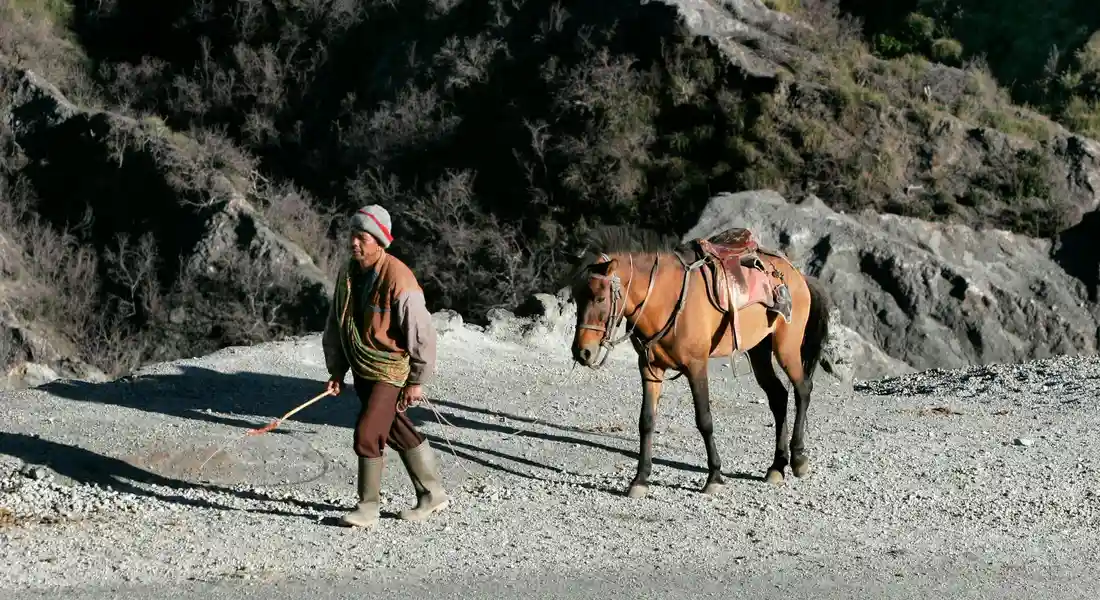
Planning your stops is just as critical as packing the trailer. I’ve found that a smooth journey hinges on treating each break as a mini-barn visit-a chance to reset and reassure.
What to Do During a Break
Unload cautiously, only if you have a secure, enclosed area like a designated horse rest stop. Otherwise, care for them through the trailer windows. Your first priority is offering fresh, cool water, as the constant motion and engine heat can lead to subtle dehydration many owners miss.
I always carry a familiar water bucket from home; Rusty drinks better when he smells his own tub. Follow a simple checklist at every major stop:
- Hydrate: Offer water. Don’t be alarmed if they refuse at first; try a few times.
- Forage Check: Top up the hay net. Consistent chewing buffers stomach acid and mimics grazing.
- Physical Inspection: Run hands down all four legs, feeling for heat or swelling. Pick out hooves to dislodge any trapped gravel.
- Vital Signs: Do a quick check. Normal resting heart rate is 28-44 beats per minute. Feel the nostrils; airflow should be even and calm.
- Airflow & Bedding: Kick soiled bedding out of the trailer and ensure vents are clear. A fresh layer of shavings makes a world of difference.
If it’s safe, a five-minute hand-walk on level ground lets them square up their stance. I learned with Luna that a quiet walk around the rig, letting her snort and look, does more for her tension than any supplement.
Recognizing Signs of Stress or Distress
Horses speak with their bodies. Constant monitoring helps you catch small cues before they become big problems. Stress isn’t just behavioral; it’s physical, and it can escalate quickly in a confined space. To tell if your horse is happy, learn to read their body language. Understanding their posture and facial cues helps you know when they’re content and relaxed.
Watch for these warning signs:
- Excessive Sweating: Patches of lather on the neck or shoulders, unrelated to heat.
- Abnormal Breathing: Flaring nostrils, rapid panting, or visible heaving of the flanks.
- Restless Movement: Constant pawing, violent tail-swishing, or repeatedly banging against the partition.
- Behavioral Shifts: A normally calm horse becoming agitated, or a typically alert horse becoming dull and unresponsive.
- Loss of Appetite: Refusing hay or water over multiple stops is a major red flag.
Each horse is different. Pipin, our Shetland, expresses boredom by rattling his stallion chain, while Luna’s distress starts with a fixed, glassy stare. If you see persistent signs, your trip needs an unscheduled pause: find a safe place to fully unload, assess for injury, and consult a vet if anything feels off. Trust your gut; you know your animal’s normal.
Legal Frameworks and Industry Standards
Beyond good practice, there are actual rules governing how we move our animals. While enforcement varies, these standards exist for welfare and set a baseline for responsible hauling. Ignorance isn’t bliss on the highway; knowing the rules protects you from liability and your horse from neglect, especially when transporting them across state lines.
In the United States, the Department of Transportation (DOT) and the Commercial Vehicle Safety Alliance have guidelines that often apply to large horse trailers. Key points include: These considerations go beyond safety to transportation costs and logistics, such as fuel costs and shipping horses in trailers. Understanding these helps carriers and owners plan trips and budgets more effectively.
- Maximum Continuous Travel: Many industry best practices recommend no more than 8-12 hours of transport in a 24-hour period before a prolonged rest.
- Mandatory Rest Periods: After that 8-12 hour window, horses should be off-loaded for at least 8 hours of continuous rest with access to food and water.
- Space Requirements: The AAEP recommends a minimum of 10-12 feet of trailer length per adult horse to allow for balance and comfort.
International travel, like shipments to the EU, follows stricter, legally mandated rest, feed, and water schedules. For the everyday owner, adhering to the 8-hour rule before a full off-load rest is the single most effective standard you can follow. It’s not just about legality; it’s about physiology. Their bodies need a break from the constant balancing act. I plan my long hauls around this clock, not just the GPS, because the thud of a horse comfortably lying down in a fresh stall is the best sound after a long day on the road.
FAQ: How Long Can a Horse Travel in a Trailer?
What should I do if my trip absolutely must take longer than 8 hours?
You must plan for a mandatory overnight stop to offload your horse for at least 8 hours of continuous rest. This involves booking a secure stall at a layover facility where your horse can move freely, eat, and drink. Pushing beyond the 8-hour maximum without this prolonged recovery significantly increases the risk of stress, injury, and colic.
Can my horse stay in the trailer overnight during a multi-day trip?
No, a horse should never be left confined in a trailer overnight as a resting method. Overnight rest requires a proper, safe enclosure like a stall or paddock where they can lie down, move, and access forage and water. The trailer is for transport only, not for housing, as prolonged confinement prevents necessary movement and poses serious welfare risks. Preventing these risks helps keep your horse calm about travel. It’s helpful to review the 9 trailer loading mistakes that teach your horse fear travel to plan safer loading practices.
Final Thoughts on Trailering Time
Keep trips under six hours with a break halfway, and always prioritize ample water, ventilation, and forage. Your horse’s need for a rest stop is non-negotiable, far more important than making good time on the road. No horse can run continuously without a break.
Patience here is the ultimate act of good horsemanship. The soft nicker from Luna or the steady patience of Rusty during unloading will tell you everything you need to know about the journey you shared.
Further Reading & Sources
- How long in a trailer? | The Horse Forum
- r/Horses on Reddit: 15 hours in a trailer
- Traveling with Horses: 11 Long-Distance Trailering & Travel Tips – Farm House Tack
- Long Distance Travel with Horses: [Long Haul Trailering Guide] | Mad Barn
At Horse and Hay, we are passionate about providing expert guidance on all aspects of horse care, from nutrition to wellness. Our team of equine specialists and veterinarians offer trusted advice on the best foods, supplements, and practices to keep your horse healthy and thriving. Whether you're a seasoned rider or new to equine care, we provide valuable insights into feeding, grooming, and overall well-being to ensure your horse lives its happiest, healthiest life.
Equipment