
How Long Can a Horse Walk Continuously? Building Safe Mileage with Your Horse
Published on: September 27, 2026 | Last Updated: September 27, 2026
Written By: Henry Wellington
Hello from the barn aisle! Are you mapping out a long trail ride or feeling uneasy about how much walking is too much for your horse? That nagging worry about causing soreness or hitting a wall of fatigue is a sign of a caring owner-I’ve been there, staring at a trail map with my reliable gelding, Rusty, wondering the same thing.
In this guide, I’ll walk you through the real-world factors that determine your horse’s sustainable walking distance. You’ll get clear advice on spotting the subtle signs of tiring before your horse is exhausted, building stamina gradually for different personalities, from steady to sensitive, and my barn-tested routines for recovery and hoof care after miles on the trail.
My answers come from years of managing barns and training horses, where the well-being of every animal, from a clever Shetland pony to a spirited thoroughbred, always comes first.
The Science of Equine Stamina: What Limits Continuous Walking?
Imagine your horse’s body as a hybrid vehicle, not a simple gas guzzler. It efficiently switches fuel sources, primarily burning fatty acids from forage during steady walking, which is far more sustainable than sprinting on sugary glycogen. I’ve clocked countless miles on Rusty, and his Quarter Horse metabolism is a master of this slow burn, allowing him to amble for hours if his tank is topped with good hay.
Every hoofbeat is a mechanical event. The continuous concussion from walking, especially on unforgiving surfaces, gradually fatigues the soft tissues within the hoof, like the digital cushion, which can lead to subtle lameness long before you see a head bob. I remember the dull thud of Luna’s hooves on a long gravel road and the careful icing we did afterwards to soothe her sensitive structures.
Three core systems form a symphony during sustained movement:
- Respiratory System: This is the air intake. A steady, rhythmic breath oxygenates the blood; any shift to ragged panting is a red flag for me on the trail.
- Musculoskeletal System: These are the moving parts. Tendons and ligaments act like springs, storing and releasing energy with each stride, but they have a finite number of cycles before fatigue sets in.
- Circulatory System: This is the delivery network. The heart pumps nutrients to muscles and carts away metabolic waste; a consistent, recoverable pulse means the engine is running clean.
Key Factors That Dictate Your Horse’s Walking Limit
Pinpointing a universal hour limit is pointless because every horse and every day is different. The real answer lies in reading the conversation between your horse’s condition and the environment you’re asking him to traverse.
| Internal Factors (The Horse Itself) | External Factors (The Surroundings) |
|---|---|
| Breed & Genetics | Ground Surface & Terrain |
| Age & Joint Health | Ambient Temperature & Humidity |
| Current Fitness & Training | Weight of Rider & Tack |
| Hydration & Electrolyte Balance | Access to Feed & Water En Route |
Internal Factors: Your Horse’s Built-In Capacity
Genetics write the first draft of stamina. A fit Arabian is bred for distance, while a Shire’s powerful build is for power, not perpetual motion, something I consider when planning Pipin the pony’s adventures versus Rusty’s. A progressive fitness program, think slow builds over weeks, is how you edit that draft for better endurance.
Never underestimate the silent limit of age or arthritis. An older horse may walk soundly for twenty minutes but feel significant stiffness after forty, requiring more frequent breaks and softer footing. A pre-ride vet check on joints and teeth is as crucial as checking your girth.
Water isn’t just for drinking; it’s a core component of muscle function. Electrolyte balance is the unsung hero, preventing tying-up and keeping nerves firing correctly during long, sweaty walks. I always taste a bit of my horse’s sweat; if it’s too salty, I know we need to replenish more than just water.
External Factors: The World Outside the Stall
The ground underfoot changes everything. Deep sand or sucking mud can triple the effort of a simple walk, sapping energy reserves in a fraction of the time it would take on a firm dirt track. I scout new trails on foot first, feeling the give of the earth and listening for the crunch of hidden rocks.
Weather is a force multiplier. High heat and humidity impair a horse’s ability to cool itself, making a two-hour walk in 90-degree feel like a four-hour marathon. Keeping horses cool and safe in hot weather is essential. Hydration, shade, and thoughtful planning help make that a reality. I ride by the dew point: if it’s over 65, I shorten the plan and seek shade relentlessly.
The weight on your horse’s back matters more than we like to admit. An ill-fitting saddle or a heavy rider concentrates pressure, causing muscle fatigue and gait compensation that shortens any journey. The creak of leather should be the only sound, not a sigh of discomfort from your horse.
Forage access is the secret to ultra-distance. Allowing a horse to grab bites of grass during a walk keeps the digestive furnace stoked and provides psychological breaks, turning a grueling trek into a manageable journey. I plan routes with known grazing spots, because a moving picnic beats a hangry companion every time.
Recognizing Fatigue: The Signs Your Horse Needs a Break Now
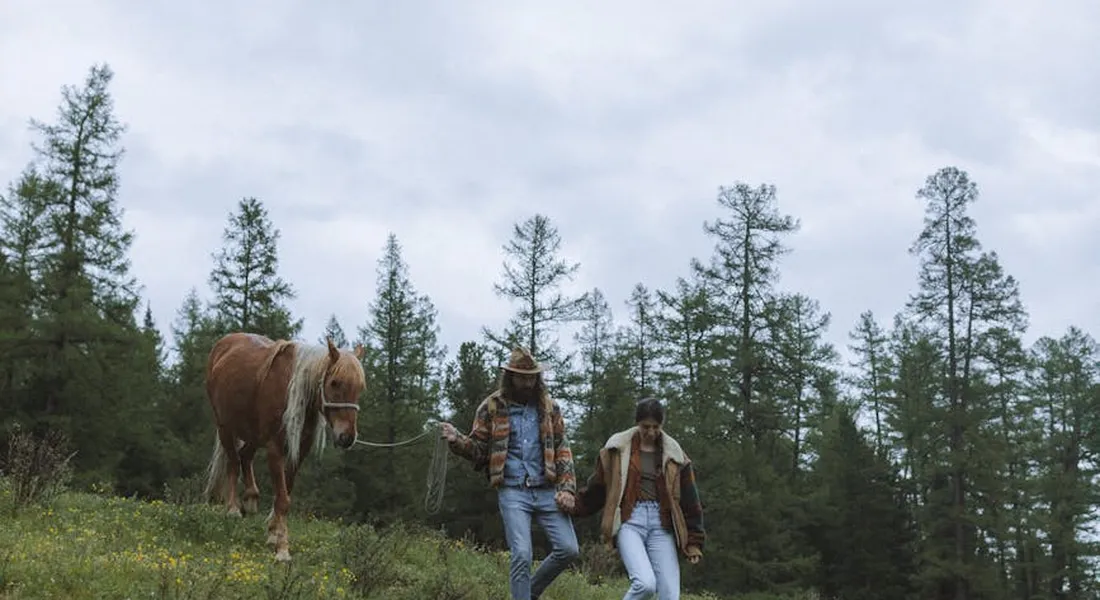
You know that feeling when your own legs get heavy and your breath comes short? Horses feel it too, but they often try to hide it. I learned this the hard way with Luna on a long, rolling trail; her eager energy faded into a sluggish plod that made my heart sink. Spotting fatigue early is the cornerstone of responsible horsemanship and prevents long-term harm. Listen to the subtle changes-the rhythm of hooves on dirt, the pattern of their breath-it tells you everything. If fatigue lingers, it can be a sign your horse is overworked and may need more gradual, consistent exercise. Recognizing these signs helps you tailor training before burnout sets in.
Watch for these clear, observable signs that your horse is running on empty:
- Altered Gait: A smooth, even walk becomes irregular or short-strided. One hip might hitch higher, or you’ll feel a lack of impulsion from behind.
- Increased Breathing: Respiration that doesn’t settle quickly after a mild incline is a red flag. Listen for puffing that’s louder and faster than your horse’s normal baseline.
- Stumbling or Tripping: A sure sign of tired muscles and a distracted mind. Even sure-footed Rusty will toe-drag when he’s had enough.
- Dull Attitude: The head drops, ears stop swiveling with interest, and responses to your cues become slow or ignored. That sparkle in their eye just vanishes.
Don’t wait for the stumble. Schedule a formal pit stop every hour or so to do a quick physical check. This two-minute ritual can mean the difference between a great day and a trailered ride home.
- Monitor vital signs: Know your horse’s resting rates. Feel for a pulse under the jaw; it should be strong and steady, not racing. Count breaths by watching their flank.
- Check sweat patterns: Dry patches or a sudden lack of sweat on a hot day can indicate dehydration or overheating. Uneven, frothy sweat often means stress.
- Observe posture: A horse that stands parked out, constantly shifting weight, or with a hollowed-back posture is telling you they ache.
Ignoring these signals isn’t toughness; it’s a gamble with your horse’s soundness. Pushing past fatigue strains tendons, tires the mind, and burns trust. When in doubt, get off, loosen the girth, and let them rest.
Planning a Safe, Continuous Walk: A Step-by-Step Guide
Think of a long walk like a road trip. You wouldn’t set off without a map, snacks, and rest stops. The same logic applies to hoofing it. My best days with Pipin, our cheeky escape artist, come from meticulous prep that he never appreciates until the carrot bag comes out. A good plan keeps the ride enjoyable and uneventful, which is always the goal.
Start with your route. Scouting ahead, even on a map, saves trouble.
- Determine Distance: Match the mileage to your horse’s current fitness, not their breed. A fit pony can out-walk an unfit draft horse. Build mileage slowly over weeks.
- Locate Water Sources: Identify streams, troughs, or reliable ponds on your map. Assume public sources might be dry and carry a collapsible bucket.
- Identify Bail-Out Points: Know where shorter loops or access roads intersect your path in case you need to cut the day short.
Pacing is everything. A steady, marching walk is more sustainable than a fast, jiggy one. Schedule mandatory rest breaks every 45-60 minutes for at least 10 minutes of standing still. Dismount, let them graze on safe grass if available, and offer water. This mimics natural foraging behavior and keeps their gut moving.
Your saddlebag is your lifeline. Pack for your horse first. Always carry a hoof pick, a basic first-aid kit with vet wrap, a sharp knife, and an extra lead rope. For you, bring more water than you think you need, a protein bar, and a fully charged phone in a plastic bag. I never leave without a few hay cubes-they’re a perfect, low-sugar motivator for a weary horse. If you’re unsure about the whole setup, the should horse first aid kit complete checklist can guide you to double-check every essential item. Having that reference on hand helps you pack with confidence.
Hydration and Fuel: Managing Needs on the Trail
Water is the non-negotiable. A horse can lose gallons of fluid on a warm day, and dehydration creeps up fast. Offer water at every opportunity, even if your horse only takes a few sips. Make hydration a routine part of every ride and turnout. A few sips now can prevent bigger issues later. Let them drink their fill when you stop; the old myth about cooling down first is just that—a myth for a walking horse.
For walks over three hours, or on hot days, consider electrolytes. Mix a powdered electrolyte into a damp mash of hay cubes or a small bit of grain at your mid-point break, not in their only water source. This ensures they take it in and doesn’t discourage drinking. I always carry a pre-measured baggie for Luna, who sweats heavily.
Keep the gut working. Safe, slow-fuel snacks like hay cubes or chopped hay are far better than grain on the trail. They provide steady energy without sugar spikes and let the horse mimic natural grazing. I’ve seen Rusty’s energy revive after a handful of cubes, the simple crunch bringing him back to the job. Avoid unfamiliar lush grass during breaks to sidestep colic risk.
The Recovery Period: Essential Post-Walk Care
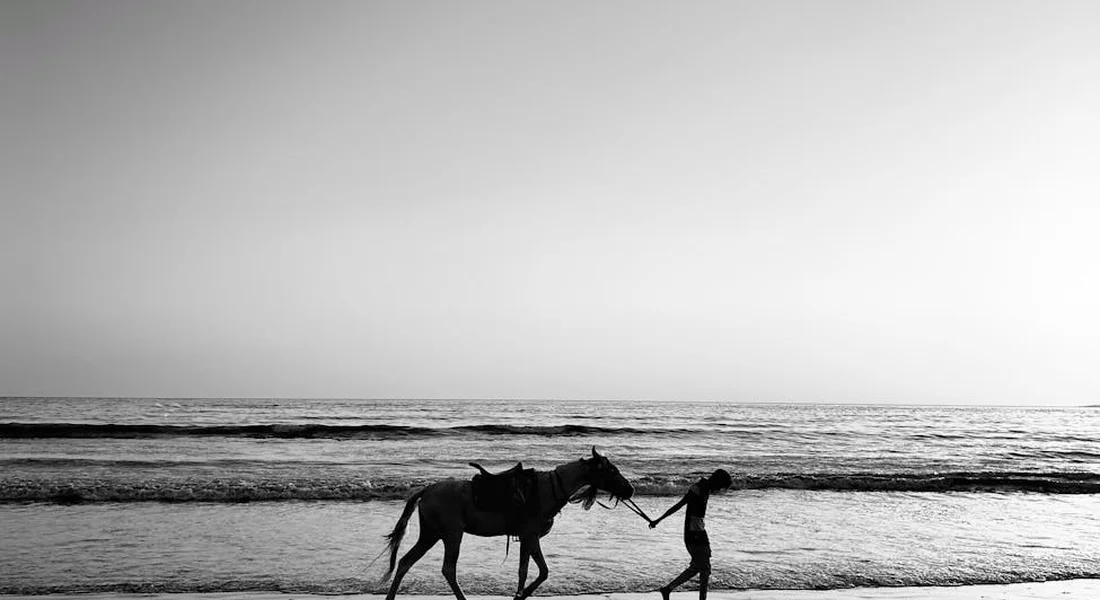
A proper cool-down isn’t a luxury; it’s the final, critical phase of your walk. Ending abruptly is like slamming the brakes on a complex engine that’s been humming for hours. I always plan the last 10-15 minutes of our route for a slow, meandering stroll on a loose rein, letting the heart rate settle and muscles begin to relax.
Back at the barn, the real aftercare begins. I treat this like a pilot’s post-flight checklist. Your first priority is to run your hands over every inch of your horse, feeling for heat, swelling, or any tell-tale crust of dried sweat that could signal a tack rub. Pay special attention under the girth, around the saddle pad edges, and at the poll.
Your Post-Walk Checklist
- Inspect & Untack: Feel legs for heat or filling. Look for rubs or dirt marks that indicate pressure points as you remove tack.
- Hoof Pick & Check: Clean all four feet thoroughly. This isn’t just about removing stones; it’s your chance to inspect soles, walls, and shoes for wear or loose clinches.
- The Cool-Off: If your horse is sweaty, use a sweat scraper and walk them until their coat is mostly dry. A damp horse in a still stall is a chill waiting to happen.
- Hydrate & Offer Feed: Provide small, frequent sips of fresh, cool water. Offer a flake of good hay to keep the digestive system moving calmly after exertion.
This routine is about more than just cleanliness. This hands-on time is your best diagnostic tool, catching a minor rub before it becomes a sore or noticing a hint of filling before it turns into stocking up. I learned this with Rusty after a long trail ride; a tiny speck of dirt under his cinch was the only sign of a beginning girth gall. Catching it that day saved us weeks of healing.
Building Endurance: How to Condition for Longer Walks
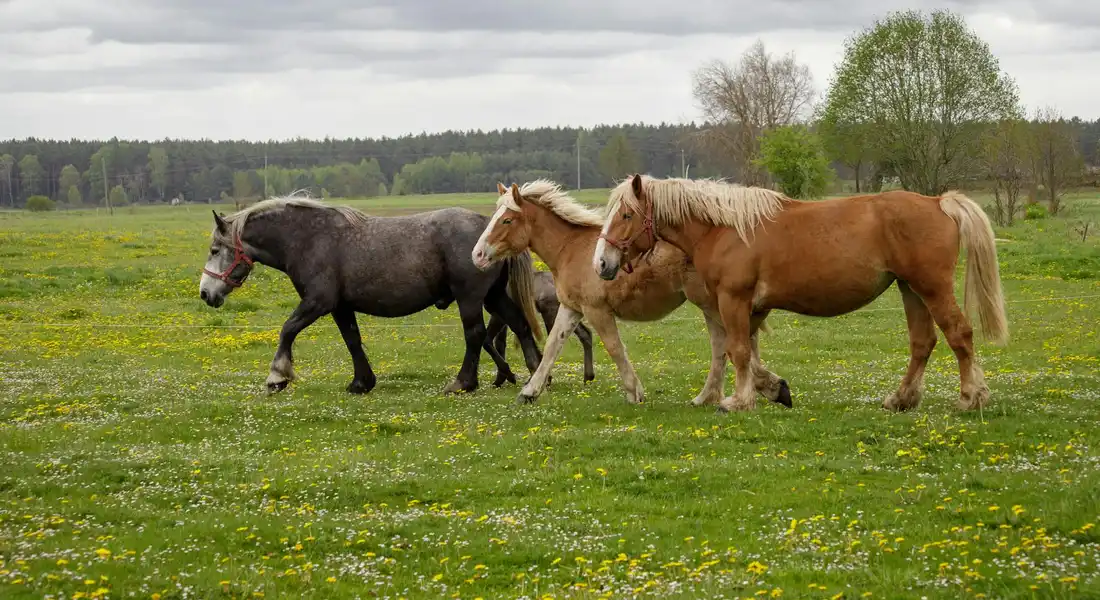
Thinking your weekend warrior can suddenly go from a 3-mile stroll to a 15-mile trek is a sure path to injury. Endurance is built incrementally, like adding bricks to a wall. A safe, effective conditioning program respects the physiology of the equine athlete.
Start by establishing a honest baseline of your horse’s current fitness. If a 30-minute walk leaves them breathing heavily, that’s your starting point. The golden rule is to increase total work time or distance by no more than 10-15% per week. This applies to time spent at the walk, not just total ride time. To gauge progress, measure your horse’s fitness recovery time after each session. This simple metric helps you tailor training as fitness improves.
A Sample Conditioning Progression
- Weeks 1-2: Three to four walks per week of 30 minutes each on varied, forgiving terrain.
- Weeks 3-4: Increase one of those weekly walks to 45 minutes. Keep the others at 30.
- Weeks 5-6: Extend two walks to 45 minutes. Perhaps introduce a gentle, short hill.
- Weeks 7-8: Introduce a single 60-minute “long walk” day. Monitor recovery carefully the next day.
Listen to your horse more than your mileage app. A stiff gait, unusual reluctance, or a longer-than-normal recovery time are clear signs to hold steady or even step back. Consistency of three to four sessions a week far outweighs heroic efforts once every fortnight. Luna, my sensitive Thoroughbred, thrives on predictable, gentle increases, while Pipin the pony seems to build fitness on sheer willpower alone.
For older horses, those coming back from layups, or any animal with a known history, a veterinary assessment is a wise investment. A vet can identify subtle limitations and help tailor a program that strengthens without straining, turning a comeback into a sustainable partnership. They might suggest supportive therapies or specific warm-up exercises to ensure your walks build them up, not wear them down. Care for aging horses with chronic medical conditions means recognizing these realities and adapting routines accordingly. Regular veterinary input helps tailor ongoing care as conditions evolve.
FAQ: How Long Can a Horse Walk Continuously?
What is a safe starting duration for a continuous walk with an unfit horse?
Begin with short, manageable sessions of 20 to 30 minutes of steady walking. Gradually increase the time by no more than 10-15% per week to avoid overexertion. Consistency with three to four walks weekly is key to building a solid fitness foundation.
How does age impact a horse’s ability to walk continuously?
Older horses often have reduced stamina and may experience joint stiffness, shortening their comfortable walking time. They typically require more frequent breaks and softer footing to prevent discomfort. Regular veterinary checks can help tailor walking plans to their specific needs.
Can a horse walk continuously for multiple days, and if so, how should it be managed?
Yes, with careful planning, horses can handle multi-day walking journeys. Ensure daily rest periods, constant access to water, and ample forage to maintain energy and gut health. Monitor for cumulative fatigue and adjust daily distances based on the horse’s recovery each morning, especially for endurance running and travel.
Ride Safe, Walk Far
Base your distance on your horse’s current fitness and the day’s conditions, not a fixed number. The cornerstone of any long walk is a mandatory break every hour for water and a quick check of legs and attitude. For riders aiming for a longer, uninterrupted run, begin with careful conditioning and progressive pace increases. Build endurance gradually and stay attuned to your horse’s signals.
True partnership is built on patience and reading the quiet signals-a softening eye or a steady stride. Your horse’s comfort is the only map you need to follow.
Further Reading & Sources
- From 0 to 160km: Training Horses for Endurance
- Competition – Sport Endurance
- How to Condition Your Horse for Equestrian Endurance Riding
- How Far Can a Horse Travel in a Day?
At Horse and Hay, we are passionate about providing expert guidance on all aspects of horse care, from nutrition to wellness. Our team of equine specialists and veterinarians offer trusted advice on the best foods, supplements, and practices to keep your horse healthy and thriving. Whether you're a seasoned rider or new to equine care, we provide valuable insights into feeding, grooming, and overall well-being to ensure your horse lives its happiest, healthiest life.
Exercise