
How to Muck a Stall in 5 Minutes: An Efficiency Guide for Busy Owners
Published on: June 29, 2026 | Last Updated: June 29, 2026
Written By: Henry Wellington
Hello from the barn aisle. If you’re staring down a dirty stall with only a sliver of time before your next commitment, I get it. That sinking feeling that chores are stealing precious moments from your horse is all too real.
A poorly maintained stall isn’t just messy-it’s a health hazard. Wet bedding and ammonia buildup can lead to respiratory issues, thrush, and preventable vet bills. Your horse’s comfort and safety start with a clean floor.
This guide will walk you through my field-tested, five-minute method. We will cover selecting the right tools for rapid cleaning, executing a systematic pattern that prevents wasted motion, and pro tips to reduce daily waste and extend bedding life.
I’ve managed busy barns for years, and this efficient routine ensures horses like my steady Rusty and sensitive Luna always come back to a dry, comfortable stall. It’s just one part of creating a safe and enriching environment for your horse.
The Truth About Time: How Long Should Stall Cleaning Really Take?
Let’s be honest, we’ve all seen those glamorous social media videos of a stall transformed in a blink. The reality, with a curious horse nudging your elbow and yesterday’s hay woven into the bedding, is different. An average 12×12 stall, stripped completely and rebedded, takes a focused 20 to 30 minutes-if you’re not rushing the job. But daily maintenance is where the real time savings live.
How often is frequent enough for manure removal?
This isn’t a debate. Manure and wet spots must be pulled daily, no exceptions. I treat it like feeding: it’s a non-negotiable part of the routine. Leaving waste breaks down bedding, releases ammonia that hurts their lungs, and creates a breeding ground for thrush and bacteria.
Some barns use a “deep litter” system, adding fresh bedding on top without full removal. While this can save weekly time, it demands meticulous daily manure picking to prevent a soggy, unhealthy base, and it’s not suitable for all horses, especially those with respiratory issues. For most of us, the daily pick-out with a weekly full strip is the gold standard for health and efficiency. Regular hoof cleaning is a simple daily step that helps keep hooves dry and free of manure, reducing the risk of thrush and other issues. Staying on top of hoof care also helps you spot problems early and supports overall comfort and performance.
Is the 5-minute goal realistic or a fantasy?
It’s both. You won’t achieve it on Sunday when you’re doing the full weekly strip-down. But for a daily “pick-out” on a well-maintained stall? Absolutely, it’s possible. The clock starts after you’ve put your horse out safely and ends when the last manure clump hits the muck bucket.
The five-minute clean relies on three pillars: consistent daily effort, the right bedding choice, and muscle memory with your tools. If you let it slide for two days, you’re looking at a 15-minute dig. Shavings or pellets are faster than straw, which mats together. With my guys, Luna’s stall is always quicker than Pipin’s-ponies have a knack for creating a perfectly dispersed, artistic mess.
Your Efficiency Toolkit: Gear That Gets the Job Done Fast
The wrong tool turns a simple job into a chore. You wouldn’t trim hoof walls with a butter knife. The same logic applies here.
The non-negotiable core tools for quick mucking
- A Manure Fork with Proper Tines: This is your primary weapon. Look for a sturdy, not flimsy, fork with tine spacing that lets shavings fall through but catches droppings. For pellets, you need tighter spacing.
- A Sturdy, Maneuverable Wheelbarrow or Muck Cart: A wobbly wheel or a tiny basin that needs constant emptying will double your time. Capacity matters.
- A Good Stable Broom: For sweeping aisles and tidying up edges after you fork. A clean aisle is a safe aisle.
- Heavy-Duty Pitchfork or Shovel: For the weekly full clean-out when you’re moving sodden bedding. A manure fork won’t cut it for that heavy lift.
Pro upgrades that save time and your back
If you muck more than one stall, these investments pay for themselves in saved effort and chiropractor bills.
- Ergonomic Handles: A fork with a D-grip or curved handle keeps your wrist in a neutral position. Your tendons will thank you in a decade.
- A Large, Rubber-Maid Muck Tub on a Cart: Ditch the wheelbarrow for a system with a giant, lightweight tub you can drag. Less hunching, more capacity, easier dumping.
- Bedding Sifter/Pan: A game-changer. You shake the clean bedding back into the stall, and the waste stays in the pan. This drastically reduces how much fresh bedding you need to add daily.
Personal stable hack: My two-tool solution
After years of fumbling, I’ve pared my daily kit down to two items I never start without. My primary tool is a well-balanced manure fork, and my second is a lightweight, wide-headed garden rake. The fork gets the piles and wet spots. The rake is then perfect for quickly smoothing and leveling the remaining clean bedding, fluffing it up in one pass. It’s faster than using the fork for fluffing and looks tidier. This duo lives right by the stall doors-no wasted steps looking for tools.
The Step-by-Step 5-Minute Method: A Foolproof Routine
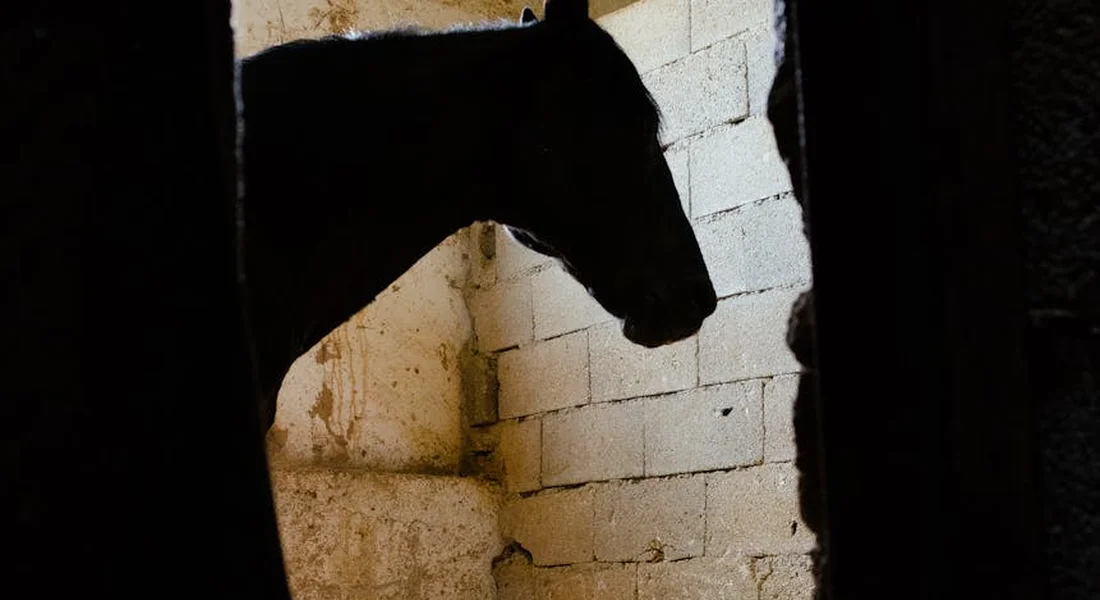
This method works because it turns a big chore into a series of small, timed tasks. You’re not just cleaning a stall; you’re executing a precise drill. I’ve timed this with my phone for weeks, using Rusty as my willing (and messy) test subject.
Step 1: The 60-Second Scan and Set-Up
Before you touch a tool, pause in the doorway. Look for the big manure piles, locate the soggy wet spots, and note any overturned water buckets or hazards. This mental map prevents you from backtracking and wasting motion later. Grab your muck tub and fork, placing them just inside the stall for easy access.
Step 2: Strategic Manure and Wet Spot Removal
Now, move with purpose. Start in the back corner and work in a grid pattern toward the door. Fork only the manure and the truly soaked, matted bedding-leave the clean, dry stuff. A common time-waster is sifting through perfectly good shavings for one tiny piece of manure. Your goal is removal, not perfection; chasing every last pellet will cost you minutes.
Dealing with different bedding: shavings vs. straw
Your technique changes with your bedding. With shavings, use a gentle shaking motion as you lift the fork to let clean bits fall through. For straw, you need a more rolling, lifting motion to gather it without scattering. Straw requires a sharper eye for wet spots, as the ammonia smell becomes pronounced quickly, signaling where to dig deeper.
Step 3: Swift Disposal and Final Tidy
Once your tub is full (don’t overfill it-a heavy tub is slow to carry), take it straight to your manure pile or cart. No stopping. On your return, grab a broom. Sweep any stray bits of bedding or manure from the stall mats or floor back into the clean pile, and neaten the edges along the walls. This visual finish makes the stall look professionally done, even if you were rushed.
Step 4: The Quick Bedding Refresh
You’ve removed waste, now replenish comfort. Shake out a fresh flake of hay in the corner or top up the water. Fluff the remaining clean bedding with your fork to create an even layer, paying special attention to high-traffic areas like near the door. This fluffing redistributes cushioning and lets you spot any damp patches you might have missed on your first pass. It takes 30 seconds but makes the stall inviting.
Workflow Wisdom: Habits That Make You Faster
Mastering your motion and stall organization
Efficiency is in the ergonomics. Keep your pitchfork tines sharp for easy scooping. Store your tools *outside* the stall you’re about to clean so you’re not maneuvering around them. Adopt a consistent pattern-always work left to right, or from back to front-so your body moves on autopilot. I learned this after watching Pipin the pony untie knots; a systematic approach always wins.
Consider your stall’s “furniture.” Is the water bucket easy to reach around? Is there a hay net creating a constant debris field? A small change, like relocating a feeder, can shave seconds off your daily routine that add up to hours each year.
The power of the “good enough” clean
This was the hardest lesson for my perfectionist heart to learn. A stall does not need to be sterile for your horse’s health; it needs to be dry, clean of major manure, and comfortable. Chasing absolute spotlessness often leads to burnout, whereas a consistent “good enough” clean done daily is far better for your horse and your schedule. A few stray pellets of manure won’t hurt, but a deep, wet bed left for two days can.
The difference between a 5-minute stall and a 15-minute stall often comes down to what you’re willing to leave behind. Focus on the wet, remove the manure, and trust that tomorrow’s cleaning will catch what you missed today. Your horse would rather have you spend those extra ten minutes giving them a scratch or turning them out than achieving flawless bedding—because no amount of effort will help them go without poop or urine.
| Bedding Type | Mucking Fork Style | Speed Tip |
|---|---|---|
| Wood Shavings | Lift, then gently shake side-to-side. | Look for clumping; damp shavings stick together for easy removal. |
| Straw | Scoop and roll onto the fork. | Follow your nose; ammonia scent pinpoints wet spots under the surface. |
| Pelleted Bedding | Push damp, dissolved pellets to the side. | Let damp patches dry fully before removing; they’ll be lighter. |
Common Time Traps: What Slows You Down and How to Fix It
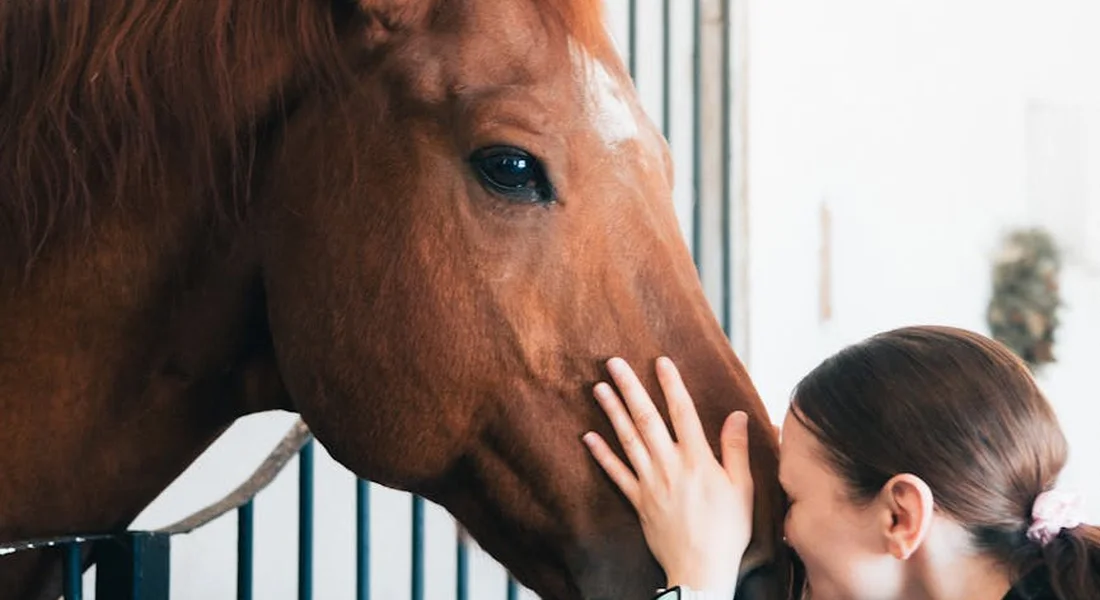
You stride into the barn with purpose, but somehow the clock always wins. I’ve wasted plenty of mornings myself, watching Luna tap her hoof impatiently as I fumbled around. Identifying these common pitfalls is the first step to reclaiming your time and getting your horse to turnout faster. Curious how to tell a good horse from a tired horse and separate the myths from reality? In the next steps, we’ll debunk 5 exercise turnout myths and share practical tips.
Tool troubles and cluttered aisles
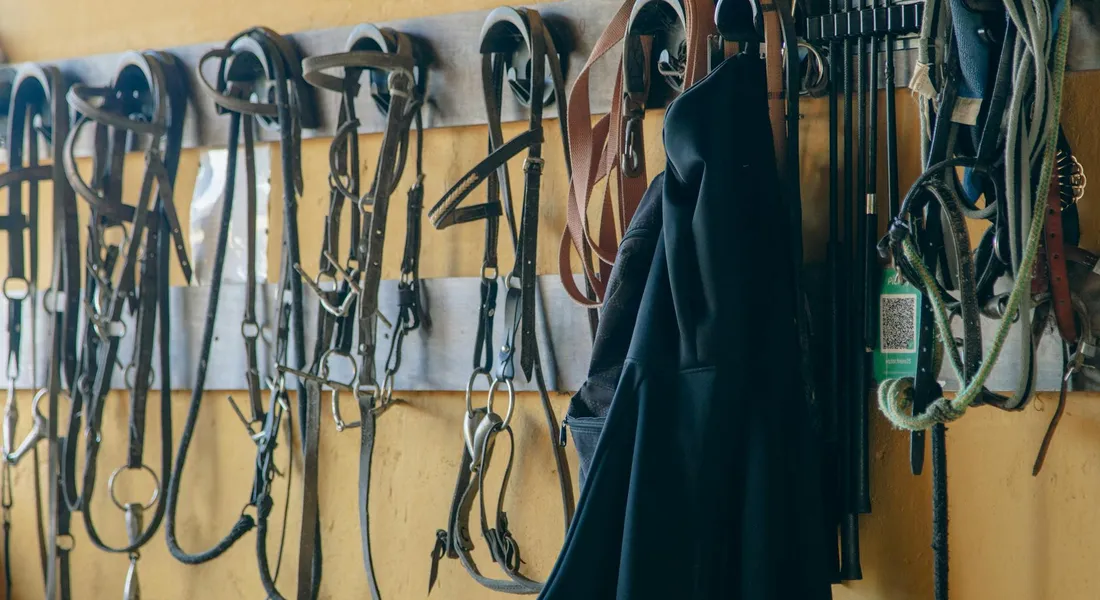
A bent fork tine or a wheelbarrow with a flat tire can double your work time. I learned this after Pipin hid my good rake, forcing me to use a clumsy shovel. Your tools should feel like an extension of your arms, not a battle you fight every day. Store them right by the stall door in a heavy-duty bucket or on a wall rack.
Clutter isn’t just an eyesore; it’s a time sink and a safety hazard. Tripping over a feed bucket while carrying a full muck tub is a recipe for disaster. Make it a barn rule that every item has a home and goes back there immediately after use. My aisle stays clear because I know a spooky Thoroughbred like Luna deserves a safe path.
- Choose a four-tine manure fork with a fiberglass handle-it’s lightweight, durable, and perfect for shaking out waste.
- Assign a specific color-coded bucket for clean tools and another for dirty ones needing a rinse.
- Do a quick two-minute aisle tidy before you start mucking to ensure a clear runway for your wheelbarrow.
Bedding blunders: using too much or the wrong kind
Piling bedding sky-high feels generous, but it buries wet spots and forces you to sift through mountains of material. For a steady guy like Rusty, a consistent four to six-inch base is perfect. Excess, damp bedding creates ammonia fumes that sting your eyes and compromise your horse’s respiratory health. Their comfort starts with clean air. Exploring the best bedding material for a horse stable can help curb moisture and ammonia from the ground up. The right bedding choice supports a healthier environment for your horse.
The right bedding makes manure and wet clumps easy to spot and remove. Fluffy shavings are my go-to for absorbency, while straw can mat down and hide moisture. Pelleted bedding is a game-changer for speed; the pellets dissolve around urine, creating a solid mass you can lift out in one piece. Test a small amount to see how it works with your drainage and your horse’s habits.
- Use the “pick and sift” method: lift manure, then give the fork a gentle shake to let clean bedding fall back through the tines.
- Only remove the obviously wet patches daily-a full stall strip should be a weekly task, not a daily one.
- Add fresh bedding strategically, targeting areas like the stall corners where horses tend to urinate most.
Staying Safe and Sound: Protecting Your Body
This job is hard on your knees, back, and shoulders. I used to finish stall cleaning feeling decades older until I changed my approach. Protecting your body isn’t selfish; it ensures you can provide consistent, gentle care for your horse for the long haul, especially when you’re investing time in stall boards for their well-being.
Ergonomic techniques for back-friendly mucking
Always bend from your knees and hips, not your waist. When you lift a heavy forkful, keep the load close to your body and use your leg muscles to power the movement. Imagine you’re doing a squat, not a forward fold, to save your lumbar spine from screaming in protest later. This technique saved my back during a week of cleaning four stalls a day.
Your wheelbarrow is your partner. Load it evenly and push it with your core and legs, not just your arms. Position the wheelbarrow inside the stall door to minimize the distance you carry each forkful-those saved steps add up to less strain. The thud of manure hitting the cart should come from a smooth, full-body motion.
- Alternate your leading hand every few forkfuls to balance muscle use and prevent overuse injuries.
- Take a ten-second pause every five minutes to stand tall, roll your shoulders, and take a deep breath.
- Invest in a wheelbarrow with two front wheels for superior stability, especially on uneven barn floors.
The simple PPE you shouldn’t skip
Gloves are your first defense. They prevent blisters, protect from splinters in old wood, and shield your skin from bacteria. I never muck without my nitrile-coated pair. Sturdy, waterproof boots with a non-slip sole are critical for navigating slick surfaces and protecting your toes from a misplaced hoof. The feel of damp clay or worse underfoot is a risk you can easily avoid.
A simple N95 dust mask is vital when fluffing dry bedding or working in a confined space. Wearing safety glasses might feel odd at first, but they prevent painful debris, like a stray wood chip, from hitting your eye. This basic gear lets you work confidently and comfortably, so you can finish quickly and get back to what matters-your horse.
- Gloves: Look for a snug fit with a textured grip for handling wet, slippery tools.
- Boots: Rubber muck boots are easy to clean and provide a reliable barrier against moisture.
- Mask and Glasses: Keep them on a hook with your tools so you never forget to put them on.
Scaling Your System: Efficiency for the Whole Barn
Mastering one stall is a victory. Managing a row of them without losing your whole morning is true barn wizardry. The principle stays the same, but your strategy must level up. I run a tight ship with Rusty, Luna, and Pipin, and their personalities dictate the order of operations. Start with the easiest, most predictable stall to build momentum, and save the biggest mess or most anxious occupant for last, when your rhythm is set. My first stop is always reliable Rusty; his orderly piles are a confidence booster. Luna’s stall comes next, before she’s had her breakfast grain and gotten too antsy.
Managing multiple stalls and manure composting
Your tools become your crew. For three or more stalls, a large, sturdy wheelbarrow and multiple, identical buckets are non-negotiable. Designate a “manure only” bucket for picking and a “stuff” bucket for tail wraps, loose gloves, or that one missing bell boot. This prevents constant trips back to the tack room. Park your wheelbarrow in the aisle at a central point between two stalls to minimize walking distance with heavy loads. Clean each stall fully before moving the wheelbarrow, following a precise path: pick piles, pick wet spots, add bedding, smooth.
A multi-stall operation forces you to think about the manure mountain you’re creating. A haphazard pile is a fly haven and a space-waster. Set up a proper composting area on a level, well-draining spot away from paddocks and waterways—it turns waste into “barn gold” for your pastures or garden. With proper composting, your horse manure becomes a nutrient-rich garden fertilizer that enriches soil structure. Used thoughtfully, this compost supports vigorous, healthy plant growth in beds, borders, and food gardens. Turn the pile weekly with a tractor or manure fork to aerate it, which speeds decomposition and kills parasites. Never compost disposable bedding like shavings with manure you plan to spread; that system is for separate, dedicated disposal.
- The Tool Trio: One wheelbarrow, two five-gallon buckets (one for manure, one for miscellany), and a dedicated manure fork hung at the compost site.
- The Compost Rule: Alternate layers of fresh manure with straw or old, dry leaves to balance moisture and carbon. A properly hot pile shouldn’t smell foul.
- The Escape Artist Clause: For ponies like Pipin, I muck his stall while he’s in the adjoining paddock. A clean stall is less tempting to vandalize, and a busy pony is a good pony.
Making it a habit: integrating quick mucking into your daily routine
Efficiency is pointless without consistency. The magic isn’t in doing it fast once, but in making it an automatic, non-negotiable part of your barn time. I link mine to another immutable task: feeding. My rule is “no grain tub is filled until the stall is clean,” which pairs a chore my horses eagerly anticipate with one they are indifferent to. The clink of the feed bucket is their cue; the click of the manure fork latch is mine.
Use technology as your ally. Set a timer on your phone for five minutes when you enter the stall. The gentle pressure creates focus, not panic. After a week, you’ll likely beat the buzzer. Track your progress not by the clock, but by the feel of the stall floor under your boot and the smell of clean pine instead of ammonia when you walk in. That sensory feedback is your real reward.
- Pair the Task: Anchor mucking to another daily ritual-morning feed, post-ride untacking, or locking up at night.
- Prep the Night Before: Have your fork and wheelbarrow ready, not buried behind the tractor. A clear aisle is a fast start.
- The Two-Minute Tidy: Even on days you do a full strip, a quick evening pick-up prevents a monumental morning mess. It’s like doing the dishes before bed.
- Forgive the Off-Day: Some days, the horse is sick, the weather is abysmal, or you just have five minutes. A picked stall is a safe stall. Perfect is the enemy of done.
FAQ: How to Muck a Stall in 5 Minutes
What is the fastest way to muck a stall?
The fastest method combines a systematic grid pattern with selective removal, focusing only on manure and wet spots. Using the right tools, like a properly spaced manure fork and a maneuverable muck cart, prevents wasted motion. Ultimately, speed comes from consistent daily practice, which builds the muscle memory to execute the routine efficiently.
What tools do I need to muck a stall fast?
The essential toolkit includes a sturdy manure fork with correctly spaced tines and a large, easy-to-move wheelbarrow or muck tub. A stable broom for final tidying and a heavy-duty pitchfork for weekly deep cleans are also crucial. For significant time savings, consider pro upgrades like an ergonomic fork handle or a bedding sifter to reduce waste.
How to muck a stall step by step quickly?
Begin with a quick 60-second scan to map out manure and wet spots before you start. Work in a deliberate grid pattern from the back of the stall forward, removing only soiled bedding without over-sifting the clean material. Finish by promptly disposing of the waste, sweeping the floor neat, and quickly fluffing the remaining clean bedding.
More Time for What Matters
The system is simple: use the right tools like a solid manure fork and wheelbarrow, and stick to a consistent top-to-bottom, corner-to-corner routine. Mastering this efficient method saves your back and your minutes, turning a daily chore into a quick win that directly supports your horse’s respiratory and hoof health.
Remember, a clean stall is an act of care, not just a task to rush. Your horse will always be your best guide-a bright eye and a comfortable lie-down in fresh bedding are the real rewards for a job well done.
Further Reading & Sources
- r/Equestrian on Reddit: Is there a secret to mucking stalls quickly? (preferably without breaking my back in the process)
- How to Muck Out a Stall with Wood Shavings – Klassen Wood Company
- How to Muck Out a Horse Stall
- Stall Mucking 101 – Horse Illustrated
At Horse and Hay, we are passionate about providing expert guidance on all aspects of horse care, from nutrition to wellness. Our team of equine specialists and veterinarians offer trusted advice on the best foods, supplements, and practices to keep your horse healthy and thriving. Whether you're a seasoned rider or new to equine care, we provide valuable insights into feeding, grooming, and overall well-being to ensure your horse lives its happiest, healthiest life.
Stable Management