
How to Saddle a Horse Properly: A Step-by-Step Guide
Hello fellow equestrians. The sight of a shifted saddle pad or the sound of a frustrated sigh from your horse as you ride isn’t just a minor hitch-it’s a direct warning that improper saddling is at play, leading to potential soreness, gait issues, and safety concerns for you both.
This guide will walk you through a reliable routine to eliminate that worry. We’ll focus on the key steps that make all the difference: preparing your horse’s back, positioning the saddle pad correctly, setting the saddle without pressure, securing the girth safely, and performing a thorough final check.
My method is built on countless mornings in the barn, saddling my own sensitive Luna and steady Rusty, where I learned that a well-fitted saddle is the cornerstone of a happy ride.
Why Proper Saddling Matters for Horse and Rider
An improperly placed saddle is more than an annoyance; it’s a source of pain that can create a fearful or resentful horse. I’ve seen a saddle set too far forward pinch a horse’s shoulders, turning a usually calm soul into a tense, resistant partner. A correctly saddled horse moves freely, breathes easily, and can focus on working with you, not against the discomfort on its back.
For you, the rider, security is paramount. A girth that’s too loose or a twisted pad can lead to a saddle roll, which is a one-way ticket to the ground. It’s a sudden, frightening experience for both parties. Taking those extra minutes to do things right is the cheapest insurance policy you can buy for your safety. Your horse’s trust and your own confidence are built on this foundational care.
Gathering Your Gear: The Essential Tack Checklist
Before you even approach your horse’s stall, get your ducks in a row. Scrambling for a missing item with a restless horse beside you is a recipe for mistakes. Lay everything out in the order you’ll use it: this simple habit promotes calm and prevents frantic searches for a dropped girth.
- Saddle (cleaned and checked for soundness)
- Saddle Pad or Blanket
- Girth or Cinch
- Bridle with Bit (or a halter and lead rope if you’ll bridle later)
Run your hands over the billets and girth straps, feeling for worn stitching or cracks. Listen for the quiet creak of good, oiled leather. This pre-flight check is non-negotiable; it’s how you catch a failing stitch before it becomes a dangerous break.

Saddle Pad or Blanket: Your Horse’s First Layer
Think of the pad as your horse’s underwear-it needs to be clean, smooth, and fit its shape. A pad isn’t just for cushion; it wicks moisture, distributes pressure, and protects the saddle’s underside. I always give a pad a firm shake away from the horse to dislodge any hidden arena sand or, worse, a stray burr. Pipin the pony once taught me that lesson after I found a prickly hitchhiker that would have surely caused a buck.
Material matters. A thick, felted wool pad offers superior pressure dispersion for a long trail ride, while a thin, contour-fit cotton quilt might be perfect for a short school. Your goal is a uniform layer that follows the contour of your horse’s back without creating bulk or wrinkles under the saddle’s points. The pad should extend slightly beyond the saddle’s edges all the way around.
The Girth or Cinch: Securing the Connection
This is your physical tether to the horse, and its fit is critical. A girth that’s too narrow can pinch like a tight guitar string, while one that’s too wide can rub the elbows. You should be able to fit two to three fingers stacked vertically between the girth and your horse’s body once it’s snugged up. Always check for and smooth away any folds of skin in the girth groove as you tighten. Getting the fit right is part of properly fitting and adjusting horse tack. We’ll cover how to do that in the next steps to ensure a secure, comfortable ride.
I keep a few types on hand. Luna, my sensitive Thoroughbred, does best in a soft, anatomical girth that curves around her elbows. Rusty, my steady Quarter Horse, is fine in a standard neoprene. Inspect your girth for cracks, fraying, or stretched stitching every single time you use it-this piece of tack undergoes immense strain. The quiet thud of hooves on the trail is a lot less peaceful when you’re worrying about your gear holding together.
Know Your Saddle: Key Parts and Their Jobs
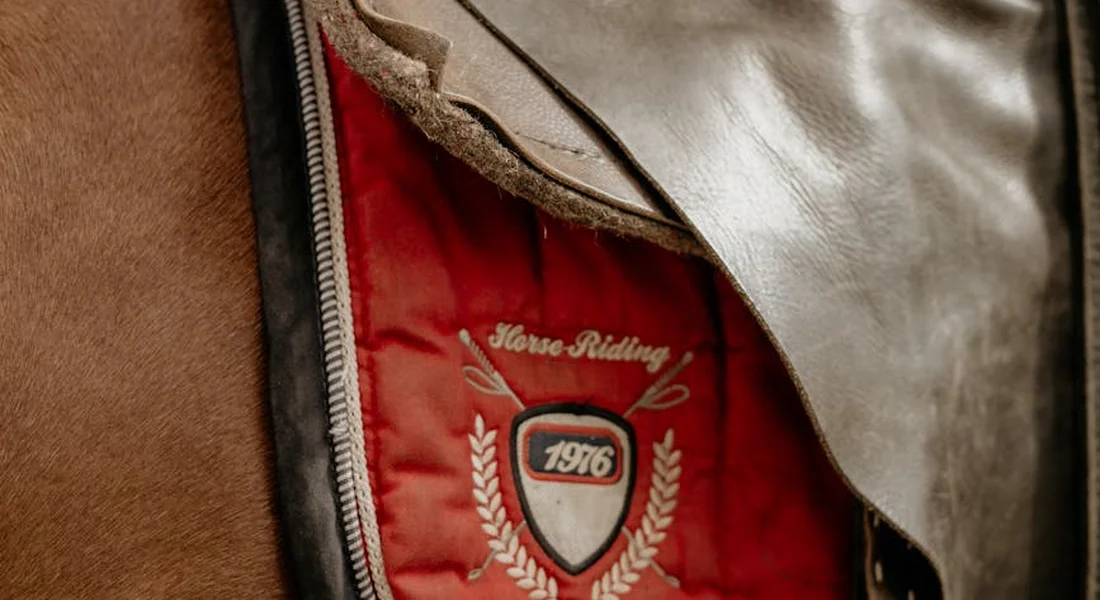
Think of your saddle as a custom-fitted chair that needs to stay put on a moving, muscular back. Every strap and piece has a purpose. The tree is the hidden internal frame; it’s the foundation that must match your horse’s back shape to avoid pressure points.
The seat is where you sit, the cantle is the raised back, and the pommel (or swells) is the raised front. Look through the channel under the pommel-that’s the gullet, which must clear the horse’s spine and withers completely. From a horse-anatomy perspective, these features map to the topline and withers. A good saddle fit respects the back muscles and spine, supporting healthy movement.
On the underside, the bars of the tree make contact with the horse. The panels or padding provide cushioning. Leather straps called billets hang down; you’ll buckle the girth to these. The cinch or girth is the belly band that holds it all on.
Familiarity with these parts isn’t just trivia; it lets you troubleshoot a slipping saddle or spot poor fit before it causes a sore back.
The Core Saddling Process: A Step-by-Step Guide
This is where theory meets practice. Rushing creates problems, but a calm, methodical routine builds trust. I’ve seen a flighty Thoroughbred settle because the saddling ritual was predictable and gentle.
Step 1: Prep Your Horse and Workspace
Always start with a tied horse or a patient handler. Gather your clean, dry saddle pad and saddle, checking for debris or broken stitching. Run your hand down the girth to feel for cracks.
Brush your horse’s back thoroughly, especially along the withers, spine, and girth area. Feel for any heat, swelling, or tenderness. This daily touch is your first defense against galls and sores; you’re looking for yesterday’s problem, not creating a new one. These checks also help you spot early signs of illness or injury in your horse. Regular monitoring makes it easier to seek help promptly.
Pick out their hooves. A pebble trapped during saddling can make a horse understandably cranky when you later ask them to move. My pony Pipin once taught me this lesson by doing a little jig the moment I mounted-a sharp stone was his uninvited guest.
Step 2: Positioning the Pad and Saddle
Place the pad well forward on the withers and slide it back into position. This smooths the hair in the direction it lies and prevents uncomfortable bunching.
Lift the saddle high enough to clear the withers and place it gently on the pad. Don’t just drop it. Look from the side: the front of the saddle should sit just behind the shoulder blade, allowing free movement. The gullet must have visible clearance over the entire spine, from withers to cantle.
Check pad placement again. It should be even on both sides with no wrinkles. For a pony like Pipin, ensure the saddle pad isn’t so large it gets tangled in the girth straps-it’s a common, annoying fix mid-tack.
Step 3: Attaching and Adjusting the Girth
Go to the horse’s left side first. Reach under for the girth and buckle it to the billets, starting on a middle buckle. It should be just snug enough to hold the saddle in place—think “contact,” not “tight.” This is similar to how you would put a harness on a horse for proper fit and comfort.
Move to the right side. Often the girth will have slid backward; pull it forward into the natural girth groove behind the elbow. Buckle it equally. Always buckle symmetrically, using the same holes on both sides to keep pressure even.
Do a final check that the girth lies flat, not twisted, and that no skin is pinched. I always run a flat hand between the girth and the horse’s belly, feeling for folded hair or trapped dirt. Gentle grooming touches during tack-up can deepen your connection with your horse. Many riders find that calm, attentive grooming reinforces trust and communication.
Initial Tightening and the “Walk-Around” Check
Now, gently tighten the girth just enough so the saddle feels stable. Never cinch it tight all at once. A horse will often “bloat” its belly in anticipation.
This is the critical step: walk your horse in a small circle or lead them forward a few steps. As they move, their muscles shift and any trapped skin or a bunched pad will reveal itself. After this walk-around, you can and should re-tighten the girth one more notch, as the horse will let out the air it was holding. You should be able to fit two to three fingers comfortably between the girth and the horse. To ensure the fit is accurate, you may want to learn how to measure the girth properly. This helps you select the right size and keep the horse comfortable.
Step 4: Final Adjustments for Rider Safety
Pull down your stirrups to prevent noisy flapping. Run your hand up and down each billet and girth strap one last time, ensuring they lay flat against the saddle webbing.
Check the breastplate or martingale attachment if you use one. Give the saddle a firm wiggle from the pommel and cantle to confirm it’s secure but not restrictive. Finally, look at your horse’s face; a relaxed eye and soft chewing mean you’ve done your job well and they’re ready for work, a sign of trust and comfort between horse and rider.
With a sensitive horse like Luna, I spend an extra moment letting her smell the saddle and easing the girth up slowly. That patience pays off in a calm mount. The goal is a horse that stands comfortably, saddled and waiting, not bracing for discomfort.
Common Saddling Mistakes and How to Avoid Them
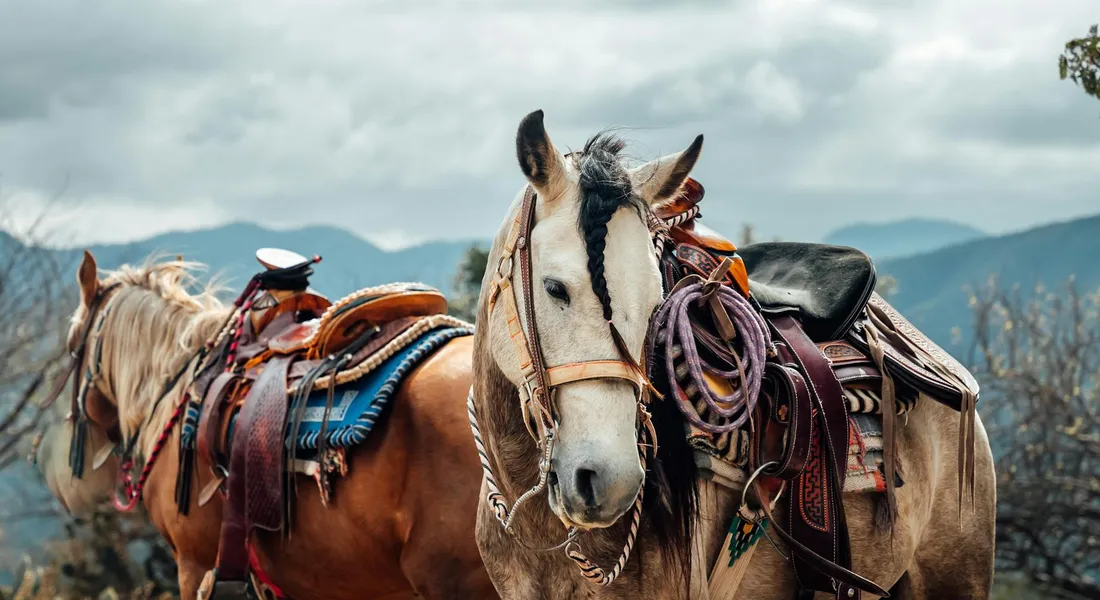
We’ve all been in a hurry, and saddling can feel like a checklist item. That’s when mistakes happen. I’ve made them myself, usually when I was distracted or rushing to beat the rain. Learning from them is what makes us better horsemen.
Rushing the Basics
This is the root of most problems. You walk in, throw the pad on, and hoist the saddle up. Always start with a thorough grooming, especially where the saddle and girth sit; a tiny clump of dirt becomes a sandpaper-sized rub under pressure. Run your hand over their back, feeling for heat, swelling, or tenderness. This two-minute check builds trust and saves you from riding a sore horse.
Improper Pad or Saddle Placement
Placing the saddle too far forward is a classic error. I see it all the time. The front of the saddle should sit behind the shoulder blade, not on top of it. Set the saddle pad and saddle slightly forward first, then slide them back into position; this smooths the hair in the right direction and prevents uncomfortable pinching. If you just drop it straight down, you’ll create wrinkles in the pad and hair, leading to pressure points.
The Girthing Gamble
Here’s where patience pays off. Cinching up tight in one go is a great way to get bucked, bitten, or at the very least, sour a horse for life.
Do your initial girth snugness, then walk your horse in a small circle or let them stand for a few minutes before gently tightening to your riding tightness. This allows their ribs and belly to adjust gradually. Always check your girth again after mounting and a few minutes into your ride.
| Mistake | Why It’s a Problem | The Simple Fix |
|---|---|---|
| Tightening the girth all at once | Startles the horse, can cause girthiness, creates uneven pressure. | Tighten in stages. Do a “pre-walk” tighten, then final check. |
| Ignoring the off-side | Bilts or girth straps can twist, causing rubs and uneven pressure. | Walk to the other side. Smooth the pad, ensure straps are flat. |
| Forgetting the wither clearance check | A too-tight saddle can pinch nerves, causing pain and long-term damage. | Always slide your fingers between the withers and the gullet after girthing. |
Ignoring the Horse’s Feedback
Horses tell us everything. Ears pinned, tail swishing, trying to bite when you girth, or a hollow back when you set the saddle down are not “bad behaviors.” They are reports. A horse that is consistently girthy or cold-backed isn’t being stubborn; they are communicating pain, often from poor saddle fit or a rushed process. Listen to them. It took me months to realize Luna’s tail-swishing at mounting wasn’t anxiety-her saddle was bridging.
Ensuring a Good Fit: Saddle Balance and Pressure Points
A saddle can be the right size on paper but still be a torture device. Fit is about dynamic balance and pressure distribution. Think of it like a good pair of hiking boots-it needs to support without creating hot spots.
The Level Seat Test
This is your first visual check. Place the saddle on your horse’s back without a pad. Look at it from the side. The pommel and the cantle should be level, creating a seat where a marble wouldn’t roll forward or backward. If the pommel is lower than the cantle, the saddle is “downhill,” dumping your weight onto the horse’s forehand. If the cantle is lower, you’ll be fighting a constant slide backward.
Wither and Gullet Clearance
You should always be able to fit two to three stacked fingers vertically between the top of the horse’s withers and the underside of the gullet channel. Check this clearance both before you mount and with your weight in the stirrups; a saddle can sink significantly under rider weight. No clearance means direct pressure on the spine and ligaments. Too much clearance often means the saddle is too narrow, perching on the muscles.
Finding the Bridge (or Lack Thereof)
Bridging is when a saddle makes contact only at the front and the back, with a gap in the middle. It creates two intense pressure points. To check, slide your hand, palm up, under the saddle panel from front to back. You should feel even, firm contact along the entire panel; a noticeable space in the middle is a red flag for bridging. This was Pipin’s issue with a hand-me-down saddle-it looked fine but was making him miserable on long lines.
The Sweat Pattern Tell
Your most honest fit report comes after a good, sweaty workout. Pull your saddle and pad off and immediately look at the sweat pattern on your horse’s back.
An ideal pattern is even and symmetrical across the entire panel area; dry spots indicate no pressure (bridging), and darker, wetter spots indicate high pressure. A dry spot directly under the pommel often means the tree is too wide. Keep these patterns in mind-they are the map to your horse’s comfort.
After the Ride: Tack Care and Horse Check
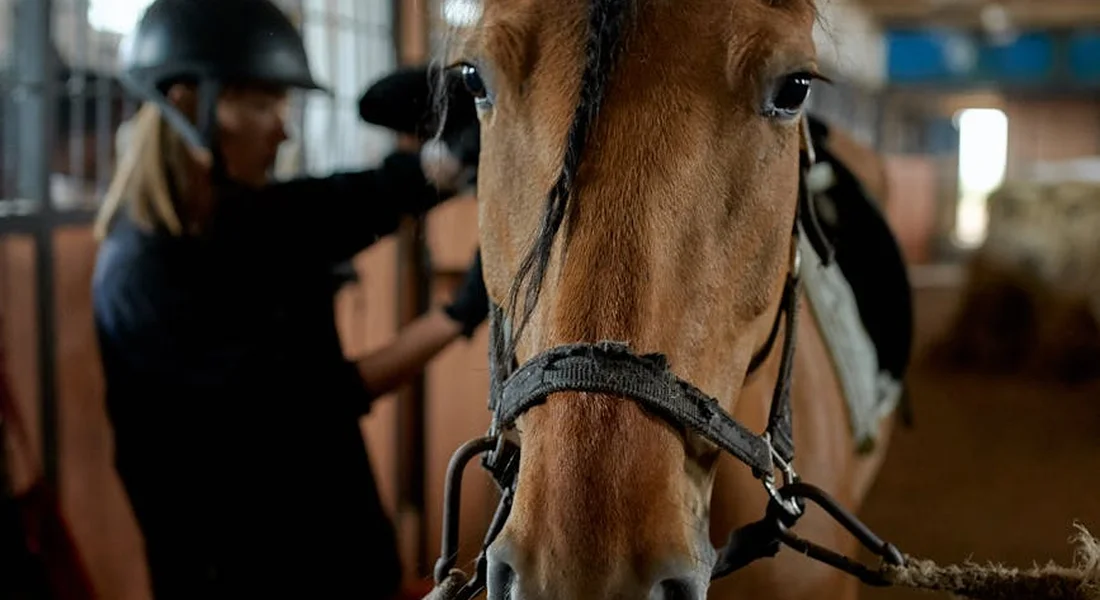
The work isn’t done when your feet hit the ground. What you do in the ten minutes after unsaddling matters just as much as the ten minutes before. I treat this time as a quiet thank-you to my horse and my gear.
Caring for Your Tack: An Investment in Safety
Draping a sweaty saddle over a rail creates a one-way ticket to stiff, moldy leather and a shortened lifespan for expensive equipment. Proper tack care is non-negotiable for safety, as brittle leather can fail when you least expect it. I make it a ritual right after I untack.
Start by giving your saddle a quick wipe-down with a dry towel to remove immediate sweat and hair. For a deeper weekly clean, my process is simple:
- Use a damp (not wet) sponge with a pH-balanced saddle soap. Work it into a lather on the leather, avoiding soaking it.
- Wipe off excess soap with a separate damp cloth, then dry thoroughly with a clean towel.
- Condition the leather every few weeks to keep it supple, paying extra attention to areas that bend, like the billets and stirrup leathers.
- Don’t forget the underside of the panels and the gullet! Built-up grime here affects saddle fit.
Your bridle deserves the same attention. Disassemble it-take off the bit, unbuckle the noseband and throatlatch. Cleaning each piece separately is the only way to ensure you remove every bit of grit and dried sweat from the crevices. Hang your clean, dry saddle and bridle on proper stands in a climate-controlled space, not on a nail in a damp tack room.
The Post-Ride Horse Check: Reading the Story
While your horse cools down, this is your chance to read the physical report card from your ride. Run your hands over their body, feeling for more than just sweat. Observe their breathing and leg movements as you begin the proper way to cool down after exercise. This simple step helps set the stage for a safe, complete recovery.
Start at the top. Feel along their back and shoulders under where the saddle sat. You’re looking for dry spots or areas of thicker, pasty sweat. A dry spot often signals a pressure point where the saddle didn’t make contact, which is a major red flag for fit. On my guy Rusty, I always check behind his shoulders, a common trouble area.
Next, move to the saddle pad. The pattern of sweat and dirt imprinted on it tells a vivid tale. An even sweat pattern is what you want. Look for stark white, dry areas or patches of excessively wet hair; both indicate pressure or friction.
Your post-ride checklist should be as routine as grooming:
| Check | What to Look For | Why It Matters |
|---|---|---|
| Back & Shoulders | Dry spots, lumps, heat, or tenderness. | Indicates saddle pressure points or muscle soreness. |
| Legs & Hooves | Unusual heat, swelling, or digital pulse. | Early detection of strain or inflammation. |
| Girth Area | Chafing, rubbed hair, or sensitivity. | Sign of a dirty girth, poor fit, or overtightening. |
| Hydration & Recovery | Willingness to drink, normal breathing rate returning. | Ensures the horse is cooling down effectively and is not dehydrated. |
Finally, pick out their hooves one last time. Check for any stones lodged that weren’t there before, and feel for excessive heat. I always offer a fresh bucket of water after a ride; a hydrated horse recovers faster and stays healthier. Once they’re cool, dry, and comfortable, the best reward is often just a good roll and quiet time at pasture.
FAQ: How to Saddle a Horse Properly: A Step-by-Step Guide
What does it mean to saddle a horse in real-life equestrian care?
Saddling a horse refers to the comprehensive process of fitting and securing a saddle on the horse’s back to prepare for riding. It involves meticulous steps like grooming, pad placement, and girth adjustment to ensure the horse’s comfort and prevent injury. This practice is essential for promoting safe, effective communication between horse and rider during any equine activity.
How is saddling a horse in Minecraft different from real-life saddling?
In Minecraft, you saddle a horse by simply right-clicking on it with a saddle item, which instantly allows you to ride without any fitting or adjustment. This virtual process lacks the critical steps of checking saddle fit, positioning, and gradual tightening that are vital in real horse care. While convenient in-game, it underscores the importance of the detailed, careful approach required for actual horse welfare and rider safety.
What are some recommended saddle horse breeds for beginners?
Beginner-friendly saddle horse breeds often include the American Quarter Horse for its calm demeanor and versatility, and the Morgan Horse for its sturdy build and gentle nature. Other suitable breeds are the Icelandic Horse for its smooth gaits and the Haflinger for its reliability and strength. Choosing a breed should factor in the rider’s experience, intended riding discipline, and the horse’s individual temperament and training. These points align with the best horse breeds for beginner riders, a resource that highlights calm, reliable partners. Exploring that list can help you compare options as you start your riding journey.
From the Tack Room to the Trail
Correct saddle placement and gradual girth tightening prevent discomfort and ensure stability. The most critical habit is to always re-check every strap and your horse’s demeanor after a few steps, turning a routine task into a ritual of care.
My old trail partner Rusty reminds me that hurrying through saddling often leads to adjustments later. Your horse’s quiet acceptance or subtle resistance is the truest measure of a job well done.
Further Reading & Sources
- High Quality Leather Horse Saddles for Sale
- Western Horse Riding Saddles for Sale | StateLineTack
- Western Saddles | Best Saddles For Sale In 2025 [TOP PRICES]
- Amazon.com: Horse Saddle
At Horse and Hay, we are passionate about providing expert guidance on all aspects of horse care, from nutrition to wellness. Our team of equine specialists and veterinarians offer trusted advice on the best foods, supplements, and practices to keep your horse healthy and thriving. Whether you're a seasoned rider or new to equine care, we provide valuable insights into feeding, grooming, and overall well-being to ensure your horse lives its happiest, healthiest life.
Equipment