
The 5 Biggest Hoof Care Mistakes Owners Make Between Farrier Trims
Hello fellow equestrians, does a faint, sour smell from your horse’s feet or a new chip in the hoof wall make you nervous about the weeks until your farrier’s next visit? That worry is smart-small oversights in daily care can snowball into lameness, steep vet bills, and a horse that’s uncomfortable under saddle.
Let’s tackle those common blunders head-on. I’ll share the practical fixes I use in my own barn, covering:
- Skimping on the daily pick-and-inspect ritual that catches trouble early.
- Misunderstanding moisture balance, leading to brittle or soft hooves.
- Overlooking the subtle signs of thrush or a brewing abscess.
- Reaching for supplements before perfecting pasture and diet basics.
- Using hoof boots as a crutch instead of a correctly-fitted tool.
My years of barn management and training horses, from sensitive Luna to steady Rusty, have shown me that the best hoof health is built on simple, consistent habits between trims.
Mistake #1: Skipping Regular Hoof Inspections
How Often to Check Hooves Between Trims
Your farrier’s visit is a cornerstone of hoof health, but it’s not a get-out-of-jail-free card for the next six weeks. Think of your farrier as the architect and you as the daily building inspector. I make it a non-negotiable habit to run my eyes and hands over every hoof during my evening check, a ritual as consistent as feeding time. For the average horse, a professional trim every 6-8 weeks is the standard, but your own inspections should happen daily, or at minimum every single time you handle your horse. Between farrier visits, make a point of maintaining hoof health through daily picking, cleaning, and watching for cracks or thrush. Small daily checks can prevent bigger issues and keep your horse comfortable between trims.
Here’s my barn-tested method for a quick but effective check. First, I visually scan the hoof while the horse is standing. Look for obvious cracks, chips, or foreign objects like stones. Then, I pick up the hoof. I feel the hoof wall for unusual warmth and check the coronary band for swelling. A quick peek at the sole for packing confirms cleanliness. Comparing a healthy hoof to a troubled one is about knowing your baseline: cool to the touch, no strong odor, and a firm, clean sole versus heat, a pungent smell, or visible tenderness—part of what you learn from doing daily health checks.
Key Signs of Trouble to Catch Early
Catching problems early is the difference between a simple fix and a veterinary bill. Start by safely handling the hoof: always run your hand down the leg, speak calmly, and ensure you and the horse are balanced. Feel for two critical warnings. Place your palm against the hoof wall; it should feel cool like the evening barn air, not warm like a coffee mug. Gently feel the digital pulse on the back of the pastern-a strong, throbbing pulse here is a major red flag for inflammation.
Your nose is a powerful tool. A healthy hoof has a mild, earthy scent. A foul, cheesy odor screams thrush. Never ignore a sudden change in gait or reluctance to bear weight; your horse is telling you something hurts long before a visible wound appears. Here are the red flags that mean stop everything and call your farrier or vet:
- Persistent heat in the hoof wall or coronary band.
- A pronounced digital pulse you can easily feel.
- A sharp, rotten smell emanating from the sole or frog.
- New cracks, splits, or chunks missing from the hoof wall.
- Any sign of lameness or point-tapping tenderness.
- Unusual discharge or dark, gooey material in the frog sulci.
Mistake #2: Inadequate or Incorrect Hoof Cleaning
The Right Way to Pick and Clean a Hoof
Hoof picking isn’t just a chore; it’s a diagnostic opportunity. I learned this with Pipin, our Shetland pony, who would cleverly pack his feet with mud to hide a sole bruise. Begin by positioning yourself safely at the horse’s shoulder, facing the tail, and run your hand down the tendon to ask for the hoof. This routine is part of the complete guide to horse hoof anatomy structure. Hold the hoof firmly but comfortably, cradling it between your knees isn’t gentle for their joints.
Grab a sturdy hoof pick. Start at the heel and work forward, using the pick’s tip to dislodge packed dirt, stones, and manure from the white line and sole. The crucial part is cleaning the frog’s central sulcus (the V-shaped groove) and the collateral sulci on the sides. Use the pick’s edge, not the sharp tip, to gently clear this area. For a sensitive soul like Luna, I use a soft brush after picking to sweep away remaining dust, which keeps her calm and ensures nothing is missed. A final visual check confirms the sole is clean and the frog is firm and healthy.
Common Cleaning Errors That Cause Harm
Rushing through hoof cleaning is a recipe for trouble. The most common error is a superficial scoop that leaves impacted debris deep in the frog sulci. This moist, packed material is the perfect breeding ground for thrush. Another mistake is being too aggressive, especially with the frog. Stabbing or digging too deeply into the frog can cause pain and bleeding, teaching your horse to resent hoof handling. I’ve seen owners miss small pebbles wedged in the white line, which can create pressure points and lead to abscesses.
These shortcuts directly lead to issues. Trapped moisture and organic matter cause thrush, which smells like rotten compost and makes the frog spongy. Impacted dirt can separate the white line, allowing bacteria in. Learn the sensory signature of a clean hoof: it should look uncluttered, feel solid under light pressure from your thumb, and smell like clean dirt or nothing at all. Contrast that with the tell-tale signs of neglect-a foul odor, black ooze, or a frog that feels mushy and retreats from touch.
Mistake #3: Misusing Hoof Dressings and Products
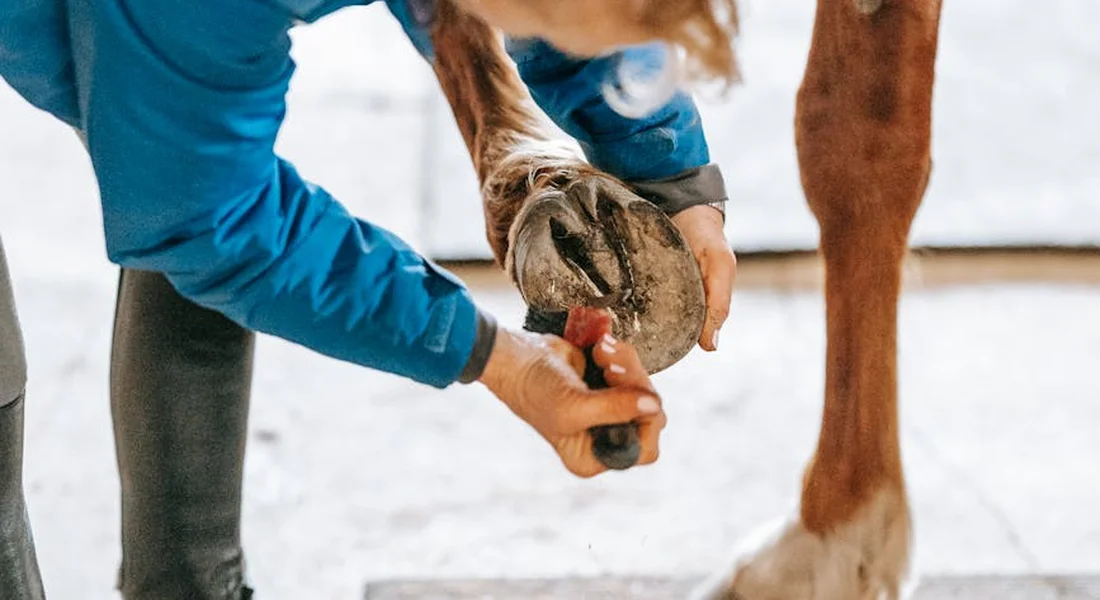
Slathering on hoof dressing every day because the bottle says to is a common barn blunder. I’ve seen more hooves harmed by well-intentioned over-conditioning than by neglect. Think of hoof dressing like hand cream: you only need it when your skin is truly dry, not as a daily ritual.
When and How to Apply Hoof Dressing Correctly
Not every hoof needs a product. True need arises from specific, observable conditions. Apply dressing only when the hoof wall is dry and lacks flexibility, often in arid climates or during winter’s freeze-thaw cycles. A healthy hoof in a balanced environment typically maintains its own moisture.
Here’s my barn-tested method for application, honed on everything from Pipin’s sturdy little feet to Luna’s more delicate ones.
- Pick the hoof completely clean. Any dirt or manure seals moisture out.
- Use a brush or your fingers to apply a thin layer. A pea-sized amount per hoof is often plenty.
- Focus on the coronary band and the hoof wall. This is where new hoof grows from and where moisture loss happens.
- Avoid the sole and frog entirely. Coating them traps bacteria and can cause soft, rotten tissue.
- Rub it in thoroughly until the product disappears. You shouldn’t see a greasy film.
Product types matter. Moisturizers, often with lanolin or oils, are for adding hydration. Sealants, like those with pine tar, create a barrier to lock in the hoof’s natural moisture. Using a sealant on a damp hoof is like wrapping it in plastic-it will stew and soften. For Rusty in our muddy spring, I use nothing. For a dry-spell summer, a light sealant on his walls every other week does the trick.
Signs Your Horse Actually Needs Product Help
Your eyes and hands are the best tools. Look for these clear indicators that a product might be beneficial.
- The hoof wall feels brittle and sounds hollow when tapped.
- Visible cracks, especially horizontal ones or those starting at the coronary band.
- A chalky, flaking texture that crumbles when you pick the hoof.
Contrast this with a hoof that’s too soft or thrushy. A stinky, spongy frog signals an environmental issue-too much time in wet muck-not a lack of dressing. In those cases, more product makes the problem worse. The fix is more dry turnout and cleaner stall conditions.
My rule is minimalist. After wrestling with a bottle of goop on a warm day, I learned less is more. Luna’s hooves taught me that a sensitive horse often needs better diet and footing, not more chemicals. Start with biotin-rich feed and consistent turnout before reaching for a bottle.
Mistake #4: Ignoring Early Signs of Common Hoof Problems
Small hoof issues become big, expensive lamenesses fast. I’ve caught problems early just by making the daily hoof pick a proper inspection, not a hurried chore.
Identifying Thrush, Cracks, and Bruises
Thrush isn’t subtle. In the central cleft of the frog, you’ll find black, tar-like gunk. The smell is unmistakable-a foul, rotten odor that clings to your pick. A little is normal in wet weather, but deep, sensitive pits mean it’s time to act.
Cracks tell stories. Vertical “grass cracks” start at the ground and move up; often from dry, brittle hooves. Horizontal “sand cracks” or “blowouts” start at the coronary band and move down, usually from trauma or nutritional stress. A crack is more than cosmetic if you can catch your fingernail in it or see a dark line that might indicate inner bleeding.
Bruises hide on the sole. After cleaning, look for red or purple spots. Run your thumb firmly over the area; a bruised sole will often make your horse flinch or pull the foot away. That thud you heard when Pipin trotted over gravel? That’s likely the moment a bruise formed.
Problems That Require Immediate Farrier Attention
Some issues can’t wait for the next six-week appointment. Call your farrier now if you see:
- A crack that extends into the pink, sensitive laminae (the “quick”) or bleeds.
- Underrun heels where the heel bulbs are crushed forward, making the hoof wall nearly vertical.
- A deep puncture wound in the sole or frog, especially if you suspect something is embedded.
- Sudden, severe lameness with heat in the hoof, indicating a possible abscess.
Before help arrives, your job is damage control. Clean the area gently with mild soap and water, then wrap the hoof in a clean bandage or secure a protective boot. Move your horse to a clean, dry stall or small paddock to limit movement. For a suspected abscess, a warm Epsom salt soak can draw out infection.
Ignoring these signs has cascading effects. A neglected crack can split wider, compromising the entire hoof capsule. Chronic heel pain from underrun heels places strain on the tendons and ligaments, contributing to long-term issues like navicular syndrome. Early action is the cheapest and kindest form of lameness prevention you can practice.
Mistake #5: Overlooking Hoof Balance and Wear Patterns
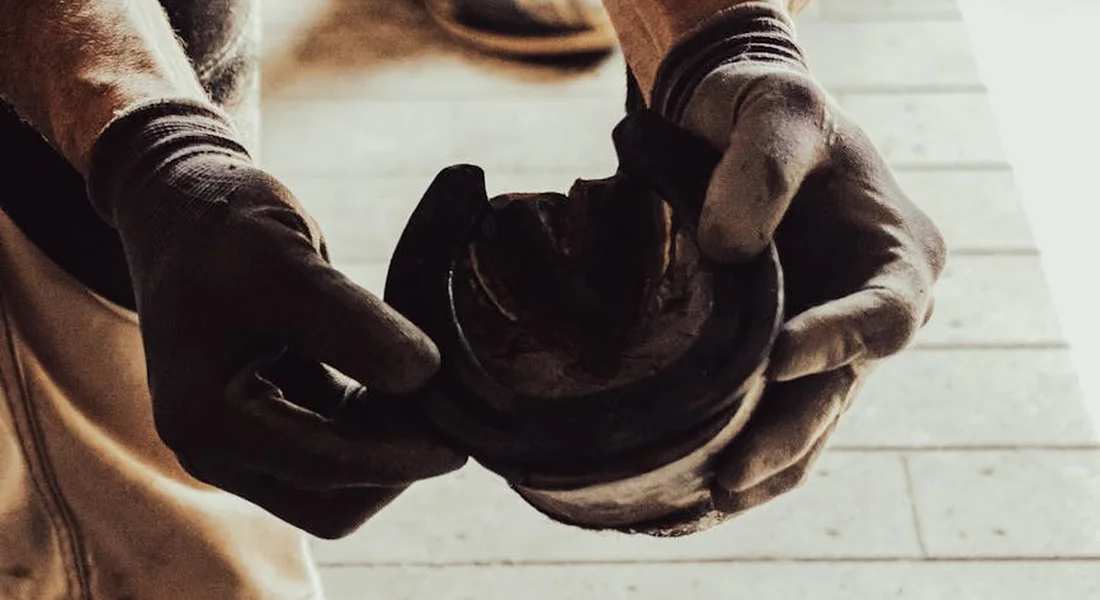
I’ve seen more than one sound horse develop a mysterious hitch in their step, only for us to trace it back to a hoof that slowly lost its symmetry. Ignoring the subtle changes in your horse’s hoof shape between trims is like ignoring a car’s alignment until the tires are bald. Your farrier sets the perfect balance, but your horse’s environment and movement dictate how that balance wears down each day.
Recognizing Toe Overgrowth and Uneven Wear
Look at your horse’s hoof from the side. A healthy hoof has a straight line from the pastern down the front of the hoof wall. When the toe grows too long, that line breaks, and the hoof wall starts to curve forward like a ski tip. The heel, in response, often gets pulled forward and underrun, losing its supportive height.
From the front, lift the hoof and look at the bottom. Are both sides of the frog the same size? Is the hoof wall wearing evenly from the left to the right? Luna, my sensitive Thoroughbred, will wear her outside wall faster if she’s tense on a particular circle. Uneven wear is your horse’s footprint telling you a story about their posture, comfort, and movement.
Your turnout surface is a co-author in this story. Deep, soft mud encourages hooves to splay and slows natural wear. Hard, rocky ground can be too abrasive. The sweet spot is a well-drained, varied paddock that offers gentle filing. I watch Pipin the pony on our gravelly track; it naturally wears his ever-growing toes more than the lush pasture ever did.
Simple Maintenance to Support Your Farrier’s Work
You can safely manage minor flares between visits. A flare is when the hoof wall bends outward, breaking that clean, vertical line. It’s a weak spot waiting for a crack.
With a clean, dry hoof and a sharp rasp in hand, you can carefully file down that protruding flare to help maintain the proper hoof wall angle. Always rasp from the top (coronet) down to the bottom, following the hoof wall’s intended angle.
- Tools: A good hoof rasp (I prefer a double-sided one), a sturdy hoof stand, and gloves. A tool like the Mustad Hoof Jack can safely hold the foot at a good working height.
- Target Area: Only the flared, protruding wall. Do NOT rasp the bottom surface (the sole) or the bars of the foot. Your goal is to remove the bend, not shorten the entire toe.
- Areas to Avoid: Never rasp the sensitive periople (the waxy band just below the coronary band), and stay well away from the sole and frog. If you’re unsure what a flare is, wait for your farrier and ask for a lesson.
This isn’t about doing your farrier’s job. It’s about being a good custodian in the weeks between. A few mindful strokes with a rasp on a Wednesday can prevent a lever-arm effect on the tendons that builds up by Saturday. Think of it as brushing your horse’s coat-it’s basic upkeep that supports overall health and makes the professional’s next job easier, cleaner, and more effective.
FAQ: The 5 Biggest Hoof Care Mistakes Owners Make Between Farrier Trims
What are the most common mistakes owners make between farrier visits?
Owners frequently skip daily hoof inspections, allowing minor issues to go unnoticed. Another error is using improper cleaning techniques that fail to remove deep debris, promoting thrush. Additionally, misapplying hoof dressings or ignoring early wear patterns can disrupt natural hoof balance and health. To ensure safe, effective care, follow a step-by-step guide to proper horse hoof cleaning. It walks you through inspection, cleaning, and maintenance in a structured way.
How often should owners check their horse’s hooves?
Hooves should be examined daily, ideally each time the horse is handled or during routine care. This consistent practice helps identify changes like cracks or odors before they worsen. Regular checks ensure that problems are addressed promptly between scheduled farrier appointments.
What signs indicate a hoof problem that needs immediate attention?
Seek immediate help if you detect unusual warmth in the hoof wall or a strong digital pulse at the pastern. A foul, rotten smell from the frog or visible cracks extending into sensitive tissues also warrants urgent care. Sudden lameness or tenderness when pressure is applied should never be ignored and require professional evaluation.
Stewardship Between the Steel
Integrate a thorough hoof pick and visual inspection into your daily grooming ritual, paying close attention to the sole, frog, and coronary band. Your consistent, knowledgeable touch between farrier appointments is what truly preserves soundness and prevents the majority of common hoof ailments.
Let your horse’s posture and patience be your guide, turning routine care into a conversation of trust. This mindful attention is the cornerstone of gentle horsemanship and the surest path to a healthy, happy horse. Over time, that dialogue builds a strong bond and trust between you and your horse. Trusting your horse in return deepens cooperation and confidence.
Further Reading & Sources
- Farrier Care for Horses: Hoof Balance, Trimming & Shoeing | Mad Barn
- r/Farriers on Reddit: Resources for owners wanting to learn basic hoof trimming?
- Horse Hoof Trimming – Beginners Guide
- Hoof Trimming Dos and Don’ts
At Horse and Hay, we are passionate about providing expert guidance on all aspects of horse care, from nutrition to wellness. Our team of equine specialists and veterinarians offer trusted advice on the best foods, supplements, and practices to keep your horse healthy and thriving. Whether you're a seasoned rider or new to equine care, we provide valuable insights into feeding, grooming, and overall well-being to ensure your horse lives its happiest, healthiest life.
Hoof Care