
Male and Female Horse Terminology: Your Clear Barnside Reference
Hello fellow equestrians, ever hesitate when calling a horse a “colt” or a “gelding,” worried you might get it wrong? Confusing these terms is more than a social faux pas-it can lead to misdirected care, unexpected behavioral challenges, and even safety risks in the barn.
I’ve watched many dedicated owners grapple with this, leading to frustrating training setbacks or unnecessary calls to the vet. Getting the language right is your first step to truly understanding your equine partner.
In this guide, I’ll cut through the jargon. We’ll cover:
- The precise definitions for every life stage, from foal to senior
- Key behavioral traits linked to geldings, stallions, and mares
- Essential handling and management tips for each classification
My advice is forged from years in the saddle and countless hours in the barn aisle, managing everything from sensitive thoroughbreds to crafty ponies like my own crew.
The Foundation: Stallion, Mare, and Gelding
Before we get into the baby talk, you need a solid handle on the three main categories of adult horses. Mistaking one for another isn’t just a terminology slip-it’s a safety and management issue. I’ve seen barns turned upside down by a simple miscommunication.
Stallion: The Intact Male
A stallion is an intact, or entire, male horse four years or older. Under four, he’s called a colt. The presence of a stallion changes the energy of an entire barn. They are powerful, often hormonally driven athletes that demand immense respect, expert handling, and very secure fencing. Managing a stallion safely is a full-time commitment that requires experience, consistency, and absolutely no complacency. They are not typically recommended for casual owners or busy boarding barns, as their turnout and social options are severely limited for everyone’s safety. There are many beliefs about keeping intact stallions that aren’t accurate. The truth about stallions—debunking 8 myths about keeping intact males—offers clear, fact-based insights.
Mare: The Adult Female
A mare is a female horse four years or older. Under four, she’s a filly. Mares are the heart of many barns-often incredibly capable, smart, and willing partners. Some may exhibit mood or behavior changes during their estrous cycle, which we casually call being “in season.” The key with any mare, whether she’s sensitive like Luna or steady as a rock, is to listen; they are brilliant communicators if you pay attention to more than just words. For a deeper understanding, a complete guide to horse behavior psychology can help. It helps translate their subtle signals into effective, humane handling. With patience and soft hands, a mare’s partnership is unparalleled.
Gelding: The Castrated Male
A gelding is a castrated male horse of any age. This surgical procedure removes the testes, drastically reducing testosterone-driven behaviors. It’s one of the most responsible decisions an owner can make for a horse not intended for premium breeding. Geldings are often the stable, reliable backbone of riding programs, and for good reason-their predictability makes them wonderful teachers and trustworthy companions. Proper gelding process aftercare is vital, guiding healing and long-term welfare and ensuring a smooth return to work and daily routines.
The Practical Perks of a Gelding
Why are geldings so popular? Let’s talk daily life at the barn. My old reliable trail horse, Rusty, is a gelding, and his temperament is a big part of why our rides are so peaceful.
- Predictable Demeanor: Without hormonal surges, geldings tend to have steady, consistent personalities day in and day out.
- Easier Socialization: They can usually be turned out with other geldings and many mares, fulfilling their crucial need for herd interaction and movement.
- Focus on Work: Their attention is generally more on you and the task, not on the mare in the next ring or defending territory.
- Safer Management: Secure paddocks are still a must, but you worry less about dramatic escapes or aggressive disputes.
Young Horse Terms: From Birth to Adulthood
The terminology for young horses is all about age and gender. Getting it right helps you understand exactly what life stage you’re dealing with, which dictates everything from nutrition to training. These basics are essential horse facts and terminology beginners should know to gauge a horse’s capabilities. Mastering the terms here sets a solid foundation for safe care, nutrition, and training.
Foal, Colt, and Filly
All baby horses are foals from the moment they are born until they are weaned. The moment you step into a stall with a newborn foal, the world gets quieter; you’re witnessing pure potential. The gender terms start at birth:
- A male foal is a colt.
- A female foal is a filly.
These terms hold until they turn four. So, you can have a yearling colt or a three-year-old filly. Early handling of foals is about building confidence through gentle, positive experiences, shaping the horse they will become.
Weanling and Yearling
These terms mark specific, often challenging, transitions in a young horse’s life.
A weanling is a foal that has been separated, or weaned, from its dam. This usually happens between 4 and 7 months of age. It’s a stressful time. In the barn, we manage this by providing constant forage, calm companions, and a safe environment. The weanling’s growth plates are soft, and their nutritional needs are precise-this is not a time for generic feeding.
A yearling is a horse in its second year of life, between one and two years old. They are often all legs and curiosity, like oversized, clumsy puppies. Yearlings need vast amounts of turnout to grow strong bones and tendons, not forced exercise. Their training is limited to ground manners, habituation to grooming, and learning to lead politely-like teaching young Pipin that not every human hand contains a treat, even though he believes otherwise.
Breeding and Bloodline Terminology
Sire, Dam, and Broodmare
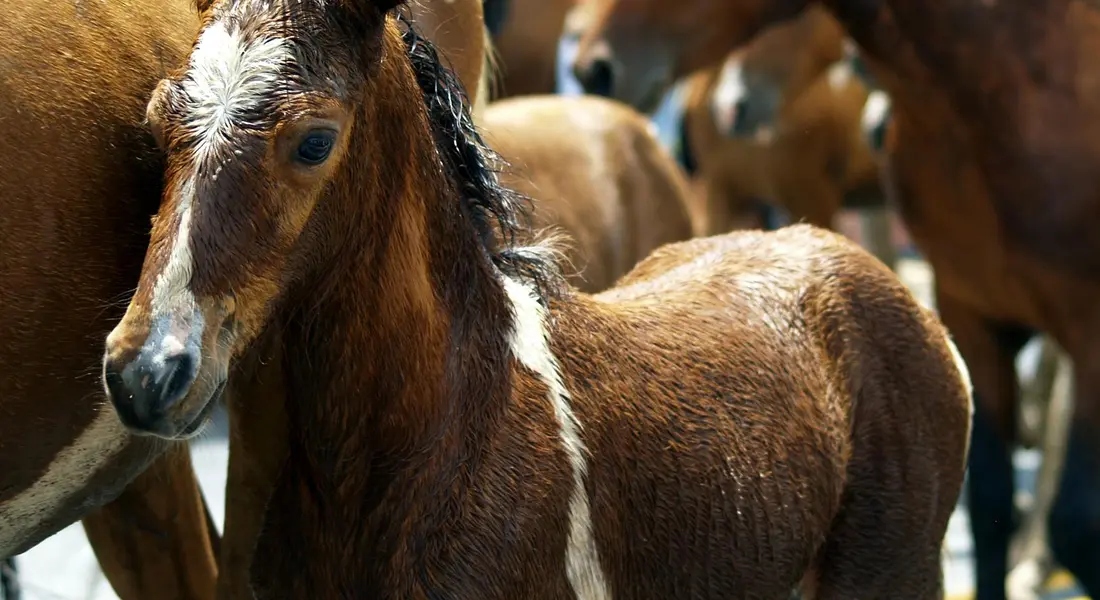
Talk horse pedigrees, and you will quickly hear “sire” for the father and “dam” for the mother. These terms are the foundation of bloodline discussions, helping you trace the origins of a horse’s build, gait, and even personality. A broodmare is a mare specifically used for breeding. I recall Luna’s thoroughbred sire was known for his speed, a trait she certainly inherited, while Pipin’s dam was just as clever as he is. Think of the stallion sire and broodmare as two halves of a strong bloodline. Their pairing shapes which traits appear in foals. Responsible breeding always puts the mare’s welfare first, ensuring she is in peak health, has generous turnout, and enjoys a calm environment before and after foaling. A stressed or confined mare faces higher risks, so gentle horsemanship is key from the start.
Here is a quick breakdown of these key terms:
- Sire: The male parent. A respected sire might pass on a strong topline or a quiet mind to his offspring.
- Dam: The female parent. Her nutrition and comfort during pregnancy are paramount for a healthy foal.
- Broodmare: A mare in the breeding program. Not every mare is suited to be a broodmare; some are better left as athletes or companions.
Stud and Stud Farm Operations
A “stud” is a male horse, typically a stallion, used for breeding. A grasp of horse breeding fundamentals—genetics, lineage, and responsible mate selection—helps frame ethical practice. These breeding fundamentals guide stallion selection, mare pairing, and welfare planning. Stud farm operations require a deep commitment to equine welfare, balancing precise logistics with the innate needs of the horse. The best operations I’ve visited have a rhythm-the morning scent of dew on pasture, the soft nickers between mares, and the deliberate, patient work of handlers. Ethical farms prioritize daily turnout for every horse, understanding that a stallion with room to move is a safer, more balanced animal. Confinement only fuels stress and potential behavioral issues.
Good stud farm practice includes several non-negotiable elements:
- Spacious, safe paddocks for daily exercise and mental relaxation.
- Skilled handlers who use quiet pressure and release, not force.
- Rigorous veterinary protocols for breeding soundness and foal health.
- Transparent records that track lineage and health clearances.
Special Cases and Clarifications
Rig and Cryptorchid: The Incomplete Gelding
A rig, or cryptorchid, is a gelding with one or both testicles retained inside his abdomen. This incomplete castration means he may still produce testosterone and exhibit stallion-like behaviors, which can be confusing and hazardous. I managed a sweet gelding who suddenly started herding mares; our vet confirmed he was a cryptorchid. If your gelding shows unexpected aggression or interest in mares, have a vet check for cryptorchidism-surgical removal is often necessary for his long-term health and safety. His turnout buddies will thank you for the peace.
Spayed Mare: A Rare Procedure
Spaying a mare, or ovariectomy, is an exceedingly rare surgery in equine medicine. Due to the invasive nature and significant recovery risks, it is typically a last resort for severe medical conditions, not a routine behavior fix. In two decades of barn life, I’ve known only one spayed mare, a rescue with a tumor. Most mare-specific behaviors are best managed through consistent training, ample herd turnout, and sometimes dietary adjustments, not surgery. Always exhaust gentler management strategies with your vet before considering such a major procedure—especially when it comes to equine reproductive behavior.
Why This Language Matters for Day-to-Day Care
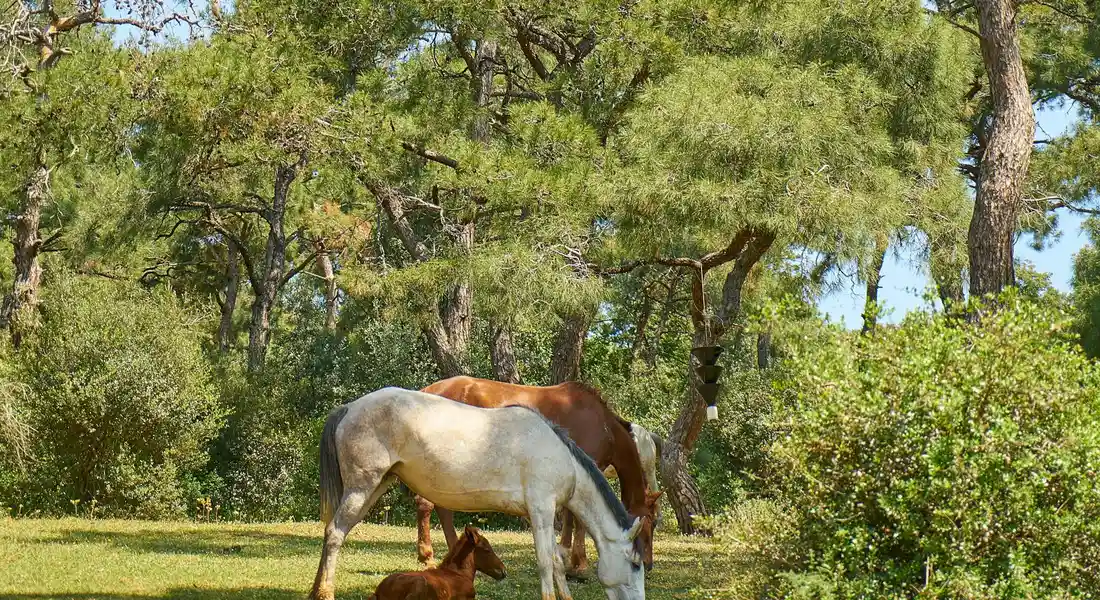
Knowing the difference between a colt and a stallion isn’t just wordplay for the show ring. It directly impacts how you manage your herd, handle your horses, and plan their daily lives. Getting the terms right means you’re thinking about the whole horse, not just its name.
Behavioral Expectations in the Herd
Group dynamics in a pasture are dictated by hormones and social structure. A herd with a stallion present operates very differently than one with just mares and geldings. Understanding horse herd dynamics and social enrichment can offer practical guidance for daily turnout and introductions. It is a field where patience and observation help horses navigate status, bonds, and safety. I once had to carefully introduce Luna, my sensitive Thoroughbred mare, to a new paddockmate; understanding her nature as a mare helped me predict her initial aloofness before she decided to make friends.
Stallions require specialized handling and separate, secure housing for everyone’s safety, as their natural instincts are geared toward competition and breeding. For prospective owners who aren’t breeding, understanding gelding vs stallion helps set practical expectations for a family pet. This pet-focused overview prioritizes non-breeders and everyday safety when choosing a horse companion. Geldings, like my old reliable Rusty, are typically more even-keeled and make for wonderful, predictable companions in a mixed herd. Mares can be brilliantly intuitive and form deep bonds, but their cycles may influence mood or sensitivity, which a savvy handler notes without judgment.
Tailoring Routines for Gender and Age
Your feeding, turnout, and training schedules should reflect your horse’s stage of life and sex. A growing yearling colt has vastly different nutritional needs than a senior gelding. A broodmare’s care changes monthly, while a performance mare’s routine might be adjusted for her comfort during estrus.
Always discuss with your vet whether a young colt should be gelded; this decision affects his long-term health, temperament, and your management options. For daily routines, I keep a closer eye on water intake for my senior gelding and adjust Pipin the pony’s grain based on his easy-keeping nature, a common trait in mature geldings. Your feed chart, deworming schedule, and even your choice of paddock buddies all stem from this fundamental understanding.
Navigating Terminology at Shows and on Paper
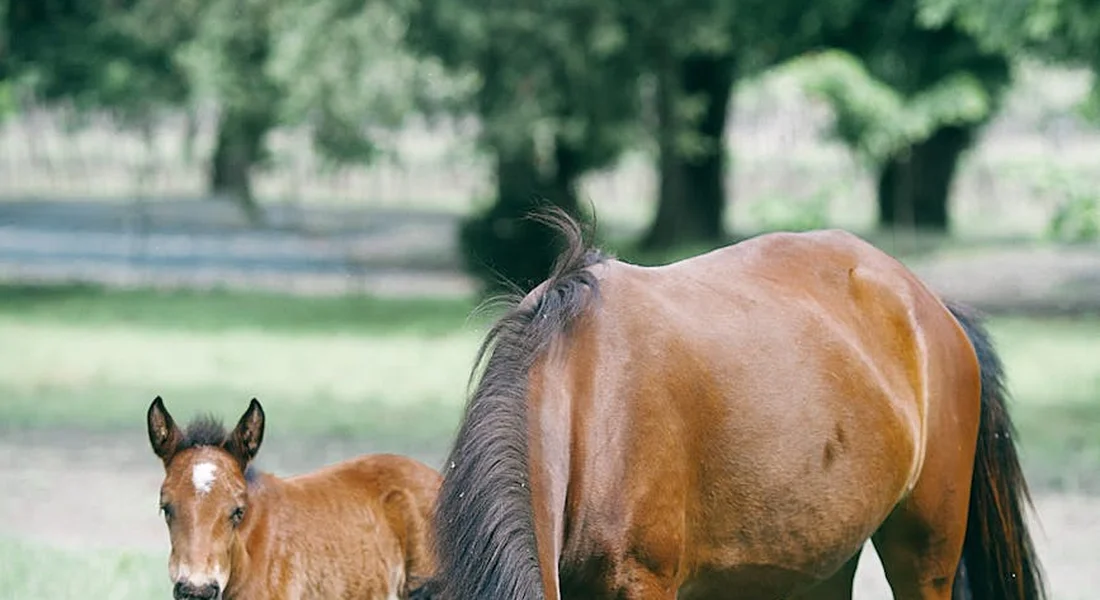
When you step into the show office or open a registration document, the lingo gets formal. Precision here prevents costly mistakes and ensures your horse is in the right class.
How Shows and Registries Classify Horses
Shows and breed registries use specific terms to create fair competition and accurate records. You’ll often see classes divided by sex and age, like “Yearling Fillies” or “Aged Geldings.” A “weanling” is a foal that has been separated from its dam, while a “suckling” is still nursing.
Misclassifying your horse on an entry form can lead to disqualification, so when in doubt, ask the show secretary or consult your horse’s official papers. Most registries require a veterinary certificate for a gelding. This table clarifies how a single horse transitions through terms over time:
| Age Range | Male | Female |
|---|---|---|
| Under 1 year | Colt (Foal) | Filly (Foal) |
| 1-3 years | Colt | Filly |
| 4+ years | Stallion or Gelding | Mare |
Communicating Clearly with Farriers and Vets
Your farrier arrives, and you say, “The young male is due for a trim.” But is he a two-year-old colt or a four-year-old stallion? That detail matters. Colts are still growing, and their hoof angles may need different attention. A stallion might require a more cautious approach during handling.
Giving your vet the precise term helps them immediately contextualize potential health issues, from breeding soundness in a stallion to common reproductive cancers in older geldings. When I call about Luna, I say “my six-year-old mare” – that one word tells the vet a lot before they even open the truck door. Clear language gets you the right care, faster.
FAQ: Understanding Male and Female Horse Terminology
What is a castrated male horse called?
A castrated male horse is called a gelding. This is one of the most common classifications in riding and companion horses. The procedure typically results in a more predictable and manageable temperament, making geldings suitable for many owners.
What is the term for a horse that has given birth?
A female horse that has given birth is often referred to as a dam in the context of her offspring. If she is actively part of a breeding program, she may also be called a broodmare. Her care requires specific knowledge of reproductive and nutritional health.
What is the term for a horse that has not given birth?
A female horse that has never given birth is called a maiden mare. This term is often used in breeding contexts to describe her reproductive status. Whether in training or breeding, her management is distinct from that of a mare with foaling experience.
From Words to Wisdom: Caring for Every Horse
Knowing the difference between a colt, a gelding, and a mare sharpens your conversations with trainers and vets, leading to better daily care. Accurate terms are your first defense against errors in breeding plans, feed schedules, or medical records.
True horsemanship means looking past the label to learn the horse in front of you. Your most important job is to listen to them, ensuring their well-being through patient, safe handling every single day.
Further Reading & Sources
- Horse gender definitions
- Horse Terminology for Beginners: Gender and Age – Last Chance Ranch Sanctuary
- Horse Age & Gender Terminology Explained ~ EquiPepper
- A Helpful Horse Gender Guide for Beginners – Horse Rookie
At Horse and Hay, we are passionate about providing expert guidance on all aspects of horse care, from nutrition to wellness. Our team of equine specialists and veterinarians offer trusted advice on the best foods, supplements, and practices to keep your horse healthy and thriving. Whether you're a seasoned rider or new to equine care, we provide valuable insights into feeding, grooming, and overall well-being to ensure your horse lives its happiest, healthiest life.
Behavior