
Water Quality for Horses: Test and Improve Your Herd’s Water Source for Better Health
Published on: September 12, 2026 | Last Updated: September 12, 2026
Written By: Henry Wellington
Hello fellow equestrians. Is your horse drinking less than usual, or have you faced mysterious bouts of colic that left you scouring for answers? That gut-churning worry and the vet bills that follow often trace back to a hidden culprit: what’s in your water bucket.
Today, we’re tackling that source head-on. I’ll guide you through how to properly test your barn’s water for dangerous contaminants, decode common problems from bacterial slime to heavy metals, and apply straightforward fixes to ensure every sip is safe and appealing.
After decades of barn management with characters like the picky Rusty and sensitive Luna, I’ve seen firsthand how water quality directly shapes a horse’s vigor and well-being.
Recognizing the Red Flags: Signs of Poor Water Quality
Your horse often tells you about a water problem long before you ever think to test it. The signs are subtle, but once you know them, you’ll see them everywhere. Knowing how to check if your horse is dehydrated can help you address these issues promptly.
Behavioral Red Flags
Watch how your horse interacts with the water source. Their instincts are sharp.
- Reduced Intake: This is the biggest warning. If your horse consistently leaves water in the bucket or only takes small sips, the taste or smell is likely off.
- Pawing at the trough or bucket, often a sign of frustration with an unfamiliar or unpleasant substance in the water.
- Outright refusal, turning their head away after sniffing the water’s surface.
- Drinking excessively from puddles or streams in the pasture while ignoring their clean-looking trough. This can indicate their trough water is chemically treated or mineral-heavy, making puddle water taste “softer” and more appealing.
Physical Health Issues
Chronic poor water leads to poor hydration, and the domino effect on health is serious.
- Intermittent, low-grade colic is a classic sign of inadequate water consumption.
- A dull, lifeless coat and dry skin that lacks elasticity.
- Unexplained weight loss or poor condition, as the digestive system cannot function properly without sufficient water.
- Decreased manure output, with balls that are dry, hard, and smaller than usual.
- Lethargy and poor performance, as even mild dehydration impacts muscle function and recovery.
Barn Observations
Use your own senses. Get your eyes and nose close to the water.
- A visible film or oily sheen on the surface, often from bacterial growth or decomposing organic matter.
- A greenish tint or visible algae clinging to the sides of the trough.
- A rotten egg smell, indicating hydrogen sulfide gas from sulfate-reducing bacteria.
- Excessive rust staining or a red/brown color, pointing to high iron content.
- A white, chalky residue on the waterer’s edges, which is mineral scale from hard water. I learned this the hard way with Pipin; his favorite trick was flicking the mineral scale chips from his bucket like they were treats, a sure sign our well water needed attention.
What’s in the Water? Key Contaminants and Safe Levels
Water isn’t just H₂O. It’s a cocktail of minerals and microbes picked up from the ground, pipes, and even the air. Knowing the usual suspects helps you understand what your test results mean.
Common Culprits
- Bacteria (Total Coliforms & E. coli): These indicate fecal contamination from runoff or a cracked well casing. They can cause digestive upset and disease.
- Nitrates & Nitrites: Often from fertilizer runoff or septic systems. They interfere with oxygen in the blood, which is especially dangerous for pregnant mares.
- Total Dissolved Solids (TDS): This is the total weight of all minerals (like calcium, magnesium, sodium) in the water. Too high, and water tastes salty, discouraging drinking.
- Sulfates: High levels, often from deep wells or shale, have a laxative effect and can lead to chronic diarrhea and weight loss.
- pH Level: Measures how acidic or alkaline the water is. Extreme pH can corrode pipes (adding metals to water) or indicate contamination.
Understanding Your Water Test Report
Use this simple guide to decode the numbers. Safe levels for horses are generally more forgiving than for humans, but vigilance is key when monitoring normal vital signs.
| Contaminant/Metric | Preferred/Safe Range for Horses | Risks at High Levels |
|---|---|---|
| pH | 6.5 – 8.5 | Low pH (acidic) corrodes metal. High pH (alkaline) can cause scale buildup and reduced water intake. |
| Total Dissolved Solids (TDS) | Less than 6,500 ppm (mg/L) | Palatability decreases; can act as a laxative. Over 10,000 ppm is considered unfit. |
| Nitrate (as N) | Less than 100 ppm | Reduces blood’s oxygen-carrying capacity; a serious risk for pregnant mares. |
| Sulfate | Less than 500 ppm | Has a strong laxative effect, leading to chronic diarrhea and poor nutrient absorption. |
| Total Coliform Bacteria | 0 CFU/100mL | Indicates possible pathogenic contamination and a route for disease. |
A high TDS reading was the root of Rusty’s mystery weight loss one summer; the water tasted so bitter he’d rather go thirsty, teaching me that safe doesn’t always mean palatable. Beyond the numbers, trust your horse’s reaction. If they refuse water that tests “safe,” the issue might be taste from a mineral like iron or manganese, which demands a different solution—especially when it comes to safe horse weight loss rate and management.
How to Test Your Horse’s Water Source: A Step-by-Step Plan
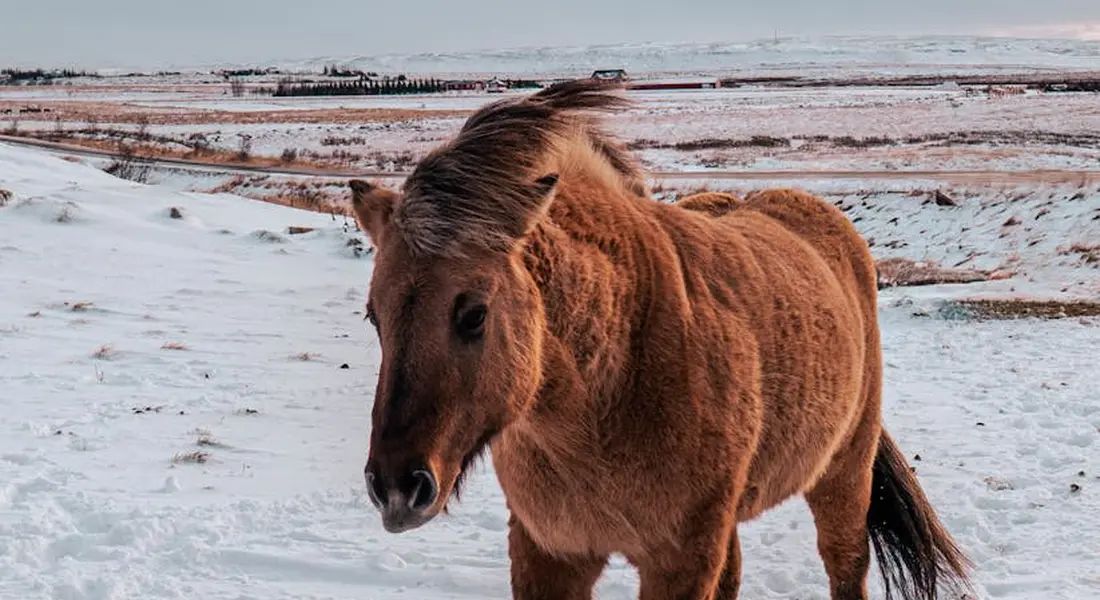
You wouldn’t let your horse eat moldy hay, so why guess about their water? Testing is simpler than you think. I learned this the hard way when Luna, my sensitive Thoroughbred, started turning up her nose at her bucket. A quick test revealed high mineral levels from our old well. Regular water testing is the cheapest insurance you can buy for your horse’s health and hydration, especially when compared to the risks of feeding moldy hay.
Step 1: Choose Your Testing Method
You have two main paths: the quick check and the full investigation. At-home test strips are like a quick glance-they give you a snapshot of pH, hardness, or nitrates in minutes. They’re affordable and great for routine monitoring. For the definitive word, you need a professional lab analysis. This is your water’s full physical exam.
- For lab tests, contact your local county extension office or a certified water testing service. They provide kits with sterile bottles and detailed instructions. This is non-negotiable for well water or if you suspect serious contaminants like heavy metals.
I keep a pack of strips in the tack room for a monthly check, but every spring, I send a sample from our shared well to the lab. It’s a small price for peace of mind.
Step 2: Collect a Proper Sample
A contaminated sample gives useless results. The goal is to capture what your horse actually drinks. Use a clean, plastic container that hasn’t held chemicals or soda.
- From a trough or bucket: Run the water for a minute first to clear the pipe. Dip the container midway, avoiding the surface scum or the sediment at the very bottom.
- From a well: Use the sampling bottle from your test kit. Run the pump for 5-10 minutes to draw fresh water from the aquifer before filling.
Always wash your hands, and don’t let the container lid or your fingers touch the inside-think of it as surgical procedure for water. I once messed up a sample by using a bucket Pipin the pony had been licking for salt, which skewed the sodium results.
Step 3: Interpret the Results and Act
When the lab report arrives, don’t panic at the long list of numbers. Focus on the big players for horse health: total dissolved solids (TDS), nitrates/nitrites, sulfate, and pH. High TDS can make water taste bad, discouraging drinking. Nitrates over 100 ppm are a red flag. A pH between 6.5 and 8.5 is usually safe.
If any parameter is off, your first move is to provide a clean, alternative water source immediately-like filling tanks from a known safe tap. Then, plan your correction based on the specific contaminant.
- Test wells at least once a year, in the spring when runoff can affect groundwater.
- Test seasonal sources, like a creek or pond, every time the weather shifts dramatically-droughts and floods change everything.
- Test after any change on the property, like new construction, fertilizing, or if you notice a change in water color, smell, or your horse’s consumption.
Rusty, my trail horse, taught me that consistency matters; he’ll drink from a murky puddle on the trail but boycott his trough if the water tastes “off,” proving their palatability meter is finely tuned.
Making Water Safe and Palatable: Treatment and Filtration
Once you know what’s in your water, you can fix it. Treatment isn’t always about high-tech gadgets; sometimes it’s about simple, smart management.
For physical gunk like algae, sand, or rust, a basic sediment filter on your hose or pipe works wonders. For funky tastes or odors from organic matter, a carbon filter is your best friend. If bacteria is the worry, UV light systems effectively zap microbes without chemicals. For routine disinfecting in a trough, a cup of plain, unscented household bleach per 100 gallons of water is safe-just let it sit for an hour before your horse drinks.
Always introduce filtered or treated water gradually, mixing it with the old source over a week to avoid digestive upset.
If the water is safe but your horse is still a reluctant drinker, especially in winter or after work, boost palatability. Add a splash of apple juice or a tablespoon of molasses to the bucket. I use a pinch of non-electrolyte salt in Luna’s water after a hard ride to encourage her to tank up. Just ensure any additive is non-toxic and doesn’t leave a sticky residue that breeds bacteria.
What if your test shows dangerous levels of something like lead or nitrates? Your immediate action is critical. Stop using that source entirely for drinking. Provide bottled or hauled-in water while you install a proper reverse osmosis system or arrange for a new well. In a pinch, I’ve filled every spare bucket and muck tub from my house tap to get through a crisis-your horse’s hydration cannot wait for a perfect solution. It’s one of those fixes you just have to handle on the spot, especially when it comes to your horse’s health.
Trough and Tank Upkeep: The Key to Clean Water
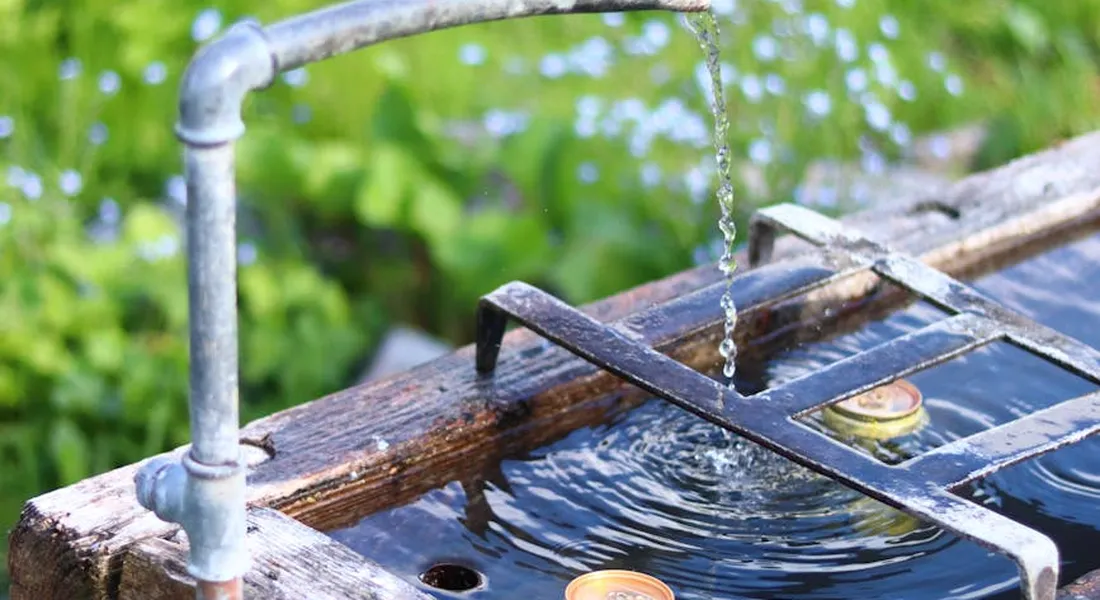
Clean water starts with a clean container. I’ve spent countless mornings scrubbing buckets, and nothing beats the sound of a horse gulping happily from a fresh tank. A slimy trough isn’t just ugly; it’s a direct invitation for your horse to drink less, risking dehydration and colic.
Preventing Algae and Biofilm
That green slick on your water tank is more than a nuisance. Algae and biofilm thrive in sunlight and warmth, creating a slippery habitat for harmful bacteria. I learned this the hard way when Luna, my sensitive Thoroughbred, flatly refused her water until I dealt with the foul-smelling film.
- Causes: Direct sunlight heating the water, organic debris like hay or manure, and stagnant water with low turnover.
- Risks: Bad taste reduces water intake, and some algae produce toxins that can cause serious neurological or liver issues.
- Prevention Tips:
- Move or shade your troughs with a simple tarp or strategic placement.
- Use safe additives like a certified copper sulfate block or a splash of plain white vinegar (about a cup per 50 gallons).
- Consider a floating “shade ball” to block sunlight and discourage growth naturally.
A Routine for Scrubbing and Disinfecting
Consistency is everything. A quick rinse isn’t enough to break down biofilm. Scrubbing should be a sensory reset-you want to smell nothing but clean plastic or metal when you’re done.
Follow this sequence for buckets, tanks, and automatic waterers:
- Empty the vessel completely. Use old water on gardens, not near pastures.
- Scrub all surfaces with a stiff brush and hot water. For stubborn gunk, make a paste of baking soda.
- Disinfect with a dilute bleach solution (1 part bleach to 10 parts water). Let it sit for 10 minutes.
- Rinse, rinse, and rinse again until no bleach scent remains. Lingering chemical smells will put horses off.
- Refill with fresh water immediately to encourage drinking.
For automatic waterers, disassemble them according to the manual and clean the valves and bowls weekly to prevent hidden buildup.
Your choice of material makes maintenance easier or harder.
- Rubber Buckets: Durable and quiet, but scratches can harbor bacteria. They’re easy to scrub and tip out.
- Plastic Troughs: Affordable and lightweight, but can become brittle in sun and retain odors. Choose dark colors to inhibit algae.
- Galvanized Steel: Sturdy and long-lasting, but avoid acidic cleaners that strip the coating and lead to rust.
Source Matters: Well, Municipal, Pond, and Stream Water
Your water’s origin story matters as much as the container it’s in. Different sources come with different hidden challenges. Testing your source at least once a year is the cheapest insurance you can buy for your herd’s health.
- Well Water: Common on many farms. Test for natural minerals like iron, sulfur, and nitrates. High levels can affect taste and digestion. My old gelding Rusty once went off his water for a week; a test revealed sky-high sulfur, which we fixed with a simple in-line filter.
- Municipal Water: Treated with chlorine or chloramines for safety. The chemical taste can deter fussy drinkers. Letting water stand in an open tank for a few hours allows chlorine to gas off. This simple act of aeration often solves the picky-drinker problem overnight.
- Pond or Stream Water: The highest risk option. Exposed to agricultural runoff, bacteria, and parasites. Never allow direct access. Always pump it into a clean trough so you can monitor intake and sediment, and test it seasonally for contaminants like coliform bacteria.
Tailor your management to the source: invest in a full mineral panel for well water, request the annual report from your town for municipal water, and for surface water, commit to frequent testing and pre-trough filtration.
Encouraging Every Drop: Hydration, Temperature, and Horse Sense
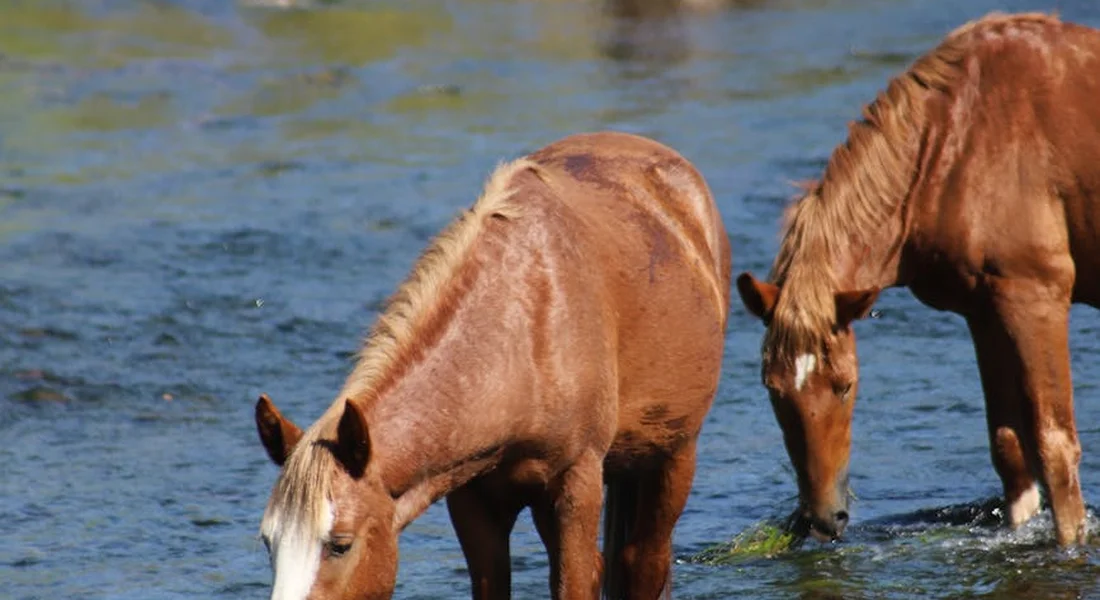
A horse’s thirst is a delicate thing, swayed by things we might not consider. The temperature of their water is a huge one. In winter, ice-cold water from a deep well can be as unappealing to a horse as a freezing shower is to you. I’ve watched Luna take one delicate sip of near-freezing water and walk away, preferring to wait. In summer, water sitting in a sun-baked trough can become warm, stale, and less refreshing. It’s one of the hydration mistakes that can lead to a horse not drinking enough.
The goal is to offer water that is cool in summer and just slightly cool in winter, mimicking the temperature of a fresh spring. For summer, I keep troughs in the shade and add a few clean, large stones or a sealed plastic bottle of frozen water to the bucket to keep it chill. In winter, investing in a safe tank heater is non-negotiable for most climates. The gentle hum of a working heater is a sound of peace of mind, ensuring Rusty and the herd can drink freely anytime.
Barn Hacks for Tracking Thirst
You don’t need fancy equipment to be a hydration detective. The simplest method is the weight check. Lift a full bucket when you fill it, then lift it again a few hours later. You’ll quickly learn the heft of what’s been consumed. For automatic waters, a daily visual check and a quick listen for the refill mechanism is key.
Knowing what’s normal for your individual horse is your best baseline; a sudden drop in intake is a clearer red flag than any specific gallon count. A grumpy pony like Pipin might only drink 3 gallons on a cool day, while Luna, after a workout, could drain twice that. I keep a simple mental log: “Luna’s half-full, Rusty’s three-quarters, Pipin’s playing in his again.” Understanding daily water needs and how feed affects intake helps you set practical limits. That way hydration cues are easier to spot as part of daily care.
The Foundation of All Care
We can obsess over the perfect grain ratio, the most expensive joint supplement, or the latest hoof oil. None of it matters if the foundation-clean, fresh, palatable water-isn’t solid. Dehydration is the fast track to impaction colic, poor organ function, and a dull coat.
Think of water as the primary nutrient; every other part of your care routine is built upon this single, critical element. I’ve seen more health issues resolved by fixing water access than by adding any supplement to the feed tub. A horse with a reliable, clean source will self-regulate and drink what they need, letting you focus on the rest of your partnership with a clear mind. How much water does a horse need each day? Knowing the daily requirement helps you ensure consistent access and monitor intake.
Frequently Asked Questions About Water Quality for Horses
Where can I get my horse’s water tested?
You can obtain a professional water test kit from your local county extension office or a state-certified water testing laboratory. Many private companies also offer mail-in kits specifically designed for livestock water quality. These services provide sterile sample bottles and detailed instructions to ensure accurate results.
How do I improve the taste of water to encourage my horse to drink more?
You can add a splash of apple juice or a tablespoon of molasses to a bucket of water to enhance its appeal. Another safe method is to add a pinch of non-electrolyte salt to stimulate thirst naturally. Always ensure any additives are used sparingly and that buckets are cleaned thoroughly afterward to prevent bacterial growth.
What should I do if my horse’s water test results show unsafe levels of a contaminant?
Immediately stop using the contaminated water source for drinking and provide a known safe alternative, such as hauled or bottled water. Next, consult with a water treatment specialist to install an appropriate filtration system, like reverse osmosis for nitrates or a carbon filter for chemicals. Retest the water after treatment to confirm the contaminant has been reduced to a safe level.
A Last Check at the Trough
Make water testing a regular part of your barn management and be ready to address issues like stagnation, algae, or odd tastes. The single best thing you can do is provide fresh, clean, and palatable water every single day to encourage proper hydration.
Your horse’s drinking habits are a vital daily health check-notice any change. Good horsemanship is often found in these quiet, consistent acts of care, especially when keeping your horse hydrated and encouraging water intake.
Further Reading & Sources
- Testing Your Horse’s Water Quality: Safety & Management | Mad Barn
- Safe Water for Horses, Questions About Water Testing
- Water Quality for Horses
- Water Quality for Horses | Iowa State University Extension and Outreach Equine Science
At Horse and Hay, we are passionate about providing expert guidance on all aspects of horse care, from nutrition to wellness. Our team of equine specialists and veterinarians offer trusted advice on the best foods, supplements, and practices to keep your horse healthy and thriving. Whether you're a seasoned rider or new to equine care, we provide valuable insights into feeding, grooming, and overall well-being to ensure your horse lives its happiest, healthiest life.
Health