
What Are the Essential Utilities Needed for a Horse Property?
Published on: March 3, 2026 | Last Updated: March 3, 2026
Written By: Henry Wellington
Hello fellow equestrians! That dream of your own barn and pastures is so close, but the sheer list of “must-haves” can freeze you in your tracks. The anxiety is real-one overlooked detail in your water system or fencing can lead to a colic episode or a dangerous escape, turning pride into panic and vet bills.
Take a deep breath of that hay-scented air. I’ve stood in those muddy boot prints, and I’m here to help you build a safe, functional foundation. We’ll walk through the five non-negotiable utility systems that keep a property running smoothly and your horses thriving.
- A reliable, all-weather water supply: More than just a trough; it’s lifeline management.
- Secure fencing that contains and protects: Choosing the right materials for your land and your herd’s personality.
- Effective shelter from sun, wind, and rain: Not just a run-in, but a true refuge.
- Practical electrical access for safety and care: From stall lights to clipper outlets.
- A sensible plan for manure and waste: The unglamorous key to farm health and neighborly peace.
My advice comes from over a decade of barn management, learned by fixing my own mistakes so you can start on solid ground.
Water Supply: Your Herd’s Hydration Headquarters
Thirsty horses are unhappy horses, and a dry tank is an instant crisis. Your water system isn’t just a utility; it’s the non-negotiable lifeline for every animal on your property. Planning this right from the start saves you from icy panic at midnight when a pipe bursts. Keeping your horses properly hydrated is essential, especially in colder months when water sources can freeze.
Your main choice is between a private well and municipal water. A well offers independence and often lower long-term costs, but you are solely responsible for its maintenance, pump health, and water quality. You must test well water annually for minerals, nitrates, and contaminants-what you can’t see can hurt them. Regular water quality testing helps ensure your horses drink clean, safe water. It also highlights practical improvements to your water source to keep them healthy. Municipal water is consistent and treated, but you pay regular fees and your horses might taste chlorine or fluoride, which some sensitive souls may initially balk at.
Source and Storage
Always have a backup. I keep two 100-gallon stock tanks filled, just in case. A backup storage system is your cheapest insurance against a pump failure or sudden drought. For storage tanks, food-grade polyethylene is lightweight and rust-proof, while galvanized steel is durable but can corrode over years. A good rule? Have at least a week’s supply on hand. For a herd of four, that’s a minimum of 400 gallons in reserve.
Automatic waterers are a godsend for consistent hydration and reduced labor. They require careful planning: you need accessible shut-off valves and drains for cleaning, and the plumbing must be buried below the frost line. And for us in colder climates, the luxury of hot water in the wash rack isn’t just for you-it’s crucial for effective winter bathing and wound cleaning. A small on-demand heater can change your life.
Delivery and Temperature
To calculate your daily need, plan for 10-15 gallons per horse, minimum. That number doubles in heat, for lactating mares, or for hard work. Your water pump must deliver enough pressure to run a wash rack hose and fill a trough without slowing to a sad trickle. Test it by running two outlets at once. People often wonder, “how much water does a horse need daily?” It varies with climate, workload, and diet, so your setup should accommodate that.
Frost-proof hydrants and insulated pipes are non-negotiable investments. Install frost-proof faucets (they drain themselves when shut off) on a slight slope away from the barn to prevent freezing. For tank heating in winter, use only agricultural-safe, submersible heaters with grounded cords and automatic thermostats. Never use an extension cord draped over a stall door-I’ve seen the scorch marks from that mistake.
Electricity: The Pulse of a Safe Barn
The quiet hum of a fridge storing vaccines, the sudden blaze of aisle lights on a dark evening-electricity is the unseen heartbeat of a functional barn. This is not a place for DIY wiring or overloaded garage circuits; you need a dedicated, professional service installed from the main panel. Aim for at least a 100-amp service to handle lights, tools, water heaters, and fans without blowing a fuse during a rainstorm.
Wiring and Safety
All wiring must be in sealed, rigid conduit, not just romex cable stapled to a beam. Rodents love to chew wiring, and dust is highly combustible, so protect every inch of copper. Place outlets high, out of the reach of curious noses like Pipin’s, who would unplug anything for a distraction. GFCI outlets are mandatory anywhere moisture exists: wash racks, tack rooms, and near sinks.
Label every single circuit breaker clearly. When Luna spooks and knocks a fan over at 9 p.m., you need to know which breaker to flip immediately. Critical appliances should live on separate, dedicated circuits: the water heater, the washer/dryer, and any feed room freezer are top priorities.
Lighting and Backup Power
Lighting is about safety and mood. Bright, shadow-minimizing LEDs in the aisles and stalls make evening checks and vet visits easier. Opt for warm-white LED fixtures in stalls; the cooler, bluer light of some fluorescents can agitate sensitive horses. Motion-sensor lights on the outside of the barn save energy and startle predators.
A backup generator isn’t a luxury; it’s a core duty of care. Your generator should power, at minimum, your water pump, one set of aisle lights, your medication refrigerator, and an outlet for charging phones. Choose a transfer switch installed by an electrician so you can safely connect. Run and maintain it quarterly-don’t let it gather dust. A barn without power is a barn without water, and that’s an emergency you can prevent.
Wastewater and Septic Systems: Managing the Unseen Flow
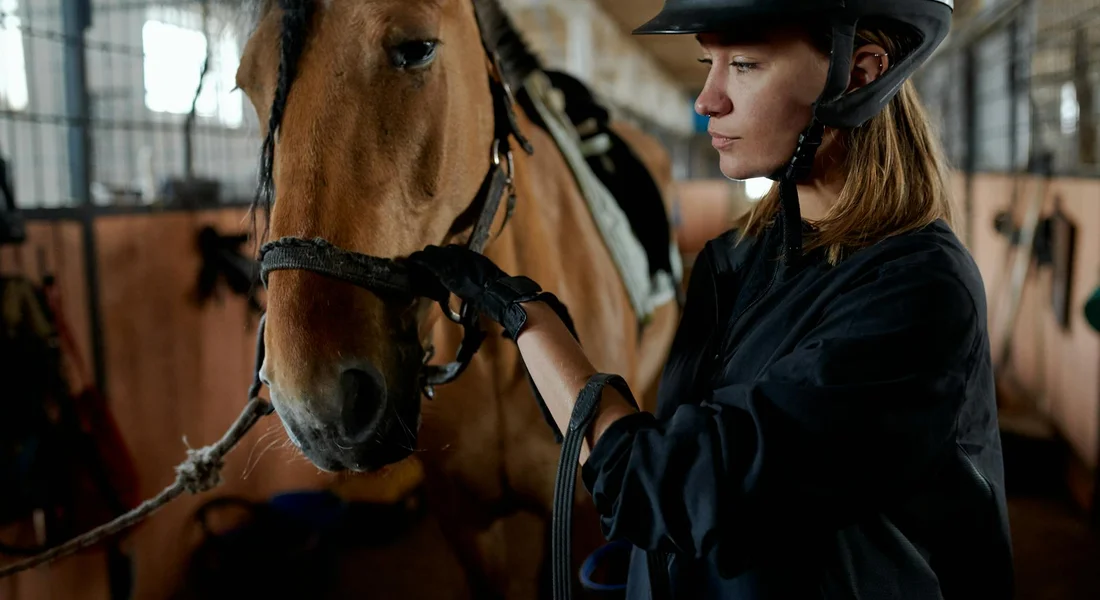
Picture this: you’ve just given Luna a thorough post-ride bath, and the muddy water swirls down the drain. Where does it all go? On a horse property, managing wastewater isn’t glamorous, but it’s critical for health and compliance. A properly sized septic system is your silent partner, handling everything from the tack room sink to the wash rack runoff without a fuss.
- Your septic tank works like a settling pond; solids sink to become sludge, and liquids flow out into a buried drain field where soil filters them. For a barn with a wash rack or living quarters, capacity is key. I size systems assuming heavy use-think multiple horses bathed daily and human use. A standard family system often needs upgrading; consult a pro for a calculation based on gallons per day.
- Human wastewater from a bathroom or apartment must go into the septic tank. Water from washing horses, however, is considered greywater and often has different rules. I always capture wash bay runoff in a separate settling tank or direct it to a vegetated area to prevent soap and hair from clogging the main septic system. The last thing you need is a backup during show season.
- Local zoning regulations are your bible here. Counties frequently mandate minimum distances from septic fields to wells, property lines, and even pastures to prevent contamination. They also dictate system size based on soil type and number of stalls. Ignoring this is a fast track to fines and a non-functional barn.
- Maintenance is simple but non-negotiable. Pump the septic tank every 3-5 years, avoid flushing anything but toilet paper, and never pour harsh chemicals down drains. Planting deep-rooted grass over the drain field and keeping heavy equipment off it prevents soil compaction and system failure. I learned this after a costly repair when a delivery truck parked right over my field.
System Setup and Regulation
Getting started feels daunting, but it’s a straightforward process. Your first step is always a percolation test, where a professional assesses how quickly water drains through your soil; this determines the drain field size. Sandy soil drains fast, clay slows it down-your system design depends on this.
- Choose a septic system size with a generous margin. For a barn with a one-bedroom apartment and a wash rack, I’d recommend a minimum 1,000-gallon tank, but larger is safer. Your installer will base final size on local code and expected daily wastewater flow.
- For greywater from wash bays, consider a dry well-a pit filled with gravel that allows water to slowly seep into the ground-or a vegetated filter strip planted with grasses that absorb and filter runoff. This simple diversion protects your main septic system and keeps harmful runoff out of waterways. I use a filter strip for my wash area; the grasses thrive on the extra moisture.
Heating and Fuel: Practical Warmth for Horse and Human
Winter mornings at the barn, your breath fogging in the air, demand a smart approach to heat. Horses like Rusty generate plenty of body warmth in a well-ventilated stall, but we humans and some tasks need a focused heat source. The goal is targeted comfort, not turning the barn into a sauna, which can lead to unhealthy humidity and respiratory issues for the horses. Especially since horses handle cold weather differently than humans.
- Heating needs are minimal in the main barn aisles and stalls; good ventilation is far more important for equine health. Focus your heat efforts on enclosed spaces like the tack room, feed room, or a wash area. A warm tack room prevents leather from stiffening and gives you a cozy spot to thaw out.
- Propane is the go-to for portable, powerful heat in outbuildings. I use a propane heater for quick warmth in the wash rack when giving Luna a winter bath. Natural gas is more convenient for permanent fixtures but requires a pre-existing line and professional installation, which isn’t always feasible on rural properties.
- Safety rules for space heaters are non-negotiable. Keep them at least three feet away from any hay, bedding, blankets, or curtains. Always use heaters with tip-over automatic shut-offs and place them on a stable, non-flammable surface. I never leave a space heater unattended in the barn, period-the risk is just too great with all that dry forage around.
- Heating directly impacts daily chores. A heated tack room or insulated utility closet can keep pipes from freezing, ensuring you always have water for the stalls. Providing slightly warm water for grooming in winter isn’t a luxury; it’s a kindness that makes the experience better for you and your horse. Pipin appreciates a warm sponge on his face during a cold snap.
Fuel Choices and Safety
Logistics matter as much as the heater itself. Store propane tanks upright and securely, at least 10 feet away from any barn structure, in a well-ventilated, shaded area to prevent pressure buildup. Check tanks and hoses regularly for leaks with a soapy water solution-bubbles mean trouble.
- For safe space heater use in a barn setting, follow these steps: First, clear the area of all loose hay, shavings, and equipment. Second, plug the heater directly into a wall outlet, not an extension cord. Third, turn it on only when you are present and actively working in the space. Fourth, turn it off and unplug it before you leave the room. Finally, perform a quick visual check to ensure nothing has drifted near the heater during use.
Drainage and Water Control: Your Defense Against Mud and Erosion
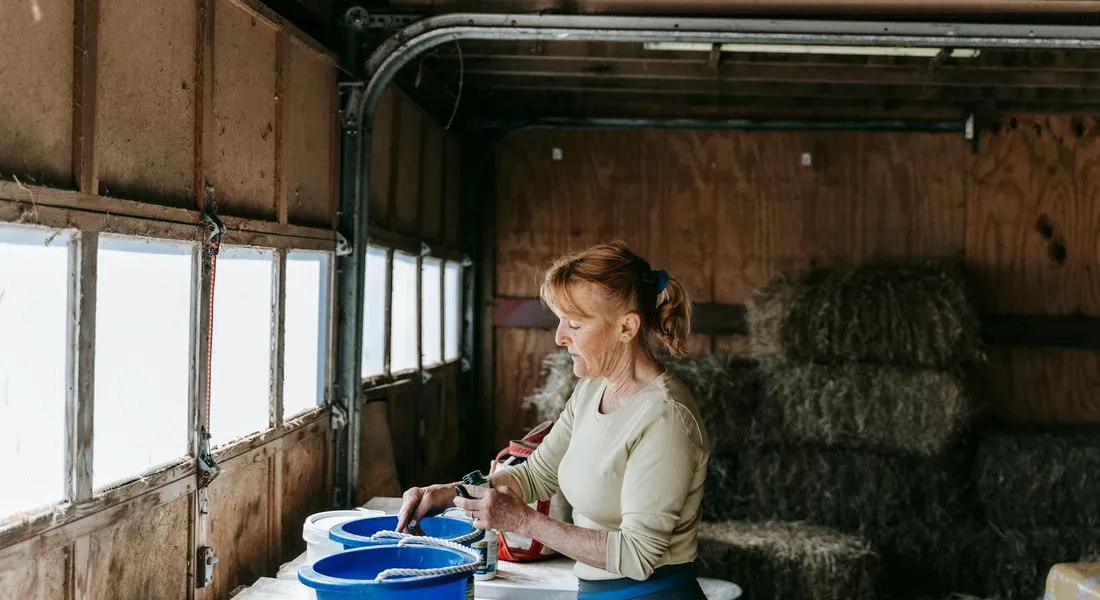
Picture your horse’s favorite turnout spot after a week of rain: a churned-up, slick bog that’s a nightmare for hooves and your chore time. I’ve spent too many mornings wrestling with a muddy wheelbarrow while Rusty glared at his soupy paddock, his disdain for puddles clear. Proper drainage isn’t just about convenience; it’s a cornerstone of equine welfare, preventing thrush, abscesses, and the sheer misery of standing in mud.
-
Good drainage keeps footing safe in high-traffic zones. In paddocks, it preserves the soil structure so your horse can move comfortably, reducing strain on tendons and ligaments. At barn entrances, a well-drained base prevents dangerous slips and the buildup of manure-soaked muck. I learned this after Luna, ever the sensitive soul, planted her feet and refused to enter the barn through a slippery, waterlogged gateway.
-
Consider a sump pump if you have a low-lying barn, a wash rack, or a flood-prone tack room. Install one in a dedicated pit at the lowest point where water collects. This is a critical backup for climate-controlled areas protecting feed, medications, and leather goods from ruin during a sudden downpour.
-
Smart irrigation management directly fuels pasture health and dust control. Overwatering creates mud, while underwatering leads to dust bowls and poor grass growth. Consistent moisture encourages deep roots, yielding resilient grazing for more turnout hours. A green pasture is a quiet pasture-horses like Pipin are too busy eating to devise their next escape.
-
Rainwater harvesting is a brilliant, sustainable loop for your property. Collecting runoff from barn roofs into barrels gives you a free supply for irrigating gardens, watering arena footing, or filling troughs for non-potable uses. It cuts your water bill and lessens the burden on your well or municipal supply.
Surface and Subsurface Drainage
Fighting water requires a two-pronged approach. Surface drainage moves water away quickly, while subsurface systems handle what soaks in. The goal is to guide water away from where your horses live and work, mimicking how it would flow on natural, undisturbed land.
-
Your toolbox includes French drains (gravel-filled trenches with perforated pipe), culverts under driveways, and strategic grading that slopes away from buildings at a minimum 2% grade. For a high-traffic paddock gate, I used a simple gravel-filled trench that worked like a charm, keeping the area firm even after spring melts.
-
Never underestimate clean gutters and downspouts. A clogged gutter sends a waterfall right next to your barn’s foundation, leading to leaks, wood rot, and a mosquito nursery. Make it a seasonal ritual to clear leaves and debris; extend downspouts at least five feet away from any structure. The sound of water rushing smoothly through a downspout is far better than the drip-drip-drip into your feed room.
Sustainable Water Practices
Working with nature, not against it, saves you money and creates a healthier environment. Start small and build systems that support your land’s long-term vitality.
-
Setting up a rainwater barrel is straightforward. Choose a barrel with a secure lid and a spigot near the bottom. Place it under a downspout, using a diverter kit. Ensure the base is solid and level. This captured water is perfect for soaking hay, dampening dusty riding rings, or watering landscape plants around the farm.
-
Integrate irrigation with your pasture rotation plan. Use movable sprinklers or temporary lines to water a resting paddock, encouraging grass recovery before horses return to graze. This mindful cycle prevents overgrazing, reduces erosion, and ensures your horses always have a fresh buffet of grass, supporting their need for nearly constant forage. That also ties into creating an enriching pasture environment for horses. It helps balance forage, rest, and mental stimulation for a healthier, happier herd.
FAQ: Essential Utilities for a Horse Property
What type of fencing is installed and what is its condition?
The fencing is a primary safety utility, designed to securely contain and protect your herd. You must inspect for loose wires, broken boards, and rusted hardware that could cause injury. The ideal material and height depend on your horse’s breed and temperament, ensuring they respect the barrier without feeling trapped. To guide this choice, consider fencing based on your horse’s breed temperament to balance containment with comfort. Calmer, confident breeds may handle taller, open-style fencing with clear sight lines, while more skittish or energetic breeds may benefit from smoother, less intimidating boundaries.
What manure management system is in place?
A planned manure system is crucial for farm health, parasite control, and good neighbor relations. This involves regular removal from paddocks and a designated composting area away from water sources and property lines. Properly managed compost can be repurposed, turning waste into a valuable resource for pastures or gardens.
Are there adequate, safe horse shelters or barns?
Reliable shelters provide essential refuge from extreme weather, reducing stress and health risks. For heat management, consider building a safe shelter that also provides shade for your horse. They must be structurally sound, well-ventilated, and offer enough space for all herd members to lie down and move comfortably. The footing inside should be dry and non-slip to prevent injuries when horses enter or exit.
Setting Up for Success
The right utilities—from reliable water lines to safe fencing and dry hay storage—form the quiet, dependable backbone of a functional horse property. The most effective plan always starts by considering the horse’s natural needs for movement, forage, and shelter, then builds your systems around them. This approach is essential to create a safe and enriching environment for your horse.
Take your time setting things up, and don’t be afraid to adjust as you and your horses settle in. Your best guide will always be the horses themselves, so watch how they use the space and listen to what they tell you — especially if you’re still learning how to communicate effectively with horses.
Further Reading & Sources
- Horse Property Layout: Essential Features Buyers Should Look For
- 28 Things To Know Before Buying Equestrian Real Estate
- Horse Property For Sale in Carson City Nevada United States Nevada
- Utilities | Maricopa Arizona Homes for Sale – Maricopa Arizona Real Estate
At Horse and Hay, we are passionate about providing expert guidance on all aspects of horse care, from nutrition to wellness. Our team of equine specialists and veterinarians offer trusted advice on the best foods, supplements, and practices to keep your horse healthy and thriving. Whether you're a seasoned rider or new to equine care, we provide valuable insights into feeding, grooming, and overall well-being to ensure your horse lives its happiest, healthiest life.
Stable Management