
What Causes Excessive Drooling in Horses? A Hands-On Guide
Hello fellow barn friends. Finding your horse with a soggy chin or a constant thread of saliva is a worry that hits right in the gut. That extra drool can whisper of pain, a toxic snack, or a confusing behavior that sends you down an internet rabbit hole.
Let’s sort through the slobber together. In this guide, we’ll cover the main culprits, including:
- Dental troubles like sharp hooks and ulcerations that you can often hear as much as see.
- How common pasture plants and even some feeds can irritate the mouth and trigger a flood.
- The direct link between bit fit, tack comfort, and a wet bridle path.
- Step-by-step barn-side checks to tell a harmless quirk from a vet-grade emergency.
I’ve leaned on this practical, horse-first approach through years of managing stalls and training, from decoding Luna’s sensitive reactions to Rusty’s sudden disdain for carrots.
Is That Normal? Defining Excessive Drooling
A little slobber during dinner is fine, but a constant, dripping faucet at the hitch rail is not. I remember Pipin, our cheeky Shetland, drooling only when he was scheming to steal a carrot. Normal salivation, or drool, is a thin, watery fluid that aids in swallowing and digestion. Ptyalism is the medical term for excessive, often thicker saliva that the horse cannot manage to swallow.
Context is your best clue. Use this table to compare what’s typical and what warrants a closer look.
| Context | Normal Salivation | Excessive Drooling (Ptyalism) |
| Eating | Damp lips and chin; stops shortly after eating. | Profuse, dripping streams that continue long after the feed is gone. |
| At Rest | Minimal to none; a dry muzzle is common. | Noticeable strings or pools of saliva while standing idle in the stall or field. |
| During/After Exercise | Flethy foam from bit contact during work; clears quickly. | Thick, ropey saliva mixed with blood or appearing without a bit; persists after cooling out. |
| After Drinking | A few drips of water. | Saliva, not water, drips continuously from the lips. |
Drooling signals a problem when it’s persistent, unrelated to eating, or accompanied by other signs like odor, weight loss, or quidding (dropping half-chewed food). Trust your gut-if your horse’s mouth seems wetter than a spring pasture for no clear reason, it’s time to investigate. Drooling and frothing at the mouth can often indicate underlying issues that need attention.
Top Causes: From Teeth to Toxins
Finding the source of the slobber is detective work. The causes range from simple irritations to serious medical conditions, and your first stop should always be the horse’s mouth.
Dental Discomfort and Disease
This is the most common culprit. A painful mouth makes swallowing difficult, so saliva just spills out. I’ve seen stoic old Rusty start drooling when a hidden tooth issue flared up.
- Sharp Enamel Points: Chewing roughage like hay files teeth down, but imbalances create sharp edges that cut the cheeks and tongue.
- Hooks and Ramps (Malocclusion): Overgrown teeth at the front or back of the arcade prevent proper chewing, causing pain and food packing.
- Wave Mouth or Step Mouth: Severe uneven wear creates a wavy surface, making grinding food nearly impossible and very painful.
- Dental Abscess or Fractured Tooth: An infected tooth root or a broken crown is intensely painful, often causing drooling on just one side of the mouth.
Look for signs like head tilting while eating, foul breath, undigested hay in manure, or reluctance to take the bit. These are signs your horse needs dental care—look for subtle cues in chewing and mouth movements to catch issues early. A yearly dental float is non-negotiable for comfort.
Mouth Sores and Injuries
Anything that creates an open wound or inflammation in the mouth can lead to excessive drooling. It’s the body’s attempt to soothe the area, similar to how some horses stick their tongues out and flap their lips.
- Ulcers and Stomatitis: Painful sores on the gums, tongue, or inner cheeks. Causes include viral infections, reactions to certain medications, or systemic illness.
- Tongue Lacerations: From chewing on sharp stall edges, bits with rough joints, or even burrs in hay.
- Trauma from Bits or Dental Tools: A too-severe bit, improper use of a twitch, or a slip during a dental exam can cause bruising or cuts.
- Foreign Bodies: A tiny sliver of wood or a thorn embedded in the gum line is a subtle but potent irritant.
Gently lift the lips and look for red patches, swelling, or blood-tinged saliva, especially after a ride or a change in hay supplier. Luna, my sensitive Thoroughbred, once developed ulcers from a bit that didn’t suit her delicate mouth.
Toxic Troubles: Plants and Poisons
Some plants contain compounds that irritate the mouth or trigger nausea, leading to hypersalivation. This is an urgent cause.
- Immediate Mouth Irritants: Plants like buttercups, poinsettia, or wild parsnip contain sap that burns the lips and tongue on contact.
- Systemic Toxins Causing Nausea: Ingestion of black walnut, moldy hay, or certain insecticides can cause drooling as an early sign of poisoning, often with a gag reflex.
- Slaframine Poisoning (“Slobbers”): Caused by a fungus on red clover, this triggers copious, non-stop drooling but is often not life-threatening if the source is removed.
Scan your pastures and hay for unfamiliar weeds, and note any other symptoms like colic, incoordination, or depression. Immediate vet care is critical for suspected poisoning.
Other Medical Causes
While less common, these issues require a veterinarian’s diagnosis.
- Salivary Gland Disorders: A blocked duct or infection in a salivary gland can cause swelling under the jaw and one-sided drooling.
- Choke (Esophageal Obstruction): Food stuck in the esophagus can cause saliva to back up and drip from the nostrils and mouth.
- Gastric Ulcers: Severe stomach pain can sometimes cause a horse to drool, often paired with grinding teeth and a dull coat.
- Neurological Issues: Conditions like cranial nerve palsy can impair swallowing muscles, leading to saliva accumulation.
Any drooling paired with difficulty breathing, nasal discharge, or strange behavior means you should call your vet without delay. It’s always better to err on the side of caution for your horse’s comfort.
Red Flags: When to Call the Vet Immediately
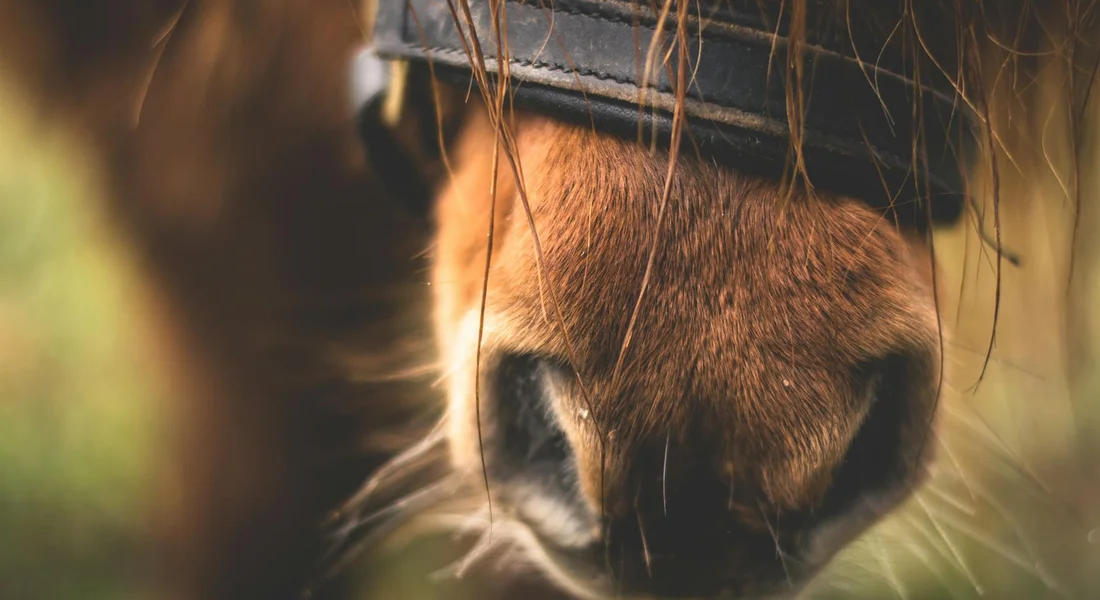
Not all slobber is created equal. You know your horse’s normal, and a sudden change paired with these warning signs means dropping everything and calling the vet. I still remember the quiet panic when Rusty stood stock-still, drool hanging in strings, refusing his apple-his body was telling us a story we needed to listen to, fast.
- Difficulty Swallowing: Listen for choking sounds or watch for hay wads dropped from a mouth that can’t manage them. A horse stretching its neck repeatedly or appearing to gag is a five-alarm fire.
- Signs of Severe Pain: Look beyond the mouth. Is your horse sweating coldly, pawing relentlessly, or looking at its flank? That’s not just discomfort; it’s distress screaming for help.
- Fever: Place your hand on their ears or under their armpit. If they feel unusually hot, take a rectal temperature. Anything persistently over 101.5°F alongside drooling warrants an immediate call.
- Suspected Poisoning: Have you found a chewed-up toxic plant like nightshade in the paddock? Does the drool smell chemically odd? Trust your gut-waiting to see what happens is never the right move.
The Veterinary Investigation: How Causes Are Diagnosed
Once the vet arrives, the real sleuthing begins. A systematic diagnosis moves from the broad picture down to the tiny detail, often starting with the story you provide. It’s a team effort, with you as the key witness to your horse’s daily life.
- History Taking: Your vet will ask pointed questions. Was there a new bale of hay? A change in pasture? Did you hear a tell-tale *click* while riding? Your daily logs and observations are pure gold here.
- Physical Exam: This goes beyond the mouth. The vet will listen to gut sounds, check for swelling in the lymph nodes, and assess overall demeanor. A high heart rate when the horse is at rest speaks volumes.
- Oral Exam Under Sedation: This is where we see the truth. With the horse safely sedated, the vet can use a full-mouth speculum to inspect every tooth, the back of the throat, and the underside of the tongue for ulcers, cuts, or embedded foreign material.
- Imaging: For hidden issues, technology steps in. Dental X-rays reveal abscess roots and bone loss, while an endoscope can snake down the throat to visualize strictures or scarring you’d never see otherwise.
Addressing the Issue: Treatment and Management
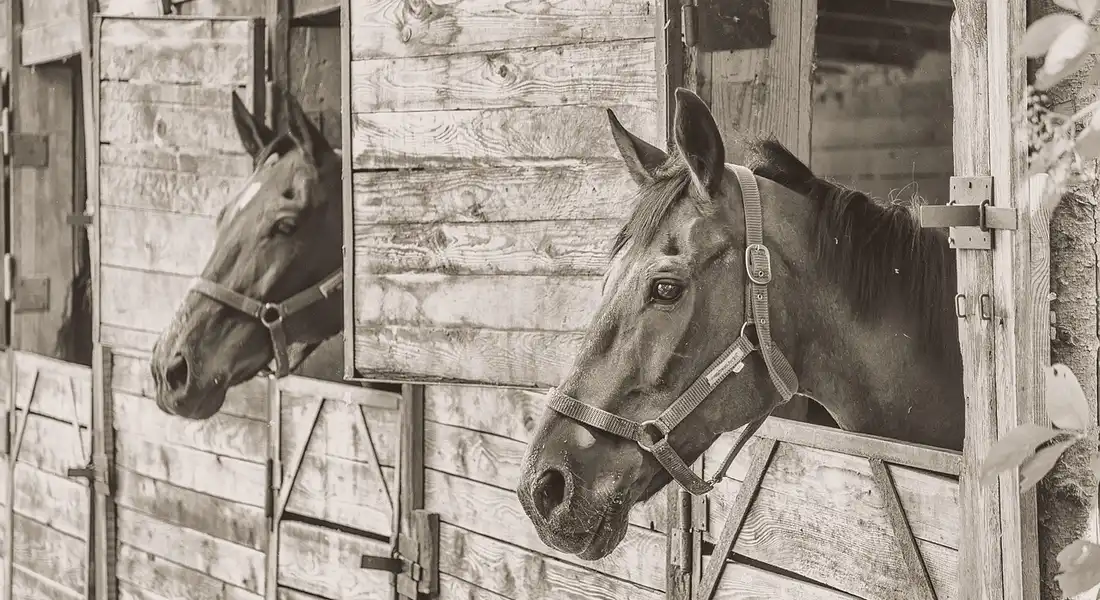
Once you and your vet pinpoint why your horse is dripping, a targeted plan brings relief. Treatment swings from a simple dental float to intensive supportive care, so never guess—always follow professional guidance. Here’s how to manage the common causes, step by step.
Treating Dental Issues
Sharp enamel points or infected teeth are a common fix. Dental floating is a routine procedure where your vet files down sharp edges on the molars, often with your horse lightly sedated for safety and comfort. I recall Rusty’s annual floats; the quiet crunch of the float and his relaxed snoring meant a job well done.
- For a standard float, expect your vet to use a speculum to hold the mouth open and a rasp or power tool to smooth the teeth.
- An abscess requires drainage, a course of antibiotics, and possibly tooth removal. Post-procedure, you’ll need to keep the area clean.
Aftercare is crucial for comfort. Feed soaked hay or a complete mash for three to five days to reduce chewing pain and encourage intake. Monitor drooling and eating habits to gauge healing.
Healing Oral Injuries
Cuts on the tongue, cheeks, or gums need gentle, consistent care. Start by flushing the wound with a steady stream of cool, clean water or sterile saline to remove debris. Finding a thorn in Pipin’s lip taught me the value of a good flashlight and patience.
- Clean the area gently with a dilute antiseptic solution approved by your vet.
- Apply a topical wound gel to promote healing and provide a protective barrier.
- Switch all feed to a soft diet-soaked pellets, beet pulp, or grass mash-to prevent further irritation.
- Administer prescribed pain relievers or anti-inflammatories to keep your horse comfortable.
Watch closely for signs of infection, like increased heat or yellow discharge, and prevent your horse from rubbing its face on stalls or fences.
Managing Toxins and Allergies
This scenario often requires swift action. Immediately move your horse to a clean stall or safe paddock, away from the suspected source. Identify the plant or chemical; I once had to quickly rope off a patch of wilted cherry leaves that blew into our pasture.
- Remove the toxin source entirely from the environment. This may mean pulling plants or changing bedding.
- Provide ample fresh water to help the horse’s system dilute and flush the substance.
- For allergic reactions, your vet may recommend an antihistamine injection or paste. Do not use human medications without direct instruction.
- In cases of recent ingestion of a known poison, your vet might administer activated charcoal via a stomach tube to bind the toxin. This is a vet task, not a home treatment.
Supportive care like quiet stall rest and monitoring vital signs is your best move while the toxin passes.
Ongoing Care for Chronic Conditions
Issues like gastric ulcers or salivary gland problems need a long view. Managing gastric ulcers hinges on diet and routine: maximize turnout, provide constant forage, and minimize stress. Luna’s high-strung nature meant her ulcer plan included more pasture time and a daily supplement.
- Follow your vet’s medication schedule precisely, whether it’s a course of omeprazole or other prescribed drugs.
- Adapt feeding to multiple small meals per day, using slow-feed nets if needed, to buffer stomach acid naturally.
- Schedule regular vet rechecks to assess healing and adjust the management plan, as these conditions can wax and wane.
Consistency in daily care is your strongest tool for managing a chronic condition and reducing its symptoms, including drooling.
Keeping Your Horse’s Mouth Healthy: Prevention Tips
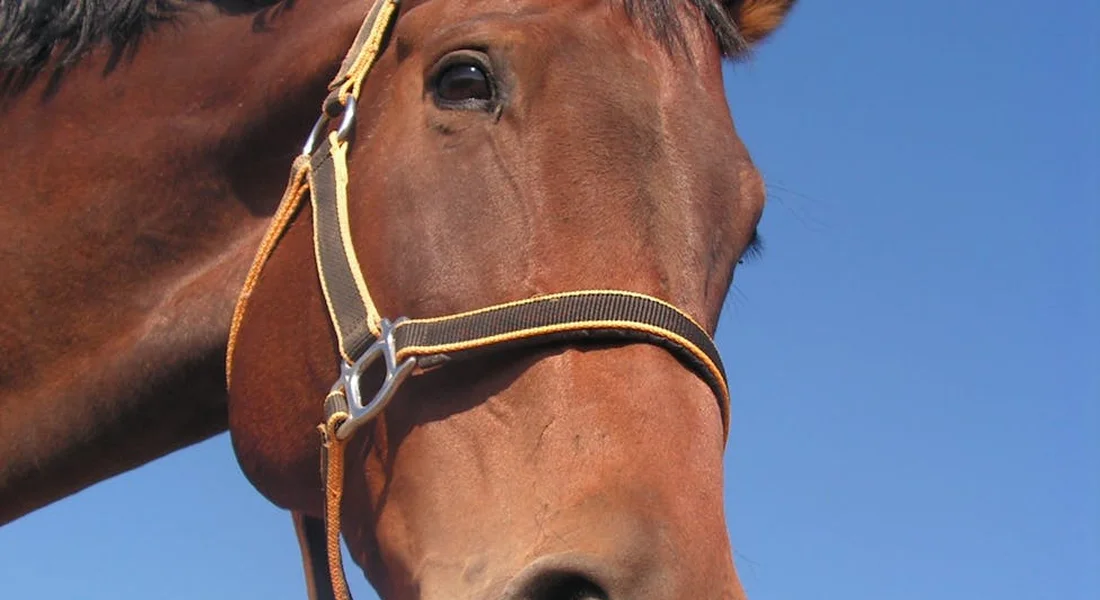
Stopping drool before it starts is about smart, simple habits. Weave these practices into your daily interactions to catch small problems before they become big, wet ones. Use this checklist as your barn reference.
- Schedule Annual Dental Exams: Every horse needs a yearly check. Seniors like Pipin or young horses in training might need two. Your vet’s skilled hands can feel issues you can’t see.
- Inspect Pastures and Hay Weekly: Walk your fields looking for toxic plants, fungal growth, or litter. Shake out each hay flake to check for dust, mold, or sharp stalks that can cause micro-cuts.
- Ensure Proper Bit and Tack Fit: A bit should sit quietly without pinching. I check Luna’s bit for warmth or rub marks after every ride. Consider a bitless option for sensitive horses.
- Prioritize Daily Turnout: Movement and grazing keep the jaw aligned and saliva flowing normally. Rusty’s reliable health is a testament to his life on pasture.
- Observe Eating and Drinking Daily: Notice if your horse spills grain, quids hay, or approaches water hesitantly. These are silent whispers of mouth pain.
- Maintain a Clean Water Source: Scrub buckets and troughs regularly to prevent slime or algae that can deter drinking or cause irritation. Fresh water is the simplest form of oral care.
Building these preventative steps into your routine is the kindest, most effective way to safeguard your horse’s comfort and your own peace of mind. This, coupled with creating a safe and enriching environment for your horse, lays the foundation for a happy and healthy equine companion.
FAQ: What Causes Excessive Drooling in Horses?
Can behavioral issues or stress lead to excessive drooling in horses?
Yes, stress or anxiety from events like trailering or social changes can occasionally trigger excessive drooling. This may result from tension-induced nausea or altered swallowing, though it’s less common than physical causes. Always observe for other signs of distress and consult a vet to rule out underlying medical issues first.
Are certain horses more prone to excessive drooling due to their age or breed?
Older horses are more susceptible due to age-related dental problems that can impair swallowing. While no breed is specifically predisposed, individuals with dental conformation issues might be at higher risk. Regular dental check-ups are essential for all horses, particularly seniors and performance animals. Proper dental care can prevent many common issues, ensuring your horse remains comfortable and healthy.
How does dehydration relate to excessive drooling in horses?
Dehydration typically reduces saliva production, so it is not a direct cause of excessive drooling. However, if drooling stems from mouth pain or toxins, it may discourage drinking, worsening dehydration. Always ensure fresh water is available and investigate drooling promptly to address root causes like oral irritation or illness.
Your Horse’s Hydration Clues
Excessive drooling typically signals mouth pain, a bit issue, or something toxic in their environment. Any sudden, unexplained increase in saliva, especially with distress or difficulty eating, requires an immediate call to your veterinarian.
Trust the time you spend observing your horse in the field and stall. Their comfort and safety hinge on you noticing these quiet, messy messages. By learning to read their body language, you can tell when your horse is happy. This understanding helps you respond calmly and build trust.
Further Reading & Sources
- Does Your Horse Have the Slobbers?
- Foaming at the Mouth in Horses: Guide to Equine Hypersalivation (Ptyalism) | Mad Barn
- Hypersalivation (Drooling) in Horses | PetMD
- Hypersalivation in Horses – The Horse
At Horse and Hay, we are passionate about providing expert guidance on all aspects of horse care, from nutrition to wellness. Our team of equine specialists and veterinarians offer trusted advice on the best foods, supplements, and practices to keep your horse healthy and thriving. Whether you're a seasoned rider or new to equine care, we provide valuable insights into feeding, grooming, and overall well-being to ensure your horse lives its happiest, healthiest life.
Health