
What is a Horse Farrier and Groom? Your Guide to Hoof and Health Care
Hello fellow equestrians, have you ever noticed a subtle change in your horse’s gait or a persistent patch of mud that won’t brush out? That nagging concern about lameness or skin issues is real, and it often points directly to the specialized care of two key professionals.
Let’s clear up the confusion between the blacksmith with the anvil and the person with the curry comb. I’ll walk you through the precise, life-saving work of a farrier, the daily detective work of a groom, and how their combined efforts form the foundation of your horse’s well-being.
From scheduling trims for Rusty to managing Luna’s sleek coat, my years as a barn manager have shown me how these roles turn worry into proactive care.
The Horse Farrier: Master of Hoof Health
The rhythmic tap-tap-tap of the hammer on an anvil is the sound of equine wellness. A farrier is a specialized craftsperson, part blacksmith and part anatomist, whose entire world revolves from the knee down. Their primary mission is to maintain the structural integrity and balance of the hoof, which directly impacts a horse’s entire skeletal alignment and soundness. I’ve watched our farrier, Mike, turn a stumbling, uncomfortable Pipin back into a prancing pony with one precise trim.
Key Farrier Responsibilities
This isn’t just about nailing on shoes. A skilled farrier performs a complex blend of art and science.
- Balanced Trimming: For barefoot horses, the farrier carefully trims the hoof wall, sole, and frog to maintain a natural, weight-bearing shape. They mimic the wear that would occur with constant movement on varied terrain.
- Corrective Shoeing: This is podiatry. For horses with conformational issues (like toed-in or toed-out legs), navicular, or founder, the farrier designs and applies shoes to alter breakover and support healing.
- Protective Shoeing: This is what most people picture. Steel, aluminum, or synthetic shoes are custom-shaped and fitted to prevent excessive wear for working horses, or to provide traction on slick arena footing or icy trails.
- Medical Collaboration: A great farrier works hand-in-hand with your veterinarian, especially for conditions like laminitis or severe abscesses, to execute a treatment plan through specialized shoeing.
- Educating the Owner: The best farriers explain what they see. Mike will point out a slight flare on Luna’s hoof or show me how Rusty’s wear pattern indicates he’s landing toe-first. This dialogue turns a routine visit into a powerful lesson in preventative care.
The Horse Groom: Guardian of Daily Wellbeing
Where the farrier’s work is periodic and profound, the groom’s is daily and detailed. This is the person who listens with their eyes and hands, catching the subtle shifts before they become crises. Grooming is my meditation at the barn; the smell of clean hay, the feel of a soft coat, the contented sigh of a horse being curried.
The Groom’s Daily Touchpoints
Think of this as a full-body systems check disguised as a spa day.
- The Hands-On Health Scan: While brushing, your hands are checking for new lumps, bumps, swellings, or heat in legs. You find the hidden scratch under the mane or the tick bite behind the ear.
- Skin and Coat Management: Currying stimulates circulation and loosens dirt, while softer brushes bring out the shine. This distributes natural oils and promotes a healthy, waterproof coat.
- Hoof Picking: This is non-negotiable. Picking out all four feet removes packed-in debris and stones that can cause bruising or abscesses. It also lets you inspect the sole, frog, and shoe for looseness or cracks.
- Mane and Tail Detangling: Done gently with fingers or a wide-tooth comb, this prevents breakage. It’s also a bonding exercise that builds trust, especially with a sensitive soul like Luna.
- Eye, Nose, and Dock Wipe: A damp cloth clears away sleep sand, mucus, and dirt. This simple act lets you monitor discharge, which can be the first sign of allergy or illness.
- Post-Ride Care: This is critical. A proper cool-down, including walking until the horse is dry, followed by a thorough grooming to remove sweat marks, prevents chills and keeps the skin healthy.
The groom’s most vital tool isn’t the brush or hoof pick, but their practiced attention to what is normal for that individual horse. Knowing that Pipin usually has one clean eye but today has goop in both is actionable information. It’s this daily, intimate knowledge that forms the bedrock of true equine welfare. No matter how many essential grooming tools you have, it’s this keen observation that genuinely sets a great groom apart.
Essential Farrier Tools: Inside the Toolbox
Opening a farrier’s rig is like peeking into a master craftsman’s workshop. Every tool has a purpose, worn smooth by years of use. The smell of hot steel and leather hangs in the air. While styles vary, a core set of implements is non-negotiable for quality hoof care.
First, the foundation: the anvil and the forge. The anvil is the unyielding surface where metal is shaped. The portable forge heats the steel shoes to a cherry red, making them malleable so they can be custom-fitted to the individual hoof. Watching a farrier “hot fit” a shoe, the smoke curling up as it’s pressed to the hoof wall, is a lesson in precision. The sizzle and the smell of burning horn confirm the shoe is seated perfectly to the hoof’s contours.
The Key Players on the Stand
When the horse’s hoof is on the stand, these are the tools you’ll see in constant motion.
- Hoof Knife: This curved, razor-sharp blade is for cleaning and trimming the sole and frog. A skilled hand uses it to pare away dead material without cutting into live tissue.
- Nippers: Think of giant, super-strong nail clippers. They are the primary tool for trimming the hoof wall to the correct length. The squeeze of the handles and the crisp *snap* of excess hoof coming off is a satisfying sound.
- Rasp: The farrier’s file. One side is coarse for major leveling, the other is smoother for finishing. This tool shapes the hoof after nipping and smooths any sharp edges left after shoeing. The rhythmic *scrape-scrape-scrape* is the soundtrack of a trim.
- Hammer and Driving Punches: Used to drive the nails through the shoe and into the hoof wall. The hammer’s head is specially designed to set the nail head. The punch then bends (“clinches”) the tip of the nail that protrudes from the hoof wall, locking the shoe in place.
- Apron and Buffer: The heavy leather apron protects the farrier’s legs. The buffer, a rounded file, is used for the final smoothing of the nail clinches on the outside of the hoof.
I remember watching our farrier work on Rusty, who had chipped a hoof on a trail ride. The systematic process-assess, trim, shape, fit-turned a ragged edge back into a balanced foundation. A good farrier doesn’t just cut hoof; they read it, interpreting wear patterns to guide their work for optimal balance and soundness.
A Groom’s Toolkit and Routine
Where the farrier’s work is about foundation, grooming is about maintenance, bonding, and health checks. Your grooming kit is your first line of defense in spotting problems early. The soft bristle of a brush and the quiet concentration of grooming is where trust is built, especially with a sensitive soul like Luna.
The Basic Arsenal
- Rubber Curry Comb: Your opening act. Used in a circular motion on the body (never on bony legs or the face), it loosens dirt, mud, and dead hair while stimulating the skin’s natural oils. It’s like a deep-tissue massage for your horse.
- Dandy Brush: Stiff-bristled, this brush flicks away the dirt and debris brought up by the curry comb. Use short, flicking strokes in the direction of hair growth.
- Body Brush: Soft-bristled, this is for removing fine dust and polishing the coat. Long, sweeping strokes give the coat its shine and distribute oils.
- Hoof Pick: Non-negotiable. Cleaning the hooves before and after riding removes packed-in dirt, stones, and manure that can cause bruising or thrush.
- Mane & Tail Comb: A wide-toothed comb or your fingers are best. Start from the bottom and work up to detangle, never yanking from the top down.
- Soft Cloth or Sponge: One for wiping eyes and nostrils, another (clearly marked!) for cleaning the dock and under the tail.
Step-by-Step: A Thorough Grooming Session
This isn’t just about making your horse pretty. It’s a systematic health inspection from nose to tail. Tie your horse safely or have a handler.
- Secure and Check In: Tie your horse with a quick-release knot or have a helper. Run a hand down their neck, speaking softly. Gauge their mood-are they tense or relaxed today?
- Pick the Hooves: Always start here. Stand at the shoulder facing the tail, run your hand down the leg, and squeeze the tendon to ask for the hoof. Use the hoof pick from heel to toe, clearing the clefts of the frog and the grooves along the bar. This is your chance to check for rocks, thrush odor, cracks, or loose shoes before they become major issues.
- Curry Comb the Body: Starting on the neck, use firm circular motions to loosen everything. Listen to your horse. Luna loves this, but Pipin the pony sometimes finds it too much and requires a lighter touch on his belly.
- Brush it Out: Follow with the dandy brush, flicking away the loosened grime. Then, use the body brush in long, sweeping strokes to bring up the shine. The sound changes from a gritty scratch to a soft *whoosh* as the coat cleans up.
- Attend to the Details: Use your soft cloth to wipe away sleep from the eyes and mud from the nostrils. Gently comb the mane and tail. Use the separate sponge for the dock area.
- The Final Once-Over: Run your hands over your horse’s entire body. You’re feeling for any bumps, heat, swelling, or sensitive spots your brushes might have missed. This hands-on check is where you’ll find the hidden burr or the tiny cut.
Grooming is the quiet, daily dialogue of care. The time spent with your hands on your horse builds a library of what’s normal for them. You’ll learn every swirl of hair, every old scar, and the feel of a healthy, supple coat versus the dry skin of a potential allergy. Beyond observation, grooming touch can deepen your connection with your horse through calm, consistent contact. It is never a chore, but a privilege.
Scheduling Professional Care: Farrier Frequency and Grooming Consistency

Picture this: you’re brushing Luna’s dappled coat and notice a slight unevenness in her stride. Later, the farrier finds a minor crack starting in her hoof wall. Regular professional care isn’t just a calendar item; it’s your early-warning system for everything from lameness to skin disease. I schedule my farrier like clockwork, every six to eight weeks, but I watch each horse’s feet like a hawk. Rusty’s sturdy quarters can often go the full eight weeks, while Luna’s more delicate thoroughbred feet sometimes need a touch-up at five.
Your horse’s hoof growth changes with the seasons and their diet. More turnout time on spring grass can mean faster growth, requiring more frequent trims to prevent splits and flares. I keep a big wall calendar in the tack room, scribbled with appointments for each horse, because missing one is how small problems become expensive ones.
Grooming consistency is your daily contribution to this system. It’s not just about shine. A thorough daily groom lets your hands map every inch of your horse, catching heat, swelling, or cuts long before they become serious. For Pipin, our cheeky Shetland, a consistent brush-down is the only way to find the burrs and ticks he picks up on his escapades. The rhythm of currying and brushing strengthens your bond and mirrors the gentle horsemanship that keeps trust intact.
- Set farrier visits on a 6-8 week cycle, but adjust for individual need, season, and workload.
- Mark appointments in a visible, shared calendar and set a phone reminder for the week before.
- Build a daily 15-minute grooming ritual before or after riding; this consistency builds health and habit.
- Schedule a deeper, professional groom monthly for clipping, mane pulling, or a medicated bath if needed.
That daily touch is where you feel the subtle changes-the new lump, the faint heat in a tendon. Between farrier visits, a quick daily hoof check and thorough cleaning can catch issues early and keep hooves sound. Simple routine checks for cracks, heat, or lodged debris complement professional care. Combining predictable farrier work with your own attentive grooming is the ultimate act of preventative care, saving your horse discomfort and your wallet a major vet bill.
Farrier vs. Groom: Complementary Roles in Equine Care
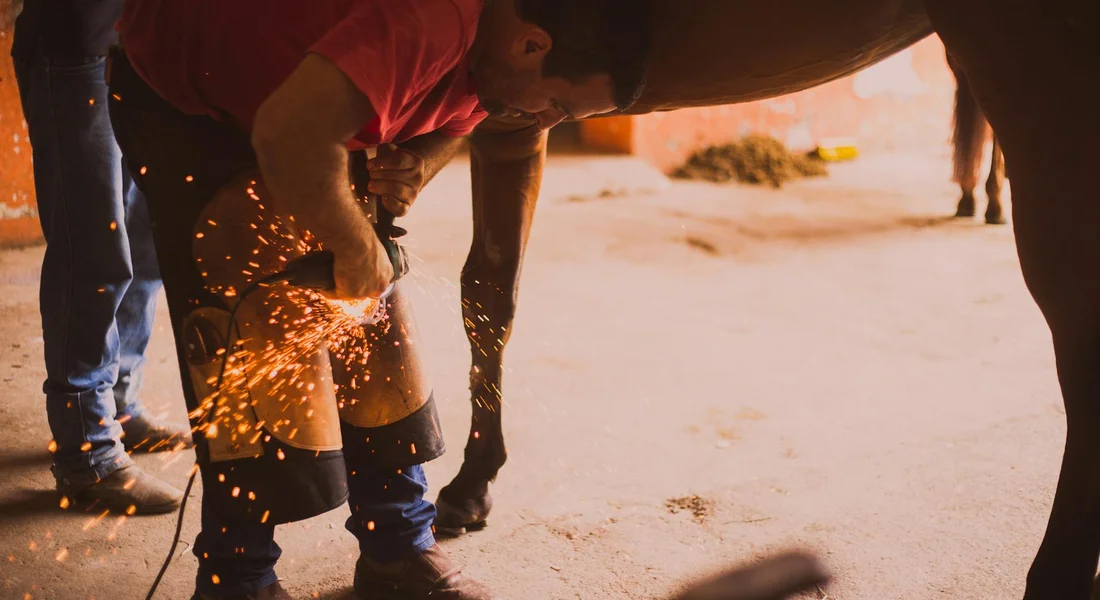
Think of your farrier as a specialized podiatrist and your groom as a dedicated nurse. The farrier focuses on the foundation-the hooves-ensuring mechanical soundness, while the groom maintains the overall system-skin, coat, and comfort-that allows that foundation to thrive. One isn’t more important than the other; they’re a team. I’ve seen a perfectly shod horse develop rainscald because of poor stable management, and a impeccably groomed horse go lame from overgrown hooves. Understanding the costs of shoeing and routine farrier visits helps you plan for that partnership and budget ahead. Knowing roughly what these services cost can help you compare options and avoid surprises.
A good farrier relies on the groom’s daily observations. When my groom mentioned Rusty was tentative on stones, I passed that to the farrier, who adjusted his shoeing for better traction. This partnership directly advocates for equine welfare, ensuring the horse is considered as a whole animal, not just a set of feet or a coat. The groom prepares the horse for the farrier, ensuring it’s clean, calm, and ready for the intricate work of trimming and shoeing.
Training Paths: From Apprenticeship to Stable
The journey to these professions couldn’t be more different, yet both are grounded in hands-on, often muddy, experience. A farrier’s path typically begins with a rigorous apprenticeship, blending blacksmithing with equine anatomy, often culminating in certification from groups like the American Farrier’s Association. They must understand the physics of gait and the biology of the hoof capsule. I’ve known farriers who started by shoeing draft horses and now specialize in performance horses; their hands are strong, but their touch is precise.
In contrast, many professional grooms start right in the stable. Their training is often a practical apprenticeship of a different sort-mucking stalls, learning to wrap legs, and studying equine behavior on the job. Some pursue equine science courses, but the best grooms I’ve hired, like the one who manages Luna’s sensitive nature, learned patience and detail by doing. They know the smell of a healthy hoof versus a thrushy one, and the sound of a contented chew at dusk.
- Farrier Training: Formal apprenticeships (1-4 years), focus on forge work, lameness, and biomechanics. Requires physical stamina and technical skill.
- Groom Training: Often starts as a stable hand. Progresses through mentorship, learning grooming, tack, first aid, and nutrition. Certifications exist but are not always required.
Both paths demand a deep respect for the horse. Whether it’s the farrier patiently holding a hoof for a nervous horse or the groom spending extra time detangling a mane, gentle horsemanship is the non-negotiable core skill for both roles. You build a care team with people who share that ethic, ensuring every professional touch is as kind as it is competent. By building a strong bond and trust with your horse, daily handling becomes a cooperative exchange. With that trust, you navigate challenges together with calm, clear communication.
FAQ: What is a Horse Farrier and Groom?
How often does a horse need a farrier?
The typical schedule is every 6 to 8 weeks for routine trimming or shoeing. This interval must be adjusted based on the individual horse’s rate of hoof growth, which is influenced by diet, season, and workload. Consistent scheduling is a critical part of preventative care to avoid lameness and correct minor issues before they become serious.
What training is needed to be a farrier?
Becoming a farrier requires a formal, hands-on apprenticeship that can last several years, blending blacksmithing with advanced equine anatomy. Many pursue certification through organizations like the American Farrier’s Association, which involves rigorous testing of practical and theoretical knowledge. This path demands significant physical stamina and a deep understanding of equine biomechanics and lameness.
What skills are needed to be a groom?
Essential skills include keen observation to detect subtle changes in a horse’s health, body, or behavior during daily care. Patience, gentle horsemanship, and a detail-oriented approach are crucial for thorough grooming, mane and tail care, and hoof picking. Practical knowledge of equine first aid, behavior, and stable management forms the foundation of a professional groom’s daily responsibilities, ensuring the healthy routine is maintained.
Final Thoughts from the Stable
Your farrier and your grooming routine form the frontline defense for your horse’s soundness and skin health. Prioritize regular, skilled hoof care and make daily grooming a hands-on check for hidden issues. Choosing the right farrier is a key part of that routine. A well-matched professional helps ensure consistent hoof care tailored to your horse’s needs.
Move with patience and prioritize safety in every interaction, for both your sake and your horse’s. The best horsemanship starts with listening to what your horse is telling you through their stance and expressions. Understanding how to communicate effectively with your horse is crucial.
Further Reading & Sources
- Farrier Care for Horses: Hoof Balance, Trimming & Shoeing | Mad Barn
- Farrier – Wikipedia
- Caring for your horse’s hooves | UMN Extension
- Proper Basic Hoof Care | USU
At Horse and Hay, we are passionate about providing expert guidance on all aspects of horse care, from nutrition to wellness. Our team of equine specialists and veterinarians offer trusted advice on the best foods, supplements, and practices to keep your horse healthy and thriving. Whether you're a seasoned rider or new to equine care, we provide valuable insights into feeding, grooming, and overall well-being to ensure your horse lives its happiest, healthiest life.
Hoof Care