
What is a Stud Horse and Stud Fee? A Straight-Talk Guide for Breeders
Published on: August 27, 2026 | Last Updated: August 27, 2026
Written By: Henry Wellington
Hello fellow equestrians. That spark of excitement about breeding your mare can quickly fizzle when you hit terms like “stud fee”-suddenly, you’re worrying about runaway costs and confusing contracts. Let me reassure you: that moment of panic over budget and biology is a sign you’re a responsible owner, not a hesitant one.
I’ve been there with a clipboard in hand, the smell of fresh straw in the breeding shed, helping friends decode stallion ads. In this article, I’ll cut through the noise so you can make a clear-headed decision. We’ll cover the core basics you need to know:
- The true definition of a stud horse, beyond just being an intact male.
- How a stud fee works, from live cover to shipped semen.
- The major factors that send a fee soaring or make it a bargain.
- My barn-tested tips for evaluating a stud and his contract for your mare’s welfare.
Drawing on over a decade as a barn manager and trainer, I’ve navigated this process from both sides of the breeding chain. My goal is to equip you with the same practical knowledge I use in my own stable.
Defining the Basics: What is a Stud Horse?
In the simplest terms, a stud horse is an intact male horse, also called a stallion. This distinguishes him from a gelding, which is a castrated male, and a mare, which is a female. That unaltered state comes with a powerful biological drive and specific responsibilities. Managing a stallion is not just about having a horse; it’s about stewarding a significant force of nature, which requires respect, consistency, and top-tier safety protocols. Developing that understanding starts with familiar terms for male and female horses—stallion, gelding, and mare. This terminology helps owners communicate clearly about care, behavior, and management.
In a barn setting, stallion behavior is distinct. You’ll notice a heightened awareness, a proud carriage, and a potential for assertive vocalizations or displays, especially around mares. Their care needs go beyond basic board. They require secure, reinforced stallion-proof fencing, often separate turnout, and handlers experienced in reading their nuanced body language. From my own time managing a barn that boarded a stallion, understanding horse behavior was crucial – his daily routine was sacred-predictable handling, clear boundaries, and ample controlled movement were non-negotiable for his well-being and everyone’s safety.
A stud horse’s primary role in a breeding program is to contribute his genetics. His key jobs include:
- Passing on desirable traits like conformation, movement, or disposition.
- Preserving or improving a specific bloodline or breed.
- Producing offspring aimed at a particular sport, like dressage or reining.
- Sometimes, simply offering reliable fertility and a safe, manageable temperament for breeding.
Temperament is perhaps the most critical factor beyond genetics. A stallion with a volatile character poses risks to handlers, mares, and himself. A solid grounding in horse breeding fundamentals helps breeders assess temperament, compatibility, and management practices. These basics guide how promising studs and mares are selected and prepared for responsible reproduction. A truly valuable stud horse possesses not just a prestigious pedigree, but a mind that can be partnered with-one that allows for safe collection of semen for artificial insemination or careful oversight in a natural breeding. The mare’s temperament and handling are equally vital, as a relaxed, cooperative experience is crucial for a successful breeding and the future foal’s well-being.
Breaking Down the Cost: What is a Stud Fee?
A stud fee is precisely that: a fee. It is payment made by the mare owner to the stallion owner for the breeding service and the use of the stallion’s genetics for one pregnancy. This transaction does not grant ownership of the stallion, nor does it guarantee a live foal; it is payment for the opportunity and the genetic material. Think of it like commissioning an artist-you’re paying for the skill and reputation behind the brush, not buying the brush itself.
Fees are determined by a confluence of market factors. Legendary bloodlines, like those found in top Thoroughbred or Warmblood lineages, command premium prices. A stallion’s own performance record in elite competition adds immense value. Simple geography and demand play a role-a highly sought-after stallion in Kentucky will have a different fee structure than a local champion in another region. For perspective, while famous names like Tapit or Galileo have fees in the hundreds of thousands, many excellent, proven sport horse stallions have fees in the low thousands, and regional quality stallions can be even less.
The price tag can vary wildly based on several key elements.
Factors Influencing Stud Fee Amounts
- Pedigree & Genetics: This is the blueprint. Stallions from proven, champion-producing families are higher value.
- Personal Performance: A proven track record in racing, show jumping, or another discipline is a massive validator.
- Progeny Success: Nothing sells a stallion like his babies. If his offspring consistently win or sell well, his fee reflects that.
- Semen Quality & Availability for AI: A stallion whose semen ships well for artificial insemination has a global market, affecting price. Poor quality can lower a fee.
- Stallion Availability & Book Size: A limited number of breeding slots (a “closed book”) can drive up fees due to scarcity.
- Breeding Agreement Structure: Fees aren’t always a simple flat rate. They can be negotiated, involve a “breeder’s share” (where the stallion owner gets a foal share), or include incentives for multiple mares.
Always read the breeding contract thoroughly-it outlines what the fee covers, veterinary requirements, live foal guarantees, and the breeder’s responsibilities, protecting both parties in this significant investment.
Breeding Methods: Natural Cover vs. Artificial Insemination
Choosing how to get your mare in foal is your first major decision. From the barn manager’s chair, I’ve seen both methods up close. Each has its own rhythm, requirements, and risks. Think about the mare and her foal as a team from the start. That mare-foal journey will shape every other choice you make for your horse.
Natural Cover (Live Cover)
This is the traditional route: the stallion physically breeds the mare. It’s a carefully orchestrated event, not a casual meeting.
The basic steps involve introducing the mare to the breeding shed, often with a teasing wall for safe interaction. A twitch or leg wraps might be used for safety. A skilled handler guides the stallion for a brief, controlled cover. The mare is then walked out. This method requires experienced handlers, specialized facilities, and stallions and mares with calm, compliant temperaments to minimize danger.
Pros include high conception rates per cycle and no need for specialized semen handling equipment. The cons are significant: high risk of injury to both horses and handlers, strict need for disease-free status, and it limits the mare’s geographical options to where the stallion stands.
Artificial Insemination (AI)
AI involves collecting semen from the stallion and depositing it into the mare’s uterus using specialized equipment. It’s become the standard for good reason, as it simplifies the complete process of horse reproduction.
The process starts with collecting the stallion using a phantom or teaser mare. The semen is evaluated, extended with nutrients, and either used fresh, cooled for transport, or frozen. For the mare, a veterinarian performs a reproductive exam and, at the precise time in her cycle, inseminates her. The core advantage is safety: it removes the risk of physical injury and dramatically reduces the potential for spreading venereal diseases between horses through artificial insemination.
Beyond safety, AI allows a stallion to breed mares globally via shipped cooled semen. The trade-offs include higher technical costs for vet exams and semen processing, and it demands precise timing and mare management. Conception rates per cycle can be slightly lower than live cover, but the overall seasonal pregnancy rate is often higher due to multiple insemination opportunities. Understanding equine reproductive anatomy and physiology—ovaries, oviducts, uterus, and endometrium—helps explain how timing and semen handling influence outcomes. These principles underpin AI-guided breeding strategies and how shipped semen interacts with the mare’s reproductive tract.
The Essential Breeding Contract: Protecting All Parties
A handshake isn’t enough. A detailed breeding contract is your blueprint for the entire process. I never let a mare step onto the property without one signed and understood.
This legal document outlines every expectation. Its key clauses form the backbone of a responsible breeding agreement:
- Live Foal Guarantee: Defines what constitutes a successful breeding and your recourse if it isn’t.
- Payment Terms & Schedule: Specifies the stud fee amount, due dates, and refund policies.
- Insurance Requirements: States who must carry what insurance (mare, stallion, foal).
- Mare Care & Veterinary Costs: Clarifies boarding fees, who pays for palpations, ultrasounds, and medications.
- Transportation & Liability: Outlines responsibility for shipping the mare or semen and liability during transit.
- Breeding Limits: Stipulates the number of covers or insemination doses included in the fee.
Read every line. If you don’t understand a term, ask. A good farm will explain it. An unclear contract is the first step toward a strained relationship and potential legal headaches down the road.
Understanding Live Foal Guarantees
This clause is your primary protection as a mare owner. A typical guarantee states that you owe the full stud fee only after your mare delivers a foal that stands and nurses. If she fails to conceive, loses the pregnancy, or has a stillbirth, the contract should provide options.
Common conditions include requiring a veterinarian to confirm pregnancy at a specific stage, like 45 days. If the mare “slips” after that, you may get a free return breeding for the next season. Always verify what veterinary documentation is required to activate the guarantee, and know exactly what “free return” means-sometimes it only covers the breeding fee, not mare care or vet bills.
Payment Terms and Insurance in Breeding
Money matters are handled upfront to avoid surprises. Fees can be structured in several ways. Some studs require full payment before breeding. Others use a “pay as you go” system: a booking fee to reserve a spot, then the balance upon confirmed pregnancy. A less common structure is payment after the foal is born and meets the guarantee.
Insurance is a critical, often overlooked layer. You should consider three main types:
- Mare Fertility Insurance: Covers the insured value of your mare if she becomes infertile or dies due to breeding complications.
- Stallion Infertility/Liability: (Held by the stud farm) Protects them if the stallion becomes unable to breed.
- Foal Insurance: Can be secured once the foal is born and stands, protecting your investment.
Finally, spell out who pays for what. Are routine palpations included in the mare care board? Who pays for the Caslick’s procedure or uterine lavages? Defining these costs in the contract prevents those awkward barn office conversations later.
Beyond the Stud Fee: Additional Costs to Anticipate
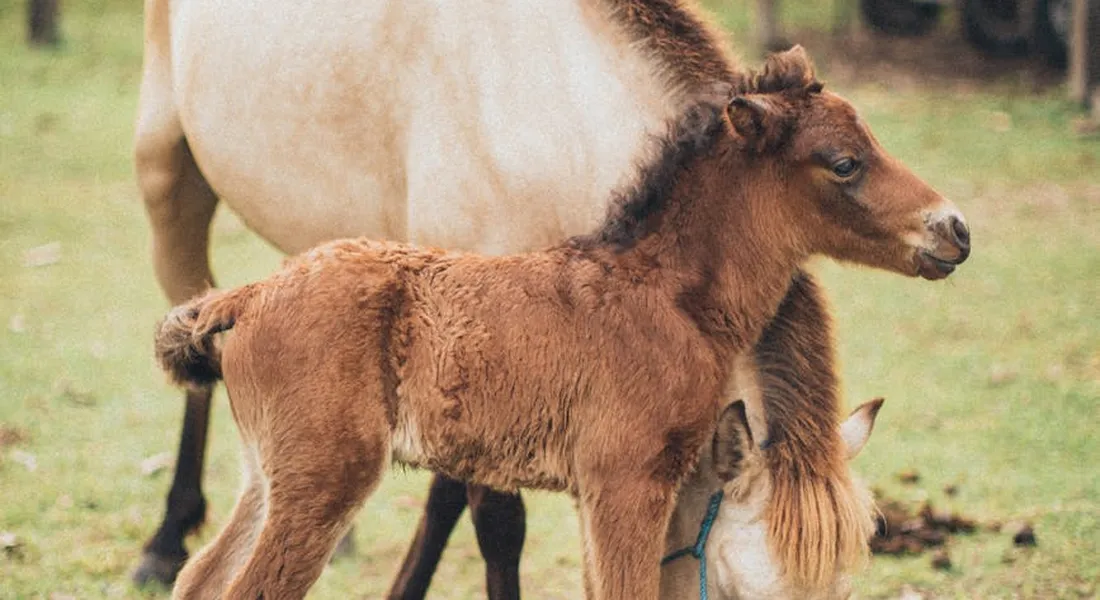
That advertised stud fee is just your entry ticket. I’ve watched more than one excited barn mate get a reality check when the first vet bill arrives. Budget for the whole journey from breeding to weaning, or you’ll be scrambling when the foaling kit needs restocking. Think of it like planning a road trip: you account for gas, snacks, and the unexpected flat tire.
Your mare becomes a temporary resident at the breeding facility, and that comes with a bill. Mare care board covers her stall, hay, and grain, but always ask what’s included. Is turnout part of the package? I always advocate for it-a relaxed mare in a paddock is often a more receptive mare.
- Veterinary Pre-Breeding Exams: Your mare needs a clean bill of health. This includes cultures, cytology, and a reproductive ultrasound to check her cycle stage.
- Ultrasounds: After breeding, you’ll pay for multiple pregnancy checks. That first heartbeat confirmation is priceless, but the scans add up.
- Semen Shipping for AI: If using artificial insemination, you’ll pay for chilled or frozen semen transport, special extenders, and overnight courier fees.
- Foaling Fees: Many farms charge a fee for the actual foaling event and postpartum care for mare and baby.
Don’t forget the getting-there costs. Transporting your mare cross-country is a major line item. Some states or farms require health certificates and quarantine periods, which mean extra vet visits and boarding days you must fund. I helped coordinate Luna’s breeding one year, and the transport logistics were a puzzle worthy of Pipin’s escape attempts.
Choosing the Right Stud: Genetics, Temperament, and Logistics
Picking a stallion isn’t about picking the prettiest picture online. You’re matching a partner to your mare’s strengths and weaknesses. I start by looking at my mare in the crossties-what would I want to improve? Maybe she has a lovely neck but could use more bone density.
- Research Pedigrees Thoroughly: Go beyond the famous sire. Look at the dam’s side and the siblings. Are they sound athletes or prone to early retirement?
- Visit the Stud Farm if Possible: A website can’t convey a stallion’s true demeanor. Seeing how he interacts with handlers tells you about his temperament. Is he tense or curious?
- Assess Stallion Demeanor Directly: A kind eye and a calm presence matter. You’re inviting these genes into your program for decades.
- Consider Location Logistics Realistically: A perfect stallion three time zones away means expensive shipped semen and precise timing. A local option might be simpler.
Genetic compatibility is non-negotiable; you must avoid doubling up on hereditary issues like HYPP or PSSM. Breeding isn’t just creating a foal; it’s assuming responsibility for its lifelong well-being. I think of Rusty’s solid mind-that’s a trait I’d want to pass on far more than a flashy color.
Evaluating Bloodlines and Pedigree
Reading a pedigree is like reading a family’s storybook. Look for consistent performance in the discipline you care about, but also for longevity. A line full of horses still competing soundly at 15 is worth more than a line of precocious two-year-olds who faded by four. The smell of old show programs and the click of a mouse late at night-that’s pedigree research.
Demand to see health clearances. Most reputable studs will have current negative reports for genetic diseases common to their breed. For sport horses, check for OCD and navicular changes in the lineage. Online databases from breed associations are your best friend here, especially when you’re considering genetic considerations in horse breeding.
- Red Flags in Breeding Lines: Be wary of pedigrees littered with “died young” or “retired unsound.” A high number of siblings with the same chronic lameness is a warning sign.
- Trait Inheritance: Understand that some traits, like certain color patterns or conformational quirks, are strongly inherited. If every foal from a sire has a particular splint, expect it.
I keep a simple notebook for these things. Seeing it on paper-the strengths, the cautions, the vet bills from past experiences-makes the choice clearer. Your goal is a healthy, sane partner, not just a paper champion. That’s the heart of good horsemanship.
Preparing Your Mare for a Successful Breeding Season
Think of getting your mare ready for breeding like tuning up a trusted truck for a long haul. You wouldn’t hit the highway without checking the oil and tires. Your mare deserves the same thoughtful preparation. Success starts long before she ever meets the stallion, with foundational care that supports her entire body and reproductive system. From my years managing broodmares, I’ve seen how this groundwork makes all the difference.
Pre-Breeding Foundation: Health Checks & Condition
Before you even think about cycles, you need a baseline. Start by running your hands over her ribs, neck, and hindquarters. We use the Henneke Body Condition Scoring system, aiming for a solid 5 or 6-think well-covered but not fat. A mare in poor condition often won’t cycle regularly, while an obese mare can develop metabolic issues that hurt fertility. Next, review her medical chart with your vet.
- Vaccinations: Ensure she’s current on core shots like EWT/Flu/Rhino. Many breeders also vaccinate for diseases like Strangles and Potomac Horse Fever 4-6 weeks before breeding.
- Deworming: Follow a vet-recommended, fecal-test-based program. A heavy parasite load steals nutrients she needs for pregnancy.
- Reproductive Exam: This is non-negotiable. Your vet will perform a culture and cytology to check for infection, a manual exam, and an ultrasound. They’re looking for any physical abnormalities, fluid, or scarring that could hinder conception.
Cycle Monitoring & Hitting the Window
Mares are seasonally polyestrus, meaning they cycle in the longer days of spring and summer. You’ll need to become a detective of subtle signs. Daily teasing with a calm gelding or stallion helps pinpoint when she’s receptive-ears forward, leaning in, raising her tail, and “winking” her vulva. But to truly nail the timing, ultrasound is your best friend.
- Track her cycle: Mares typically cycle every 21 days, with estrus (heat) lasting 5-7 days.
- Schedule ultrasounds: Your vet will track follicle growth on her ovaries. The goal is to breed when the follicle is mature (usually 35-50mm) and she’s in good estrus.
- Time breeding: For live cover, this means introducing her at the optimal day. For artificial insemination, it often means inseminating within 24 hours before or after ovulation.
I spent many early mornings holding Luna, my sensitive Thoroughbred, for ultrasounds. The quiet ritual of it-the smell of the iodine, the steady flicker of the ultrasound screen-taught me patience and the incredible precision of nature’s schedule.
Fueling Fertility: Nutrition & Turnout
You can’t build a healthy foal from poor materials. Nutrition is where you build those quality bricks. A mare needs a balanced diet rich in quality protein, vitamins, and minerals long before she conceives. Begin boosting her nutrition 60-90 days pre-breeding.
- Forage First: Provide free-choice, excellent quality hay. She should consume 1.5-2% of her body weight daily. A trace mineral salt block is a must.
- Targeted Supplementation: Key players are Vitamin E and Selenium for reproductive health, and Omega-3s for hormone function. A balanced broodmare vitamin/mineral pellet is often simpler than mixing multiple supplements.
- The Turnout Imperative: This is non-negotiable. Constant stall stress harms hormone balance. Daily turnout on safe pasture reduces stress, encourages natural movement, and supports healthy circulation to the reproductive tract. I’ve seen grumpy, stalled mares transform into calm, regular cyclers with nothing more than the prescription of 12-hour turnout.
After the Breeding: Next Steps
Your job isn’t over once the breeding occurs. For the first 48 hours, allow her quiet turnout to relax-no heavy work. Your vet will likely perform a post-breeding ultrasound or infusion if needed. The first pregnancy check is typically at 14-16 days to confirm a heartbeat. Early pregnancy management means maintaining that excellent nutrition, consistent turnout, and a stress-free environment; you’re now caring for two. Avoid strenuous riding or travel, and continue regular, gentle handling to keep her-and you-calm and connected through the journey ahead.
FAQ: What is a Stud Horse and Stud Fee?
How is a stud fee for a champion like Flightline justified?
A fee for a stallion like Flightline reflects his unparalleled, undefeated racing record and immense commercial demand. It prices in the high probability his offspring will be extremely valuable at auction. Ultimately, the market sets this premium based on anticipated future success of his foals.
Why would a fee for a horse like Equinox be so high?
Equinox’s stud fee is justified by his historic international racing dominance and top-level pedigree. His fee represents the value of accessing potentially generational turf talent for breeders. It is an investment in a proven, elite genetic profile with global appeal.
What factors maintain Galileo’s legacy as a sire of sires in his stud fee?
Galileo’s enduring fee is sustained by his unparalleled record as a sire of classic winners and successful stallions like Frankel. It represents access to a proven, dominant bloodline that consistently produces elite racehorses. His fee is a premium for a genetic legacy that has reshaped the breed.
Breeding with Wisdom and Heart
Before committing, scrutinize the stud’s health clearances, daily handling, and turnout routine as closely as his pedigree. The right stud fee buys more than genetics-it invests in a stallion whose temperament and welfare practices support a sound, sane foal.
This journey requires the same patience you’d use with a green horse, always putting safety and comfort first. Listen to your mare; her behavior tells you more about the match than any contract ever could.
Further Reading & Sources
- Understanding ‘Value’ In Stud Fees
- Stud Fees for Horses
- Gettin’ Paid For Gettin’ Laid: The Highest Earning Stud Fee Stallions In History | Celebrity Net Worth
- Fees for New Ashford Stallions Waiting on Breeders’ Cup – BloodHorse
At Horse and Hay, we are passionate about providing expert guidance on all aspects of horse care, from nutrition to wellness. Our team of equine specialists and veterinarians offer trusted advice on the best foods, supplements, and practices to keep your horse healthy and thriving. Whether you're a seasoned rider or new to equine care, we provide valuable insights into feeding, grooming, and overall well-being to ensure your horse lives its happiest, healthiest life.
Choosing the Right Breed