
What is Dressage? A Clear Guide to Building a Safer, Happier Partnership
Hello fellow equestrians. Maybe you’ve seen those elegant tests and wondered if dressage is just fancy circles for fancy horses. Or perhaps you’re facing a real barn-side challenge: a horse that feels stiff, resistant, or just plain confused under saddle, making every ride a puzzle that impacts both safety and joy.
Let’s clear the arena of confusion. This guide will walk you through the practical heart of dressage, focusing on what it truly is beyond the show ring, how its principles prevent injury and build trust, and simple steps any rider can take to start today. I’ve spent years in the barn managing everything from cheeky ponies to sensitive thoroughbreds, and I’ve seen how these methods forge reliable, willing partners.
Dressage Demystified: It’s Not Just for the Olympics
Forget the glittering medals and fancy coats; real dressage is systematic, gentle training that any horse owner can understand. At its core, it’s about developing a horse’s rhythm, balance, and suppleness through patient, consistent work that respects their mind and body. Its roots are in ancient cavalry training, where a responsive, agile horse was a matter of survival, but today those same principles build trust and athleticism in your backyard partner.
Let’s break down some fundamental dressage elements you might already be doing:
- Flatwork: This is all training on level ground without jumps, focusing on obedience and muscle development.
- Gaits: We refine the natural walk, trot, and canter for regularity and purity, not speed.
- Collection: This is when a horse engages its hindquarters to carry more weight, becoming lighter and more maneuverable.
So, What Exactly Is Dressage?
Dressage is the progressive training of a horse to become a more willing, balanced, and pleasant ride. It’s the art of turning basic cues into a seamless dialogue, much like how Pipin knows the precise rustle of a treat bag means “stand still.”
The Language of the Arena: Key Dressage Terms
| Term | What It Means in the Barn |
|---|---|
| Rhythm | The steady, metronome-like beat of a gait; a calm horse has a clear rhythm. |
| Accuracy | Riding precise lines and figures, which builds your horse’s focus and discipline. |
| Transitions | Changing smoothly between gaits or speeds, which is like core strength training for your horse. |
| Aids | Your seat, leg, and hand signals; think of them as your quiet, everyday vocabulary with your horse. |
| Extension | Lengthening the stride while keeping the same tempo, showing true thrust from the hind end. |
A Brief Trot Through History
Modern dressage evolved from military exercises designed to make horses agile for battle. While the spangles are new, the goal of a harmonious, responsive partnership is as old as horsemanship itself. It proves good training never goes out of style.
The Building Blocks: How Dressage Training Works
Dressage training is a staircase, not a ladder, built on short, positive sessions. Always pair this work with ample turnout time; a horse that can move freely in the pasture develops the sound mind and body this work requires. Here is a safe, foundational sequence to follow:
- Begin with a long, relaxed walk to warm up muscles and settle the horse’s mind.
- Establish a rhythmic trot on a loose rein, letting the horse find its balance without interference.
- Practice simple, upward and downward transitions, rewarding the slightest try.
- End with a stretchy cool-down and a moment of quiet grazing, making the work something the horse enjoys.
Foundation First: Mastering the Walk, Trot, and Canter
A quality walk is marching and open, the trot is springy and even, and the canter is balanced and rocking. With my Thoroughbred Luna, focusing on a calm, regular trot did more for her confidence than any fancy maneuver ever could. Rushing creates tension, so breathe deep and let the stride develop naturally.
The Art of the Aid: Clear Communication with Your Horse
Your seat is your center of gravity and power, your legs create energy and direction, and your hands receive and guide. Gentle hands are a welfare issue; they prevent brace and teach the horse to seek the bit instead of fear it. It’s like leading Rusty from the pasture-a light pressure on the lead rope, not a tug-of-war. Grooming touch can be a quiet bridge to that bond, showing your horse you are a steady partner. When done calmly and consistently, it deepens trust and helps your horse respond more readily to your cues.
Introducing Lateral Movements: When and How
Basic lateral work, like leg-yielding where the horse moves sideways and forward, develops crucial suppleness. Your horse is ready for this step when it moves forward freely, accepts contact softly, and can perform a balanced, 20-meter circle. Start at the walk in a safe, enclosed space, asking for just one step at a time.
From Half-Pass to Piaffe: Understanding Advanced Moves
Movements like the half-pass or piaffe represent years of dedicated gymnastics. While captivating, they are the result of impeccable basics, not the goal for most pleasure riders. The simple dressage you do at home-improving transitions and bend-offers every horse the same core benefits of strength and partnership.
Why Dressage is a Win for Horse Health and Rider Skill
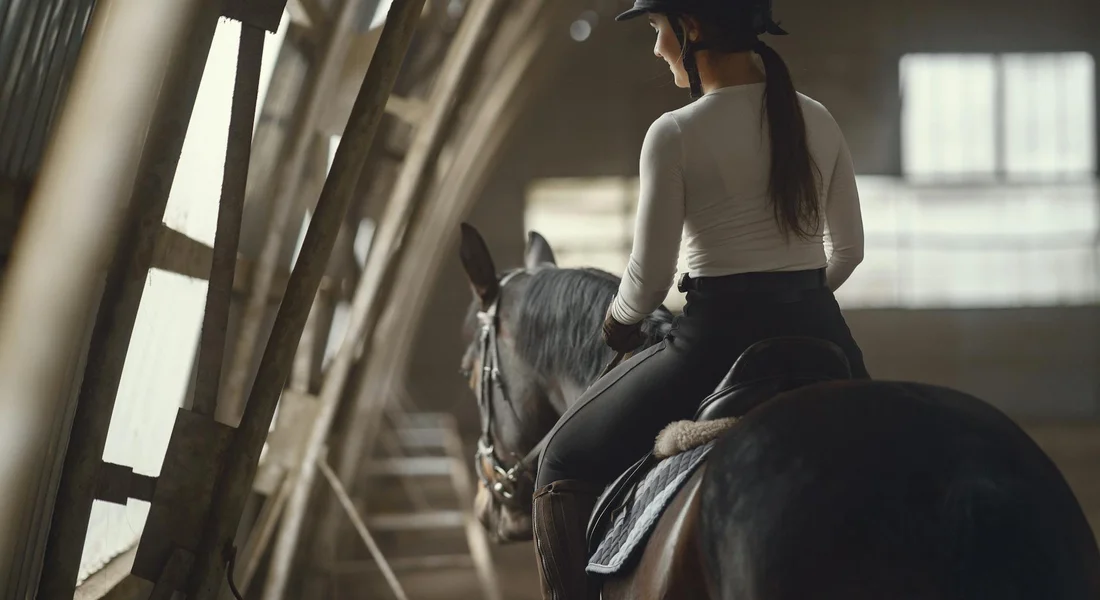
At its core, dressage is gymnastic training that benefits your horse from nose to tail, and I’ve watched it transform pasture companions into balanced athletes. This systematic work directly supports equine welfare by promoting the kind of supple fitness and mental engagement that free turnout encourages, creating a healthier, more content horse.
A Stronger, Happier Horse: The Physical Perks
Think of dressage as targeted physiotherapy for your horse. The precise movements build functional strength that prevents injury and supports longevity. This methodical exercise complements daily turnout by teaching a horse how to move efficiently, which they then use during their free time grazing and roaming.
- Enhanced Balance and Core Strength: Exercises like circles and leg-yields teach a horse to carry weight evenly, engaging their abdominal muscles to support the back. This is crucial for preventing back soreness and joint strain.
- Improved Joint and Digestion Health: Consistent, rhythmic movement lubricates joints and stimulates gut motility. I always notice our pony Pipin seems less gassy after a short session of focused walking.
- Better Muscle Tone and Topline Development: Dressage encourages a horse to push from the hindquarters and lift through the back, building the “uphill” muscle structure that protects the spine and enhances overall stamina.
This is proactive care. A horse with a strong topline and good balance is far less prone to early arthritis or soft-tissue injuries, meaning more sound years together.
Calm Mind, Willing Partner: Mental and Emotional Gains
Structure is a gift for an anxious mind, equine or human. Dressage provides clear, predictable conversations that build trust and reduce stress. I’ve used simple transitions and patterns to channel Luna, our sensitive Thoroughbred’s, nervous energy into focused work, which dramatically lessens her stall-walking tendency.
This consistent dialogue replaces confusion with understanding. When a horse knows what is being asked and succeeds, you see a visible shift—ears relaxed, eyes soft—turning them into willing partners instead of tense participants. It satisfies their need for mental stimulation, reducing boredom-based vices like cribbing or weaving. Understanding their body language is key to recognizing these positive changes.
Sharpening Your Own Skills: What the Rider Learns
Your horse isn’t the only one in school. Dressage trains you to become a subtle, effective communicator. You’ll cultivate an independent seat that moves with your horse’s motion, making you safer and more secure during unexpected moments on the trail or in the arena.
- Refined Balance and Coordination: You learn to steer from your core and seat bones, not just your reins.
- Keen Timing and Feel: You develop the instinct to reward the slightest try, reinforcing good behavior instantly.
- Deeper Empathy and Observation: You start to read the tension in a neck or the flick of a tail, allowing you to adjust your aids before a problem escalates.
It’s a humbling process that makes every ride, whether on steady Rusty or spirited Luna, more connected and effective.
Stepping into the Arena: Understanding Dressage Competitions
Dressage shows might seem formal, but they’re simply a structured showcase for your daily training. The judge is evaluating the foundation of all good horsemanship-rhythm, suppleness, and harmony-not just if you remember to turn at the letter E.
The Dressage Test: Your Prescribed Pattern
A test is a written pattern of movements ridden within a standard arena. For example, a beginner test might start at A with a working walk down the centerline, a halt at X, and then a 20-meter circle at the trot.
You’ll perform figures like circles, diagonals, and transitions. True accuracy in the show ring stems from the straight lines and even bends you practice at home, not from last-minute pattern memorization.
How Judges Score: It’s All About Rhythm and Precision
Each movement receives a score from 0 (not executed) to 10 (excellent). Judges look for specific qualities in every part of the test.
| Scoring Category | What It Means for You & Your Horse |
|---|---|
| Gaits (Freedom & Regularity) | Is the walk purposeful and the trot rhythmic? The horse should move naturally without haste. |
| Impulsion | Is energy coming from the hind end, pushing the horse forward willingly? |
| Submission | Is the horse attentive, relaxed, and responsive, not resistant or evasive? |
| Rider’s Position & Effectiveness | Is the aid clear and quiet? The rider should guide, not hinder. |
A score of 6 is considered satisfactory, meaning the movement was correct but lacked some polish or expression. Judges assess the whole performance, so one low score isn’t the end of the world.
From Local Shows to the Olympics: A Look at Levels
The system progresses logically from basic to breathtaking. Most horse owners find immense reward in the early levels, where the focus is on building a confident, responsive partnership. This is where you start to build a strong bond and trust with your horse, laying the groundwork for deeper cooperation. Trust grows through patient guidance and clear, consistent cues.
- Introductory & Training Level: Foundational. Emphasizes rhythm, relaxation, and forwardness. Perfect for a reliable trail horse like Rusty to learn new skills.
- First – Third Level: Introduces collection, extension, and lateral work like shoulder-in. This is where gymnastic strength truly develops.
- Fourth Level & FEI (Prix St. Georges to Grand Prix): The pinnacle featuring piaffe, passage, and pirouettes. Olympic dressage sits here, but the heart of the sport beats in local rings at the lower levels.
Starting at a schooling show is about education, not just ribbons. It’s a chance to validate your training in a new environment, which is a win for both horse and rider confidence.
Getting Started with Dressage: Practical Tips for Horse Owners
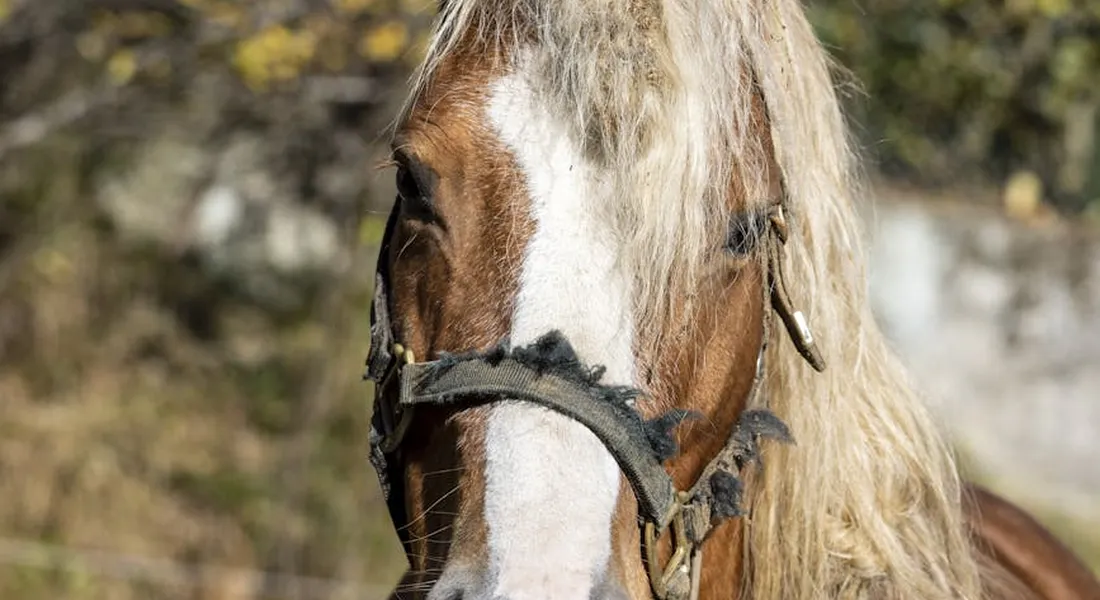
Beginning dressage can feel like learning a new language with a very large, furry partner. It’s not about fancy moves; it’s about building a shared dictionary of subtle aids. The single best piece of advice I can give is to prioritize your horse’s mental and physical comfort above all else—a stressed or sore horse cannot learn, and neither can a frustrated rider. Think of it as a conversation with your horse—clear, calm talking helps them understand you. That dialogue builds better communication between you and your mount. Start in a safe, enclosed arena with good footing where both of you can focus without spooking at stray plastic bags. If you have kids interested, dressage is fantastic for teaching discipline and feel; just ensure they have a suitably calm schoolmaster horse and a trainer experienced with young riders.
Finding the Right Guide: Choosing a Trainer
A great instructor is your translator for this new language. Look for one whose eyes light up when talking about a horse’s well-being, not just its scores. In my barn days, the best trainers were the ones who could hear a slight change in a horse’s breathing or see a tiny flick of an ear that signaled confusion. Seek out an instructor who advocates for ample turnout, discusses saddle fit as a first resort for issues, and whose horses look relaxed and content in their work. Knowing how to separate fact from fiction in horse care is essential, so it’s especially important to find someone who can debunk common exercise and turnout myths.
Questions to ask a potential trainer:
- “How do you adjust your training for a horse coming off 24/7 pasture time?”
- “Can I watch you teach a lesson on a school horse first?”
- “What is your philosophy on using training aids like side reins or draw reins?”
- “How do you handle a horse that is clearly saying ‘no’ or is frightened?”
Your First Dressage Lesson: What to Expect
Forget the fancy coats and top hats. Your first lesson will be humble, focused on the ABCs. Wear comfortable, fitted breeches or jeans and a helmet. Your horse should be clean, with hooves picked and tack cleaned-this isn’t just ceremony; it’s a safety check for loose stitching or debris. Prepare your horse by allowing a good long-hand graze or some free time in the round pen to take the edge off; a mentally present horse is safer and learns faster. And don’t forget to groom your horse thoroughly before riding. Your goal is not to achieve a perfect circle but to end the session with a horse that is softer and a rider who feels one new connection.
Here is what a typical introductory 45-minute session might look like:
- Ground Check (10 mins): Your trainer watches you walk and trot your horse in a straight line and large circle on a loose rein, assessing the horse’s natural movement and any stiffness.
- Rider Position (15 mins): You’ll work at a walk, learning to deepen your seat, align your ear-shoulder-hip-heel, and hold your reins like you’re holding a baby bird-with contact, not force.
- The Half-Halt (15 mins): The core dressage aid. You’ll practice the gentle sequence of “sit, squeeze, release” to rebalance your horse, likely walking over poles on the ground to feel the difference it makes.
- Cool Down (5 mins): A long-rein walk where you both process, followed by untacking and a thorough grooming session to check for any sweat marks or sensitive spots.
Dressage at Home: Simple Exercises for Your Barn
True dressage happens in the quiet moments between formal lessons. It’s in how you ask your horse to back up politely from the cross-ties or move its hindquarters over during grooming. Incorporate these simple drills into your regular rides or even groundwork to build muscle and mindfulness without pressure.
- The Serpentine in the Pasture: On your next trail ride or even leading your horse in from the field, practice shallow serpentines. Ask for just a slight bend around your inside leg as you walk. This encourages suppleness and attention. My old trail horse, Rusty, became much more connected on rides when we practiced this.
- Transition Squares: In an arena or safe field, ride a large square. Walk the long sides, and as you turn each corner, ask for a few steps of a deliberate, marching halt before walking on. This builds engagement from behind and sharpens your aid for downward transitions.
- The Grooming Bend: While brushing your horse, ask them to flex their neck gently toward you by applying light pressure with your fingers near the girth area, rewarding with a scratch the moment they yield. This teaches lateral flexibility off your leg. Pipin, our Shetland, became far easier to de-spook for the farrier after we made this a daily game.
- Standing Square: Teach your horse to stand perfectly balanced on all four feet when you halt. Use a verbal cue like “stand,” and wait. If they shift, gently correct. This develops the balance needed for collected work and is pure gold for the vet or farrier.
FAQ: What is Dressage in Horse Riding?
What is dressage in the Olympics?
Olympic dressage is the elite level of the sport, featuring Grand Prix tests with advanced movements like piaffe and passage. It demonstrates the ultimate harmony and athleticism achieved through years of systematic training focused on horse welfare. For horse care, it underscores how disciplined gymnastic work supports peak equine health and longevity.
Is dressage suitable for children learning horse care?
Yes, dressage is highly suitable for children as it instills discipline and empathy through clear, gentle communication with horses. It teaches young riders to observe equine behavior closely, promoting safer handling and responsible stewardship. Starting with simple exercises, kids build trust and partnership, laying a foundation for lifelong horse care skills.
What is dressage scored on in competitions?
Dressage is scored on criteria such as gait quality, impulsion, submission, and rider effectiveness, with each movement rated from 0 to 10. Judges assess rhythm, precision, and harmony to ensure the training enhances the horse’s balance and suppleness. This scoring prioritizes equine well-being, reinforcing that good dressage is fundamentally about gymnastic development and partnership. Understanding how horses interpret cues and emotions can illuminate why certain cues succeed or fail. For deeper context, the understanding horse behavior psychology complete guide offers practical insights into how perception and learning shape performance.
Final Thoughts from the Stable
True dressage is built on consistent, compassionate care that supports your horse’s physical and mental well-being. Your daily management-from ample turnout to thoughtful tack fit-lays the foundation for every graceful movement in the arena.
Remember, this art form is a conversation, not a command. The most important skill you’ll ever develop is listening to what your horse tells you with his body and his behavior.
Further Reading & Sources
- USEF Safe Sport – Team Dressage
- Dressage: The Ultimate Guide
- Paris 2024 U.S. Olympic Dressage Team Members | US Equestrian
- Home I Partnership Dressage
At Horse and Hay, we are passionate about providing expert guidance on all aspects of horse care, from nutrition to wellness. Our team of equine specialists and veterinarians offer trusted advice on the best foods, supplements, and practices to keep your horse healthy and thriving. Whether you're a seasoned rider or new to equine care, we provide valuable insights into feeding, grooming, and overall well-being to ensure your horse lives its happiest, healthiest life.
Competing