
The Natural Diet of a Horse in the Wild: Your Guide to Healthier Feeding
Hello from the barn aisle! Are you staring at a feed bin, worried about colic, weight issues, or those mysterious behavioral ticks? You’re right to be concerned-getting diet wrong hits our wallets with vet bills and our hearts with stress.
Let’s fix that by looking to the source. In this article, we’ll cover how the wild menu is the blueprint for vitality. We will explore:
- Exactly what free-roaming horses consume across seasons
- How their unique digestive system demands near-constant foraging
- Simple, affordable ways to mimic this natural eating in your own routine
My years of barn management and training, from calming thoroughbreds to outsmarting ponies, are built on this foundational truth.
The Basic Feedbag: Grasses, Forbs, and Constant Grazing
Forget the grain bucket for a moment and picture a wide-open plain. A wild horse’s dinner plate is the ground itself, covered in a varied mix of perennial grasses, broadleaf plants called forbs, and hardy herbs. This diverse salad bar is naturally high in fiber and low in starch, which is exactly what their digestive system is built to process over long, slow hours. I’ve watched Rusty, my quarter horse, mimic this in his paddock, meticulously grazing one patch before moving on, always searching for the best bits.
Common plants in this natural feedbag include:
- Native perennial grasses like blue grama and buffalo grass.
- Broadleaf forbs such as clover and wild violets.
- Herbs including yarrow and milkweed, which they eat in small amounts.
The key isn’t just what they eat, but how. Their gut needs a near-constant trickle of forage to function. When the stream of fiber stops, the delicate microbial balance in their hindgut can crash, leading to colic or other issues. It’s why I’m a fan of slow-feed nets for stall time-they turn a quick meal into a all-day grazing simulation.
Fiber: The Engine Fuel
Think of fiber not as filler, but as the primary fuel for your horse’s engine. Microbes in the cecum-a large fermentation vat in the hindgut-slowly break down tough cellulose from grass stems. This process is like a steady, banked campfire, providing consistent warmth and energy throughout the day and night. Contrast that with a high-grain meal, which is more like throwing gasoline on a fire: a quick, hot burst that can upset the whole system. I learned this the hard way with Luna; even a slight change in her fiber intake makes her sensitive gut obvious.
The “Weed” Patch: Unappreciated Nutrition
That dandelion patch you might curse is a vitamin-rich delicacy to a horse. Wild horses selectively browse on so-called weeds for specific nutrients. Plants like dandelion, plantain, and burdock leaves provide trace minerals and can have gentle diuretic or cleansing properties. A perfectly manicured, single-species lawn is a nutritional desert compared to a diverse meadow. Pipin, our Shetland, is a master forager, always heading straight for the plantain at the fence line-proof that they know what they need.
A Year-Round Buffet: How Seasons Change the Menu
A wild horse’s diet isn’t static; it shifts dramatically with the seasons, teaching us valuable lessons about adaptive feeding. Observing these natural cycles helps us make better choices for our own horses’ year-round care, especially regarding turnout and supplement needs.
| Season | Primary Foods | Nutritional Notes |
|---|---|---|
| Spring | Young, lush grasses, new forb shoots | High in protein and moisture, lower in fiber. Risk of too-rapid intake. |
| Summer | Mature grasses, flowering forbs, some browse | Fiber content increases. Horses may seek out shade plants for moisture. |
| Fall | Dried grass seed heads, fallen leaves, woody shrubs | Energy from grasses drops. Browsing increases for sustenance. |
| Winter | Desiccated grass stems, bark, roots, any remaining browse | Very high fiber, low nutritional value. Survival mode kicks in. |
Spring & Summer: Lush Growth and Moisture
The spring flush brings rapid grass growth that’s tantalizingly rich. This grass is high in sugars and protein but can be too much of a good thing, potentially leading to foundational disturbances like laminitis if a horse gorges. In summer, as grasses mature and dry slightly, horses naturally balance this lushness with drier browse from shrubs and trees. I manage this by giving my guys access to a mixed pasture with wooded areas, mimicking that natural choice and keeping them moving away from the richest patches.
Fall & Winter: Dried Grasses and Woody Browse
When the green fades, the menu turns to dried grasses, seed heads, and significantly more woody browse like twigs, bark, and roots. This is when wild horses rely on fat reserves built during warmer months and their highly efficient hindgut to extract every last calorie from low-quality forage. For our domestic horses, this underscores the importance of entering winter with good body condition and providing ample hay that mimics that steady, fibrous intake. The quiet crunch of hooves on frosty grass and the sight of a horse stripping bark tells the whole story of adaptation.
Branching Out: The Essential Role of Browse
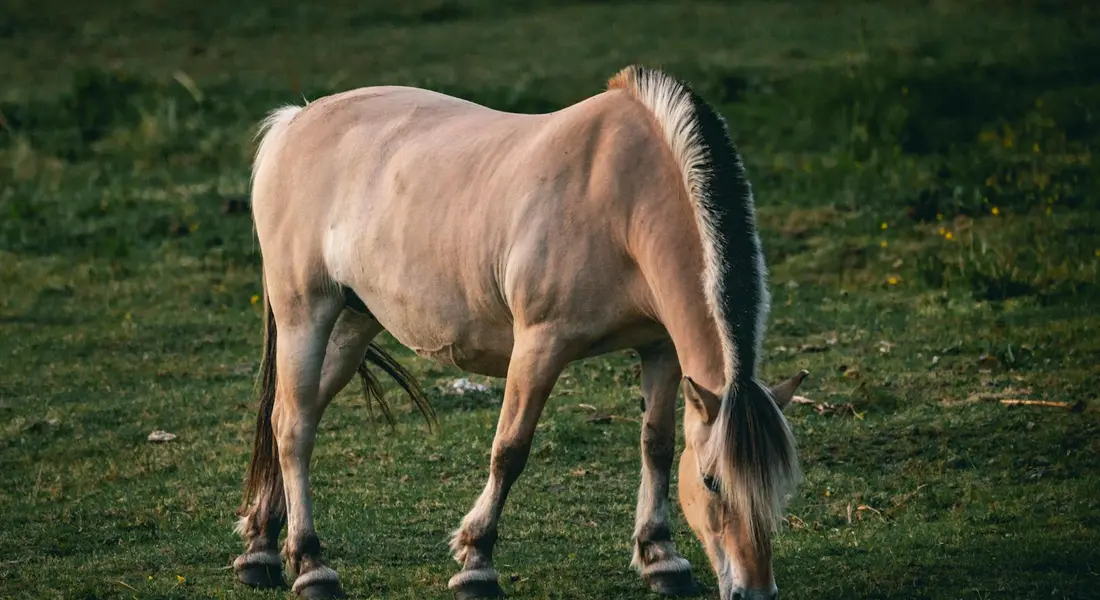
When we picture a wild horse, we often see it grazing on endless plains. But lift your gaze to the tree line. Browsing-the act of eating leaves, twigs, bark, and shrubs-is a fundamental and often overlooked part of their natural diet. My ponies taught me this; Pipin can clear a lower willow branch faster than I can fill a grain bucket. Sometimes, they even eat bark, which raises eyebrows among horse owners.
Browsing offers a different texture and nutrient profile than grass, satisfying a deep-rooted foraging instinct and keeping their minds busy. It’s not just idle chewing; it’s purposeful consumption. Common, safe browse options in many regions include:
- Willow (a natural source of salicin, akin to aspirin)
- Poplar
- Hawthorn
- Fruit tree branches (like apple or pear, sans pesticide)
The benefits are tangible. Gnawing on fibrous bark and stems promotes even dental wear, which can help prevent sharp hooks from forming. Different plants bring different minerals to the table, like the calcium in willow leaves or the trace minerals found in hawthorn berries. For a sensitive soul like Luna, having a safe branch to nibble on in her paddock is a wonderful form of behavioral enrichment, breaking the monotony of stall life.
Spotlight on Burdock: Root, Leaf, and Legend
That tall, weedy plant with the sticky burrs? Horses often seek it out. Burdock is a forager’s prize, with both the leaf and the deep root being palatable. I’ve watched Rusty meticulously dig for the roots with his hoof in a sandy spot.
Burdock root is rich in iron, potassium, and inulin-a prebiotic fiber that supports gut health-making it a notable natural supplement. The leaves provide a earthy, bitter green. But here’s the stable truth: it’s a supplement, not a staple or a cure-all. Think of it as a multivitamin found on the hoof, not the main course.
Overconsumption, especially of the root, can lead to loose stools or imbalance if it displaces their primary forage. Always identify plants with absolute certainty, as many look-alikes are toxic, and introduce any new browse, including burdock, in tiny amounts to observe your horse’s reaction. My rule is simple: let them have a little if it grows in their space, but I don’t harvest buckets of it.
Water and Minerals: The Non-Negotiables
Forage is vital, but nothing happens without water and minerals. Wild herds will trek miles to a known waterhole and seek out mineral-rich soils or natural salt licks. This instinct is unwavering. A horse’s digestion, circulation, and temperature regulation simply shut down without constant, clean water access. Without water, a horse’s survival window is brief—measured in days rather than weeks. Understanding survival time without food or water helps caretakers gauge risk during drought, transport, or confinement.
Your first job is to mimic that reliable water source with clean buckets or troughs, scrubbed weekly to prevent biofilm, and checked twice daily in freezing weather. I learned this with Luna, who would rather go thirsty than drink from a bucket with a faint algae smell. Now, her water is changed like clockwork.
For minerals, a plain white salt block is the foundation. But for a more natural approach, consider a loose trace mineral salt offered free-choice. Horses will self-regulate their intake if given the opportunity, just as they do in the wild, licking at mineral-rich clays. Place it away from their water source to encourage movement, which is beneficial when maintaining a healthy horse diet. This simple act of seeking out salt and water replicates natural behaviors and supports overall metabolic function.
Wild Gut vs. Stable Routine: The Digestive Divide
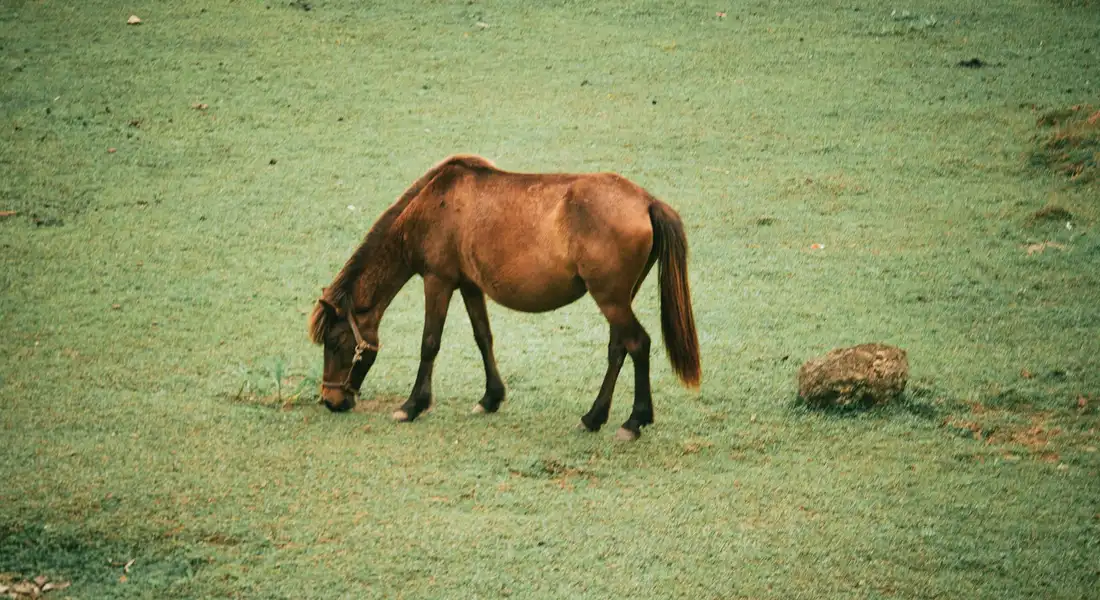
Picture a wild horse on the prairie. Its head is down, lips gently pulling at grasses for 16 to 18 hours a day. Now, picture a common stable routine: two neat meals of grain and hay, served on our human schedule with long, silent hours in between. This is the digestive divide, and it’s the root of so many modern horse problems, especially when compared to how horses are herbivores with digestive systems designed for constant grazing.
A horse’s stomach produces acid continuously, a design perfected for a steady trickle of roughage. When we replace that trickle with feast-and-famine stalls, that acid splashes onto an empty stomach lining. This acidic bath is a primary recipe for the gastric ulcers we see in so many performance and even leisure horses today.
Colic risk spikes for similar reasons. The hindgut, a fermentation vat, operates best on a constant, slow supply of fiber. Big, infrequent meals can overwhelm it, causing gas, impaction, and painful twists. The gut literally goes from a serene, flowing stream to a stagnant pond, then a raging river.
I saw this firsthand with Luna, my sensitive Thoroughbred. Stalled for long periods, she was a wire of nervous energy, prone to cribbing and tight-backed under saddle. Switching her to nearly 24/7 turnout with a slow-feed net didn’t just change her digestion; it softened her entire world. The constant, quiet chew replaced anxious pacing. The thud of her hooves moving freely in the paddock became a sound of contentment, not stress.
Bringing the Meadow Home: Practical Steps for Owners
You don’t need a thousand acres to honor your horse’s wild gut. Small, consistent changes bridge the gap between stable and prairie, promoting health from the inside out.
-
Maximize Pasture Turnout Time. This is your number one tool. Every hour outside is an hour grazing. If full-time isn’t feasible, lobby for dawn-to-dusk or even structured daytime hours. Movement and forage are a packaged deal for health.
-
Use Slow-Feed Hay Nets to Mimic Grazing. When stalled, a hay net with small holes turns a quick meal into a engaging, hours-long puzzle. It slows intake, reduces boredom, and keeps that crucial fiber moving. Listen for the steady, slow rip of hay being pulled, not the frantic gobble.
-
Source or Plant Diverse Hay. Move beyond plain timothy. Look for mixed grass hays with native grasses, herbs, and even legumes like alfalfa in moderation. Diversity in hay mimics the varied buffet of a meadow, offering a broader spectrum of nutrients.
-
Introduce Safe Browse Branches. Horses are not just grazers; they are browsers. Offering trimmed branches from safe trees like willow, mulberry, or fruitless apple provides enrichment, trace minerals, and a different texture to chew. It engages their mind and their lips.
-
Rethink Grain Reliance. Scrutinize every scoop. Many horses maintain perfect weight on good-quality hay alone. If you must supplement, choose a fortified balancer pellet over a high-starch grain. Your horse’s ribs should be felt, not seen, and their calories should come chiefly from the hay loft, not the grain bin.
Nature’s Caveats: Dangers in the Wild Diet Model
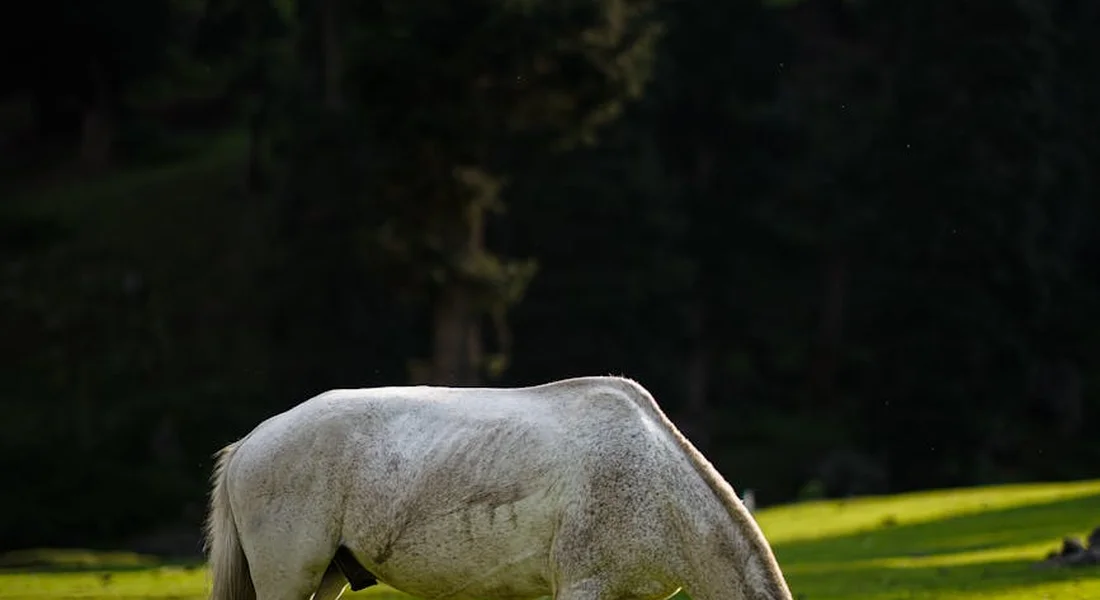
The romantic vision of a horse grazing freely has a darker side. In the wild, survival hinges on knowing what to avoid, a wisdom our domesticated friends often lack. Your job as a caretaker is to be the guardian they no longer have, actively managing their environment to remove hidden threats.
Toxic Plants: The Silent Saboteurs
Many poisonous plants are unpalatable, but a curious or hungry horse, or one with limited forage, might sample them. I’ve spent hours walking pastures, yanking invaders. Here are common offenders that bridge wild and domestic spaces: Safe and toxic plants for horses.
- Yew (all species): This ornamental shrub is violently toxic. Ingestion of even a small amount of leaves or clippings can cause sudden death from cardiac failure. There is no effective treatment.
- Red Maple (Acer rubrum): Wilting leaves are the danger, especially in autumn. They destroy red blood cells, leading to severe anemia, weakness, and dark brown urine. Fresh leaves are less toxic, but never risk it.
- Black Walnut: Shavings or bedding made from this wood are the primary risk. They can cause severe laminitis within hours. Even chips in pasture runoff from a nearby tree can be problematic.
- Oleander & Rhododendron: Often planted for their showy flowers, these contain toxins affecting the heart and nervous system. All parts are poisonous, and they remain toxic when dried.
- Bracken Fern & Horsetail: These grow in poor soils and, when consumed in large quantities over time, cause a vitamin B1 deficiency leading to neurological issues and weight loss.
Environmental Hazards: When the Land Turns Sour
Nature isn’t always bountiful. A wild horse would travel miles to find better ground, but our paddocks are fixed. We must compensate for these natural failures.
- Drought & Overgrazing: Stressed, overgrazed pasture produces higher levels of sugars (fructans) as a survival mechanism, increasing the risk of laminitis and obesity. Bare dirt paddocks force horses to eat anything green, including weeds they’d normally ignore.
- Seasonal Nutrient Shifts: Spring grass is lush and high in sugar; autumn grass can accumulate nitrates after a frost. These natural cycles can trigger colic or founder in metabolically sensitive horses.
- Fungal Endophytes in Pasture Grasses: Some grasses, like tall fescue, can host a fungus that produces toxins causing reproductive issues in broodmares and poor growth in foals. This is a hidden, microscopic danger.
- Water Source Contamination: A stagnant pond or runoff ditch can breed toxic algae (blue-green algae) or collect harmful bacteria, leading to severe poisoning or illness.
I remember a drought year where the only thing thriving in Luna’s paddock was a patch of wiry weeds. Despite the sparse pickings, her discerning nature kept her safe-she’d rather stand at the gate and complain than touch them. Not all horses are that cautious. Replicating the wild diet isn’t about simple imitation; it’s a deliberate, educated practice of curation and constant vigilance. Partner with your vet or an equine nutritionist to identify local risks and test your hay and soil. The goal is to capture the spirit of nature’s buffet while meticulously removing anything from the menu that could cause harm.
FAQ: The Natural Diet of a Horse in the Wild
What does a wild horse naturally eat?
A wild horse’s natural diet primarily consists of diverse perennial grasses, broadleaf forbs, and select herbs. They are constant, slow grazers, consuming high-fiber, low-starch forage for up to 18 hours a day. This steady intake is crucial for maintaining a healthy microbial balance in their hindgut and preventing digestive issues. In domestic settings, natural foraging enrichment and healthy grazing tips can help replicate these patterns. Offering varied, high-fiber forage and multiple small meals supports digestion and welfare.
How does a wild horse’s diet change in a Canadian winter?
In a harsh Canadian winter, wild horses survive on desiccated grass stems, bark, twigs, and any remaining woody browse they can uncover from under the snow. They rely heavily on fat reserves built during warmer months and their efficient hindguts to extract maximum energy from this poor-quality forage. This stark seasonal shift underscores the importance of providing ample, fibrous hay and ensuring domestic horses enter winter with good body condition. This raises the question: do horses handle cold weather winter conditions, and what management supports them best? Exploring their adaptations and care needs can help owners keep them healthy through the season.
Is burdock root a good supplement, based on reviews from horse owners?
Many owner reviews note burdock root is valued as a natural supplement for its iron, potassium, and prebiotic inulin content, which can support skin and gut health. However, consistent feedback warns it should only be a minor part of the diet, as overconsumption can lead to loose stools or nutritional imbalance. Most experienced owners stress it is a forage-based supplement, not a miracle cure, and must be introduced slowly and identified with absolute certainty to avoid toxic look-alikes.
Lessons from the Grazing Herd
Build every meal around the slow, constant intake of roughage like hay or pasture grass. Free-choice forage is the bedrock of equine health, keeping both mind and gut content by honoring millions of years of grazing instinct. Also, consider how straw fits into roughage in equine diets. Horses should mostly rely on high-quality forage, and straw is not a substitute for hay in a balanced diet.
Take your time with any dietary change, and let your horse’s shine and spirit be your guide. True horsemanship means reading the feedback in their eyes, their energy, and even their manure pile, adapting your plan to the individual in your care. For performance horses, do create a balanced diet tailored to workload and recovery. This mindful nutrition helps maintain steady energy and supports long-term performance.
Further Reading & Sources
- What Do Wild Horses Eat? |
- What Do Horses Eat? Discover Horse Diets | SPANA
- Horses Diet In The Wild – River Ranch Educational Charities
- University of Wyoming Research on Wild Horse Diets | American Wild Horse Conservation
At Horse and Hay, we are passionate about providing expert guidance on all aspects of horse care, from nutrition to wellness. Our team of equine specialists and veterinarians offer trusted advice on the best foods, supplements, and practices to keep your horse healthy and thriving. Whether you're a seasoned rider or new to equine care, we provide valuable insights into feeding, grooming, and overall well-being to ensure your horse lives its happiest, healthiest life.
Nutrition