
Can Horses Cry? Understanding Equine Tear Production and Emotional Expression
Hello fellow equestrians, have you ever seen your horse with watery eyes and felt a pang of worry, wondering if it’s a sign of deep emotion or a hidden health issue? That moment of uncertainty, watching a tear-like streak on a furry cheek, is something every caring owner faces.
Let’s settle the question once and for all. In this article, we’ll explore: the straightforward science of how horse tears are produced, clear ways to distinguish between emotional behavior and physical discomfort, and practical barn-side steps for monitoring eye health.
I’ve managed barns and trained horses for years, from sensitive Luna to reliable Rusty, and I’ll share the hands-on insights I’ve gathered from countless hours in the aisle.
The Science of Equine Tears: Lacrimation 101
How Tear Production Works in Horses
Think of your horse’s eye maintenance system like a car’s windshield washer fluid setup, but far more elegant. It’s a constant, quiet process of production and drainage that keeps the cornea healthy and vision clear.
Small lacrimal glands above each eye produce the basic, salty fluid we know as tears. This fluid bathes the eye with every blink, washing away tiny debris and delivering essential nutrients. The used tears then drain away through two tiny holes, called puncta, in the inner corner of the eyelid. From there, they travel down the nasolacrimal duct and exit near the nostril. This efficient plumbing system means a healthy horse’s eye should be bright and clear, not constantly wet or overflowing.
Veterinary science recognizes three main types of tears in mammals. Basal tears are the constant lubricating film. Reflexive tears flood the eye in response to an irritant, like a gust of dust or a stray hay seed. The third category, emotional or psychic tears triggered by feelings, is well-documented in humans but remains unproven in horses. While horses absolutely produce tears, the trigger is almost always physical-a matter of eye health, not heartache.
Tears of Pain vs. Perceived Emotion: Decoding the Message
Physical Causes: When Tears Signal Discomfort
When you see a watery eye in your horse, your first thought should be “check for a problem,” not “he’s sad.” Overflowing tears, called epiphora, are a sign the system is blocked or working overtime.
- Corneal Ulcers or Scratches: Even a microscopic injury is profoundly painful. The eye will produce a flood of tears to try and protect itself.
- Conjunctivitis or Infection: Look for redness, swelling, and a thicker, yellow or greenish discharge alongside the tear overflow.
- Blocked Tear Duct: The drainage pipe is clogged. Tears have nowhere to go, so they spill down the face. This often leaves a clean, damp streak.
- Environmental Irritants: Dust, pollen, or a stubborn fly can cause reflexive tearing. A change in bedding or hay is a common culprit.
I learned this firsthand with Pipin, our Shetland escape artist. One morning, he had a stream of clear tears down one cheek. No squinting, just wetness. A gentle flush of his tear duct with a vet’s guidance revealed a tiny, impacted piece of bedding. Any sudden change in your horse’s eyes-increased tears, squinting, or cloudiness-is a non-negotiable signal to call your vet. Equine ophthalmology is a specialized field for a reason; eye issues can deteriorate with frightening speed.
Behavioral Stress and Social Signals
So, do horses cry tears from sadness or grief? Based on current science and my years in the barn, the answer is no. They do not produce emotional tears as humans understand them. A horse standing in its stall with a wet face is far more likely to have a blocked duct than a broken heart. However, they can still feel stress and discomfort, so in end-of-life care we prioritize comfort and quality of life. Small steps—pain management, gentle handling, and a calm, familiar environment—can make a meaningful difference.
This doesn’t mean they lack deep emotions. Their distress manifests through a symphony of other signals. Tearful eyes might coincidentally appear during times of stress because stress can lower immune response or change behavior, making them more prone to physical issues. You must read the whole horse, not just its eyes.
- Look for the stress responses: prolonged separation from a herd mate, relentless pacing, weight loss despite good feed, or a dull, depressed posture.
- Listen for the signals: excessive whinnying, lack of interest in surroundings, or conflict at the fence line.
- Watch the face: tight lips, pinned ears, a tense chin, and hard eyes tell a story tears alone cannot.
True empathy in horsemanship means becoming a translator of this broader body language. Advocating for your horse’s welfare means addressing the root cause of stress-be it loneliness, boredom, or pain-not misinterpreting a physical symptom as an emotional one. Understanding horse behavior and psychology is essential for this approach. Provide companionship, ample turnout, and a gentle, predictable routine. Their contentment will show in a soft eye, a relaxed lower lip, and the quiet huff of breath, not in a trail of tears.
Reading Your Horse’s Emotional State: Beyond the Tears
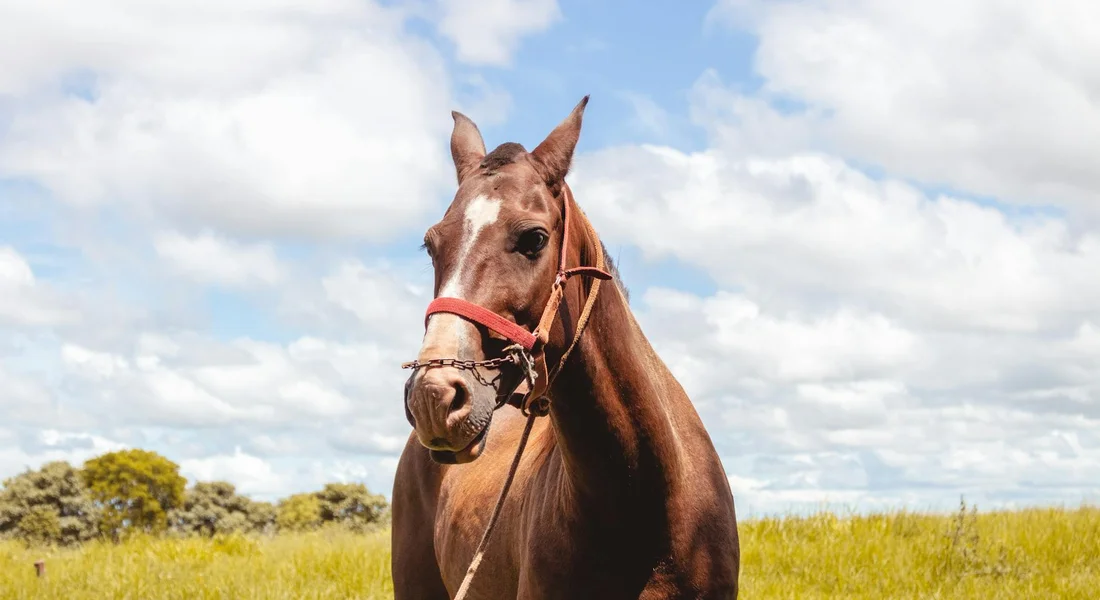
Key Behavioral Clues to Watch For
Guiding Notes
Since horses don’t shed emotional tears, you must become fluent in the language of their posture and habits. Learning to read their body language helps you tell if your horse is happy and thriving. These cues let you tailor daily care and training to support their joy. Your daily observation is the most reliable tool for catching subtle shifts in their well-being before they become big problems.
Signs of stress or unhappiness often shout from the silence of a stalled horse. A depressed posture-think lowered head, slumped back, and a general lack of spark-is a clear signal that something is wrong. Reduced interest in food or friends is another major clue. My sensitive Thoroughbred, Luna, will sometimes ignore apple slices when she’s feeling anxious, a dramatic change from her usual treat-motivated self.
- Depressed posture: head carried low, slumped withers, minimal reaction to surroundings.
- Reduced interest: walking away from grain, leaving hay uneaten.
- Social withdrawal: standing apart from the herd, avoiding grooming.
- Excessive vocalization: frequent, tense whinnies when stablemates are out of sight.
Now, contrast that with the portrait of a content horse. A relaxed muzzle, soft eyes that blink slowly, and ears that pivot with curious interest are the hallmarks of an equine at peace. My steady Quarter Horse, Rusty, embodies this during his turnout time, often standing with one hind leg cocked, chewing his cud with a far-off, serene look.
- Soft eyes: a gentle, liquid gaze with no white ring showing.
- Relaxed muzzle: lips are loose, sometimes with a slight droop.
- Engaged curiosity: ears actively tracking birds, barn cats, or your approach.
- Comfortable stance: weight evenly distributed or resting a leg.
To make this practical for your daily routine, here is my quick-scan list. Spend just five minutes using this checklist during your evening feed to build a baseline of your horse’s normal, happy behavior. These observations align with the Are signs healthy horse daily check guide.
- Posture check: Is the head up and alert when you enter the barn?
- Feed response: Does she dive into dinner or pick at it?
- Herd dynamics: Is he interacting or parked in a corner?
- Vocal tone: Are any whinnies high-pitched and frantic?
- Facial expression: Are the eyes soft and the ears friendly?
Nighttime Weeping: Do Horses Cry More in the Dark?
Guiding Notes
Finding tear tracks on your horse’s face in the morning can be worrying, but let’s shed light on the real causes. Nighttime tear production is typically a physical reaction to the stable environment, not a sign of equine sorrow.
Common environmental irritants are usually to blame. Dust from bedding can scratch the eye’s surface, triggering a protective flood of tears while your horse rests. Poor ventilation allows ammonia from urine to pool, creating a stinging haze. Even the simple act of lying down can press on the tear duct, causing a temporary overflow.
- Dusty bedding: especially from hay or dry shavings, irritates the cornea.
- Ammonia buildup: from wet stalls without proper airflow, causing inflammation.
- Tear duct pressure: from resting the head on the ground for extended periods.
- Dry, stagnant air: can lead to reflex tearing to moisten the eye.
It’s vital to separate fact from folk tale. Attributing nighttime tears to loneliness is a human projection that can distract from solving the actual, physical discomfort your horse is experiencing. I once found my pony, Pipin, with damp streaks on his cheeks; the culprit was a dusty new bale of hay he’d been napping against.
Proactive stable management solves most of these issues. Prioritize clean, low-dust bedding and ensure good cross-ventilation to create a comfortable nighttime atmosphere for your horse. Proper ventilation is a cornerstone of optimal health for your horse. By addressing airflow and humidity, you help reduce respiratory issues and odors. Your evening check should include a quick glance at the eyes and a conscious smell of the air for any ammonia sharpness.
- Choose dust-extracted bedding and shake it out well during mucking.
- Open upper vents or windows overnight to create a gentle breeze.
- Remove wet spots daily to prevent ammonia crystals from forming.
- Gently wipe away any morning crust with a clean, damp cloth.
- Consult your vet if tearing is constant, as it could signal a blocked duct.
Social Bonds and Tearful Reactions: Seeing You and Saying Goodbye
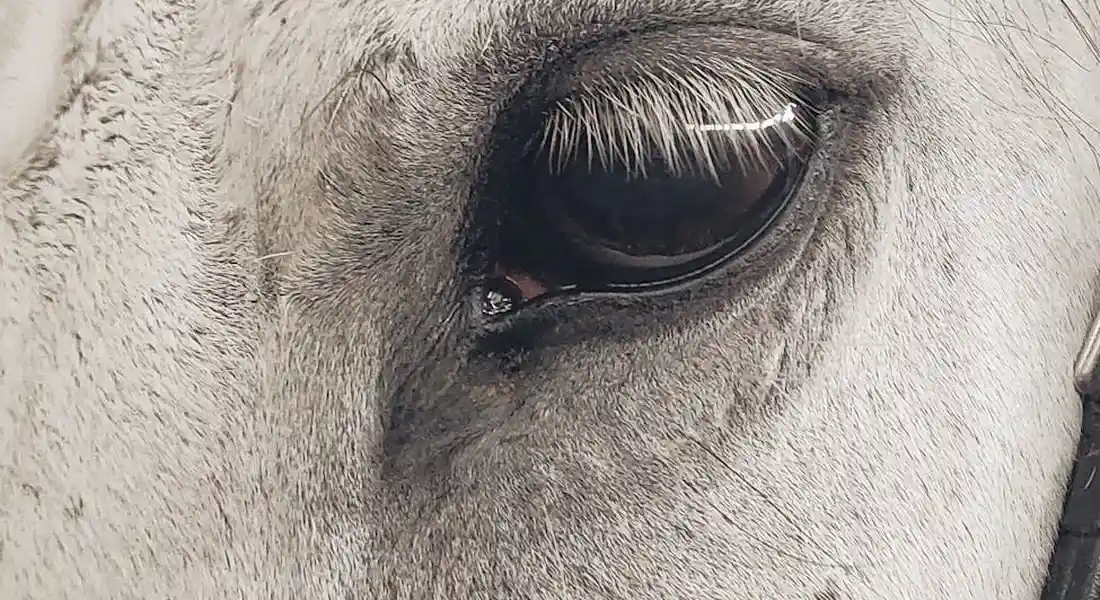
Reunions and Separations: What’s Really Happening
You walk into the barn and your horse lets out a low nicker, their eyes looking bright. It’s easy to think those are tears of joy. After years of morning feedings with Rusty greeting me, I can say horses form deep bonds, but they don’t cry from emotion like we do. That watery shine is far more likely a physical reaction than a sentimental one.
Horses show attachment through clear behaviors. A familiar head toss, a soft nicker when you arrive, or anxious pacing when the herd leaves for a trail. My Thouroughbred, Luna, will press her forehead against my chest when she’s seeking comfort. These actions speak volumes about their social connection without a single tear being shed.
So what causes damp eyes during hello or goodbye? Excitement can increase eye lubrication. A gust of wind across the paddock or a speck of dust stirred up from a happy dance can do it. I’ve seen Pipin get a runny eye just from sticking his nose into a fresh hay bale. Always consider the environment first when you see moisture; it’s usually coincidence, not heartbreak.
Gentle horsemanship makes arrivals and departures smoother for everyone. Here is a simple routine to reduce stress.
- Approach calmly. Avoid loud greetings that can startle.
- Practice quiet bonding. Spend five minutes just scratching their favorite spot before you rush to tack up.
- Leave gradually. Don’t make a sudden exit; give a final pat and walk away without fuss.
- For horses with separation anxiety, ensure a herd buddy is nearby when you go.
Practical Care for Watery Eyes: A Step-by-Step Guide
Daily Inspection and Maintenance
Your daily glance should be quick and consistent. Catch issues early by making eye checks part of your grooming, right after you pick hooves.
Follow this order every time you see your horse.
- Look for clarity. The eye should be clear, not cloudy or hazy. The area around it should be clean.
- Check for discharge. Note the color. Clear moisture is normal; yellow, green, or thick goop is not.
- Assess comfort. Watch for squinting, excessive blinking, or aversion to light. Feel for heat or swelling with the back of your hand.
To clean harmless tear stains, use a soft, damp cloth. Wipe from the inner corner outward, using a fresh section of cloth for each eye. This prevents cross-contamination if one eye has a budding issue. Never use soap or chemicals unless your vet says so.
This table helps you decode what you see and know when to act fast.
| Symptom | Possible Cause | Immediate Action |
|---|---|---|
| Cloudy or blueish film over eye | Corneal ulcer, injury | Call vet immediately. This is an emergency. |
| Thick, yellow/green discharge | Infection (bacterial) | Call vet for diagnosis and prescribed ointment. |
| Constant clear tear overflow | Blocked tear duct, allergy, irritant | Clean gently, monitor for 24 hours. Call vet if it persists. |
| Swelling of eyelid or surrounding tissue | Allergic reaction, insect bite, trauma | Apply cold compress if safe, call vet for guidance. |
The paramount rule is simple: when in doubt, your veterinarian is your best partner for equine health. Do not gamble with vision.
Promoting Welfare to Prevent Stress-Related Issues
True eye health starts with whole-horse wellness. A content horse in a good routine has fewer unexplained physical quirks, including mysterious wet eyes. Ample turnout time is non-negotiable; it allows for natural blinking, head lowering, and wind to clear dust.
Advocate for these core needs every single day.
- Herd socialization: Horses are herd animals. Isolation stresses them, which can manifest physically.
- Consistent routines: Feed, turn-out, and work at similar times. Horses thrive on predictability.
- Forage access: Constant grazing mimics natural behavior and reduces stable-born anxiety.
I link Luna’s sensitive reactions to her environment. When she’s stressed, her whole body is tighter, and I watch her eyes more closely. My barn management hack is to use quiet grooming sessions as bonding time and a stress check; calm hands often reveal calm horses.
Humane treatment and observant care are your most powerful tools. Providing a low-stress life with friends, space, and kindness is the best way to support your horse’s emotional and physical well-being.
Busting Common Myths: The Truth About Horse Crying
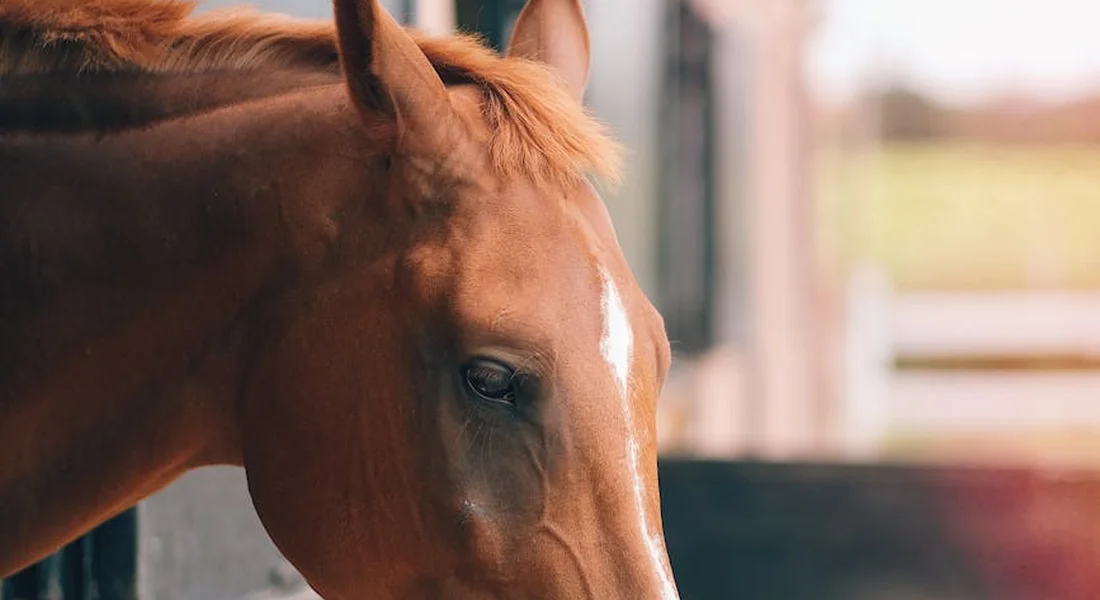
Let’s get straight to the point. You’ve seen those photos: a horse with a gleaming wet streak down its cheek, head bowed. The caption says it’s crying from sadness or grief. It tugs at our hearts because we see our own emotions in them. I’ve stood in the stall with my own horses, wondering the same thing. But the hard truth from science, and from decades in the barn, is different. Horses do not produce emotional tears the way humans do; their tear production is a physical mechanism, not an emotional one.
The Plumbing of a Tear Duct vs. The Weight of a Feeling
Think of a horse’s lacrimal system like the plumbing under your sink. Its job is to produce a basal level of fluid to lubricate and protect the eye. When that system gets irritated or blocked, fluid overflows. That’s the “tear” you see. Human crying is a complex psycho-biological response involving our brain’s limbic system. In horses, that specific neural pathway linking deep emotion to tear production simply doesn’t exist.
I remember a windy spring day when Rusty’s eyes were streaming. My first, very human thought was, “What’s wrong, buddy?” A quick check showed a piece of dust-laden hay chaff caught in his lower lid. No sadness, just a speck of irritating straw. Once removed, the “crying” stopped. Interpreting horse behavior requires swapping our human lens for an equine one, focusing on context and physical clues before emotion.
What Those Wet Cheeks Really Mean
So if it’s not sorrow, what is it? Here are the common, physical culprits behind a horse’s tears:
- Environmental Irritants: Dust, pollen, strong wind, or flies. This is the most frequent cause I see.
- Blocked Tear Ducts: The tiny drain in the corner of the eye gets plugged. The tears have nowhere to go but down the face.
- Conjunctivitis or Infection: The eye membrane is inflamed, often with other signs like redness or discharge.
- Allergies: Similar to humans, horses can have seasonal allergies that make their eyes water.
- Facial Anatomy or Injury: Some horses simply have a shape that promotes overflow, or a tiny scratch on the cornea.
Luna, with her fine Thoroughbred sensitivity, often gets watery eyes during high-pollen counts. It’s her body protecting a vital organ, not a sign of melancholy. Your job as an owner is to play detective, not psychologist, when you see wet fur. Look for swelling, squinting, or rubbing-these are your real clues.
How Horses *Do* Express Emotion
This doesn’t mean horses are unfeeling. Far from it. They communicate rich emotional states through clear, observable behavior and body language. We just need to know where to look. When Pipin is frustrated his grain is late, he doesn’t shed a tear. He rattles his stall door with a determined *thump-thump-thump*. That’s his statement.
- Distress or Anxiety: Pacing, calling, sweating without exertion, whites of eyes showing, high head carriage.
- Discomfort or Pain: Ears pinned flat back, tense muzzle, unwillingness to move, repetitive shifting of weight.
- Contentment or Relaxation: Soft, drooping lower lip, a leg resting, slow chewing motions, eyes half-closed with a slow blink.
The sigh is a powerful one. A deep, long exhalation after work often signals physical release and mental settling. I listen for it when I untack. Trust the whole picture of the horse’s posture, expression, and situation over a single, easily misinterpreted sign like a tear.
Your Takeaway for Humane Care
Veterinary science on lacrimation is clear: the system is for ocular health. The best thing you can do for your horse’s emotional welfare is to become a master reader of their true language. Focus on the tangible.
- Provide a low-stress environment with plenty of turnout and herd companionship.
- Ensure their physical needs are met: quality forage, clean water, routine dental and health checks.
- Observe them daily. Know their normal so you can spot the abnormal.
- If eyes are watery, investigate the physical cause first. Call the vet if there’s swelling, squinting, or cloudiness.
Our empathy is a powerful tool for good, but it must be guided by knowledge, not projection. By understanding the real reasons behind “horse tears,” you move from a place of sympathetic guesswork to one of empowered, effective care. You become the partner they need.
Frequently Asked Questions: Can Horses Cry and Produce Tears?
Do horses cry tears?
Horses do produce tears, but this is a physiological process for eye lubrication and protection. They do not shed emotional tears due to feelings like sadness or joy as humans do. The appearance of tears is almost always linked to a physical cause, such as an irritant, infection, or a blocked tear duct.
Do horses cry when they see you?
A horse’s watery eyes when you arrive are not tears of emotional greeting. The bright, shiny look is typically just normal eye moisture, which may be more noticeable in certain light or if the horse’s head is lowered. Excitement from your arrival can cause increased movement that stirs up dust, potentially leading to reflexive tearing as a physical response to the irritant.
Do horses cry when you leave them?
Horses do not produce tears as an emotional response to your departure. They may experience separation anxiety, which they express through clear behavioral signals like pacing, calling, or agitation. Any visible eye moisture during this time is likely a coincidental physical issue or a result of environmental factors within the stable.
Seeing the Whole Picture
A watery eye is your horse’s way of signaling physical discomfort, not emotional sorrow, so your immediate focus should be on checking for debris, injury, or illness. Consistently clear any persistent discharge with a vet’s guidance to protect their vision and overall well-being.
Building a deep connection with your horse comes from patiently observing their entire range of signals, from a pinned ear to a relaxed sigh. Your willingness to listen and respond thoughtfully is what defines true, gentle horsemanship. Building that trust is a gradual process that requires time and empathy.
Further Reading & Sources
- Comparing the effects of intraocular pressure and tear production measurements in horses in two different environments: Horse stable and medical barn – Cinar – 2025 – Equine Veterinary Journal – Wiley Online Library
- A Modified Schirmer Tear Test in Clinically Normal Horses: Measurement at 30 Seconds versus 60 Seconds – ScienceDirect
- Effects of trimethoprim-sulfadiazine on tear production and the fluctuations of Schirmer tear test values in horses – PubMed
- Using Regenerative Medicine to Improve Healing in Soft Tissue Injuries – FVMA
At Horse and Hay, we are passionate about providing expert guidance on all aspects of horse care, from nutrition to wellness. Our team of equine specialists and veterinarians offer trusted advice on the best foods, supplements, and practices to keep your horse healthy and thriving. Whether you're a seasoned rider or new to equine care, we provide valuable insights into feeding, grooming, and overall well-being to ensure your horse lives its happiest, healthiest life.
Behavior