
Grain-Free vs. Traditional Feed: A Practical Guide to Your Horse’s Digestive Health
Hello fellow equestrians. Staring at a feed room shelf, paralyzed by choice and worried about colic or behavioral flares? I’ve been there in the quiet of the barn, listening to the steady crunch of hay and wondering if I was making the right call for each horse’s belly.
Let’s clear the air. This isn’t about trends; it’s about what keeps your horse comfortable and thriving. We’ll walk through:
- what “grain-free” really means for a horse’s complex gut and when it’s a genuine benefit
- the undeniable, practical roles that traditional feeds still play for many working equines
- how to spot the subtle signs of digestive ease or distress long before a vet call is needed
My decisions come from mucking stalls, mixing meals, and years of tailoring diets for everything from easy-keepers to hard-working partners.
Decoding the Feed Bag: Grain-Free vs. Traditional Ingredients
Grain-free feed avoids cereals like oats, corn, and barley, building its nutrition from forage-based ingredients instead. Traditional feed uses those very grains as primary energy sources. In plain terms, grain-free aims to mimic a continuous grazing diet, while traditional feed is a concentrated calorie boost often needed for high-performance work.
Their base ingredients tell the story. Grain-free relies on elements like beet pulp, soy hulls, and alfalfa meal-all extensions of roughage. Traditional feed centers on grains, which are higher in soluble carbohydrates.
| Feed Type | Starch Content | Primary Fiber Sources | Typical Energy Density |
|---|---|---|---|
| Grain-Free | Low (often under 10%) | Beet pulp, soy hulls, alfalfa | Moderate to High (from digestible fiber) |
| Traditional | High (can exceed 20%) | Grain by-products, chopped hay | High (from soluble carbs) |
Common grain-free components are gentle workhorses of nutrition:
- Beet pulp: Soaks up moisture and provides slow-release calories.
- Soy hulls: Offer bulk fiber with minimal starch.
- Alfalfa meal: Delivers protein and calcium naturally.
Traditional feed ingredients have different profiles:
- Oats: Lower starch than corn but still a quick energy source.
- Corn: Very high in starch, which risks rapid hindgut fermentation.
- Molasses: Adds sugar for taste, increasing overall sugar content.
Watch protein balance: grain-free often gets protein from legumes, while traditional feeds may blend grain proteins and synthetic amino acids.
What’s Actually in Grain-Free Feed?
Let’s open the bag. Beet pulp is a superstar; its pectin fiber is highly digestible in the hindgut, offering steady fuel. Soy hulls are mostly insoluble fiber, promoting gut motility without spikes. Alfalfa meal is nutrient-dense, perfect for horses needing more calories without grains. I switched my thoroughbred Luna to a beet pulp-based feed, and her nervous energy softened into a consistent, manageable glow. These fibers replace grains because they digest slowly, preventing sugar rushes and supporting a calm, full belly.
Breaking Down Traditional Feed Labels
Reading a feed tag is a vital skill. Start with the guaranteed analysis for crude protein, fat, and fiber. Your first stop should be the calcium to phosphorus ratio; look for at least 1:1, with 2:1 being ideal for bone and metabolic health. Scan for added vitamins like A, D, and E, which are crucial for horses with limited turnout. I always check this for Pipin, my Shetland; his label guides me to limit sugars and maintain that perfect mineral balance to keep him sound. These fundamentals underpin equine nutrition basics for feeding optimal health and performance. Mastering them helps turn everyday care into peak performance.
The Gut Reaction: How Feed Affects Equine Digestion
Picture your horse’s digestion as a long, winding trail. Food travels from the stomach to the small intestine, where sugars and starches are absorbed. The real action is in the hindgut-the cecum and colon-where fiber ferments for hours, fueled by a vast microbiome. A healthy hindgut means consistent energy, good manure, and a much lower colic risk.
Here is how feed choice changes the journey:
- High-Starch Traditional Feed: A large meal floods the small intestine with starch. Excess spills into the hindgut, ferments too fast, drops pH, and kills good bacteria. This can cause gas, acidosis, and discomfort.
- Steady Fiber from Grain-Free: Fiber arrives in the hindgut gradually. It ferments slowly, producing volatile fatty acids for stable energy without shocking the microbial community. Digestion stays smooth and predictable.
Fresh hay and pasture are full of natural prebiotics that feed this good bacteria. Nothing supports digestion like ample turnout; I see it in Rusty’s robust health and perfect manure piles. Probiotic supplements can be a helpful boost after stress or illness, but they work best on a foundation of quality forage.
When to Choose Grain-Free: Health Conditions and Risks
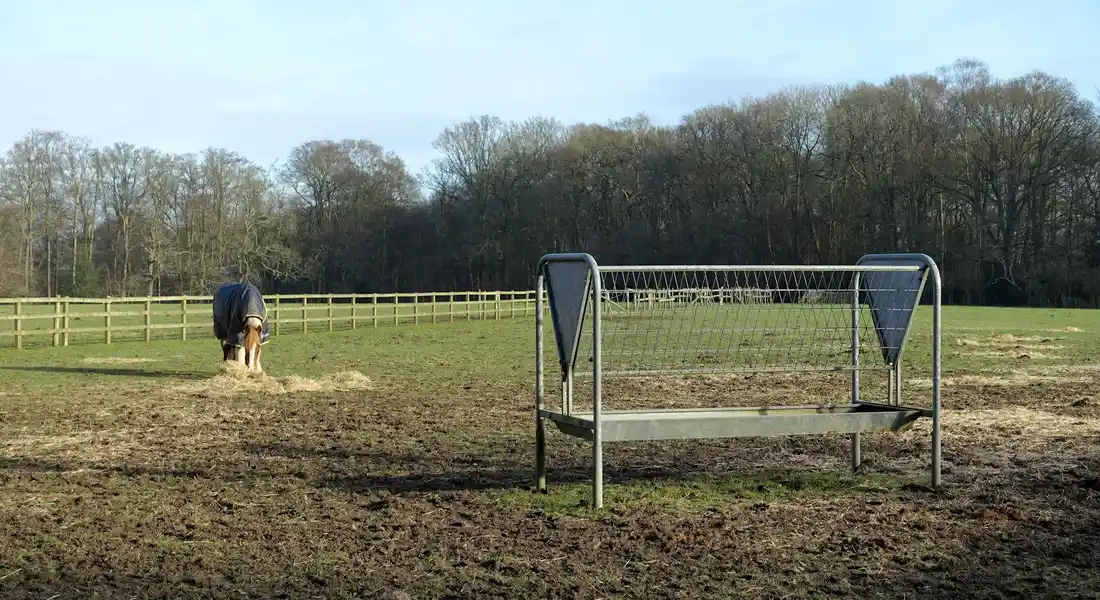
Some horses thrive on a simpler menu, and grain-free feed can be a literal lifesaver for those with specific conditions. The goal is to minimize non-structural carbohydrates (NSCs)-the sugars and starches found in grains like oats, corn, and barley.
- Laminitis Risk or Founder History: High NSC intake is a primary trigger for painful hoof inflammation. A grain-free diet drastically reduces this risk, helping to keep those delicate laminae healthy.
- Equine Metabolic Syndrome (EMS) or Insulin Resistance (IR): These horses cannot process sugars efficiently. A low-NSC, grain-free feed helps regulate insulin levels and manage body weight without starvation.
- PSSM (Polysaccharide Storage Myopathy) Type 1: This muscle disorder requires a fat-based diet, not a sugar-based one. Grain-free, high-fat feeds are the standard management protocol.
- Chronic Digestive Upset or “Tummy Trouble”: Some horses are simply starch-sensitive. Reducing grain can ease hindgut fermentation issues, leading to less gas, softer manure, and a happier horse.
By lowering the fermentable sugar load, you directly support a more stable hindgut environment, which is your first line of defense against certain types of colic. A bellyache that starts with a grain overload is one you can often prevent entirely.
I managed a sensitive Thoroughbred, much like Luna, who would get footy and anxious on even a small cup of sweet feed. Switching her to a soaked hay pellet and a vitamin balancer changed her entire demeanor. The jittery energy faded, replaced by a calmer focus under saddle. Her coat lost that “hot” feel and took on a healthier bloom. It was a clear lesson that for some horses, “more” energy from grain is just the wrong kind of nervous energy.
The Traditional Route: Benefits for Balance and Energy
For many healthy horses in consistent work, a well-formulated traditional feed provides balanced nutrition in a convenient, cost-effective package. These feeds are engineered to complement forage in a healthy horse diet.
- Reliable, Digestible Energy for Work: The calories from grains like oats and barley are readily available for fueling muscle. A performance horse in heavy training often needs this dense energy source that forage alone can’t supply.
- Consistent Protein & Mineral Delivery: Quality feeds include precise levels of amino acids (like lysine), calcium, phosphorus, and trace minerals. This ensures a growing youngster, a breeding mare, or a hard-working partner gets exactly what they need, even if your local hay quality varies.
- Support for “Hard Keepers”: Some horses, like older equines or lean Thoroughbred types, struggle to maintain weight. The higher calorie density of traditional feeds helps them hold condition without having to consume an overwhelming volume of hay.
Traditional fortified feeds are often more affordable per calorie than many specialty grain-free alternatives, and they are ubiquitously available at any feed store. This makes them a practical choice for the average owner with a healthy horse.
My old reliable gelding, Rusty, is a perfect candidate for traditional feeding. As a solid Quarter Horse used for long trail rides, he needs those slow-burning oats to maintain his steady stamina without becoming hot. His digestion is iron-clad, and the balanced nutrients in his ration balancer keep his topline strong and his hooves tough, even when our pasture grass gets a bit thin in the summer. For him, it’s the right tool for the job.
Switching Feeds Safely: A Step-by-Step Transition Plan
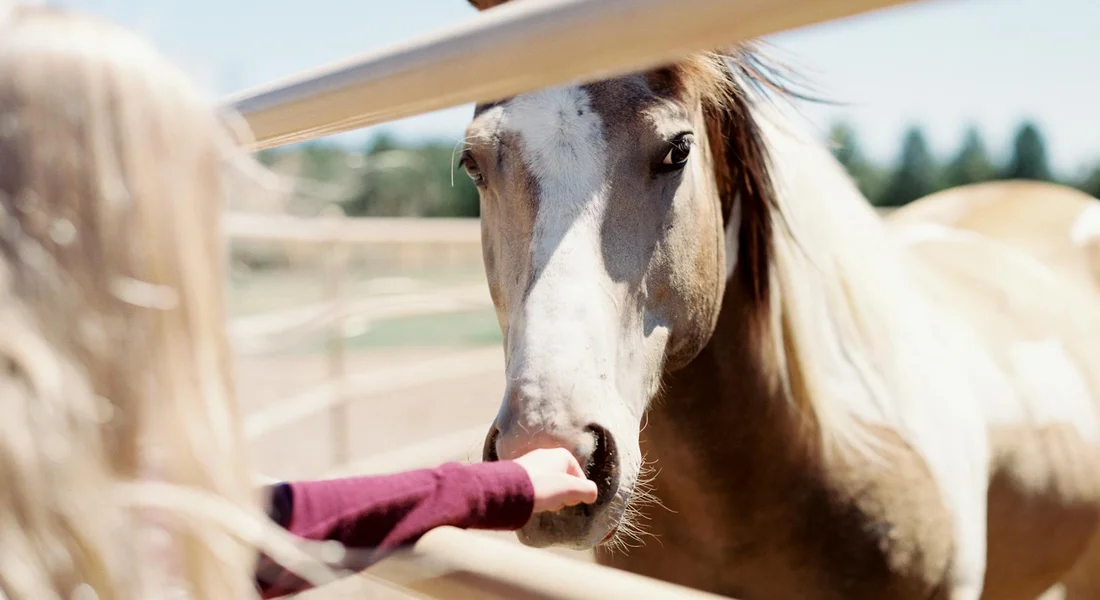
Changing your horse’s feed too quickly is like going from a salad diet to eating only chili-their system will revolt. I learned this the hard way with Luna, whose sensitive gut made its displeasure known loudly. A slow transition over 10-14 days is non-negotiable for preventing colic and founder.
- Start by mixing a small amount of new feed with the old, over 10-14 days. Day one should be about 25% new feed to 75% old. Use a scoop or kitchen scale for accuracy; guessing doesn’t count.
- Gradually increase the new feed ratio while monitoring manure and behavior daily. Look for firm, formed balls. Listen for gut sounds with your ear against their barrel-a quiet belly is a worrying belly.
- Stress the importance of maintaining high hay quality and pasture grazing during the shift to avoid fiber intake drop. The hay net should always be fuller than the grain bucket. Their digestive clock runs on roughage.
- Advise on when to pause or slow the transition if signs of digestive upset appear. If manure gets loose, they go off their feed, or seem lethargic, hold at the current mix for two more days before inching forward again.
Spotting Digestive Health: Signs Your Horse is Thriving
Your horse’s well-being is written in their manure, their coat, and their eyes. I do a daily “digestive dashboard” check on every horse, from Pipin to Rusty. This daily ritual takes five minutes and tells you more than any feed sales rep ever could.
- Provide a checklist of positive signs: consistent manure balls, a shiny coat, steady energy, and quiet gut sounds. You should hear periodic gurgles and squeaks on both sides, a symphony of healthy digestion.
- Contrast with red flags like loose stool, weight loss, or behavioral changes indicating discomfort. Pawing, looking at their flank, or repeatedly lying down and getting up are urgent signs.
- Always trust your daily observations over any feed bag claim-your horse’s behavior is the best report card. A glossy coat comes from within, not from a bag of supplements. If they meet you at the gate with bright eyes and a soft nicker, you’re likely on the right track.
Notice the small things. Is Rusty’s sorrel coat dappling in the sun? Is Luna’s typically anxious demeanor softer after a meal? These subtle cues are the true metrics of a successful feeding program, far beyond just whether they clean up their bucket. A thriving gut means a contented horse, and that’s the ultimate goal for all of us in the barn aisle.
Fueling Performance on a Grain-Free Diet
Can a horse on a grain-free diet still have the pep for a long trail ride or a spirited training session? Absolutely. The key is swapping quick-burning sugars for slow-release fuels like fats and fermentable fibers. I learned this firsthand when transitioning my more energetic mounts. Fats from sources like rice bran or flaxseed oil provide dense calories without the gut-churning sugar rush of traditional grains.
Fermentable fibers, think beet pulp or soy hulls, are the real workhorses here. They break down slowly in the hindgut, producing volatile fatty acids that offer a steady, sustained energy stream perfect for maintaining stamina. This isn’t a burst of frenzy; it’s reliable fuel that keeps a horse feeling even-keeled and ready for work.
Consider the horses in my barn. Rusty, my steady Quarter Horse, maintains his trail-ready condition beautifully on a diet of excellent hay, a fat supplement, and a handful of beet pulp. For a reliable guy like him, grain-free means consistent energy without the risk of fizzy behavior.
My Thoroughbred, Luna, presented a different puzzle. Her sensitive nature and high energy demand careful fueling. For her, I use a balanced grain-free ration fortified with additional fat and a digestive enzyme supplement to ensure she absorbs every possible nutrient from her top-tier hay. The enzymes act like a backup crew, helping her system fully utilize the diet. This approach keeps her focused and fit without the digestive upset grains sometimes caused.
Expert Advice: What Vets Say About Feed and Sensitive Stomachs
When I chat with equine vets about feed, their advice is remarkably consistent. Their first commandment is always “forage first,” meaning high-quality hay or pasture should be the unwavering foundation of every horse’s diet. Any concentrate, grain or grain-free, is just that—a concentration of extra calories and nutrients only added if forage falls short, as discussed in our article about whether horses actually need grain.
Their second universal tip is to make any dietary change agonizingly slow, over 10-14 days. A sudden switch in feed is a prime recipe for colic, as it shocks the delicate microbial ecosystem in the horse’s gut. I mix the new feed in with the old, increasing the ratio bit by bit, watching manure consistency like a hawk. This is a crucial step to avoid feeding mistakes that can increase colic risk.
There is no universal feed bucket. A vet’s final recommendation will hinge entirely on your individual horse: their health history, their actual workload (not what you dream they’ll do), and the proven nutritional quality of your hay. Alfalfa hay can be a good option for some horses, offering extra protein and calories when balanced with the rest of the diet. Feeding recommendations should be tailored to the individual horse and discussed with your vet. A horse with diagnosed ulcers or metabolic syndrome will have a tailored plan, often involving specialized complete feeds that are low in starch and sugar.
Long-term, the goal is microbiome stability. Consistent, forage-based feeding with minimal processed ingredients promotes a diverse and resilient community of gut bacteria, which is your horse’s best defense against digestive turmoil. It’s about building health from the inside out, one slow, steady mouthful at a time.
FAQ: Grain-Free vs. Traditional Feed: What’s Best for Your Pet Horse’s Digestion?
Are there specific health conditions that make grain-free feed a better choice?
Grain-free feed is particularly beneficial for horses with laminitis risk or a history of founder, as it minimizes sugars and starches that can trigger inflammation. It also suits equines with metabolic issues like EMS or insulin resistance by helping regulate blood sugar levels. Additionally, horses with PSSM Type 1 or chronic digestive sensitivities often thrive on grain-free diets that reduce hindgut fermentation stress.
Can a grain-free diet provide enough energy for working or performance horses?
Yes, grain-free diets can deliver sufficient energy through high-fat sources and fermentable fibers like beet pulp, which offer steady, slow-release calories for endurance. These feeds support sustained stamina without the energy spikes associated with traditional grains, making them suitable for consistent work. By focusing on digestible fibers and fats, grain-free options maintain performance while promoting digestive stability and calm behavior.
What do veterinarians typically recommend for horses with sensitive stomachs?
Veterinarians prioritize a forage-first approach, ensuring high-quality hay or pasture forms the bulk of the diet to nurture a healthy gut microbiome. They stress slow feed transitions over 10-14 days to avoid colic and recommend low-starch, high-fiber feeds tailored to individual health needs. For sensitive horses, vets often advise specialized complete feeds or supplements that support digestion without exacerbating conditions like ulcers or metabolic syndrome.
Feeding with Feel
Build every meal on a foundation of quality hay or pasture, adding grain only when your horse’s body condition or energy output truly requires it. Keeping your horse at an ideal weight often comes down to smart forage management and measured portions. In the next steps, we’ll explore how to manage your horse’s weight through diet. The best diet isn’t defined by a label, but by what keeps your individual horse’s gut quiet and his ribs softly covered.
Swap feeds over a week or two, never overnight, to sidestep colic. Your horse’s bright eyes, consistent energy, and well-formed manure piles are the ultimate report card on your choices.
Further Reading & Sources
- Grain-Free Feeds for Horses – The Horse
- Grain Free Diet for Horses – Resilient Equine
- Grain Free Horse Feed: What Does it Actually Mean?
- Grain Free Horse Feed
At Horse and Hay, we are passionate about providing expert guidance on all aspects of horse care, from nutrition to wellness. Our team of equine specialists and veterinarians offer trusted advice on the best foods, supplements, and practices to keep your horse healthy and thriving. Whether you're a seasoned rider or new to equine care, we provide valuable insights into feeding, grooming, and overall well-being to ensure your horse lives its happiest, healthiest life.
Nutrition