
From Ground to Saddle: A 12-Month Training Timeline for a Young Horse
Hello fellow horse lovers. That moment you look at your young horse, full of potential but as green as spring grass, can bring equal parts joy and sheer terror. The worry about creating a behavioral issue, risking a safety scare, or simply wasting precious time with the wrong approach is real and keeps many of us staring at the barn rafters at night.
Take a deep breath of that hay-scented air. What you need is a clear, patient road map. This article lays out a sensible year-long plan, broken into distinct phases that prioritize your horse’s brain and body. We will walk through:
- Establishing unshakable groundwork and trust before any gear comes out of the tack room.
- Introducing the saddle, bridle, and weight in a way that feels like curiosity, not pressure.
- Navigating the first mounted lessons with calmness and clear communication.
- Building lasting fitness and reliability for a true partnership, whether on the trail or in the ring.
This timeline is distilled from my years in the barn aisles, starting sensible souls like Rusty and patiently convincing sensitive types like Luna that the world isn’t so scary.
Your First Step: The Pre-Training Health & Management Check
Assessing Your Youngster’s Foundation
Before you even think about a saddle, you need to take a clear-eyed look at the horse standing in front of you. I learned this the hard way with Luna; her papers said “Thoroughbred, 6 years old,” but her world was loud and fast, requiring a different approach than my steady Rusty. An honest assessment now prevents frustration and missteps later, setting a tone of respect rather than force.
- Pinpoint the exact age, breed, and current handling level. A two-year-old Quarter Horse with basic leading skills is in a different place than a feral four-year-old Mustang.
- Define your primary goals with realism. Is this a future trail buddy like Rusty, a discipline prospect, or a reliable all-around partner? Your aim shapes every training decision.
- Evaluate daily turnout time and herd social dynamics. This is non-negotiable. A young horse stuck in a stall is a recipe for anxiety; they need to be a horse first-grazing, moving, and figuring out herd politics for a sane mind.
The Essential Wellness Checklist
Training stresses the body, so you must build on a foundation of health. Think of this like checking the footing in your arena before you ride-it’s a basic safety step you never skip. Proactive care is the ultimate act of gentle horsemanship, ensuring your partner is physically ready to learn.
- Schedule a full vet visit for core vaccinations, a general health exam, and a tailored deworming schedule based on fecal counts, not just the calendar.
- Book a dental float. Sharp points can cause pain and resistance during bit introduction later; a comfortable mouth starts here.
- Establish a consistent 5-6 week farrier schedule. Balanced hooves are the cornerstone of soundness, and regularity teaches the horse to expect and accept the care.
- Analyze body condition score and craft a nutritional plan. Youngsters in light work often thrive on good-quality forage with a balancer, avoiding grain that fuels excessive exuberance.
Months 1-3: Building Trust and Basic Ground Manners
Month 1: Friendship and Familiarity
This month is about becoming a safe harbor, not a commander. Spend time just being present-sit on a bucket while they eat, let them sniff you, and absorb the rhythm of the barn. Trust is built in the quiet moments, not the dramatic ones, through consistent and predictable interactions.
- Focus on calm presence, gentle grooming, and positive reinforcement. Use a soft brush, speak softly, and reward curious sniffs with a bit of carrot. The smell of clean hay and your steady voice become positive anchors.
- Introduce the halter, teach yielding to pressure, and practice leading in a small, safe pen. Use steady, direct pressure and immediate release the moment they give, even a single step. This is your first conversation about pressure and release.
Months 2 & 3: Expanding the Groundwork Toolkit
Now we layer skills, always keeping sessions short and positive. Remember Pipin, our Shetland? His intelligence meant he learned fast but got bored faster, so variety was key. Short, successful lessons build confidence far better than long, grinding sessions that end in frustration.
- Formalize leading with precise stops, smooth turns, and relaxed back-ups. Practice near the gate, at the wash rack, and around mild distractions. The goal is a polite partner, not one you have to drag.
- Begin desensitization with flags, tarps, and plastic bags. Rub them gently on your own body first, then on their neck and shoulder. Let the plastic rustle; the goal is curiosity, not panic.
- Introduce standing quietly tied for short periods with a quick-release knot. Start with 5 minutes while you groom nearby, ensuring they never learn to pull back. The solid thud of hooves standing still is your success sound.
- Master picking up all four feet calmly. Run your hand down the leg, apply light pressure, and use a voice cue. This is for the farrier’s safety and your horse’s comfort, making hoof care a non-event.
Months 4-6: Introducing Equipment and Building Balance
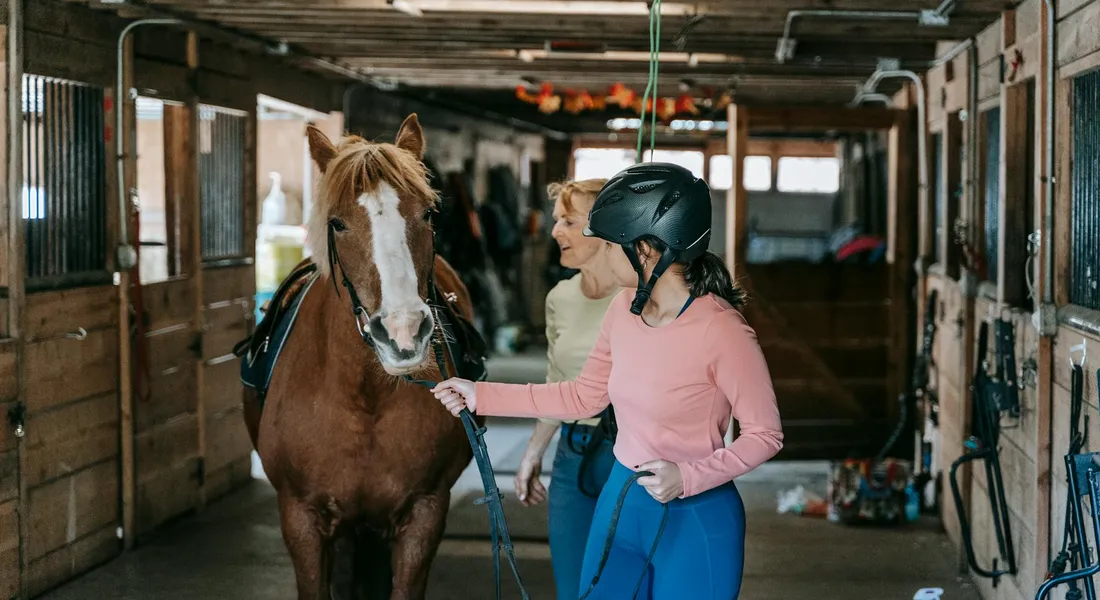
This stage transforms basic handling into purposeful preparation. Your horse is learning to carry themselves with poise and to accept guidance from equipment. Think of this as building the athletic and mental framework that makes carrying a rider possible and safe.
Months 4 & 5: The Bridge to Bridling
Desensitizing the head, neck, and poll is your first order of business. Use a soft fleece mitt or just your hands, rubbing in circles over the ears, under the jaw, and around the poll. I spent weeks doing this with Luna, my Thoroughbred, until the initial head toss turned into a relaxed lowering of her neck.
The goal is to make every touch predictable and boring, which builds immense trust for future vet and farrier work.
Introduce a bitless bridle or a thick, smooth snaffle bit. Let them investigate it with their lips, maybe even rub it on a fence post. The first few times, just let it rest in their mouth for a moment with no reins attached. Pipin, my Shetland, decided his first bit was a weird cookie and needed a lot of patient curiosity from me.
Practice giving to bit pressure from the ground with lateral flexion. Stand at their shoulder, apply a gentle, steady feel on one side of the bit or halter, and release instantly when they yield their nose even an inch. This teaches them that pressure is just a request for movement, not a trap to be feared.
Month 6: The Power of Circles and Lines
- Start lunging in a round pen or large arena to develop rhythm and voice commands. Keep the circle large to protect those young legs. Your voice should be your primary aid; a calm “and trot” should be enough. I watch for a steady rhythm and a relaxed snort-that’s when I know they’re finding their balance.
- Introduce long-lining to teach steering and stopping from behind the horse. This is where you become their shadow. With lines attached to the bit, you can guide turns and slow the hindquarters, teaching them to steer from a light feel. It’s the closest thing to riding without actually being in the saddle.
- Use this work to build topline and cardiovascular fitness before a rider is added. Consistent, low-intensity work encourages muscle development along the back. Pair this with ample daily turnout; movement in the pasture is the best conditioner and mental reset there is.
Months 7-9: The Saddling Process and Preparing for Weight
Now we add the bulk and the feel of the saddle. This is a tactile phase where your horse learns to accept gear and strange new pressures. Rushing through saddling can create a girthy or spooky horse, so let boredom be your benchmark for success.
Months 7 & 8: Saddle Desensitization and Fit
Introduce the saddle pad by letting the horse see and smell it first. Flap it gently against their sides and back. I use an old pad that smells like the barn for this; familiar scents are calming. This calm, predictable handling is part of creating a safe, enriching environment for your horse. It helps build trust and encourages positive learning during handling and training.
Place the saddle gently, without cinching, repeatedly until it’s boring. Set it on, take it off, over and from both sides. The sound of the stirrups clinking should become background noise.
Check saddle fit meticulously before the first cinch. Run your hand under the full length of the panel. You want even pressure, no bridging or pinching points. A pinching tree can cause immediate and lasting behavioral issues like bucking or freezing up. I learned this with a rescue who’d learned to hate saddles because no one checked this first.
Slowly introduce the girth. Do it up just tight enough to hold the saddle, then immediately walk them forward. Tighten one hole at a time over several sessions. If they tense or swish their tail, loosen it and try again later-forcing it teaches them the girth is something to dread.
Month 9: Simulating a Rider
- Apply gentle weight in the stirrup from the ground. Stand on a block, put your foot in the iron, and lean in gradually. Hold for a second, then step down. This gets them used to the saddle shifting and weight on one side.
- Lean over the saddle from a mounting block. Drape your body across the seat, keeping most weight on your own feet. Talk in a low, steady voice. Rusty used to turn his head and nuzzle my boot during this, his way of saying “this is odd, but you’re here, so it’s okay.”
- Desensitize to rider movement by bouncing a soft saddle pad on their back while they’re tacked up. Simulate the bounce of a posting trot or the shift of a rider rebalancing. Keep it light and pair it with a treat for standing calmly.
- Ensure the horse is completely relaxed with all tack and procedures before proceeding. They should be able to stand on a loose line, maybe even doze, with the saddle on and you moving around them. This quiet confidence is the only green light you need.
Months 10-12: The First Rides and Establishing Fundamentals
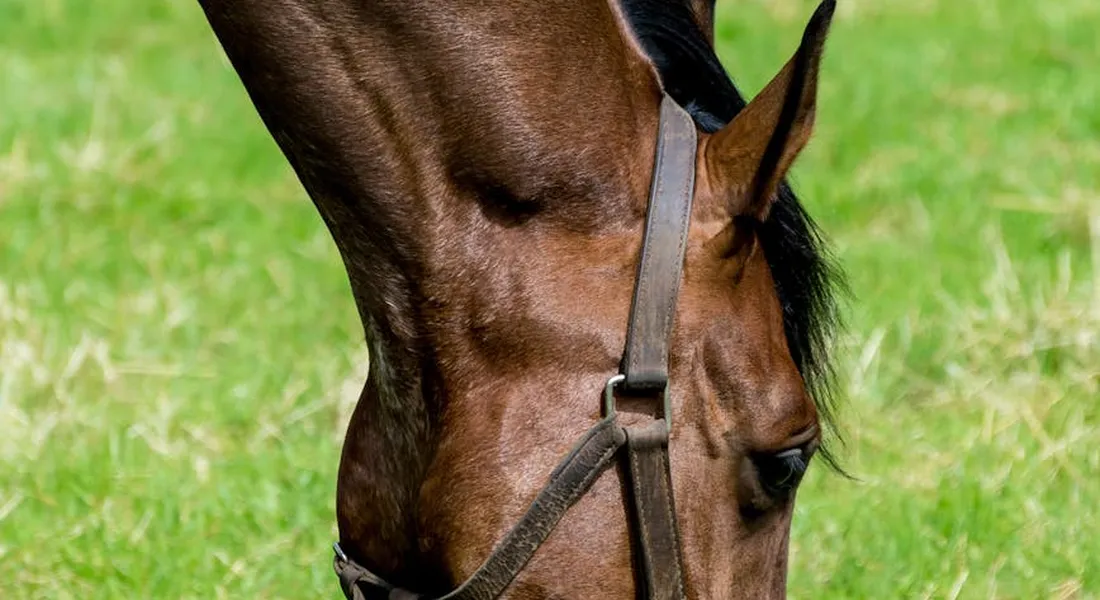
This phase is where all your patient groundwork pays off. You will feel the shift from preparation to partnership, a delicate dance of trust and communication. The smell of warm horsehair and the soft creak of your saddle leather become the soundtrack to these first adventures. Your primary goal here is not to train a polished performer, but to build a calm and willing equine mind that associates riding with positive experiences.
Month 10: Mounting and the First Steps
The first mount is a milestone, not a race. I remember the first time I swung a leg over Luna, my dapple grey Thoroughbred; the air was thick with anticipation, and I moved with the slow, deliberate care of handling crystal. Your horse’s first impression of carrying weight is permanent, so make it a non-event. Always, without exception, have a calm and experienced handler holding your horse for those initial mounts—especially when you’re new to riding.
- Have a calm, experienced handler on the ground.
- Mount quietly, sit still, and reward calmness before asking for movement.
- Keep first rides short (10-15 minutes), focusing on walking and simple turns.
Spend the first several sessions just sitting in the saddle, letting your horse adjust to the balance and feel. Make sure to saddle your horse properly before these sessions. When you do ask for that first walk, use a voice cue they already know from groundwork. The thud of their first steps under saddle should be steady and relaxed, not rushed. End every session on a good note, even if that note is simply standing still and breathing together for a moment.
Month 11: Developing Steering, Halts, and Transitions
Now you start to have conversations. Steering isn’t about pulling on reins; it’s about guiding energy with your seat and legs, with the reins as a gentle backup. Think of it as dancing with a partner-you lead with your body. A true ‘whoa’ comes from the settling of your seat bones and an exhale, long before your fingers ever touch the reins.
- Reinforce whoa from the saddle, using your seat first.
- Practice large circles and gentle bends at the walk and trot.
- Introduce the canter departs on the lunge line first, then under saddle in a controlled space.
When introducing the trot, focus on rhythm over speed. For the canter, I always go back to the lunge line with a young horse like Rusty; letting them find their balance without a rider’s interference builds confidence. Transitions are the grammar of your riding language-clean, clear transitions build strength and attention.
Month 12: Cementing Confidence and Looking Ahead
By now, your horse should be comfortable with the basics. This month is about proving that comfort in slightly new contexts. It might mean walking over a tarp in the arena or following a trusted buddy on a quiet path. Increased ride duration should come naturally from a calm horse, not from a rigid schedule-if they’re mentally done at 20 minutes, listen.
- Increase ride duration and introduce mild trail obstacles or arena patterns.
- Assess the horse’s confidence and fitness for a low-key outing, like a quiet trail ride with buddies.
- Remember, the 12-month mark is a foundation, not a finish line; prioritize relaxation and willingness over technical skill.
I assess a horse’s readiness for a trail ride by their curiosity, not just their obedience. Pipin, my Shetland, taught me that a confident horse will sniff a new log rather than spook at it. Every ride should end with the horse feeling better than when it started, which is why ample turnout after work is non-negotiable for their mental digestion. These ideas tie into the broader good horse, tired horse discussion and the debunking of the 5 exercise turnout myths. I’ll unpack those myths in the next section.
Rider Readiness and Common Training Pitfalls
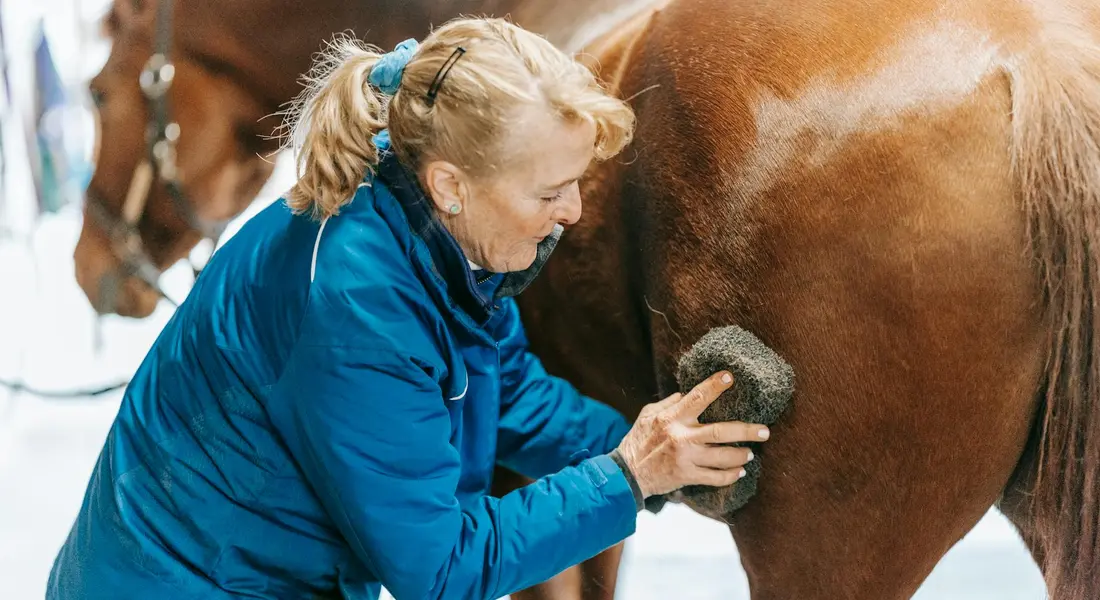
Training a young horse holds a mirror to your own skills and emotions. Your stability in the saddle and your patience on the ground are the bedrock of their education. The quiet moments of grooming, the smell of fresh hay after a ride, these are as formative as the ridden work. Your ability to stay grounded when things don’t go perfectly is the single greatest tool in your training kit. That steady approach translates into teaching your horse basic ground manners, a crucial first step in their education. Starting with calm, respectful handling on the ground builds trust that carries into riding.
Are You Ready to Be a First Teacher?
Be brutally honest with yourself. Can you maintain a independent seat if your horse shies? Can you keep your breathing steady when your pulse quickens? I’ve seen more progress with a novice horse paired with a calm, imperfect rider than with a tense expert. Securing a mentor isn’t a sign of weakness; it’s your responsibility to your horse to have a seasoned eye guiding you through critical firsts. Think of yourself as a calm, assertive leader for your anxious horse. With that leadership, your steady presence gives your horse a clear signal to respond with confidence rather than fear.
- Assess your own balance, confidence, and ability to stay calm under pressure.
- Secure a qualified mentor or trainer for guidance during critical firsts.
- Your consistency and emotional state directly shape the horse’s learning.
Your horse reads your energy like a book. If you are frustrated, they become defensive. If you are patient and clear, they seek to understand. Consistency isn’t about rigid drills; it’s about predictable, fair reactions that your horse can trust.
Mistakes to Sidestep on Your Timeline
We all make missteps, but some can set your timeline back months. The most common error is moving too fast, skipping the boring but vital steps of desensitization and basic ground manners. Watch your horse’s body language-it never lies. Ignoring the early signs of pain or fear, like a pinned ear or a stiff tail swish, is how small worries become big problems. By staying attuned to these cues, you can spot early signs of illness or injury in your horse and seek care promptly. This proactive awareness helps prevent issues from escalating.
- Rushing through desensitization or skipping groundwork steps.
- Ignoring signs of pain or fear (tail swishing, pinned ears, tension).
- Working for too long, causing mental fatigue and resistance.
- Neglecting consistent turnout, which is the ultimate release valve for a young horse’s brain.
Young horses have the attention span of a goldfish. Short, positive sessions beat long, grindy ones every time. And never, ever underestimate the power of turnout. A horse who spends hours grazing and moving freely is a horse with a supple mind and body, ready to learn when you bring them in. That daily freedom isn’t a reward; it’s a core requirement for their welfare and your training success.
Frequently Asked Questions: From Ground to Saddle Training Timeline
What should I consider about my horse’s age and training level before starting?
This timeline is designed for a young horse, typically between 2 to 4 years old, with minimal prior training under saddle. It assumes the horse has basic handling skills like leading and haltering, but is still a beginner in structured work. An accurate assessment here ensures the training progresses safely and effectively from the ground up, especially when starting to ride a horse for the first time.
How do I define primary goals for my horse during this 12-month plan?
Your goals should be realistic and specific, such as developing a trail horse, a discipline prospect, or a versatile all-around partner. Clearly outlining these aims helps tailor each training phase, from groundwork to first rides, to build towards that outcome. Remember, the focus is on fostering a calm and willing partnership, not immediate competition readiness.
When is the best time to start this 12-month training timeline?
The starting date is flexible and should be set once your horse has completed a thorough pre-training health and management check. Begin when the horse is healthy, has consistent care routines in place, and shows readiness through calm ground manners. Consistency from this chosen date is vital for following the monthly phases without rushing.
The Real Reward of Patience
This timeline offers a proven structure, but its true value lies in the daily rhythm of short, positive sessions that build your horse’s body and mind. The single most important factor is adapting the schedule to your individual horse, even if that means repeating a groundwork lesson for a month until it feels easy.
I’ve seen too many young horses labeled “difficult” when they were simply rushed. Your greatest success will come from viewing each training day as a conversation, where your horse’s calm breath and relaxed posture are the only green lights you need.
Further Reading & Sources
- Young Horse Development | Downunder Horsemanship
- Training a young horse: when to start? – TRTmethod
- How Many Days Are Enough? – Horse and Rider
- Needed: Training Plan for Young Horses, Young Trainers
At Horse and Hay, we are passionate about providing expert guidance on all aspects of horse care, from nutrition to wellness. Our team of equine specialists and veterinarians offer trusted advice on the best foods, supplements, and practices to keep your horse healthy and thriving. Whether you're a seasoned rider or new to equine care, we provide valuable insights into feeding, grooming, and overall well-being to ensure your horse lives its happiest, healthiest life.
Exercise