
Equine Supplement Myths: 7 False Promises to Avoid for Your Horse’s Health
Hello fellow equestrians, does the supplement aisle at the feed store leave you confused and concerned, wondering which promises are real and which are just expensive hype? I’ve spent too many evenings worrying over labels, my own wallet thinner and my horse’s health no better for it.
Let’s talk straight from the tack room. I’m going to walk you through seven specific false promises you must sidestep, including:
- The “magic bullet” for joints that ignores turnout and correct movement.
- Calming supplements marketed as a quick fix for anxiety rooted in management.
- Hoof growth miracles that bypass foundational diet and farrier care.
- Instant weight-gain claims that undervalue quality forage.
- Detox and cleanse myths that misunderstand your horse’s natural biology.
- The one-size-fits-all approach that neglects your horse’s individual needs.
- The dangerous notion that a bottle can replace a veterinarian’s diagnosis.
My years of barn management and training horses, from the steady Rusty to the sensitive Luna, have taught me to trust hay and hoofbeats over marketing copy.
The Seduction of the Quick Fix: Why Supplement Myths Thrive in the Barn
I once watched a well-meaning rider empty a packet of “miracle” hoof supplement into old Rusty’s feed. He was convinced it would harden those soles in days. Two weeks later, after a spring rain, Rusty still tip-toed around every puddle like it was lava. That shiny powder was just a costly placebo, teaching me that real solutions are rarely found in a bag.
We operate on emotion in the barn: guilt for stalled time, hope for a breakthrough, fear of lameness. These feelings make us grab for promises that sound too good to be true. Buying a supplement can feel like taking action, but it often just puts a bandage on a broken leg.
Let’s name the seven core false promises so you can spot them from a stall away:
- A single supplement can replace consistent, skilled farriery.
- Joint powders guarantee soundness without controlled exercise and turnout.
- “Calming” formulas work like a light switch for every anxious horse.
- Weight-gain products are safer than optimizing forage quality and quantity.
- Antioxidant cocktails will halt all signs of aging.
- Coat supplements create show-ring shine without a foundation of good fats from pasture.
- The word “natural” on a label means it’s both safe and effective.
I’ve seen more transformation from an extra hour of turnout than from any tub in the tack room. Your horse’s health is built on movement and forage, not on the seductive hope of a quick fix. It’s not just about exercise, but especially the right kind.
Reading Between the Lines: How to Spot a False Promise on the Label
Magic Words That Should Raise Your Eyebrows
Terms like “proprietary blend” are a red flag-they hide how little of the key ingredient you’re actually getting. “Clinically proven” might mean one study on three ponies. Unlike drugs, the equine supplement industry has little oversight, allowing marketing to fill the space where science should be.
Protect your horse with this step-by-step label audit before you buy:
- Ignore the front panel hype and turn the tub to read the ingredient panel first.
- Demand specific amounts listed in milligrams, not vague blends.
- Search for the manufacturer’s contact info and ask who formulates their products.
- Look for a lot number and expiration date; reputable companies track their batches.
- Price compare the cost per day of the active ingredient, not the brand name.
After Luna reacted poorly to a “proprietary” digestive aid, I became a label hawk. A clear, honest label is the bare minimum you should accept for your horse.
The Science on Popular Ingredients: Glucosamine, MSM, and More
Glucosamine and chondroitin might support joint fluid in some horses, but they are not a cure for arthritis. MSM has anti-inflammatory properties, but it won’t mask pain from a poorly fitted saddle. For joint support, think of supplements as one player on a team where the coach is consistent, gentle movement.
Antioxidants and omega-3s aid cellular health, but the hype sells them as performance turbochargers. The truth is more grounded. These ingredients support the body’s natural processes; they don’t replace foundational fitness built under saddle.
| Ingredient | Market Promise | Practical Reality |
|---|---|---|
| Glucosamine | Rebuilds worn cartilage | May aid maintenance over months, not weeks; efficacy varies |
| MSM | Erases all inflammation | Can reduce swelling; works best with proper hoof balance and diet |
| Omega-3s | Supercharges energy and coat | Supports skin health and a calm mind; not a substitute for quality hay |
Pipin’s glossy coat comes from rolling in good grass and a steady diet, not from a bottle. Real nourishment has a quiet, reliable feel to it, unlike the loud promises on a supplement tag.
“All-Natural” is Not a Safety Guarantee
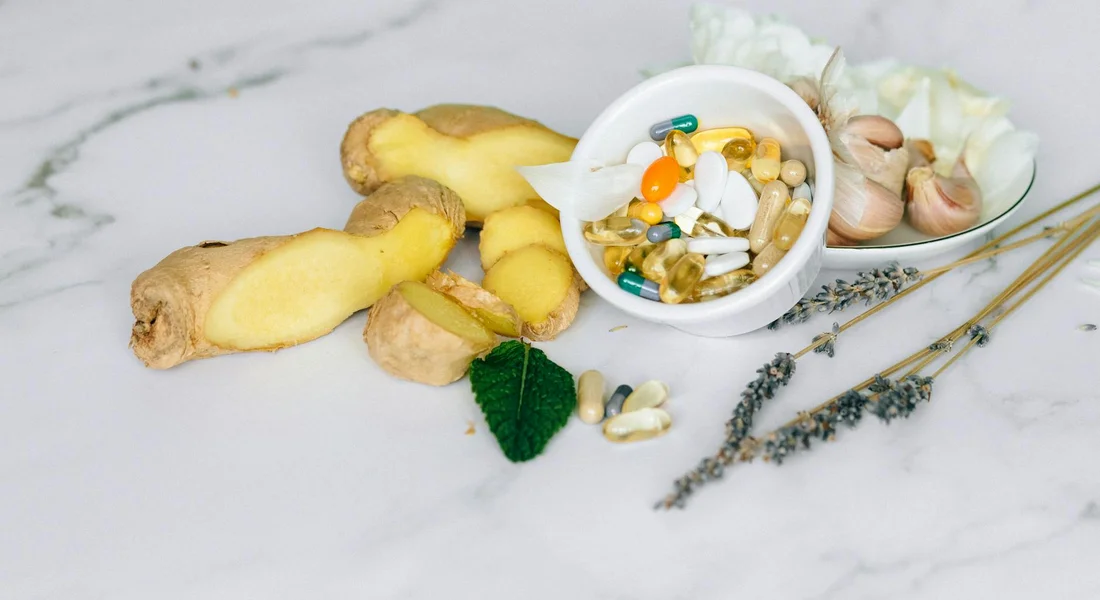
I hear it all the time at the feed store: “It’s all-natural, so it must be safe.” Let me put my coffee down and tell you, that’s a risky assumption for your horse’s gut. Poison ivy is natural, but you wouldn’t rub it on your skin — just like you shouldn’t feed your horse toxic or unsafe foods.
- Valerian root, a common “calming” herb, can cause significant drowsiness and dangerously interact with veterinary sedatives or pain medications.
- Comfrey, often touted for healing, contains pyrrolizidine alkaloids that can cause irreversible liver damage over time.
- Even everyday garlic, when fed in large, chronic amounts, can lead to Heinz body anemia by destroying red blood cells.
The dose makes the poison, and this is just as true for a scoop of herbal blend as it is for a paste dewormer. I learned this the hard way with a boarder’s mare. We tried a popular “natural” calming mix before a clinic, and she became so uncoordinated and spacey we worried she was colicking. It was a frightening lesson in unlabeled potency.
Foundation First: When Your Horse’s Diet is Already Enough
The Forage-First Rule for Rusty, Luna, and Pipin
My three teach this lesson daily. Rusty, our steady eddy, thrives on a simple diet of grass hay and 24/7 turnout. Luna, with her thoroughbred metabolism, gets more calories from a rich alfalfa mix and free movement. Pipin the pony would founder on grain, so his life is all about measured grass hay and mischief. It’s why grain isn’t always necessary for horses.
- A horse on excellent forage probably doesn’t need a general supplement if they have a shiny coat, bright eyes, consistent energy, solid hooves, and normal droppings. If it ain’t broke, don’t fix it.
- Targeted support is for specific gaps. Rusty gets a joint supplement now for his trail miles. Luna receives electrolytes during intense summer training. Pipin gets a plain vitamin mineral block only because our pasture soil is deficient in selenium.
The Hidden Cost of Over-Supplementing
More is not better. Dumping multiple powders into your feed tub can create antagonistic relationships between minerals, like copper and zinc, locking them out from being used. Fat-soluble vitamins (A, D, E, K) accumulate in the liver and can reach toxic levels.
The sound of contented chewing on fresh hay and the sight of your horse grazing under the sun is the most powerful health supplement you can ever provide. Turnout time on good pasture offers balanced nutrition, mental stimulation, and movement that no bottle from a shelf can replicate. I’ve watched horses blossom with nothing but forage and freedom. Natural foraging enrichment can extend those blossoms by turning grazing into a purposeful activity. Healthy grazing tips provide practical ways to implement varied forage and safe enrichment.
Price Tag vs. Proof: Is Expensive Always Better?
I’ve wasted money on sleek containers that promised miracles, only to find the same dusty powder inside as the plain bucket from the feed store. When comparing supplements, the flashiest label often covers the most basic ingredients. Your dollar frequently goes toward aggressive marketing campaigns and eye-catching packaging, not necessarily toward deeper research or higher quality.
Two supplements can have identical active ingredients yet carry wildly different price tags. One might fund glossy magazine ads, while the other invests in pure product. Think of it like fancy baling twine: the neon pink stuff costs more, but it doesn’t bale your hay any tighter. The core function is the same.
To assess real value, ignore the front label and turn the tub around. Calculate the cost per daily serving based on the recommended dose. A $50 jar that lasts a month is a worse deal than a $80 bucket that lasts four. For my old guy Rusty, I choose a simple, well-researched joint aid over the “premium” brand. His soundness didn’t change, but my budget breathed easier.
Magic Bullets Don’t Exist: Supplements for Behavior and Lameness
I once bought a calming supplement for Luna, hoping it would soothe her Thoroughbred nerves during spring storms. It barely took the edge off. No powder can replace the fundamental need for consistent training, proper veterinary diagnosis, and quality farrier work. Supplements are support crew, not superheroes.
They are meant to aid a solid management plan, not create one from scratch. Promises of quick fixes for anxiety, stiffness, or crumbly hooves are red flags. True lameness needs a vet; behavioral issues often stem from pain, boredom, or lack of turnout. Before you pour powder into a feed tub, you must pour effort into understanding the root cause.
Here are the steps I always take first:
- Schedule a veterinary exam to rule out pain or underlying health issues.
- Evaluate the horse’s living situation. Is turnout limited? Are they lonely?
- Assess saddle fit and hoof balance with a professional.
- Increase movement and forage time. More grazing often solves more problems than any bottle.
Pipin the pony taught me this. His cheeky barn-door escapes weren’t solved by a “focus” supplement. The solution was more paddock time and a slow-feed hay net to mimic natural grazing—a lifestyle change, not a chemical one. Pasture vs paddock turnout offers distinct behavioral and welfare benefits. Understanding these differences can guide safer, more natural management.
Your Barn Manager’s Checklist for Choosing a Reputable Supplement

Walking down the supplement aisle can feel louder than a feed room at dinner time. I’ve sorted through countless powders and pellets for Rusty, Luna, and Pipin. This checklist is my barn-tested method to silence the hype and find what truly works.
- Always start with a veterinary conversation for personalized advice.
- Look for brands that use third-party testing and publish batch results.
- Prioritize transparent labeling with clear ingredient amounts.
- Seek out science-backed formulations over celebrity endorsements.
- Consider the company’s reputation and customer service.
Let’s unpack each point. You’ll have a clear, actionable plan by the end.
1. The Non-Negotiable Vet Chat
I once bought a fancy joint supplement for Luna, thinking her stiffness needed a miracle cure. Our vet listened, then watched her move in the paddock. “More turnout,” she said, “not more pills.” A blood test confirmed no deficiency. Your vet’s eyes and tools see what your hope can’t, saving you money and targeting real needs. This conversation is your foundation-skip it, and you’re building on sand.
2. Demand Proof: Third-Party Testing
A label claiming purity means little without proof. Reputable companies pay independent labs to verify their product’s content and safety, publishing batch results online. Think of it like a pre-purchase vet check for the supplement itself. If a brand hides its test results, I hide my wallet-it’s that simple. I look for the NASC seal or similar certifications, a good first filter.
3. Read the Label Like a Feed Tag
Beware of “proprietary blends” that list ingredients but not amounts. For Pipin’s metabolic support, I need to know the exact milligrams of magnesium, not a mysterious mix. Transparent labels list every ingredient and its quantity per serving. Clear labeling shows respect for you as a caregiver and for your horse’s precise biology. If the bag smells like mystery, it probably is one.
4. Science Over Shine
A famous rider’s name on a bag doesn’t make it good for your horse. I prioritize companies that invest in research, cite studies, and employ equine nutritionists. Formulations based on peer-reviewed science outlast any trending endorsement. Your horse’s health isn’t a popularity contest; it’s a physiological process—requiring a balanced diet tailored for performance.
5. Research the Source
Call the company. Ask where they source ingredients. Gauge their customer service-are they knowledgeable or just salesy? Online forums and barn network reviews are gold. I remember a brand with great products but terrible return policy; when Rusty refused a pellet, I was stuck. A company that stands behind its product with responsive service earns long-term trust. Your time is valuable; invest it with businesses that value you back.
Equine Supplement Myths: 7 False Promises to Avoid for Your Horse’s Health – FAQ
How can I tell if a supplement claim is too good to be true?
Be highly skeptical of any claim promising a rapid, miraculous cure for complex issues like lameness or chronic anxiety. Look for vague terms like “proprietary blend” or “clinically proven” without cited studies, as these often mask a lack of transparency and scientific backing. A true supplement supports a foundation of good management, it does not replace it.
Are “all-natural” supplements always safe for horses?
No, “all-natural” is not a safety guarantee, as many plants and herbs can be toxic or interact dangerously with medications. The potency and dosage of herbal ingredients are critical, as even common items like garlic or valerian root can cause significant health issues over time. Always research specific ingredients and consult your vet before introducing any new herbal supplement to your horse’s diet. To support safer choices, consider using the safe toxic plants for horses complete identification guide. It offers practical tips for identifying hazardous species at a glance.
Is a more expensive supplement always more effective?
A higher price tag often reflects marketing costs and packaging, not superior ingredient quality or efficacy. You should compare the cost per daily serving and the exact amount of active ingredients listed on the label between products. A reputable, moderately-priced brand with transparent labeling and third-party testing typically offers better value than an expensive one relying on hype.
Feeding Sense, Not Hype
Start by nailing the fundamentals of forage, water, and turnout before considering any powder or pellet. The most important supplement you can give is a conversation with your vet or a qualified nutritionist to address your horse’s unique needs, not a shopping cart full of miracles.
True horsemanship means watching your horse, not the clock, for signs of well-being. Their shine, stride, and peaceful sigh in the paddock will always be your most honest review. A deeper look is available in the understanding horse behavior psychology complete guide. It explains why these cues arise and how to respond with confidence.
Further Reading & Sources
- Horse Supplements: Your Guide to Equine Supplement Care
- Supplements and Your Horse: Navigating Needs, Myths, and Facts
- Breaking Down the Myths Surrounding Forage Horse Feed | Breaking AC
- Unbridling the Truth: Debunking Myths About Horse Joint Supplements – NEIGHKED
At Horse and Hay, we are passionate about providing expert guidance on all aspects of horse care, from nutrition to wellness. Our team of equine specialists and veterinarians offer trusted advice on the best foods, supplements, and practices to keep your horse healthy and thriving. Whether you're a seasoned rider or new to equine care, we provide valuable insights into feeding, grooming, and overall well-being to ensure your horse lives its happiest, healthiest life.
Nutrition