
Best Horse Breeds for Riding and Trail Use: A Practical Guide to Your Perfect Match
Published on: August 4, 2026 | Last Updated: August 4, 2026
Written By: Henry Wellington
Hello fellow equestrians! Picking a horse for riding and trail adventures can leave you staring at a pasture full of options, worrying about finding a partner that’s both safe on the path and sound in the budget.
Your concern over vet bills from poor conformation or a horse’s nervous energy spoiling a peaceful ride is completely valid. I’ve spent many afternoons reassuring riders facing that exact dilemma.
We will navigate this choice together by focusing on breeds that deliver comfort, reliability, and sensible care. This guide will highlight the key traits that make a breed ideal for trail work, from unflappable temperaments to durable hooves.
You can expect a clear breakdown of:
- Steady-natured breeds that think before they spook, keeping you secure in the saddle.
- Physical builds and gait patterns designed for all-day comfort over rough terrain.
- Low-maintenance constitutions that thrive with ample turnout and good forage.
- How to align a breed’s innate energy with your riding goals for a lasting partnership.
My advice comes from over a decade of barn management and training, where I’ve fitted saddles and designed fitness plans for everything from reliable Quarter Horses to clever ponies.
The Trail Horse Blueprint: Key Traits to Look For
Forget flashy papers for a moment; the best trail partner is defined by attitude. You want a horse that meets the world with a deep breath, not a spook. Look for a temperament that blends calm patience with sensible curiosity-a horse that checks out a flapping tarp rather than bolting from it. My old reliable Rusty, for instance, will side-eye a puddle but trust a gentle nudge forward, while Luna requires a softer approach to keep her brain engaged without tipping into worry.
That steady mind needs a body built to last. Conformation matters less for perfect circles and more for carrying you safely over uneven ground.
- Legs and feet: Look for straight, strong bone with clean joints and tough, well-shaped hooves. They’re your horse’s foundation.
- Back and loin: A short, strong loin coupled with a sloping shoulder allows for comfortable movement and better balance on hills.
- Neck and throatlatch: A cleaner throatlatch and a neck that ties in well allow for easier breathing and flexibility when navigating tight spots.
I’ll take a horse with a “good mind” over a perfect pedigree any day. Pedigree tells you what a horse might be bred for, but temperament tells you how they’ll actually handle the job. I once knew a plain bay gelding of dubious origin who could read a trail like a map, while a fancy imported horse needed constant reassurance. The best ones are thinkers, like Pipin, who uses his cleverness to learn patterns-though sometimes that means undoing stall latches!
Stamina isn’t just about breed; it’s about how a horse uses and recovers its energy. A true trail horse conserves energy with an efficient walk and trot, and shows good recovery – their breathing and pulse should settle quickly after a climb. This natural endurance is built through consistent conditioning and, crucially, ample turnout time to let their muscles and mind relax.
Beyond the Breed: Personalizing Your Choice
The “perfect” breed is meaningless if the horse doesn’t fit you. This match is about honest self-appraisal and realistic goals. Your daily comfort and safety hinge on choosing a partner that mirrors your experience level, not your aspirations. Ultimately, it’s about choosing the right horse for your experience level and lifestyle. A novice paired with a hot-blooded project is a recipe for anxiety, while an advanced rider on a dead-green plodder will bore quickly. In the next steps, you’ll get guidance to help you do exactly that.
Weigh these factors heavily before you fall in love:
- Your size and weight: A horse must comfortably carry you and your gear without straining.
- Your typical terrain: Rocky mountains demand a sure-footed, agile horse, while sandy flats suit a longer-strided mover.
- Your ride length: Hour-long ambles need a different kind of fitness than all-day pack trips.
Age and soundness history are non-negotiable checks. Don’t just take a seller’s word. Ask for documentation, look for old scars or swellings, and watch the horse move on hard and soft ground. A slightly older horse with clean legs and a known history, like a 12-year-old Rusty, often beats a younger one with mystery lameness. Always, always budget for a pre-purchase exam by your own vet-it’s the best money you’ll ever spend.
Remember that upkeep costs tie directly to health. Some breeds are prone to specific issues that require management, so factor in potential for things like metabolic conditions or joint maintenance. Investing in preventive care-quality feed, regular hoof care, and that all-important turnout-is cheaper than treating a problem.
Your Rider Profile: A Quick Self-Check
Grab a notebook and answer these questions honestly. The answers will steer your search.
- How many years have you been riding consistently?
- Do you feel confident handling spooks or unexpected behavior?
- What is your primary goal: leisurely scenery or covering technical miles?
- How often, realistically, can you ride and provide care each week?
This self-audit isn’t about judgment; it’s about finding a horse that lets you grow without fear. I’ve seen riders blossom when matched correctly, and I’ve seen confidence shattered when they weren’t.
Size and Soundness: A Practical View
A good fit means the saddle sits properly and you can effectively communicate with your legs and seat. As a general rule, the horse’s withers should be level with or slightly above your shoulder when you stand beside them. This isn’t just about height-a stout, broad-built horse can carry weight more securely than a tall, narrow one.
Soundness is dynamic. Learn to spot early signs of wear. Watch for short strides, a head bob at the trot, or reluctance to move out freely-these can hint at discomfort. Recognizing subtle signs of equine pain early lets you intervene before issues worsen. This awareness supports prompt care and better comfort for your horse. Feel for heat or swelling in legs after work. Common issues in active trail horses include subtle arthritic changes, tendon stiffness, or hoof soreness, all manageable with prompt attention and a husbandry-first approach. Your horse’s well-being is the foundation of every good ride.
Top Horse Breeds for Riding and Trail Use
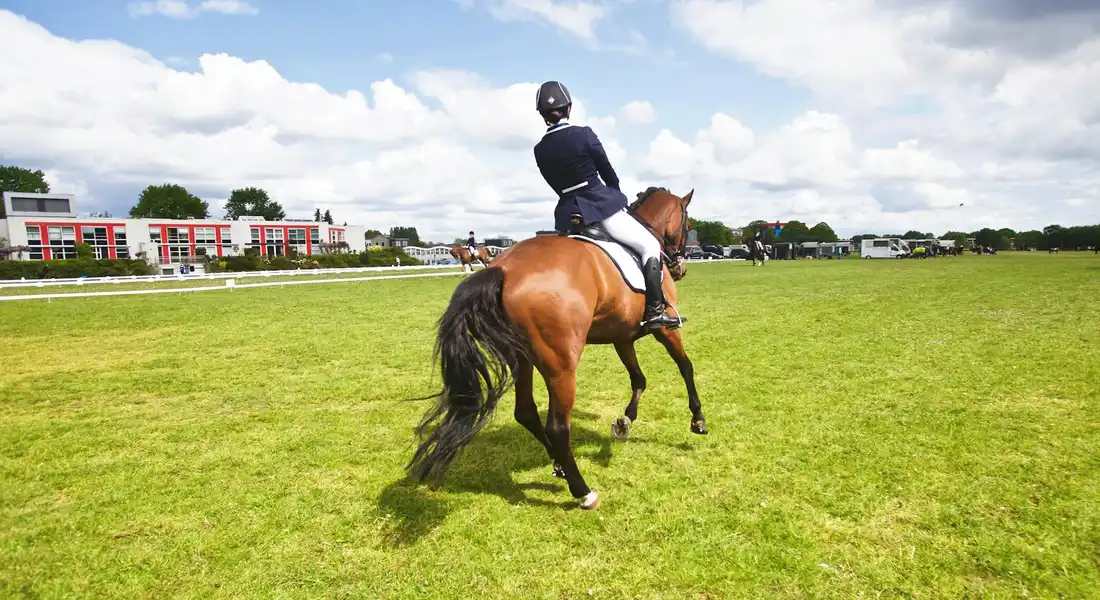
Choosing a trail partner isn’t just about breed stereotypes; it’s about finding a personality and build that matches your riding dreams and daily routine. The best trail horse for you is the one that feels like a friend at the end of a long, dusty path. Let’s look at some standout breeds that have earned their stripes on trails across the country.
- American Quarter Horse: The quintessential steady partner. Their calm temperament, muscular build, and innate “cow sense” make them agile and unflappable. They often require less specialized care but need consistent exercise to avoid weight gain. Ideal for the rider who values reliability over flash.
- Arabian: Bred for endurance, they possess incredible stamina and a loyal bond with their rider. Their high energy and sensitivity demand a thoughtful handler and more focused mental engagement. A perfect match for an attentive rider seeking adventure over long distances.
- Morgan: Compact, strong, and versatile with a willing attitude. They are generally easy keepers with good feet, thriving on routine and positive reinforcement. Suits almost any rider, from beginners to experienced hands looking for a trustworthy all-rounder.
- Appaloosa: Known for hardiness, sure-footedness, and a unique coat. They can be independently minded, requiring a confident and patient rider. Their often-sturdy hooves are a bonus on rocky terrain.
- Tennessee Walking Horse: The hallmark is the smooth, running walk gait that eats up miles without jolting the rider. They are typically gentle-natured but need correct saddle fit to accommodate their unique shoulder movement. The go-to for riders prioritizing comfort in the saddle.
- Mustang: Hardy, intelligent, and incredibly sure-footed due to their feral origins. They require skilled, gentle training to build trust and adapt to domestic life. Best for an experienced rider committed to natural horsemanship principles.
- Icelandic Horse: Small but powerful, offering smooth tölt and flying pace gaits. They are remarkably hardy with strong social needs, often doing best with other Icelandics. Ideal for riders wanting a smooth, energetic ride in a compact package.
- Fjord: Unmistakable for their dun color and dorsal stripe, they are strong, calm, and dependable. Their gentle nature makes them excellent for beginners or therapeutic riding, and they are famously easy keepers.
Other wonderful options include Paint Horses, often sharing the Quarter Horse’s calm demeanor, Missouri Fox Trotters for another gait option, and sensible Thoroughbred crosses who can channel their energy into trail excellence with the right job.
| Breed | Core Temperament | Energy Level | Hoof Durability | Ideal Rider Match |
|---|---|---|---|---|
| American Quarter Horse | Calm, Willing, Steady | Medium | Good | Novice to Intermediate, Leisure Rider |
| Arabian | Sensitive, Energetic, Loyal | High | Variable | Experienced, Attentive, Endurance Rider |
| Morgan | Versatile, Intelligent, Kind | Medium-High | Good | All Levels, Family Horse |
| Appaloosa | Independent, Hardy, Brave | Medium | Very Good | Confident Intermediate Rider |
| Tennessee Walker | Gentle, Willing, Smooth | Medium | Good | Rider Seeking Comfort, Leisure Rider |
| Mustang | Intelligent, Resilient, Cautious | Medium-High | Excellent | Experienced, Patient Trainer |
| Icelandic Horse | Bold, Sociable, Energetic | High | Excellent | Rider Interested in Gaits, Adventure Rider |
| Fjord | Docile, Strong, Reliable | Low-Medium | Excellent | Beginner, Child, Therapeutic Rider |
Steady Eddies: The Unflappable All-Arounders
There’s a profound peace in riding a horse that isn’t looking for drama. For the busy barn manager, a reliable Quarter Horse or Morgan is worth their weight in gold, because they hold the routine together when everything else is chaos. I’ve lost count of the times my old Quarter Horse, Rusty, has stood like a statue for the farrier while a Thoroughbred in the next stall danced a jig.
These breeds typically have a “been there, done that” attitude that mellows with age but is present from the start. They learn quickly, forgive rider mistakes, and are often content with ample turnout and good hay. The key to their care is avoiding boredom; a steady horse still needs mental stimulation through varied trails or light ring work to stay engaged. Their comfort often comes from consistency-the same feed time, the same saddle pad, the same calm voice.
Specialists on the Path: Endurance and Gaited Horses
If your goal is to cover vast distances or ride in cloud-like comfort, look to the specialists. An Arabian’s desire to move and connect can turn a long ride into a flowing partnership, but they require a rider who listens as much as they lead. Their care often involves meticulous attention to hydration and electrolyte balance during heavy work.
Gaited horses, like the Tennessee Walker, offer a game-changing smoothness for riders with back or joint concerns. That famous running walk means you can enjoy all-day riding without the pounding trot, but it demands a saddle that doesn’t pinch the shoulders and a rider who doesn’t fight the natural rhythm. I’ve found that a simple, well-fitted trail saddle often works better than bulky all-purpose models for these unique movers.
Evaluating an Individual Horse: A Hands-On Checklist
Papers are pretty, but the proof is in the pony. Always schedule a visit to see the horse in its home environment, as this reveals more than any show ring performance ever could. Watch how it acts in the stall-is it calm or pacing? Observe at the hitch rail: does it stand quietly or paw anxiously?
Your trial should include exposure to classic trail stressors. Introduce a rustling raincoat, walk past a flapping tarp, or approach a shallow puddle and note the reaction-a good trail horse might look but shouldn’t spin or bolt. That same preparation will also set you up for a safe, calm vet examination. Planning ahead helps keep your horse relaxed for a smooth, thorough check. Finally, a professional veterinary examination is non-negotiable; consider it the ultimate background check for soundness and health.
The Ground Manners Assessment
Manners on the ground predict manners under saddle. Run through this list calmly:
- Does the horse stand quietly while being tied, or does it pull back?
- Will it pick up all four feet easily and hold them up without a struggle?
- Does it lead respectfully without crowding or dragging behind you?
- Will it stand still for mounting, or does it dance away as you put your foot in the stirrup?
A horse that respects your space on the ground is already telling you it understands basic partnership. If it fails these, imagine dealing with that behavior miles from the trailer.
The Trial Ride: Feeling It Out
Mount up and focus on these three feelings. First, test responsiveness: does a light leg yield a prompt walk-on, and does a gentle rein cue bring a soft stop? You want a horse that listens to whispers, not one that waits for shouts.
Second, feel the gait smoothness-is the trot jarring or rhythmic? Third, check willingness to lead or follow another horse if possible. A true trail horse should be able to go first past a scary object without excessive urging and also follow patiently without getting impatient or pushy. The thud of their hooves on the trail should feel steady and confident, not hesitant or frantic.
Caring for Your Trail Horse: Health and Happiness on the Hoof
Your trail horse’s job is to carry you reliably over miles of changing scenery. Their care needs to support that active, varied life. The single best thing you can do for any horse, especially an athlete, is maximize their turnout time; a body that moves freely all day is a body that stays sound and content. I’ve seen stoic Rusty turn stiff after a few days of stall rest, while Luna works out her own nervous energy by roaming her paddock.
Fuel for the Trail: Diet and Digestion
Forage is your foundation. A steady trickle of hay mimics natural grazing and keeps the digestive furnace burning slow and steady. Most trail horses in regular work do not need high-starch grains; their energy should come from digestible fibers and fats. I fuel my own horses with quality grass hay, adding soaked beet pulp or a ration balancer to cover vitamins and minerals without the heat.
- Forage-First: Aim for 1.5-2% of body weight in hay daily, split into multiple nets to encourage movement.
- Calorie Boosters: If hay isn’t enough, add fat sources like rice bran oil (start with ¼ cup) or commercial high-fat feeds.
- Electrolyte Support: For long, sweaty rides, provide a plain salt block daily and add electrolytes to a separate water bucket or a wet mash.
- Joint Maintenance: Consider a glucosamine/MSM supplement as preventive care for those steady, mileage-accumulating joints.
Hoof and Leg Care for Rough Ground
Trail terrain is unforgiving. Your farrier is your partner in prevention. Consistent trimming every 5-7 weeks is non-negotiable to maintain balance and prevent cracks or flares that weaken the hoof wall. Listen for the tell-tale “clink” of a loose shoe on a rock, and check hooves daily for lodged stones.
- Signs of Hoof Stress: Increased digital pulse (a throbbing feeling near the heel), hoof wall cracks, tender footing on gravel, or a shortened stride.
- Shoe vs. Boot: Steel shoes offer durability for constant rocky use. For occasional tough rides, versatile hoof boots provide excellent traction and protection without permanent nails.
- Poultice is Your Friend: After a particularly long or hard ride, a cooling clay poultice applied to legs and feet can draw out heat and soothe tissues.
Don’t forget the saddle. A trail horse often carries weight for hours. Invest in a professional saddle fit check at least twice a year, as a horse’s shape changes with fitness and season. Look for sweat patterns post-ride: dry spots can mean painful pressure points. A slightly wider tree and generous gullet channel often suit a well-muscled trail horse best.
Gentle horsemanship cements your partnership. End each ride on a good note, even if it’s just five minutes of quiet walking. Your patience after a spook is more valuable than your strength during one. I spend as much time doing groundwork with Pipin in the arena as I do riding the others, building a language of soft cues and mutual respect that translates directly to the trail.
Finding Your Trail Companion: Where to Look and What to Ask
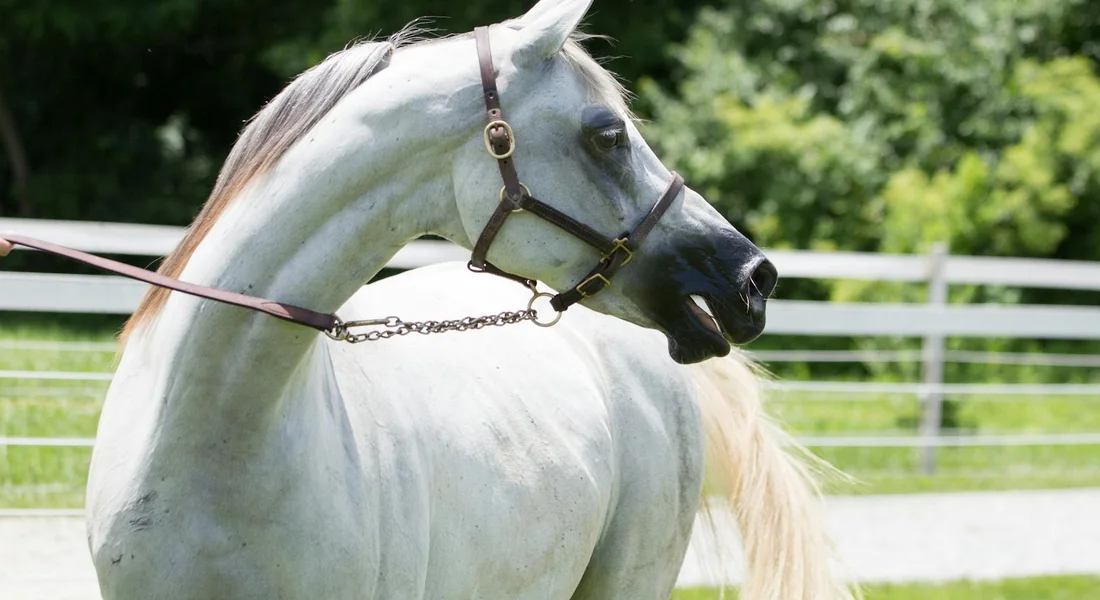
Searching for your trail partner is a journey of its own. Each source has its own landscape. Reputable breeders offer predictability in breeding and early handling, but often at a premium price and with a younger, greener horse. Private sales from an owner can reveal a seasoned gem, but require extra due diligence. My personal bias leans towards the quiet network of local trainers and barn managers-they often know of the solid, unadvertised horses needing a new home.
When searching online, use broad terms like “experienced trail horse for sale” and filter carefully. Be immediately wary of prices that seem too good to be true or sellers avoiding specific questions. Plan for at least two visits: one to see the horse in its normal routine, and a second to handle and ride it yourself. Never go alone; bring your trainer or a brutally honest horse-savvy friend who can spot what your heart might overlook.
Questions for the Seller: Beyond the Price Tag
This conversation is your most important tool. Ask these questions and watch the seller’s body language as much as you listen to the answers.
- “Walk me through a typical day for this horse. How much turnout do they get?”
- “What does he do when he’s nervous? Does he freeze, spin, or bolt?”
- “Can you show me his health records, including Coggins, vaccination history, and dental notes?”
- “What is the single biggest challenge you’ve faced with him on the trail?”
- “How does he handle crossing water, being alone on the trail, and encountering bikes or dogs?”
- “Why are you selling him, and has he ever had a history of colic, lameness, or tying-up?”
The Adoption Option: Considering a Rescue
Rescue horses can make phenomenal trail partners. Organizations often have a deep understanding of a horse’s personality after months of care. Adopting means you are giving a horse a second chance, but you must go in with clear eyes and a support system. The evaluation process is key; many rescues offer trial periods or foster-to-adopt programs. Building trust takes time with a newly rescued horse, and consistent routines and gentle handling help them settle. When trust is established, the trail becomes a partner you can rely on.
Be prepared for potential retraining. A rescue horse may need to rebuild trust in humans or learn that trail riding is fun, not stressful. For a fearful or previously abused or traumatized horse, rebuilding trust is a sensitive, gradual process that rewards steady, calm handling. This trauma-informed approach helps you honor the horse’s pace and set the stage for a lasting partnership. The reward is a profound bond built on patience, but you need the skills and time to be that steady, reassuring leader. Ask the rescue about the horse’s known history, current training level, and any behavioral triggers they’ve identified during their care.
FAQ: Best Horse Breeds for Riding and Trail Use
Where can I find trail riding horses near me?
Begin by searching for local stables, equestrian centers, or riding clubs that offer trail rides or lease opportunities. Online resources like regional Facebook equine groups or directories such as the Equine Network can list nearby options. Always schedule a visit to observe the horse’s environment and behavior, as outlined in the article’s evaluation checklist.
Is it appropriate to use spurs on a trail horse?
Spurs are a refined tool best suited for skilled riders to give subtle cues, not to correct behavioral issues or encourage speed. On trails, where unpredictability requires a calm partner, improper spur use can increase stress and lead to safety risks. Focus instead on developing clear communication through groundwork and seat aids, aligning with the article’s emphasis on gentle horsemanship.
How do I find trail riding horses for sale near me?
Use online sale platforms with geographic filters, and specify keywords like “bombproof trail horse” to find local listings. Leverage local equestrian networks, such as trainers or feed stores, who often hear about reliable horses before they are publicly advertised. Prioritize a thorough in-person evaluation and veterinary prepurchase exam, as detailed in the article’s section on finding your companion.
Your Perfect Trail Partner Awaits
The right breed for you matches both your riding ambitions and your daily care routine. Choosing a horse with a calm mind and a sound build will always matter more on the trail than any pedigree or flashy color. Understanding a horse’s temperament and how it fits your riding style can refine this choice. A temperament guide helps you match personality to your riding goals.
Take your time building a relationship with your horse, and always put safety first for both of you. A happy trail horse is one whose needs are heard, from ample turnout to a comfortable saddle fit.
Further Reading & Sources
- 10 Best Horse Breeds for Beginners & First-Time Riders
- List of horse breeds – Wikipedia
- Saddle Up: A Guide to Different Types of Riding Horses – My New Horse
- 20 of the Best Horse Breeds for Competitive Riders (by Discipline) – Farm House Tack
At Horse and Hay, we are passionate about providing expert guidance on all aspects of horse care, from nutrition to wellness. Our team of equine specialists and veterinarians offer trusted advice on the best foods, supplements, and practices to keep your horse healthy and thriving. Whether you're a seasoned rider or new to equine care, we provide valuable insights into feeding, grooming, and overall well-being to ensure your horse lives its happiest, healthiest life.
Choosing the Right Breed