
Are Male Horses Faster Than Female Horses? Separating Barn Myth from Biology
Hello fellow equestrians. You’re sizing up prospects for the track or pondering your gelding’s pace against a barnmate’s mare, and that age-old question about gender and speed is buzzing in your mind.
It’s a practical curiosity-whether you’re planning for competition or simply understanding your partner better, guessing based on sex alone can lead you astray.
We’ll tackle this straight on by examining the real role of sex hormones in muscle and bone structure, how training and discipline drastically shape performance, and the critical factor of individual heart and personality that no gender label can predict.
My years of barn management and training, from handling eager young colts to partnering with sensitive mares, have shown me that the answer is rarely in the pedigree alone.
Unpacking the Speed Myth: Stallion vs Mare Physiology
Sexual Dimorphism in Equine Bodies
In the quiet of the barn, you can see the blueprint of speed in every horse’s frame. Stallions and mares are built from the same basic plan, but nature tweaks the details. Observing my own herd, from sturdy Rusty to sleek Luna, has taught me that raw power and elegant efficiency can come in both packages. The key differences lie in muscle attachment, bone density, and overall proportion, not just brute strength. Does a horse’s anatomy influence how fast it can move? The arrangement of muscles, tendons, and limb length often dictates stride, reach, and acceleration.
Here’s a quick comparison of typical traits that influence speed and stamina:
- Stallions: Often carry more pronounced crests and thicker neck muscling, which can aid in balance and pulling power. Their bone density tends to be slightly greater, supporting a heavier frame, and they generally have a broader chest for lung capacity.
- Mares: Frequently exhibit a more streamlined build with a refined neck and withers. Their muscle composition can be just as powerful but is often distributed for agility. A mare’s slightly narrower build can mean less wind resistance and impressive endurance.
I’ve watched Luna, my Thoroughbred mare, coil and spring over a fence with a grace that defies her nervous energy. Ultimately, a well-conditioned mare can absolutely match or surpass a stallion in speed, because cardiovascular fitness and mind matter more than a few extra pounds of muscle.
The Biomechanics of Stride
Think of a horse’s stride not as a single motion, but as a carefully tuned engine. Speed is the product of stride length-how far they reach-and stride frequency-how quickly they cycle their legs. A longer stride covers more ground per effort, while a faster turnover can compensate for a shorter reach. A horse’s average running speed over a distance is determined by this balance of stride length and frequency. This average speed is a standard measure for comparing breeds, training, and performance.
It’s like comparing a powerful diesel truck to a nimble sports car; both can get up to speed in different ways. A stout Quarter Horse stallion might drive forward with immense hindquarter power for a long stride. A leaner mare might achieve similar velocity through rapid, efficient leg cycling. The thud of hooves on the track tells a story of physics, not just gender. A horse’s conformation, from the angle of their shoulder to the length of their pasterns, dictates their mechanical advantage far more than their sex does. This challenges many popular assumptions about stallions and their supposed inherent superiority.
What Racing Records Reveal About Gender and Speed
Performance Statistics Across Disciplines
The stopwatch doesn’t lie, but it also doesn’t show bias. When you look at the numbers across major racing sports, the idea of male dominance shatters. Geldings often top the population counts in many races, which already complicates the simple stallion-versus-mare debate. Winning comes down to the individual athlete, their training, and their heart.
Here’s a snapshot of how both genders have performed at the highest levels:
| Discipline | Stallion Highlights | Mare Highlights |
|---|---|---|
| Thoroughbred Flat Racing | Hold many historic time records (e.g., Secretariat). Dominate in sire rankings for breeding potential. | Have won all three Triple Crown races. Consistently capture about 18-22% of Grade 1 stakes wins annually. |
| Quarter Horse Sprinting | Frequently seen in top placements for 440-yard sprints due to explosive muscle mass. | Regularly set world records at distances like 870 yards, showcasing blinding acceleration and grit. |
| Standardbred Harness Racing | Commonly race in open divisions against geldings and mares, with many premier sires. | Routinely compete and win in open events against males, proving exceptional stamina and consistency. |
This table isn’t about declaring a winner, but about showing that the track is a level playing field for talent.
Legendary Mares in Racing History
To believe males are inherently faster, you’d have to ignore the queens of the sport. These mares didn’t just compete; they dominated and rewired the expectations of an industry. Their stories are a testament to the fact that speed is a quality of the soul, not the saddle.
Consider these powerhouse females:
- Winx (Australian Thoroughbred): Won 33 consecutive races, including 25 Group 1 events, in a display of sustained brilliance that may never be matched.
- Zenyatta (American Thoroughbred): Won 19 of her 20 starts, famous for her breathtaking come-from-behind style against the best colts and stallions.
- Rachel Alexandra (American Thoroughbred): Defeated males to win the Preakness Stakes and was named Horse of the Year, breaking records with her fearless front-running.
Watching replays of these mares, I’m always struck by their palpable will to win. They moved with a combination of power and poetry that settles the argument every time.
The Hormone Factor: Testosterone, Estrogen, and Performance

Testosterone Effect: Muscle and Aggression
Testosterone builds lean muscle mass and fuels a competitive drive, much like a high-octane fuel for short bursts of power. Sports science studies on equine athletes link higher testosterone to increased fast-twitch muscle fibers, which are crucial for explosive starts in racing or reining. This hormonal edge can mean quicker acceleration, but it often packages with a hotter, more reactive temperament that demands experienced hands. I’ve felt this stark contrast in my barn between a placid gelding and a spirited stallion; the latter’s muscle comes with a mindset that can turn training into a negotiation.
This hormone amplifies aggression and dominance, traits that can be harnessed for lead-seeking in competitions but risk causing burnout or injury without careful management. Channeling that raw drive requires a training approach that balances firmness with fairness, turning potential volatility into focused speed. It’s why many performance geldings, with lower testosterone, excel through trainability rather than sheer force.
Estrogen Effect: Recovery and Consistency
Estrogen operates like a behind-the-scenes repair crew, promoting collagen synthesis and reducing inflammation to aid recovery from hard workouts. This can enhance injury resilience, allowing mares to maintain training consistency over long seasons. Think of estrogen as providing a more durable foundation, helping tendons and ligaments bounce back faster after stress. In endurance disciplines, where fatigue resistance wins, this hormonal support is a quiet advantage.
From my time with mares like Luna, I’ve seen how estrogen influences not just physiology but demeanor, fostering a steadier mood that avoids the peaks and valleys of some intact males. This metabolic and emotional consistency means a mare might not be the fastest in a single sprint, but she can deliver reliable, repeatable performances when managed well. It’s the difference between a flashy one-time run and a season of solid times.
Training, Care, and Other Great Equalizers
How Management Outweighs Gender
Gender is a small piece of the speed puzzle; daily care and training are the giants. Here are the core factors that truly determine how fast your horse can be: Speed isn’t the whole story—it’s about speed-distance capacity, or how long that pace can be sustained. This balance shapes how far your horse can travel at speed over a ride.
- Training Impact: A tailored program builds specific muscles and skills. My Quarter Horse, Rusty, gained trail stamina not from being male, but from gradual hill repeats and interval work.
- Age Influence: Peak performance varies with age, not sex. A wise 12-year-old like Rusty has enduring strength, while a 6-year-old like Luna has agile youth-gender doesn’t shift this timeline.
- Proper Nutrition: Quality hay, balanced grains, and clean water fuel muscle function. I prioritize forage-based diets; a well-fed horse has the energy to perform, regardless of being a stallion or mare.
- Turnout Time: Daily pasture movement keeps joints loose and minds calm, directly boosting willingness and agility. I advocate for maximum turnout-even our pony Pipin runs faster when he’s had time to play and stretch freely.
Investing in these fundamentals will boost your horse’s speed far more than fixating on hormone differences alone.
The Weight of External Factors
Speed hinges on external details we sometimes overlook. Mastering these can smooth out performance bumps and unlock consistency.
Rider weight and balance affect stride length and effort. A heavy or uneven load slows any horse. As a stable hack, I regularly check saddle fit and encourage riders to assess their own tack weight, ensuring it doesn’t hinder movement. Luna, for instance, moves with more spring under a lighter saddle.
Track conditions like deep mud or hard ground alter grip and confidence. Always scout footing beforehand-I test it with my own boots to feel for slick spots or holes. Adapting your pace to the ground prevents slips and saves energy for where speed matters.
Daily mood swings from weather, flies, or routine changes can dim a horse’s focus. Keeping a consistent schedule and using gentle horsemanship helps. I keep a barn log to track moods and patterns, which lets me adjust workouts before a bad day derails progress. A happy horse is a more willing partner, ready to give you their best run.
Breed and Discipline: Where Context Changes Everything
Sprinting vs. Endurance: A Breed-Based View
This is where the “it depends” answer gets its legs. The breed’s purpose shapes how any physical trait, including potential gender-linked ones, expresses itself.
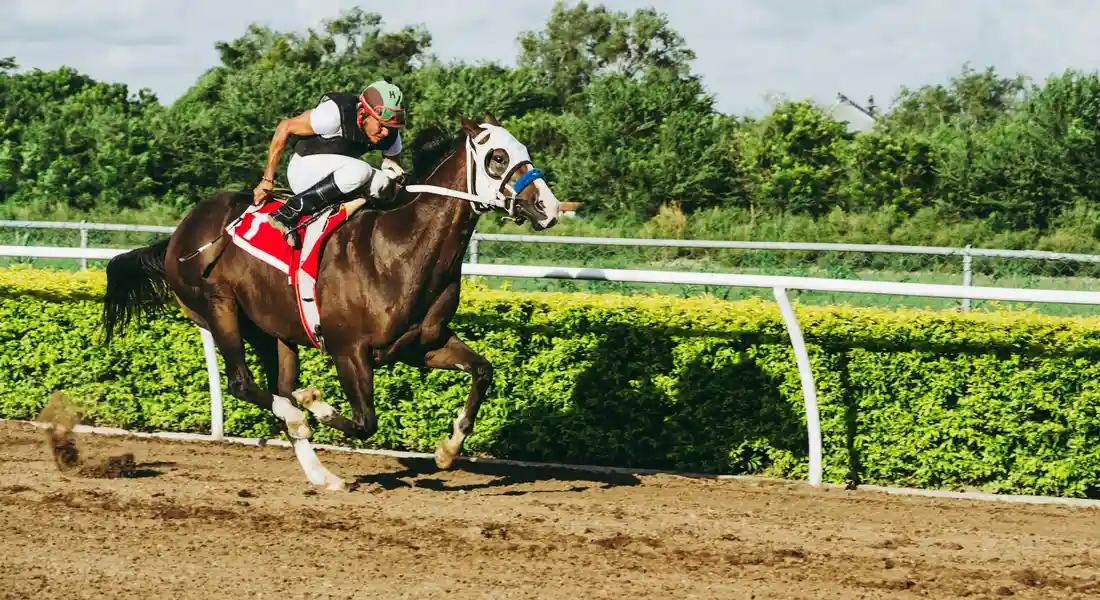
Take the Thoroughbred, bred for sustained speed over distance. Here, the conversation often centers on stamina. Some studies and a mountain of racing data suggest that at the highest levels, over classic distances, fillies and mares can compete fiercely with colts and geldings. The genetic lottery matters more than gender; a well-bred filly with a big engine will outrun a mediocre colt every time. This naturally leads to the broader question of genetic considerations in horse breeding. In practice, breeders weigh heritability, mating plans, and line development when selecting stallions and mares. The famed “speed gene” (myostatin variant) doesn’t check for gender before it shows up.
Now, switch gears to the American Quarter Horse, an explosive sprinter. The dynamic can feel different. Over very short distances like a 440-yard race, the raw muscle mass and power of intact males or geldings can provide a tangible advantage out of the gate. For a ten-second burst, pure torque can be a decisive factor, which often leans in favor of males. But again, a supremely athletic mare is fully capable of blowing the doors off the boys.
Your Horse’s Job: Pleasure, Trail, and Sport
For most of us, our horses aren’t lining up at the starting gate. Their job is to be a safe, sound partner on the trail, in the arena, or over a modest fence. Here, the speed debate is almost entirely academic.
My reliable gelding, Rusty, has a steady, ground-covering trot that eats up trail miles. My sensitive mare, Luna, has a floaty, quicker trot that feels faster. Over a five-mile loop, their times are nearly identical. Their inherent tempo and stride length, individual traits shaped by conformation and mind, mattered far more than their sex.
When selecting a partner, prioritize the mind and the build that fits your discipline. A calm, sturdy gelding might be the perfect confidence-builder for a new rider. A clever, agile mare might excel in cutting or reining. Focus on temperament, soundness, and training; let go of any assumption that one gender will inherently be “faster” or “better” for your specific goals. A temperament guide can help map your riding style to a horse’s personality. When you align temperament with your goals, the match feels natural. The right horse is the one you can care for and connect with, not the one you think has a genetic edge.
Straight from the Stable: Practical Takeaways for Owners
Evaluating Your Own Horse
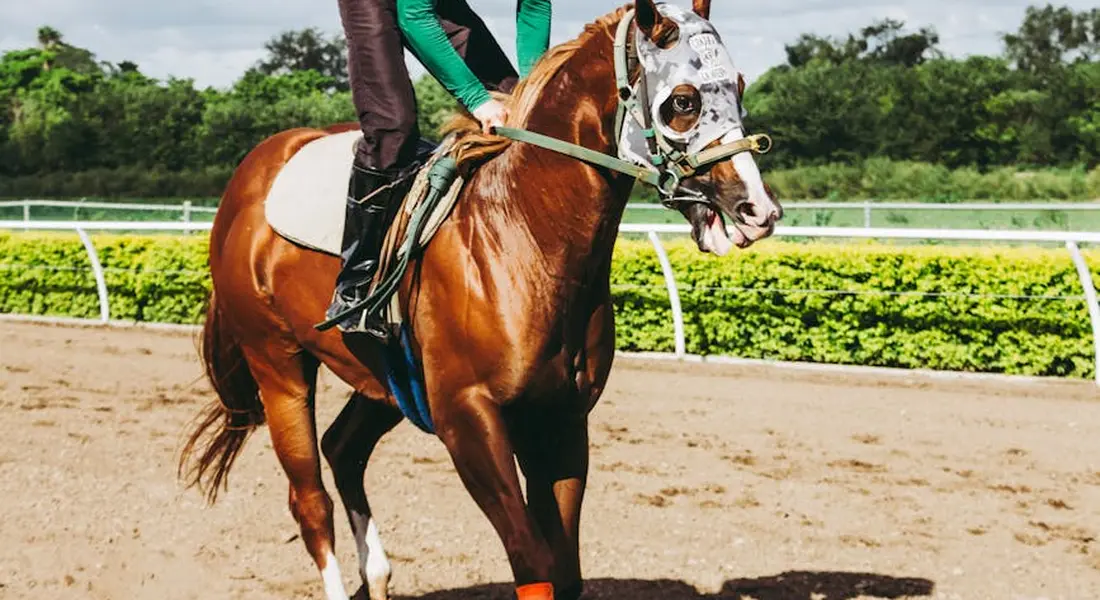
Forget stereotypes. Look at the individual animal in front of you. Here’s a simple way to assess any horse’s natural movement and potential, regardless of gender. It goes beyond just understanding horse behavior and psychology.
- Watch Them Move Freely: Turn them out in a safe space and just observe. Does their trot have a long, sweeping stride or a quick, choppy one? Which comes more naturally: powerful push from the hindquarters or quick front-end agility?
- Check for Symmetry and Muscle: Stand behind them (safely!) as they walk away. Does the hind end move evenly? Look for well-developed, symmetrical muscles over the top-line and hindquarters, signs of an engine that’s being used properly.
- Feel the Rhythm Under Saddle: At a working trot, does the rhythm feel easy to sit or post to? A sustainable, efficient gait will feel rhythmic and “forward” without feeling rushed or tense.
- Consider the Heart Rate Recovery: After a good workout, time how long it takes for their breathing to return to normal. A faster recovery often indicates better cardiovascular fitness, which is the true foundation of speed.
You are looking for efficiency and willingness, not just raw velocity. A horse that moves well within itself, with good balance and recover quickly, will be a performer in any discipline.
Fostering Potential Through Gentle Horsemanship
Raw ability is just potential. It’s our management and training that lets it bloom, and that always starts with welfare. I’ve never seen a stifled, stall-bound horse reach its capacity, no matter its gender.
With Luna, her high-strung Thoroughbred nature meant pushing for “speed” would only create a nervous wreck. Our work focused on calmness and balance. Long, slow trots in the field built her stamina and taught her to breathe. Patience with her sensitivity did more for her performance than any drill ever could. The day she voluntarily offered a relaxed, extended trot was a bigger win than any timed event.
Maximize any horse’s health and performance with these core practices:
- Ample Daily Turnout: Movement is non-negotiable. It builds fitness, prevents stiffness, and allows for natural social behaviors. It’s the foundation of soundness.
- Consistent, Varied Conditioning: Build a base with walking and trotting over hills and uneven ground. This develops the deep stabilizer muscles that pure arena work often misses.
- Listen to Feedback: Is your horse resistant or short-strided on one lead? That’s a musculoskeletal whisper you need to hear, not a disobedience to punish.
- Fuel for the Job: Adjust feed to workload. A pleasure horse on good hay or pasture likely needs little to no grain. Excess energy doesn’t equal speed; it often equals behavioral challenges.
My Shetland, Pipin, is a masterclass in this. His “speed” is reserved for escaping to the feed room. His performance is based entirely on his mental engagement and physical comfort, a principle that scales up to every horse, every time. Care for the whole horse, and you’ll unlock the best version of whatever speed they possess.
Are Male Horses Faster Than Female Horses? Your FAQ
Are male horses faster than female horses in Red Dead Redemption 2 (RDR2)?
In Red Dead Redemption 2, a horse’s speed stat is determined by its breed and individual rating, not its gender. The game’s mechanics for assigning speed values do not use sex as a differentiating factor. When choosing a mount in RDR2, you should focus on the breed’s listed statistics and your bond level, not whether it is a stallion or a mare.
What do discussions on Reddit typically conclude about male vs. female horse speed?
Reddit discussions among horse owners and enthusiasts generally conclude that individual variation outweighs gender for speed in real-world care. Most anecdotes highlight that training, conformation, and temperament are far more significant factors. For readers new to equestrian language, a quick primer on mare, stallion, and gelding terminology can help you follow these comparisons more easily. The consensus is that a well-trained mare can be just as fast, if not faster, than a male horse of similar breeding and condition. This background will also prepare you for understanding the terminology used in subsequent discussions.
Are male horses faster than females in actual horse races?
Racing records show that both genders compete and win at the highest levels, with no definitive rule that males are faster. While stallions may hold more historical records, legendary mares have repeatedly beaten males in major stakes races. Ultimately, the individual athlete’s quality, training, and heart are the true determinants of race-day speed.
Focus on Your Horse’s Fitness
Forget the old tales; your horse’s potential is built by their individual conformation, training, and heart, not their gender. The most critical work happens in daily care-providing balanced nutrition, thoughtful conditioning, and listening to what your horse’s body tells you from the saddle.
Every horse has their own best pace, and your partnership is built on patience and trust. The real victory is in the quiet moments of understanding, not just the stopwatch. That’s how you build a strong bond and trust your horse. It’s in the daily, patient practice that partnership thrives.
Further Reading & Sources
- Male Vs Female Racehorses Speed: Are Males Really Faster?
- How Fast Can a Horse Run? (Top & Average Speed) – Wild Jolie
- Are male horses faster than females? What is the female to male ratio in official horse racing competitions? And what are your personal experiences with horses of different genders? : r/Horses
- Does sex of the jockey influence racehorse physiology and performance | PLOS One
At Horse and Hay, we are passionate about providing expert guidance on all aspects of horse care, from nutrition to wellness. Our team of equine specialists and veterinarians offer trusted advice on the best foods, supplements, and practices to keep your horse healthy and thriving. Whether you're a seasoned rider or new to equine care, we provide valuable insights into feeding, grooming, and overall well-being to ensure your horse lives its happiest, healthiest life.
Competing