
Riding an Older Horse: How to Assess Fitness and Ensure Comfort
Hello from the stable. That quiet doubt as you brush your gray-muzzled partner, worrying if the next ride is one too many, is a feeling I know well. It’s a mix of love, responsibility, and fear over their well-being and your shared safety.
This isn’t just about a number. We’ll tackle the real, barn-floor questions. I’ll show you how to move beyond guesswork with clear, actionable steps.
Here’s what we’ll cover:
- Identifying the true markers of aging that matter more than a birth certificate.
- Performing a simple, at-home wellness check to gauge comfort and soundness.
- Adjusting expectations, tack, and routine to prioritize lifelong partnership over performance.
My decisions are shaped by decades of barn management and training, from easing reliable souls like Rusty onto softer trails to reading the sensitive Luna’s every flicker of tension.
Debunking the Number: Age Isn’t Just a Number
Judging a horse by its birth year is like valuing a car by its odometer alone. A truck with high mileage but flawless service records can outlast a garage-kept sedan with a neglected engine. The label ‘senior horse’ is a starting point for conversation, not a verdict on their riding career. I’ve cared for 22-year-olds who trot out sounder than some 12-year-olds, all thanks to a lifetime of quality feed, consistent hoof care, and ample turnout. Breed and genetics play a role in aging, but daily care dictates longevity. Knowing the average lifespan helps frame how care choices impact longevity. Daily decisions—from nutrition to turnout—shape how long that life lasts.
What “Senior” Really Means for a Horse
We loosely define the senior life stage as starting between 15 and 20 years, but that range is incredibly elastic. People often wonder: when are horses considered seniors, and is ‘old’ defined by a fixed age or by function? The answer isn’t a fixed number—it’s a spectrum shaped by health, condition, and temperament. This stage marks a shift in management, not an automatic end to usefulness. My pony, Pipin, hit 15 last year and still executes his fence-testing escape plans with the vigor of a yearling. Meanwhile, I’ve known larger breeds to show their years a bit sooner. It’s a personal timeline, not a universal switch.
The Myth of a Universal Retirement Age
Forget the idea that every horse hits a wall at 20 or 25. Retirement is a deeply individual decision. You must assess the horse in front of you, not the date on their papers. My Thoroughbred, Luna, with her fine-boned sensitivity, might tell me she’s done with intense work long before my stoic Quarter Horse, Rusty, even considers slowing down. Their personalities and histories write their own rules.
Reading the Signs: Is Your Senior Horse Telling You Something?
Your horse communicates their comfort level every day. Our job is to become fluent in their language of movement and mood. Advocating for their welfare means prioritizing their silent signals over our riding goals. The change from eager partner to reluctant performer often happens in subtle stages, not overnight.
Physical Red Flags and Pain Signs
Watch and listen closely during daily routines. The physical signs are often clear if you know what to look for. A noticeable groan or prolonged effort when rising from a nap is a classic sign of joint stiffness that needs attention.
- Stiffness or hesitation when starting movement after rest.
- A shortened, choppier stride, especially on harder ground or uneven footing.
- Unexplained weight loss or a cresty neck and fat pads, indicating metabolic shifts.
- Changes in hoof quality or growth, often linked to circulatory changes.
- Any new, recurring lameness or a persistent head nod.
Behavioral Shifts and Energy Level Changes
Attitude is a direct window to how a horse feels. A once-willing mount becoming grumpy during grooming or tacking up is sending a message. A decrease in playful energy in the field or a reluctance to move forward under saddle often points to discomfort, not disobedience. Many readers wonder: do horses grieve, express pain, or understand their emotions? Recognizing these possibilities helps me respond with greater empathy. I monitor Rusty closely; if he starts consistently balking at puddles he once marched through, I know it’s time for a veterinary chat, not a training session.
Changes in Rideability and Performance
The ride itself offers the most telling clues. These changes are critical for rider safety. Struggling with simple transitions or losing balance on a gentle circle means the physical demand may now exceed their capability. You might feel them trip more often on flat ground or become anxious about footing they used to handle easily. This isn’t a training issue; it’s a physical limit asking for respect.
The Vet Check and Health Assessment: Your Roadmap
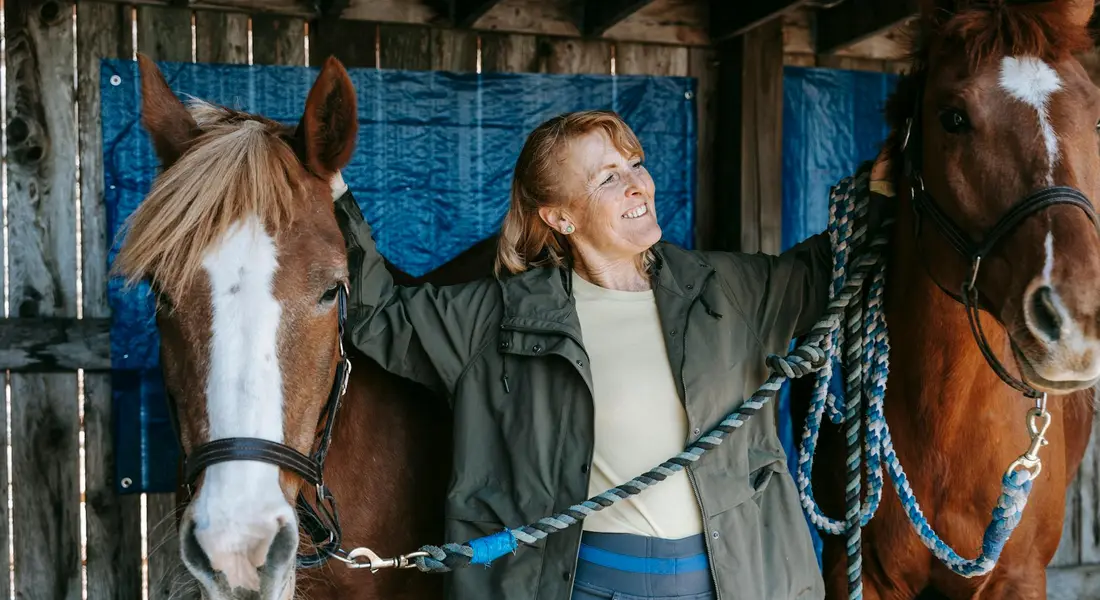
Your veterinarian is your co-pilot on this journey, not just a mechanic you call when something breaks. I plan my senior horses’ vet visits like strategic meetings, where we review the past season and map out the next one over the worn wooden table in the tack room. This collaborative approach turns a simple check-up into a living, breathing health roadmap tailored to your individual horse.
Step-by-Step Senior Horse Soundness Evaluation
This process is methodical. You are gathering data to make a clear-eyed decision. Follow these steps in order to build a complete picture.
- Schedule a comprehensive vet check. This is your baseline. A good exam includes weight tape measurements, hoof tester sensitivity checks, and deliberate flexion tests on all four legs, not just the ones that look sore.
- Assess dental care for chewing ability. Run your hand down your horse’s neck as they eat hay. You should feel a consistent, rhythmic motion. If you feel hesitation or see wads of half-chewed hay (quidding) on the ground, your horse’s teeth need attention. I missed this with Pipin once, and his cheeky food motivation turned into frustration.
- Evaluate hoof care and balance. Look at the wear pattern on your horse’s shoes or trimmed hooves. Are they even? An unbalanced foot stresses joints all the way up the leg. Your farrier and vet should be in communication.
- Monitor for chronic conditions like arthritis. Note any stiffness when they first step out of the stall. Does it improve with a few steps of walking? This “warm-up” stiffness is a key clue. Rusty has a tell-tale short step with his left front that tells me his shoulder is talking to him.
- Check body condition score for weight management. Use your hands. You should easily feel ribs with light pressure, not see them. A cresty neck or fat pads over the tailhead can signal metabolic issues, not just good eating.
Beyond the Basics: Monitoring Chronic Conditions
Managing an older horse means becoming a detective of subtle shifts. I keep a simple barn log: one line per day noting stiffness, appetite, and attitude after turnout. Arthritis doesn’t announce itself with a scream; it whispers through a reluctant turn or a grunt when lying down. Tracking these whispers lets you adjust pain management or workload before a whisper becomes a shout. Regular monitoring means you catch a flare-up from weather changes or too much activity early, when rest and support are most effective.
Common Age-Related Conditions That Ground a Horse
Some health issues are more than inconveniences; they fundamentally change a horse’s ability to carry weight safely. Knowing the specifics of these conditions helps you separate minor stiffness from a true red flag. It’s about listening to what their body is saying, even when they’re trying to be brave. Many common concerns relate directly to anatomy—how joints, tendons, the back, and hooves bear weight. Understanding these links helps you spot red flags earlier.
Arthritis and Joint Health: The Stiffening Reality
Think of arthritis as the joint’s cushion wearing thin, so bone begins to grate on bone with a rough, sandpaper feeling. For a horse, this can feel like a deep, persistent ache in the hinges of their body-the hocks, stifles, and knees. You’ll see it in a shortened stride, difficulty picking up a lead, or resistance to bending. Management with supplements, injections, and tailored exercise is possible, but there is no cure. When the pain outpaces management, and mobility loss means they struggle to rise or balance, riding adds an unsafe burden.
Metabolic, Dental, and Vision Challenges
These issues create a fragile foundation. A horse with Cushing’s disease (PPID) has a malfunctioning thermostat, often leading to a long, curly coat, excessive drinking, and a compromised immune system. This metabolic frailty makes any stress, like a workout, a risk for founder or infection. Tooth loss isn’t just about aging; it’s about starvation. Without the ability to grind forage, a horse can’t maintain weight or gut health. Failing eyesight, often from cataracts, introduces spookiness and disorientation in familiar spaces. A horse that can’t see a trail branch or a sudden movement is a safety risk for itself and its rider, turning a pleasant ride into a potential accident.
Adjusting the Saddle, Not the Dream: Riding Safely
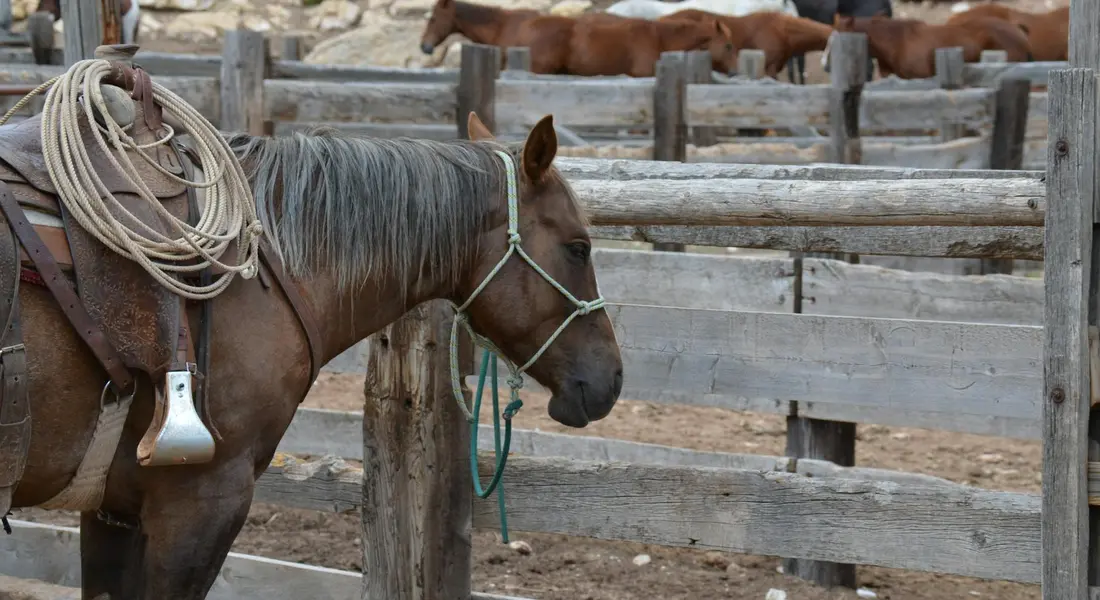
Riding an older horse isn’t about giving up; it’s about tuning in. I’ve spent countless hours with veterans like Rusty, learning that their comfort directly shapes our safe partnership. Your goal shifts from miles covered to moments of mutual understanding, where every adjustment you make is a testament to your bond and trust.
Modifying Tack, Terrain, and Expectations
A horse’s back changes with age, losing muscle tone and sometimes developing a sway. That saddle from five years ago likely needs a check. I’ve used fleece pads or shims with Luna, my sensitive Thoroughbred, to bridge slight gaps and prevent pressure points. An annual fit check by a professional isn’t a luxury-it’s a non-negotiable for preventing soreness and ensuring stability.
Ride time and location need a rethink, too.
- Shorten Rides: Swap hour-long treks for twenty-minute sessions. Quality always trumps quantity.
- Seek Soft Footing: Choose well-maintained dirt trails or sandy arenas over rocky paths or hard pavement. Listen to the thud of hooves; a dull sound on soft ground is music compared to the jarring clip on asphalt.
- Redefine Goals: A successful ride might be a calm walk on a loose rein or mastering a gentle bend. Celebrate the quiet victories.
Rider safety hinges on reading your horse’s energy. If they seem stiff warming up, that’s your cue to keep it light and slow. Mounting from a sturdy block every time saves their back and your stability-a simple hack that makes a world of difference.
Knowing When to Say “Enough”: Rider Safety and Ethics
This is the hardest conversation, the one we have with ourselves in the quiet of the barn. The dream of riding can clash with the reality of our horse’s aging body. Choosing their welfare over our saddle time is the ultimate act of gentle horsemanship, especially if it involves deciding they’re too lame to ride.
Clear signs tell us it’s time to stop. Use this list as your objective guide:
- Consistent stiffness or lameness that doesn’t improve with a proper warm-up.
- Difficulty maintaining balance or tripping frequently on familiar ground.
- Visible anxiety or resistance when being tacked up, which wasn’t there before.
- Heavy breathing or excessive sweating from minimal exertion.
- A hollowed back or pinched expression when the girth is tightened.
Implementing restrictions might come first. Perhaps you only ride at a walk, or you switch to ground work. Full retirement is the next, loving step. I had to make this call with a previous gelding; seeing his relief when the saddle stayed in the tack room confirmed it was the right, if difficult, choice. Your horse’s honest feedback is the only ethic that matters.
Honoring the Golden Years: Retirement Care and Options
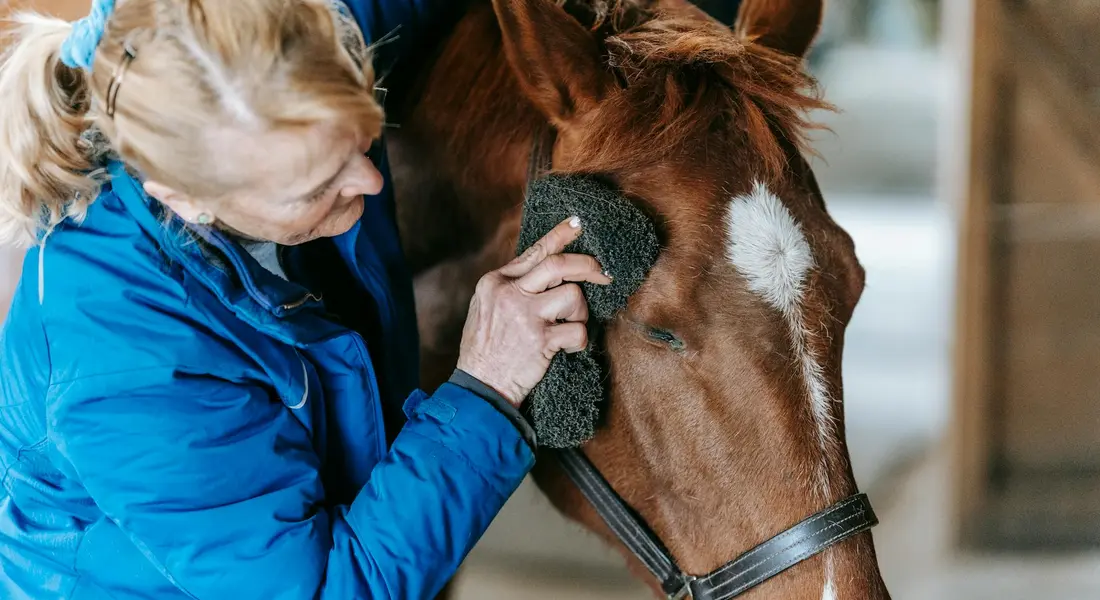
Retirement isn’t an end-it’s a new chapter focused on quality of life. The rhythm changes from ride schedules to the simple pleasure of watching your horse doze in the sun. My priority for any retired horse is maximum turnout time with friends, because a moving, social horse is a healthy horse. In senior horse care, health is a guiding priority. Regular vet checks, dental care, and joint support help maintain comfort and longevity.
Crafting a Supportive Activity and Nutrition Plan
The senior equine metabolism slows, and dental issues can make chewing tough. Routine care becomes your frontline defense.
- Nutrition: Swap for a complete senior feed that’s pelleted and easy to chew. Soaked hay cubes or beet pulp are excellent for hydration and calories. Monitor weight monthly by feeling for ribs, not just by eye; a slight cover is good, but obesity strains old joints.
- Gentle Exercise: Hand-walking for ten minutes daily maintains circulation and mind. Let them sniff and explore; it’s their walk, not yours.
- Hoof & Dental Care: Keep farrier visits regular, even if shoes come off. A twice-yearly dental float is critical to prevent weight loss and quidding.
Keep their minds engaged. I hide a few carrot pieces in a slow-feed net for Pipin to puzzle over. Mental stimulation is just as vital as physical care in preventing decline.
Retirement Living: Pasture Buddies and Peace
The ideal retirement setup is a safe, spacious pasture with calm companions. Horses are herd animals; isolation causes silent stress that manifests in pacing or loss of condition. To truly support well-being, create a safe, enriching environment for your horse with varied turnout, gentle handling, and mental stimulation. If a sanctuary or retirement farm offers larger herd living and specialized care, it can be a wonderful gift of peace for your horse.
Watch for signs that your retired horse isn’t content: standing apart from the herd, losing weight despite good feed, or a dull coat. These are red flags. Every old horse deserves a purpose, even a simple one. My Shetland, Pipin, retired from riding years ago, but his job is to be the barn greeter and keep the young horses in line. The spark in his eye when he’s ‘working’ tells me he’s still fully in the game.
Frequently Asked Questions About When a Horse is Too Old to Ride
Is there a specific age when a horse is too old to ride?
No strict age limit exists, as fitness varies by individual horse based on health, care, and breed. The article highlights that signs like stiffness or behavioral changes are better indicators than years alone. Regular veterinary assessments are crucial to guide riding decisions safely.
What are the rules for horse riding age limits in Texas?
Texas has no statewide age limit for riding horses, leaving it to owner judgment and equine welfare standards. Local venues or trails may impose their own requirements, so always verify before riding. Focus on your horse’s comfort through soundness checks and adjusted routines as discussed in the article.
What is the age limit for horses in racing?
Horse racing age limits differ by breed and jurisdiction, with flat racing often allowing horses from 2 to 10 years old, though some compete longer. Rules are set by bodies like state racing commissions, which may vary for events like those in San Antonio. Unlike recreational riding, racing demands peak fitness, so retirement typically aligns with performance decline.
A Word from the Barn
After guiding horses like Rusty into his teens, I know that a sensible ride often remains possible with shorter sessions and softer footing. Your decision must rest on consistent, honest assessments of your horse’s soundness and spirit, not merely their years.
Prioritize gentle warm-ups and watch for any hesitation in their step. Trust that your horse’s behavior and body language are the most honest gauges of their readiness. By learning to read their ears, posture, and tail, you can tell if your horse is happy and relaxed. This awareness will guide your training and care.
Further Reading & Sources
- Horse Goals or Bust! Part 3: Rider Fitness & Conditioning Plan | Julie Goodnight Academy
- Your Senior Horse and Exercising – Park City Equine – Veterinarian in Park City, UT
- USEA | 33 Strength and Fitness Workouts for Horses
- Conditioning Senior Horses – Jec Ballou Equine Fitness & Performance
At Horse and Hay, we are passionate about providing expert guidance on all aspects of horse care, from nutrition to wellness. Our team of equine specialists and veterinarians offer trusted advice on the best foods, supplements, and practices to keep your horse healthy and thriving. Whether you're a seasoned rider or new to equine care, we provide valuable insights into feeding, grooming, and overall well-being to ensure your horse lives its happiest, healthiest life.
Health