
What is the Biggest Horse Ever Recorded?
Published on: August 21, 2026 | Last Updated: August 21, 2026
Written By: Henry Wellington
Hello fellow equestrians! Staring up at a towering draft horse can spark equal parts awe and a very practical question: just how big can they actually get? Whether you’re planning facilities, sizing tack, or simply satisfying a curiosity fed by the thud of massive hooves, knowing the extremes of equine size matters for safe and informed horsemanship.
We will walk through the full story behind the record books, including:
- The name, breed, and astonishing measurements of the largest documented horse.
- How this record-setting size compares to the draft and riding horses we see today.
- The real-world implications for feed, hoof care, and overall well-being in giant equines.
My years in the barn as a manager and trainer have given me hands-on experience with the unique needs of every horse, from the smallest pony to the most substantial draft.
How Horse Height is Measured and Why It Matters
The Language of Hands and Inches
Forget feet and meters at the barn door. In the horse world, we speak in hands. One hand equals four inches, measured from the ground straight up to the highest point of the withers. You’ll hear a horse described as “15.2” or “16.3”-that’s 15 hands plus 2 inches, or 16 hands plus 3 inches. I keep a simple wooden stick with a level arm in my tack room, but in a pinch, a soft measuring tape and a helper work just fine. Getting an accurate measurement requires the horse to be standing square on level ground, a task that can feel like herding cats with a clever pony like Pipin, who always seems to find a dip in the floor.
The process itself is a lesson in patience and observation. You’re looking for that solid, balanced stance. With my sensitive Thoroughbred Luna, I wait for a calm moment when she’s not distracted by birds in the rafters. The soft cluck of my tongue and a steady hand on her shoulder usually do the trick. It’s a quiet, connected moment between horse and human.
- One hand is a fixed 4 inches, a standard that hasn’t changed for centuries.
- Always measure to the withers, the bony ridge between the shoulder blades. This is the horse’s stable highest point.
- Use a proper measuring stick or a taut tape. A crooked stick or a sagging tape can add imaginary inches.
- Record the measurement in hands and inches (e.g., 16.1, not 16.25).
Why Accurate Measurement is a Care Cornerstone
This isn’t just about bragging rights at the feed store. An exact height is your first clue for almost everything in responsible horse management. From fitting a saddle to calculating dewormer doses, a few incorrect inches can lead to discomfort or even health risks for your horse. I learned this early on with my reliable gelding Rusty; a saddle pad that was just a hair too small due to a mismeasurement created a pressure point we didn’t catch until a slight rub appeared.
Accurate height directly informs weight estimates, which are critical for nutritional planning and medication. A 16-hand horse and an 18-hand horse have vastly different caloric and therapeutic needs. Think of it as the foundation of your care plan. A giant draft horse requires different infrastructure-stall size, fence height, trailer dimensions-than a nimble Arabian. Ensuring your horse has space to move and lie down comfortably is a non-negotiable part of advocating for their welfare and turnout time.
Gentle horsemanship starts with knowing your animal intimately, and that begins with the basic numbers. Monitoring a young horse’s growth over time, for instance, helps you adjust their diet and workload to support developing joints. It’s a simple act that speaks volumes about attentive care. For beginners, understanding essential horse facts, capabilities, and terminology builds a solid foundation for safe, informed handling. These basics pave the way to reliable resources and practical tips.
The Unbeatable Record: Sampson the Shire
A Foal Destined for Greatness
Born in 1846 in Bedfordshire, England, Sampson was a Shire horse-a breed built for power and patience, with feathers decorating their mighty hooves. While most Shire foals are sizable, Sampson’s growth from the start hinted at something extraordinary. Raising any foal teaches you that structure and gentle handling shape their future, and one can imagine the careful stewardship that guided this young giant. In my years managing a barn, I’ve seen how a steady start affects a horse for life, from the high-strung Luna to the food-motivated Pipin. For a breed like the Shire, known for its calm demeanor, that early foundation of trust is everything.
Sampson by the Numbers: 21.2 Hands of History
Sampson, later renamed Mammoth, stands unchallenged in the record books. At his peak, he measured 21 hands and 2 inches tall. Let’s translate that: that’s 7 feet, 2 inches at the withers. He weighed an estimated 3,360 pounds. To picture it, imagine a horse whose back was level with my chin. Feeding or tacking up a horse of that scale wouldn’t involve a mounting block; it would require a small ladder. The sheer physics of him moving would have been a sensory experience-the deep thud of hooves, the powerful sway of his barrel, the creak of extra-sturdy leather.
- Height: 21.2 hands (7 ft 2 in / 218 cm) at the withers.
- Weight: Approximately 3,360 lbs (1,524 kg).
- Context: The average riding horse ranges from 15 to 17 hands. Sampson towered over them by over four hands.
The Life and Legacy of a Gentle Giant
Records note that Sampson’s temperament matched his breed’s reputation: a gentle giant. His life reminds us that immense size does not preclude a kind heart. Caring for such a colossal animal would have been a masterclass in proactive welfare-every detail, from foot care to stall design, needed to be scaled up with foresight. I think about the daily routines in my barn; for Sampson, every task, from picking out hooves the size of dinner plates to ensuring his blanket fit, would have required specialized knowledge and equipment.
His legacy isn’t just about a number. It underscores the incredible diversity of the equine form and the importance of tailoring our care to the individual. Whether it’s a Shire like Sampson, a Quarter Horse like Rusty, or a Shetland like Pipin, their needs are dictated by their build. Sampson’s story champions the idea that true horsemanship lies in adapting our practices to ensure the comfort and well-being of the horse in front of us, no matter its stature. It’s a powerful reminder to always look beyond the breed standard and see the unique animal beneath.
The Breeds Behind the Giants: Shires and Other Draft Horses
The Shire: A Breed Built for Size and Strength
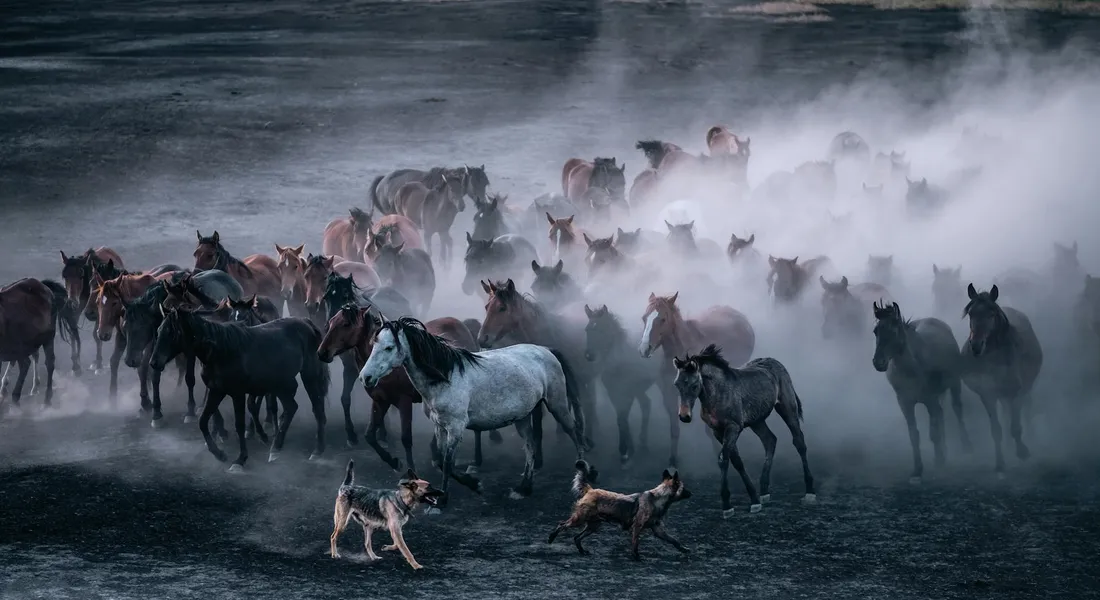
When you stand beside a Shire, the world gets quiet. Their breathing is a deep rumble, and the thud of their hooves on the ground feels like a heartbeat. Originating in England, these horses were engineered for pure power, pulling ploughs and beer wagons through all conditions. Their defining features-feathered legs, a broad back, and a calm disposition-are the result of centuries selecting for strength that doesn’t sacrifice temperament.
I’ll never forget the first time I held a lead rope for a Shire gelding; my reliable trail horse Rusty suddenly looked like a delicate model. Despite their intimidating size, Shires are often called “gentle giants” because a well-bred individual wants nothing more than to please, making them surprisingly manageable for their stature.
Their care starts with space. A Shire cooped up in a standard stall is a recipe for stiffness and discontent. Advocating for maximum turnout time isn’t just nice; it’s essential for their physical health and mental peace, allowing those massive joints to move freely.
Not Just Shires: Other Notable Large Breeds
The title of “biggest” often goes to Shires, but other draft breeds are close contenders. Each has a unique history and build. In conversations about the largest horse breed, size is just part of the picture. Consider their temperaments, hoof care, and space needs too. Choosing a giant horse isn’t just about height; it’s about matching their breed-specific traits to your lifestyle and facilities.
- Belgian Draft: Often slightly shorter but denser than Shires, Belgians are pure muscle. They tend to have a incredibly docile personality, which I’ve found makes them a popular choice for new draft owners.
- Percheron: Known for their agility and grace, Percherons often have less feathering on their legs. They can be more spirited, requiring a handler with soft, confident hands-a trait I honed working with my sensitive Thoroughbred, Luna.
- Clydesdale: Famous for their high-stepping gait and flashy white markings. Their feathered feet require diligent cleaning to prevent scratches or mud fever.
- Suffolk Punch: A rangeland all chestnut, they are compact powerhouses. Their steady nature makes them excellent steady workers.
Regardless of breed, every giant horse shares a common need: a management plan built around their scale, not an afterthought. In particular, the strongest, most powerful horse breeds illustrate why tailored, proactive care matters.
The Daily Reality of Caring for a Giant Horse
Feeding the Furnace: Diet for a Large Frame
You don’t just feed a draft horse; you fuel a metabolic furnace. Their calorie needs are staggering, but the principle remains the same as for any horse: forage first. The foundation of every meal must be high-quality hay, offered at roughly 2-2.5% of their body weight daily to keep their gut moving and their mind content. For weight management, tailor total intake to activity and body condition. This helps maintain a steady weight without sacrificing energy.
I learned this firsthand helping a friend with her Belgian. Her weekly hay delivery looked like a small mountain. Supplements and grains are added only after evaluating the hay’s nutrient content and the horse’s workload, as overfeeding concentrates can lead to serious issues like founder.
- Weigh your hay. Don’t guess. A 2,000-pound horse needs 40-50 pounds of hay per day.
- Use slow-feed nets. This mimics natural grazing and prevents wasteful gorging.
- Provide constant access to fresh, clean water. A giant horse can drink 15 gallons a day easily.
Tack and Gear: Nothing is Off-the-Rack
Walk into a standard tack shop and you’ll find nothing that fits. Every item requires special ordering or custom craftsmanship. Ill-fitting tack on a giant frame doesn’t just cause rubs; it can create pressure points that lead to behavioral issues and chronic pain.
I remember trying a “large” girth on a Percheron-it was comically short. Your shopping list will start with specialty draft suppliers for basics like halters, lead ropes, and blankets, all built with heavier hardware and broader proportions.
- Saddles: Require a wide tree and panels that distribute weight evenly across the back. Always use a qualified fitter.
- Bridles: Need browbands and cheekpieces several inches longer than standard sizes.
- Boots and Bandages: Standard horse sizes simply won’t wrap around those cannon bones.
Hoof Care and Farriery: Supporting Immense Weight
The sound of a draft horse’s hoof being placed on the farrier’s stand is a solid *clunk*. Each hoof bears immense weight, so balance is everything. A skilled farrier is your most important partner, as improper angles can strain tendons and ligaments up the entire leg. Choosing the right farrier for your horse’s hoof care matters. A good choice supports longevity and peak performance.
Their feet are larger and grow faster due to their size. Stick to a strict 6-8 week trimming schedule, without fail, to prevent cracks and maintain the proper support for that colossal frame.
Be prepared for the bill. More material is used, the work is more physically demanding for the farrier, and the job simply takes longer. It’s a non-negotiable cost of ownership.
Grooming and Handling: Reaching Every Inch
Grooming a draft horse is a full-body workout. You’ll need a step stool for their withers and back, and a long-handed curry comb to reach everywhere. Building trust through gentle, consistent handling is paramount, as you are asking them to willingly cooperate with you from a vulnerable position. Using the right, essential grooming tools for a horse can make this routine safer and more efficient.
I use the same principle with all horses, from Pipin the pony to the biggest Shire: move slowly, speak softly, and let them know where you are. Pay extra attention to those feathered legs, cleaning and drying them thoroughly to prevent skin infections lurking in the damp hair. These careful grooming cues set the stage to groom your horse and build a stronger bond, step by step. You’ll notice trust grow as your routine becomes more fluent.
- Invest in durable, long-handled brushes. Your back will thank you.
- Check for sweat and debris under the thick mane and forelock daily.
- Teach ground manners from the ground up. A giant horse that pulls back or crowds you is a safety hazard.
Does Bigger Mean Healthier? Longevity in Large Equines
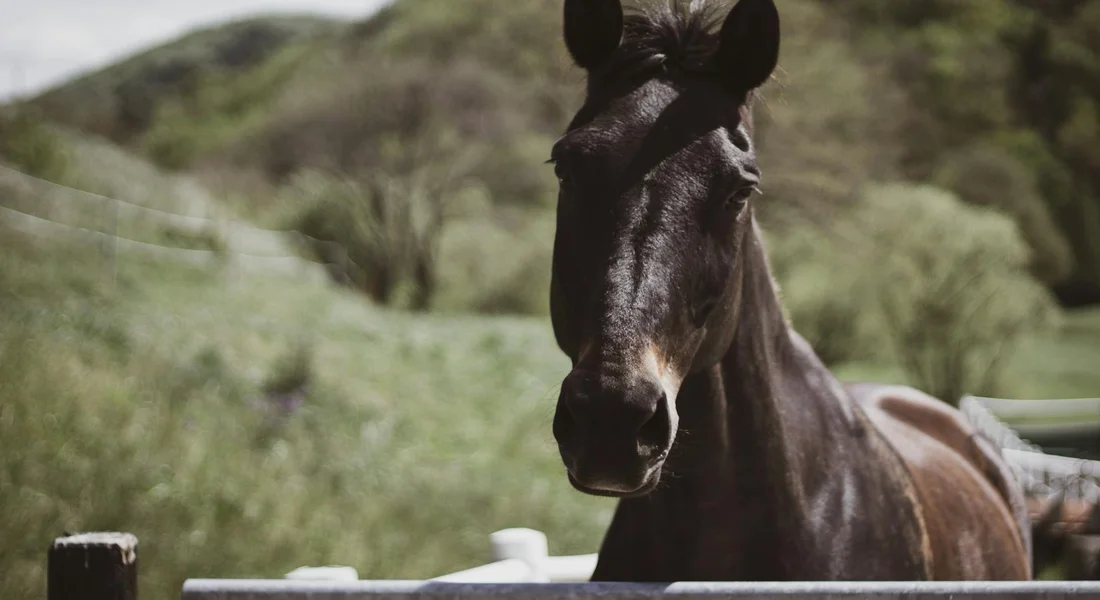
After mucking countless stalls and watching generations of horses age, I can say with certainty that a towering frame is not a free pass to good health. A giant horse is like a grand, heavy-duty truck; it needs a meticulous maintenance schedule to run smoothly for the long haul. Increased mass magnifies every physical stress, making proactive care the absolute cornerstone of longevity for these gentle giants.
Common Health Considerations for Big Horses
Owning a large equine means being a dedicated student of their unique physiology. Their majestic size comes with a specific set of vulnerabilities you must watch for.
- Orthopedic Overload: The constant concussive force on joints, tendons, and ligaments can lead to early-onset arthritis or degenerative disease. I’ve felt the heat in swollen knees after a heavy workday.
- Digestive Fragility: That impressive barrel houses a gut more prone to displacements and impactions. The risk of colic feels ever-present if their forage isn’t consistent and their water intake isn’t monitored.
- Metabolic Strain: Supporting all that tissue demands more from the heart and lungs, and they can overheat faster. They also have a higher risk of endocrine disorders like Equine Metabolic Syndrome.
- Hoof and Limb Challenges: More weight doesn’t always mean proportionally larger hoof surface area, leading to increased pressure and a higher likelihood of issues like laminitis.
Routine observation-noticing a slight change in gait at feeding time or a hesitation at a familiar fence-is your first line of defense against these common issues.
Promoting Lifelong Soundness in Your Gentle Giant
Extending the healthy years of a big horse isn’t rocket science, but it does require a steadfast, detail-oriented routine. Here is my battle-tested blueprint.
- Maximize Movement with Turnout: I am a fierce advocate for free movement. Daily, unrestricted turnout on safe footing is non-negotiable for maintaining joint fluidity and mental well-being. It’s the best anti-stiffness medicine you can provide.
- Feed for Function, Not Fat: Ditch the “more is better” mindset. Base their diet on premium, slow-feed hay to mimic natural grazing and use concentrated feeds sparingly. I consult with a nutritionist for every big horse in my care.
- Customize Your Conditioning: Build fitness with long, steady walks up gentle hills instead of repetitive small-circle work. This builds cardiovascular strength without pounding those precious joints.
- Become a Tack Fit Fanatic: An ill-fitting saddle on a broad back is a recipe for chronic pain. I spend hours adjusting and checking, listening for that quiet sigh of comfort when the girth is snugged, not the tense silence of discomfort.
- Build a Professional Care Team: Schedule vet and farrier visits like clockwork. Preventive hoof care, dental floats, and weight assessments are your investments in their future soundness.
Consistency in these areas does more than prevent problems; it builds a deep reservoir of trust and resilience in your horse. My old reliable Rusty taught me that a predictable, gentle routine is the secret to a long and happy partnership.
Beyond the Record: Understanding Equine Stature Today
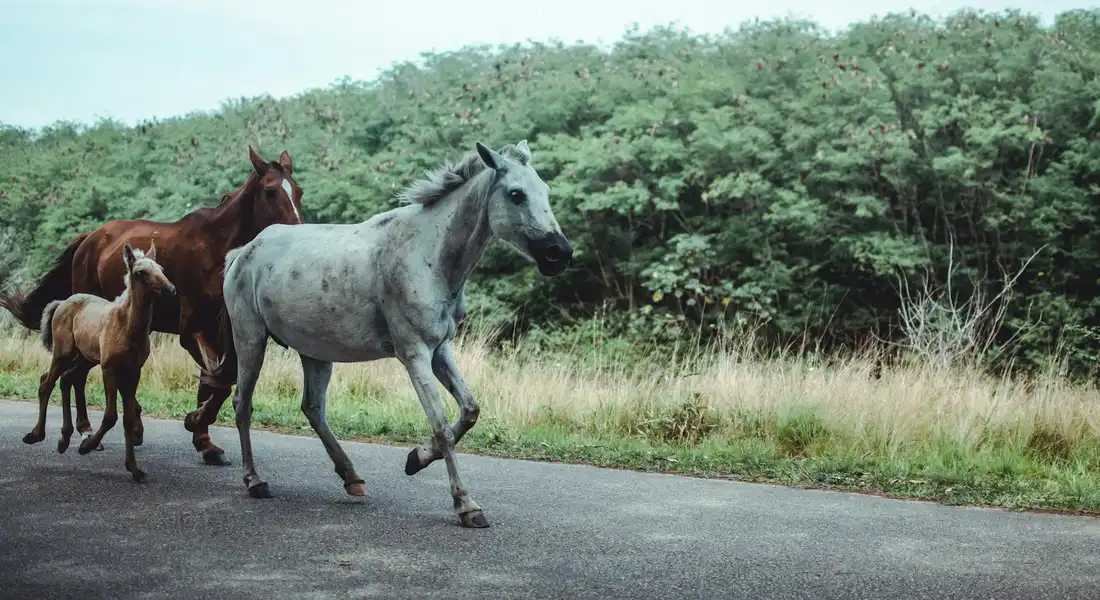
Modern horsemanship has shifted focus from sheer spectacle to sustainable partnership. The quiet satisfaction of a balanced ride or the sound of contented chewing in a sunlit stall far outweighs any bragging rights about height. Today, we understand that a horse’s true value is measured in temperament, trainability, and heart, not just hands.
The Myth of the ‘Mammoth’ Horse Breed
While the term “Mammoth” is often tossed around, it’s a descriptor, not a breed registry. It historically pointed to the largest individuals of heavy draft breeds like Shires, Clydesdales, or Percherons. There is no singular genetic line of ‘mammoth’ horses; these are simply the outliers of breeds already designed for power and size. Their care is specialized, demanding stronger fences, larger trailers, and a keen eye for the health concerns we just discussed. The romantic idea of a single, lost breed of giants is just that-a stableyard tale.
Choosing a Horse: Why Temperament Trumps Tape Measures
When you’re looking for your next equine partner, please, put the measuring tape away first. The number of hands high tells you nothing about work ethic, bravery, or kindness. The right brain in a manageable package is infinitely safer and more rewarding than the wrong brain in an impressive one. Consider my own mismatched herd: I trust Rusty’s steady mind on a tricky trail more than I would a skittish giant. Luna’s sensitivity requires soft hands, not a tall rider. Pipin’s pony-sized cunning brings more laughter than any draught horse ever could. Your ideal horse is the one that matches your energy, responds to your aids, and makes you feel confident-not the one that simply casts the largest shadow.
FAQs About the Biggest Horse Ever Recorded
What is the biggest horse ever recorded?
Sampson, a Shire horse later renamed Mammoth, is universally recognized as the biggest horse ever recorded. He was born in 1846 and reached an astounding height of 21.2 hands with an estimated weight of 3,360 pounds. This record, set in the 19th century, remains unbeaten in equine size history.
How tall was the biggest horse ever in hands?
Sampson stood at 21 hands and 2 inches tall, measured from the ground to his withers. This translates to 7 feet 2 inches, towering over average riding horses by over four hands. The hand unit, equivalent to four inches, is the standard for measuring horse height.
Are there any photographs of the biggest horse ever?
No verified photographs of Sampson from the mid-1800s are known to exist today. Historical documentation of his size relies on written accounts and illustrations from that era. While photography existed, it was not widely used for recording such equine giants at the time.
A Barn Manager’s Take on Size
Whether your horse is a record-holder or a sturdy draft cross, their care hinges on proportional nutrition and tack that distributes weight evenly. Schedule regular hoof and joint assessments with your farrier and vet, as a large horse’s foundation carries tremendous load.
Progress with patience and let your horse’s demeanor guide your training pace. The quiet nicker or content sigh you hear during grooming tells you more about their welfare than any record book ever could.
Further Reading & Sources
- Sampson (horse) – Wikipedia
- Tallest horse ever | Guinness World Records
- Sampson, aka Mammoth: The Biggest Horse Ever | HowStuffWorks
- Meet Sampson: The World’s Largest Horse In 1846, …
At Horse and Hay, we are passionate about providing expert guidance on all aspects of horse care, from nutrition to wellness. Our team of equine specialists and veterinarians offer trusted advice on the best foods, supplements, and practices to keep your horse healthy and thriving. Whether you're a seasoned rider or new to equine care, we provide valuable insights into feeding, grooming, and overall well-being to ensure your horse lives its happiest, healthiest life.
Popular Breeds