
Native Habitats and Horse Origins: The Key to Solving Behavior and Health Issues
Hello fellow equestrians, have you ever watched your horse weave in the stall or spook at a shadow and felt that familiar pang of worry? Those vet bills for colic or that niggling fear during a bolt aren’t just random-they’re often whispers from a past spent on wild, open plains.
Today, we’ll connect those dots. I’ll show you how a horse’s native blueprint directly answers your biggest management puzzles. We will cover:
- the specific landscapes that hardwired the equine mind for flight and friendship
- how evolution built a digestive system demanding near-constant movement and forage
- simple, affordable barn hacks to honor those instincts for better health and calmer rides
My years in the saddle and managing barns have taught me that the best care always starts by listening to what the horse was born to be.
Meet the Original Wild Horses: Equus ferus
Guide content on the true wild ancestors
List the key species: Przewalski’s horse and the extinct Tarpan
When we talk about true wild horses, we’re referring to two key players in equine history. You won’t find them in your local barn, but their legacy is in every horse you meet.
- Przewalski’s Horse (Equus ferus przewalskii): The last truly wild horse, never domesticated. These rugged survivors are making a comeback from the brink of extinction.
- The Tarpan (Equus ferus ferus): The extinct forest and steppe horse of Europe. Though gone, its genetic blueprint lives on in many hardy pony and horse breeds.
Seeing a Przewalski’s horse at a conservation center once stopped me in my tracks-their sturdy, primal form is a living reminder of where all our horses began.
Describe their physical traits and link to modern horse anatomy
These wild ancestors were built for endurance, not elegance. Przewalski’s horses stand about 13 hands tall with a dun coat, upright mane, and a stocky frame. Tarpans were similarly tough, often mouse-colored with a dark stripe down the back.
Their anatomy is a masterclass in survival: short, strong backs, robust legs, and hooves evolved for traversing hard, arid ground. Look at your own horse’s hoof capsule and leg structure; that design was perfected over millennia on the steppe. My quarter horse, Rusty, has that same deep girth and strong cannon bone, traits that make him a reliable trail partner.
Where did they roam? Mapping the prehistoric range
Detail the core regions: Eurasian steppe, Central Asia, Mongolia
Picture an endless sea of grass. The original homeland was the vast Eurasian steppe, stretching from Ukraine all the way to Mongolia and China. This is where Przewalski’s horse held out in the harsh deserts of Mongolia.
The heart of horse country was, and is, a land of extreme temperatures and wide-open spaces. Central Asia’s steppes provided the stage for their evolution.
Mention the Pleistocene and Holocene epochs context
This story plays out across geological time. During the Pleistocene (the “Ice Age”), horse ancestors spread across continents. Some evidence even points to a North American origin, a key thread in their native-origin history. As the climate warmed into the current Holocene epoch, their range contracted, setting the stage for domestication.
This deep history explains why our horses are so resilient; they weathered ice ages and shifting continents. That Throroughbred sensitivity in my mare Luna? It’s a refined version of the hyper-awareness needed to survive on those ancient plains.
The Grasslands That Forged the Horse
Characteristics of the native steppe habitat
Describe the open plains, climate, and flora
Imagine a landscape with a horizon that never ends. The steppe is an open, treeless plain with a continental climate-blistering hot summers and brutally cold winters. The wind is a constant companion.
The flora is tough, sparse, and fibrous: drought-resistant grasses like feather grass and sagebrush. This isn’t lush pasture; it’s hardy, low-nutrient forage that requires work to digest. The smell of dry grass and dusty earth is the scent of home for a horse.
Explain how this environment shaped diet and digestion
Here’s the crucial link to modern care: the horse’s digestive system is a direct product of this resource-scarce environment. They evolved to be trickle feeders, consuming small amounts of rough, fibrous grass almost constantly. This raises a practical question: does a horse’s digestive system really work with such a steady, small-meal pattern? Understanding this helps explain how feeding schedules impact gut health and overall condition.
Their entire gut health relies on a near-steady flow of forage, a fact we must respect when we keep them in stalls. I’ve seen the difference in Pipin, our Shetland; when he has constant access to hay, his digestion is calm, but restrict it and he becomes a chewing, wood-eating menace.
Survival instincts born on the plains
List key behaviors: herd structure, constant movement, flight response
- Herd Structure: Safety in numbers. A complex social hierarchy meant protection from predators and shared knowledge of food and water sources.
- Constant Movement: Horses roamed miles daily to find enough food and water. Standing still was a luxury they couldn’t afford.
- Flight Response: On an open plain, your first and best defense is to run. A quick start and sustained speed meant the difference between life and death.
Every time your horse spooks at a plastic bag, you’re witnessing a million-year-old survival program firing perfectly.
Connect each instinct to modern stable management challenges
Understanding these instincts isn’t just trivia; it’s the key to solving common stable problems. A horse isolated in a stall is a herd animal cut off from its family, which fuels anxiety and stable vices.
Denying constant movement by confining a horse for long periods directly contradicts its evolutionary need to walk and graze, leading to stiffness, digestive issues, and boredom. I schedule maximum turnout for Luna to let her move freely and manage her energy. The flight response means we must train with patience, never cornering a horse. Rusty’s reliability on the trail stems from trusting his “herd” of two-him and me.
The Turning Point: How Domestication Changed Everything
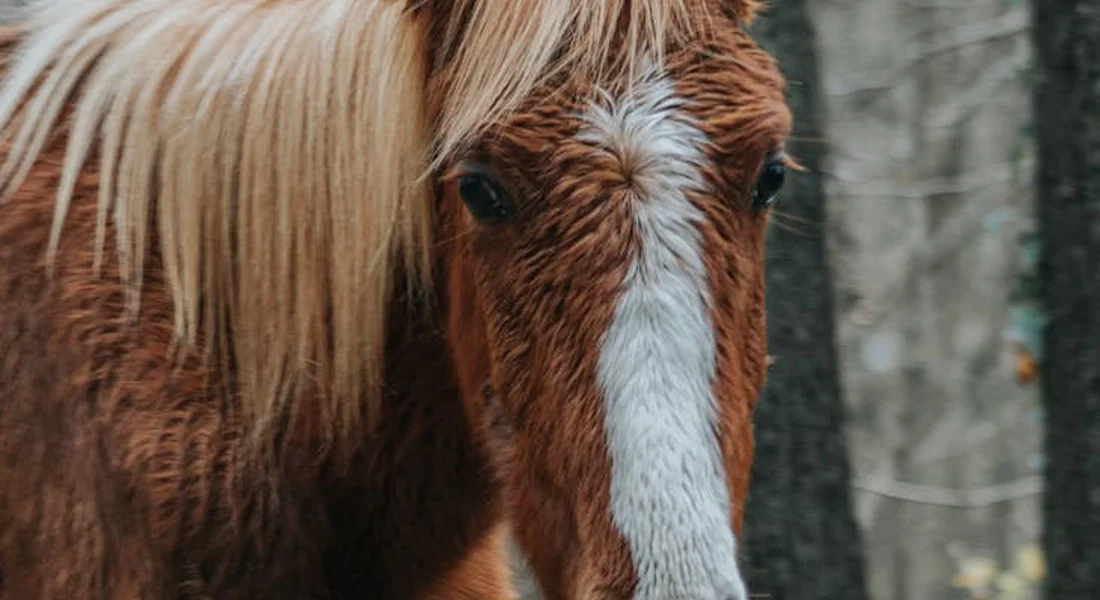
Picture the ancient steppes, a sea of grass under a vast sky. That was home. Then, humans entered the scene, and the horse’s world shifted forever. Domestication wasn’t just a new job; it rewired their very existence.
Brief history of horse domestication
The exact spot is still debated, but evidence points to a few key areas. Think about the sweeping landscapes of the Near East, the rugged hills of Anatolia, and the open plains of Kazakhstan. This is where the partnership likely began, around 6,000 years ago.
Mention likely regions: Near East, Anatolia, Kazakhstan
In these regions, the Botai culture in Kazakhstan provides some of the earliest clear signs. They weren’t just hunting horses; they were milking them and using them for transport. This shift from prey to partner changed the trajectory of human and equine history.
Contrast wild vs. early domestic life
A wild horse’s life was dictated by forage, water, and predator avoidance. Days were spent in constant, slow movement across miles. Early domestic life penned them in, literally. Their world shrank from horizons to herds managed by people. I’ve seen the echo of this in my own barn; a horse like Luna, with her thoroughbred fire, shows immense stress when her movement is restricted, reminding me of that lost freedom.
Physical and behavioral shifts after domestication
Selective breeding by humans acted like a sculptor, molding horses over generations. The changes were profound and permanent.
List changes in size, color, and temperament
- Size: We bred for purpose. Draft horses ballooned for strength, while light horses became sleeker for speed.
- Color: The limited palette of duns and bays exploded into pintos, palominos, and greys. This is a direct result of human preference.
- Temperament: We selectively favored curiosity over extreme flightiness. This gave us more manageable partners, but it didn’t erase the core wiring. Pipin, my Shetland, still has that clever, problem-solving brain of a survivor.
Address the concept of “wild” vs. feral horses today
This is critical. True “wild” horses, like the Przewalski’s horse, have never been domesticated. What we often call wild, like the American Mustang, are technically feral-descended from domestic animals that returned to a free-living state. They carry domestic traits, proving you can’t breed the steppe out completely.
Why Wild Roots Matter in Your Barn Today
Their past isn’t just history; it’s an operating manual. Ignoring it is why we see so many health and behavior issues in stables. Your horse’s needs are written in genetic code from the prairie.
The non-negotiable need for forage and movement
The horse’s stomach produces acid continuously, designed to be buffered by a near-constant trickle of forage. On the steppe, they grazed for 16-18 hours a day, walking slowly over hard ground.
Link steppe grazing patterns to modern ulcer prevention
Stand a horse in a stall with two large meals a day, and you’re asking for gastric ulcers. The acid splashes onto an empty stomach lining. Ulcer prevention isn’t about fancy supplements alone; it’s about replicating that natural, steady intake of roughage. I learned this the hard way with a horse who colicked; changing his feeding schedule was the real cure.
Advocate for maximum turnout and slow-feeders
Turnout is not a luxury; it is physiological necessity. Use slow-feed hay nets to make them work for their food, stretching meals out. The goal is to have hay in front of them for most of their day and night. The sound of contented chewing should be your barn’s background music.
Hoof care shaped by the hard ground
The dry, abrasive terrain of their origins was the ultimate hoof trimmer. It wore hooves evenly and stimulated blood flow with every step.
Explain how dry steppe terrain conditioned hoof mechanism
That hard ground forced a perfect concussion and expansion cycle with each step-the hoof wall flexed, the frog made contact, and circulation pumped. A soft, muddy pasture or a perfectly level stall floor does none of this work, leading to weak hoof walls and poor circulation. You can hear the difference: a healthy hoof on gravel has a solid, clean *thud*.
Give practical tips for mimicking this in domestic hoof care
- Ask your farrier about a “mustang roll” on the hoof edge to prevent cracking.
- Provide varied terrain in turnout: a mix of firm dirt, gentle slopes, and even some safe gravel.
- Limit standing in wet bedding. A dry, clean run-in shed is better than a constantly damp stall.
Social needs: You can’t stable a herd animal alone
Isolation is a profound stressor. On the open range, safety was in numbers. A solo horse is a nervous horse, always on guard.
Stress the importance of equine companionship
Another horse is not just company; it’s a psychological anchor. I’ve watched Rusty, my steady Quarter Horse, teach a young, spooky boarder how to be calm simply by being his unflappable self. The mutual grooming, the shared vigilance-it’s non-negotiable for mental health. It can be particularly helpful when dealing with anxious or skittish horses.
Offer solutions for safe group turnout and bonding
- Introduce new horses over a fence line first, letting them meet nose-to-nose without full contact.
- Turn out in small, compatible groups. Match energy levels-put the high-strung types with calm elders.
- Ensure multiple hay piles and water sources to prevent resource guarding. Space is peace.
Conservation: Protecting the Last Wild Relatives
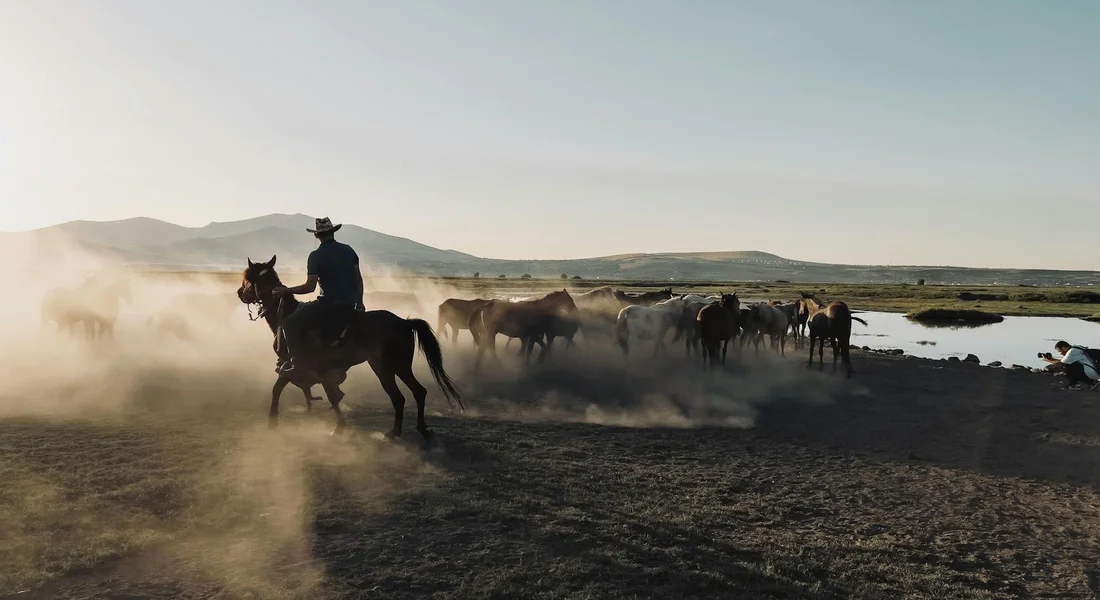
When you muck out a stall and hear the steady crunch of hay from the next aisle, you’re listening to an echo of ancient plains. Our domestic horses, from steady Rusty to spirited Luna, carry the legacy of wild herds. Protecting the last true wild horses isn’t just about zoos; it’s about preserving a living library of equine nature.
The status of Przewalski’s horse
Przewalski’s horse, the only undomesticated horse species left, gives us a raw look at equine origins. These sturdy, dun-colored animals with their upright manes were once declared extinct in the wild. I remember seeing a small herd in a conservation park, their social structure so vivid and intense, it made me look at my own barn’s herd dynamics with new eyes.
Briefly cover reintroduction efforts in Mongolia and China
Reintroduction programs in Mongolia’s Hustai National Park and China’s Kalameili Reserve are slowly turning the tide. Teams transport small, carefully managed groups to vast protected steppes. The goal is simple: let them be horses. Successful rewilding hinges on preparing the land and the animals for a life without human daily care, a process that teaches us immense respect for their resilience.
Explain why genetic diversity matters for all horses
Genetic diversity is the cornerstone of health, not just for Przewalski’s but for every horse in your barn. A shallow gene pool means vulnerability. I’ve seen this worry in miniature breed registries; it’s why I’m cautious about popular sire syndrome. A diverse genetic foundation builds resistance to disease and adaptability to environmental changes, which is insurance for the future of all equines.
- Przewalski’s horses were saved from extinction by a handful of captive individuals, creating a genetic bottleneck.
- Modern breeding programs use detailed studbooks to maximize outcrossing and maintain rare bloodlines.
- For you, this means valuing mixed-breed horses and supporting breeders who prioritize genetic health over fads.
Lessons from rewilding projects
Projects in Europe, like those in the Danube Delta, don’t just release horses; they observe. Watching these herds reclaim natural behaviors is a masterclass in equine welfare. It confirms what I’ve always felt in my bones after long days at the barn: horses know how to be horses if we give them the space.
Discuss what these projects reveal about natural horse health
Rewilded horses move constantly, grazing over 20 kilometers a day on varied, fibrous vegetation. Their hooves self-trim on abrasive terrain, and their social hierarchies reduce stress. These horses exhibit fewer lameness issues and digestive ulcers than many stalled counterparts, highlighting movement and herd life as non-negotiable health requirements. Are these patterns a sign of healthy herd dynamics, or do they hide stress and crowding? Reading the cues helps differentiate healthy signs from unhealthy herd behavior in horses.
I think of Luna’s high-strung nature; she’s a different mare when she can move freely with buddies instead of circling a stall.
Connect these findings to pasture management and diet
Your pasture management can mirror these wild ideals. It’s not about acres of perfect grass but variety and movement.
- Create track systems around your pasture perimeter to encourage walking while grazing.
- Plant browse trees like willow and incorporate native grasses and herbs to mimic diverse forage.
- Allow for natural herd groupings as much as safety permits, reducing anxiety.
Feed hay in multiple, slow-dispensing locations to force foraging movement, replicating the natural grazing pattern that keeps gut and mind healthy. Pipin, our clever Shetland, stays out of trouble when his food requires a little puzzle-solving effort.
The lesson is clear: the more we let our domestic horses live like their wild relatives, the healthier and heartier they become. Their running behavior is rooted in those wild instincts, serving as a reminder of how they should be cared for. Their origins are not just history; they are a handbook for care.
FAQ: Native Habitats and Origins of Horses
What other specific ecosystems, besides the steppe, were native horse habitats?
Beyond the vast Eurasian steppe, ancestral horses also thrived in sparse woodlands and cold deserts. Environments like the Gobi Desert shaped hardy, resilient equines capable of surviving extreme temperature swings. These varied terrains all demanded constant travel and adaptability from wild herds. How did horses adapt to survive different environments? Their varied traits show resilience across climates and terrains.
Why didn’t horses originally evolve in dense jungles or rainforests?
Horses are built for speed and long-distance travel to escape predators and find scarce food. Dense jungle undergrowth would hinder their primary defense: the flight response. Their digestive system also evolved for grazing on open plains, not for browsing on lush, tropical foliage. That endurance underpins why horses are so well adapted for long-distance running. Their efficient cardiovascular system and limb mechanics support sustained movement across open terrain.
How does an arid, native climate relate to modern horse breed characteristics?
Breeds developed in similarly harsh, dry regions often display exceptional hardiness and efficient metabolisms. For example, the Arabian horse evolved in the desert, leading to a distinctive dish face and efficient heat dissipation. This direct lineage showcases how native climates continue to influence breed standards and care needs today.
From Plains to Paddock
Let their history guide your daily care; providing plentiful forage, open space, and herd friendship directly addresses the instincts shaped on ancient steppes. Prioritizing turnout with a compatible buddy is the closest we can get to replicating their native world, and it remains the cornerstone of preventing both physical and behavioral issues.
Good horsemanship means observing the quiet feedback in your pasture-a peacefully grazing horse is a textbook you can learn from. Their comfort and your safety are built on this simple, patient act of listening.
Further Reading & Sources
- Horse – Wikipedia
- Equus caballus (horse) | INFORMATION | Animal Diversity Web
- Horse Habitat: Where Do They Live
- BioKIDS – Kids’ Inquiry of Diverse Species, Equus caballus, horse: INFORMATION
At Horse and Hay, we are passionate about providing expert guidance on all aspects of horse care, from nutrition to wellness. Our team of equine specialists and veterinarians offer trusted advice on the best foods, supplements, and practices to keep your horse healthy and thriving. Whether you're a seasoned rider or new to equine care, we provide valuable insights into feeding, grooming, and overall well-being to ensure your horse lives its happiest, healthiest life.
Behavior