
How Long Can a Horse Hold Its Breath? The Facts Every Owner Needs
Hello from the barn aisle! If you’ve ever felt a jolt of fear watching your horse hesitate at a water crossing or during a medical treatment, you’re not alone. That worry about their breathing and safety is a sign of a caring owner, and it’s a smart instinct to question.
In this article, I’ll give you the straight facts so you can replace worry with knowledge. We’ll break down:
- The precise physiological limits of a horse’s breath-holding ability
- How their unique airway anatomy makes them different from humans or diving animals
- Essential safety protocols for swimming, floating, and veterinary procedures
- How to read your horse’s body language for signs of respiratory distress
My advice comes from years of barn management and training, where keeping horses like clever Pipin and sensitive Luna safe and comfortable was always the top priority.
The Mechanics of Equine Respiration: How Horses Breathe
Nose or Mouth? The Equine Airway Design
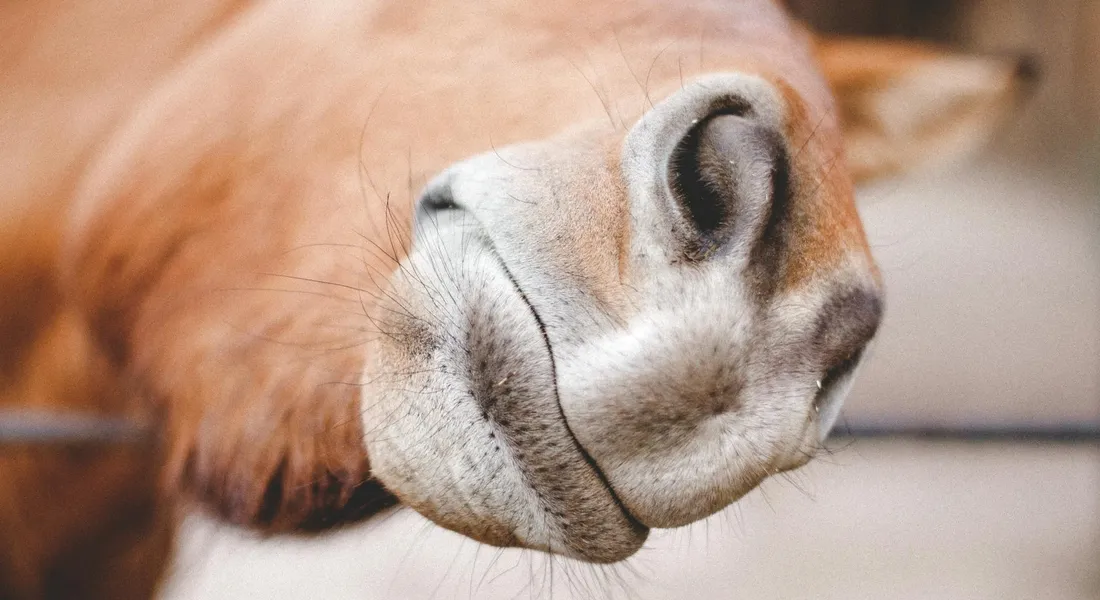
Unlike us, a horse cannot choose to take a big gulp of air through its mouth. They are what we call obligate nasal breathers. The design of their throat locks the soft palate-the fleshy part at the back of the mouth-firmly in place above the windpipe. This creates a one-way, nose-only superhighway for air straight to the lungs, which is crucial to consider when managing respiratory issues in horses.
Think of it like a sophisticated safety valve on a pressure cooker. This setup is brilliant for protecting the lungs from dust and debris during grazing, but it also means the airway is a dedicated, single-lane road. That distinctive, powerful snort you hear from a spooked Luna? That’s her entire respiratory system hitting a hard reset.
A healthy, resting horse takes about 8 to 16 breaths per minute. Listening to that slow, steady rhythm is one of the most calming sounds in the barn, a direct window into their well-being. Any major deviation from that, especially at rest, is my cue to stop everything and investigate.
From Lungs to Muscles: Oxygen Transport Basics
Every breath isn’t just about air; it’s about fuel delivery. Inhaled oxygen crosses thin membranes in the lungs’ alveoli, tiny sacs that look like clusters of grapes, and binds to red blood cells. These cells become delivery trucks racing through the bloodstream.
The horse’s enormous lung capacity and powerful heart are built for this transport. They need to move a massive volume of oxygen to power large muscle groups during movement. A horse’s blood oxygenation level is typically very high, which is why they are such phenomenal athletes.
This entire elegant system relies on constant, unimpeded airflow-it’s a non-negotiable requirement for everything from walking to jumping. When you see a horse’s flanks rhythmically expanding and contracting on a cool morning, you’re watching a physiological masterpiece in motion.
The Straight Answer on Equine Breath-Hold Duration
So, how long can they voluntarily stop this vital system? The direct, simple answer is a matter of seconds, not minutes. A horse might briefly pause its breathing for 10-30 seconds due to surprise, concentration, or during a swallow. Compare that to a marine mammal, built for diving, which can hold its breath for half an hour.
Their obligate nasal breathing anatomy is a primary reason. There’s no bypass switch. Forcing a horse to hold its breath, such as with overly restrictive tack or nose-holding “training” tricks, induces immediate and severe stress and panic-it is a form of suffocation. I’ve seen the terror in a horse’s eyes when its airway is even momentarily compromised; it’s a hard line no ethical horseman crosses.
What About Submersion or Stress?
Factors like sudden submersion (think Pipin dunking his whole head in the water trough to play) or extreme stress can trigger an involuntary breath-hold reflex. This is a survival mechanism, but it’s short-lived. Their tolerance for hypoxia, or low oxygen, is poor compared to diving animals.
- Stress/Fear: A tense horse may momentarily halt breathing, but the buildup of carbon dioxide will soon force a gasp, often a loud snort.
- Submersion: Most horses will actively avoid full submersion. If water covers the nostrils, the breath-hold is reflexive but brief, lasting only as long as they can fight the burning need to breathe.
- The Bottom Line: A horse’s biology is built for a steady, continuous flow of air. Any interruption is an emergency state, not a manageable pause. Our job is to ensure their environment, tack, and handling never, ever create one.
Equine Physiology and Short-Term Breath-Holding
The Splenic Squeeze and Oxygen Reserve
Picture a horse launching into a gallop-the initial explosive silence isn’t purposeful breath-holding. It’s the body triggering the “splenic squeeze,” where the spleen contracts to dump a cache of red blood cells into the bloodstream. This evolutionary adaptation exists solely for short, intense bursts of flight, not for extending time underwater or without air. That extra hemoglobin boosts oxygen transport for maybe a minute, but it’s a finite reserve.
Once that oxygen is spent, muscles are forced into anaerobic metabolism, which is like running an engine without enough air-it creates lactic acid and a significant oxygen debt. I’ve clocked this with Luna after a bold jump sequence; her sides heave dramatically as her system demands repayment for that metabolic loan. The splenic squeeze is a sprinting cheat code, not a diving bell.
Heart and Lung Response During a Breath-Hold
When a horse inadvertently holds its breath, say, when spooked by a tarp, its physiology reacts instantly. The heart rate may drop briefly, but this bradycardia is a primitive reflex, not controlled apnea. Carbon dioxide builds up in the blood with startling speed, triggering an overwhelming urge to inhale that the horse cannot consciously override. They are obligate nasal breathers, wired for a constant, steady air flow.
Listen to the quick, sharp snort of a horse like Rusty when he’s unsure about a new obstacle; that’s his system resetting under stress. Prolonged breath-holding, even for mere seconds beyond this reflex, induces panic and physical distress, as their entire respiratory architecture rebels against it. I remember Pipin once holding his breath during a forceful deworming, his eyes wide-it was a clear signal of fear, not capability.
Myth Versus Fact: Separating Folklore from Science
The Legend of the Diving Horse
Historical side-shows featuring horses plunging from high platforms into water peddle a dangerous fantasy. These acts caused profound animal distress, with horses experiencing sheer terror, forced breath-holding, and significant risk of sinus, ear, and leg injuries. The horse isn’t diving; it’s often falling, with water violently entering its nasal passages.
Their physiology offers zero adaptation for such stunts. Unlike aquatic mammals, horses lack a diving response that shunts blood to vital organs or a mechanism to seal their airways voluntarily. The spectacle was a testament to human coercion, not equine ability, and understanding the science makes its ethical bankruptcy clear.
Training, Performance, and Breath-Holding Myths
A common and harmful misconception is that a horse holding its breath under saddle shows “collection” or “focus.” In reality, it’s a red flag for tension or discomfort. When a horse braces its ribcage and stops its rhythmic breathing, it’s often reacting to pain from ill-fitting tack, confusion, or fear of pressure. I’ve felt this rigidity in young horses learning to canter, their backs tight and breath hitched.
For true athletic performance, steady breathing is non-negotiable. You can encourage this by ensuring your saddle allows full shoulder movement and your girth is snug but not cinched like a vice. Teach your horse to exhale on cue with gentle voice prompts during groundwork. A horse that breathes freely is a horse moving with power and relaxation. Understanding how a horse’s respiratory system supports its performance can help you appreciate the importance of steady breathing.
Practical Scenarios and Welfare Considerations
Water Crossings and Therapeutic Soaking
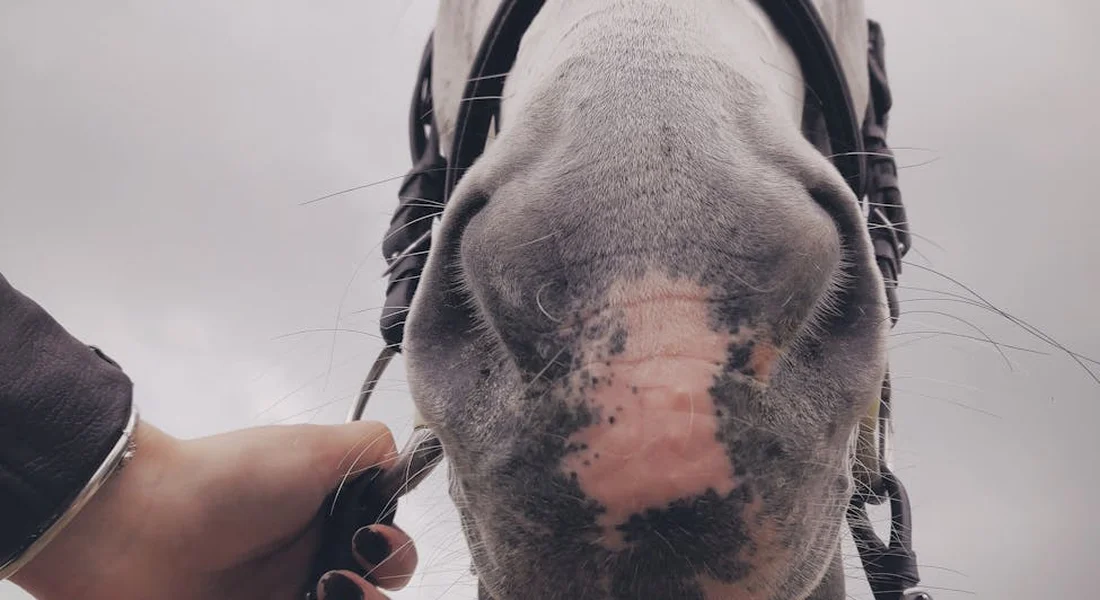
Navigating a stream or giving a bath tests a horse’s trust in you and its comfort with water. Your goal is to keep the experience positive so their breathing stays regular and unforced, not held in panic. I learned this with Rusty, who views every puddle as a personal affront; forcing him only made him brace and suck in a sharp breath. Bathing him properly was a challenge.
For trail rides, let your horse approach the water’s edge and sniff. Keep your reins loose so their head can rise naturally, allowing them to judge depth and current without feeling trapped. A tight rein can trigger a claustrophobic feeling and cause them to hold their breath or bolt. Then gradually introduce small water crossings—puddles and shallow creeks—starting with calm exposure. This patient, gradual approach helps your horse cross safely on future trail rides.
- Cross at a shallow, calm spot and enter at an angle, not head-on.
- Allow them to pause mid-stream if needed; don’t rush the process.
- Watch for pinned ears, a high head, or white-rimmed eyes-these mean stop and reassess.
In the wash rack, use a hose with a gentle spray setting. Always bathe from the neck down first, using a sponge for the face to avoid water shooting up the nostrils. A sudden splash in the nose can cause a reflexive gasp or breath-hold, something I’m careful of with my thoroughbred Luna, who startles easily.
Veterinary Procedures and Handling for Safety
During routine care, like nasal exams or oral medication, a horse might briefly hold its breath due to stress or discomfort. This temporary pause is normal, but your job is to minimize the stress that causes it, especially when trying to calm a stressed horse. With clever ponies like Pipin, I’ve seen him halt his breathing the moment he sees the dewormer tube—a smart but worried response.
Calm handling directly supports regular respiration. Speaking in low tones, moving slowly, and ensuring the horse is properly but gently restrained helps to avoid sudden movements and keeps the horse relaxed. For procedures near the airway, I wait for a soft exhale before proceeding, which tells me the horse is somewhat relaxed.
- For nasal passages: let the vet guide tools; you hold the horse steady with steady pressure on the halter, not the nose.
- Administering paste: place the syringe in the interdental space, aiming for the tongue, not the back of the throat.
- If the horse tenses and holds its breath, pause entirely and rub its neck until breathing resumes normally.
Creating a routine where the horse expects gentle treatment keeps their breathing even. I always follow any necessary procedure with a moment of quiet praise or a simple scratch, reinforcing that calm behavior brings calm outcomes. That mindset helps you become a calm, assertive leader for your anxious horse. A steady, confident presence reduces fear and builds trust.
Recognizing Signs of Respiratory Distress
Immediate Indicators of Breathing Trouble
Knowing your horse’s normal breathing is the first step in spotting trouble. After exercise, expect deep, regular breaths that settle within 10 to 20 minutes; anything longer is a red flag. Luna, after a good ride, pants heavily but recovers quickly. If she didn’t, I’d be concerned.
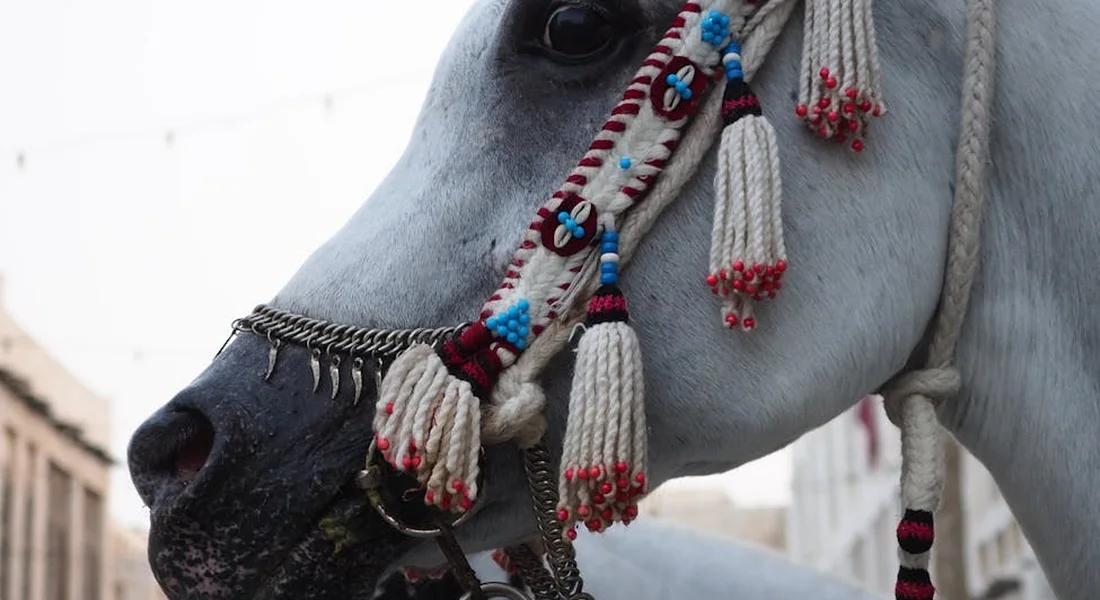
True distress looks and sounds different. Look for flared nostrils that remain wide, heaving flanks that seem to labor with each breath, and a stretched-out neck as they try to pull in more air. These are not signs of simple exertion but of a system struggling.
- Flared nostrils: persistent and pronounced, even at rest.
- Heaving sides: the abdominal muscles work visibly, like a bellows.
- Anxious expression: the eyes look wide, glassy, or frightened.
- Audible strain: listen for wheezing, groaning, or a high-pitched whistle.
Compare this to the soft snorts and steady rib movement of a dozing horse in the field. The key is persistence-signs that don’t fade with rest mean you need to act.
Action Steps for a Struggling Horse
If you see signs of respiratory distress, your immediate actions can prevent a crisis. First, remove all tack, including the bridle and any tight noseband, to free the head and chest completely. Even a well-fitting halter can be loosened or taken off if safe to do so.
Get the horse to a quiet, well-ventilated area immediately. Move them calmly to a spot with good air flow, but avoid windy or dusty places that could worsen irritation. In my barn, I have a designated stall with a fan for such emergencies, away from hay chaff and other horses. Proper ventilation of the stable is essential for your horse’s long-term health. Good airflow helps reduce irritants and supports optimal health.
- Remove all riding tack and restrictive gear without delay.
- Lead the horse to a quiet, clean space with fresh air-outdoors is often best if weather permits.
- Do not cover the nostrils with anything; allow unrestricted air intake.
- Call your veterinarian right away if breathing does not improve within five minutes.
While waiting for the vet, stay calm and keep the horse as still and quiet as possible. Your steady presence can lower their panic, which in turn can help regulate their breathing during a calm vet examination. Never attempt to administer medications or home remedies without professional guidance.
Frequently Asked Questions: How Long Can a Horse Hold Its Breath?
How does a horse’s breath-holding ability compare to other animals?
A horse’s capacity to hold its breath is extremely limited compared to aquatic or diving mammals. While a seal or whale can hold its breath for many minutes, a horse’s voluntary pause is typically only 10-30 seconds. Their obligate nasal breathing anatomy and lack of physiological adaptations for submersion make prolonged breath-holding impossible and dangerous.
What common situations might cause a horse to involuntarily hold its breath?
Brief, involuntary breath-holding can occur during a sudden scare, a moment of deep concentration, or while swallowing. Extreme stress or an unexpected splash of water to the face can also trigger a reflexive, short-lived pause. It is a survival reflex, not a controlled action, and is followed by a forceful gasp or snort to clear the airway.
Is a horse holding its breath the same as when it is panting?
No, these are opposite physiological states. Breath-holding is a cessation of airflow, while panting is rapid, shallow breathing often seen after intense exercise to cool down. Panting is an active process to move air, whereas holding breath creates a stressful oxygen deficit. Panting is normal post-exertion; holding breath is typically a sign of tension or distress.
A Final Note on Breathing Easy
Your horse’s respiratory system is built for constant, clear airflow, not for holding its breath. Understanding equine respiration includes recognizing that horses primarily breathe through the nostrils, with mouth breathing signaling stress or a problem. This nuance helps you assess safe handling and airflow. The most important takeaway is to never force your horse’s head underwater or into a position that might block its nostrils, as this can cause immediate and severe panic.
Good horsemanship is about observing the subtle signals your horse gives you every day, from a relaxed snort to the rhythm of its flanks. Trust that instinct to guide you, and you’ll both have a safer, more confident partnership.
Further Reading & Sources
- Read Now: How Long Can a Horse Hold Its Breath? Learn Equine Breathing Secrets – Just Horse Riders
- Horses Auto-Recruit Their Lungs by Inspiratory Breath Holding Following Recovery from General Anaesthesia – PMC
- How long can a horse hold its breath? – Quora
- Equestrian Spirit – Identifying & Rectify the Emotional Stability of Your Horse
At Horse and Hay, we are passionate about providing expert guidance on all aspects of horse care, from nutrition to wellness. Our team of equine specialists and veterinarians offer trusted advice on the best foods, supplements, and practices to keep your horse healthy and thriving. Whether you're a seasoned rider or new to equine care, we provide valuable insights into feeding, grooming, and overall well-being to ensure your horse lives its happiest, healthiest life.
Health