
When to Call the Vet for Your Horse: Your Barn-Side Guide to Smart Decisions
Hello fellow equestrians! That pit in your stomach when your horse seems slightly off is a feeling I know well. Is it a serious colic or just a passing discomfort? Deciding whether to call the vet mixes worry about your horse’s safety with anxiety over the bill.
This guide cuts through the uncertainty. I will cover the key signals that separate a true emergency from a wait-and-see situation, giving you a clear action plan. You will learn: the five physical signs that require an immediate phone call, how to monitor vital signs and behavior at home, and what minor issues you can often manage with your own well-stocked first-aid kit.
I have navigated these exact moments for years in the saddle and the stable, managing barns and training horses like my sensitive Thoroughbred, Luna, and my steady Eddy, Rusty.
Spot the Red Flags: True Equine Emergencies
Some situations leave no room for debate-your horse needs a vet, now. The barn grows quiet, the usual chatter of birds and crunching hay replaced by an unsettling stillness you can feel in your bones.
When you see any of these red flags, reach for the phone before you do anything else. Time is often the most critical treatment you can provide.
-
Uncontrolled bleeding is a five-alarm fire. If direct pressure with a clean wrap doesn’t stop the flow within minutes, it’s a vascular emergency. I once saw a superficial kick on Luna turn serious fast; that bright red pulse taught me to never underestimate skin depth.
-
Labored breathing or choking sounds mean drop everything and call. A horse’s airway is a one-way street, and a blockage can be fatal. The sound of raspy, gurgling breaths is one you never forget.
-
Violent colic behavior like relentless rolling, thrashing, or sweating through the coat is a direct signal. Gentle horsemanship means knowing when comfort isn’t enough. Rusty’s one bad bout had him slamming his sides against the stall; we were on the phone while grabbing the trailer.
-
Non-weight bearing lameness or a obvious fracture requires immediate professional stabilization. The sight of a horse holding a leg off the ground, with the foot dangling, means do not move them-just call.
-
Trauma to the eye, especially with prolapse or sudden, severe squinting, cannot wait. Eyes deteriorate rapidly, and saving vision is a race against the clock.
-
Neurological signs like staggering, circling, or a head tilt point to possible founder or poisoning. This isn’t just a bad step; it’s a system-wide crisis.
Your first job in any emergency is to keep yourself safe so you can effectively help your horse. While you stay safe, you can begin simple first aid while waiting for the vet. For example, apply clean pressure to minor bleeding and keep your horse calm. Move calmly, speak softly, and have your vet’s number and address saved in your phone and posted in the tack room.
The Gray Area: Signs That Need a Vet’s Eye
Reading the Body: From Colic to Lameness
This is where barn time pays off. The gray area is all about the subtle shifts-the half-hearted nicker, the way they stand just a little too still. It’s the difference between Pipin’s mischievous “I’m planning an escape” face and his “I don’t feel right” face.
Trust the small changes; your horse is talking to you in a language of posture and habit. When in doubt, a vet call is never wasted. It’s insurance.
-
Mild colic signs that wax and wane still need a professional opinion. Pawing, repeated lying down and getting up, or lack of manure for several hours warrant a call. I’ve sat with Luna through mild gas colic, but my rule is: if it hasn’t resolved in an hour with walking, the vet gets an update.
-
Low-grade lameness or a change in gait is a puzzle for your vet. Is that slight head bob a stone bruise or the start of an abscess? Feeling a faint warmth in a tendon after turnout? A vet can perform flexion tests and use diagnostic blocks to find the source before it becomes a chronic issue.
-
Reduced appetite or water intake for more than a day is a major clue. Horses are routines on four legs. When Rusty, a treat hound, leaves his grain half-eaten for two meals straight, something is up beyond pickiness.
-
Swelling without obvious heat or lameness should be monitored closely by a pro. A filled leg in the morning might be stocking up, but it could also be a subtle tendon strain. My policy: if it’s not gone after 24 hours of cold hosing and movement, the vet takes a look.
-
Persistent cough or nasal discharge, especially colored, needs diagnosis. A few coughs in spring is one thing; a daily hack or yellow goop is another. Respiratory health is paramount for performance and comfort.
-
Behavioral changes like new aggression, lethargy, or resisting the girth can signal pain. That “bad attitude” might be a sore back or ulcers talking. Recognizing the subtle signs of equine pain is crucial for advocating true equine welfare—looking past the behavior to the possible physical cause.
Keep a simple journal: note feed, turnout, and any quirks you see. This log becomes gold when you’re on the phone with your vet, trying to describe when the off-ness began. It turns “he seemed lame” into “he’s been off on the left front since yesterday’s trail ride, and the fetlock is slightly puffy.”
Your Barn-Side Triage: How to Assess
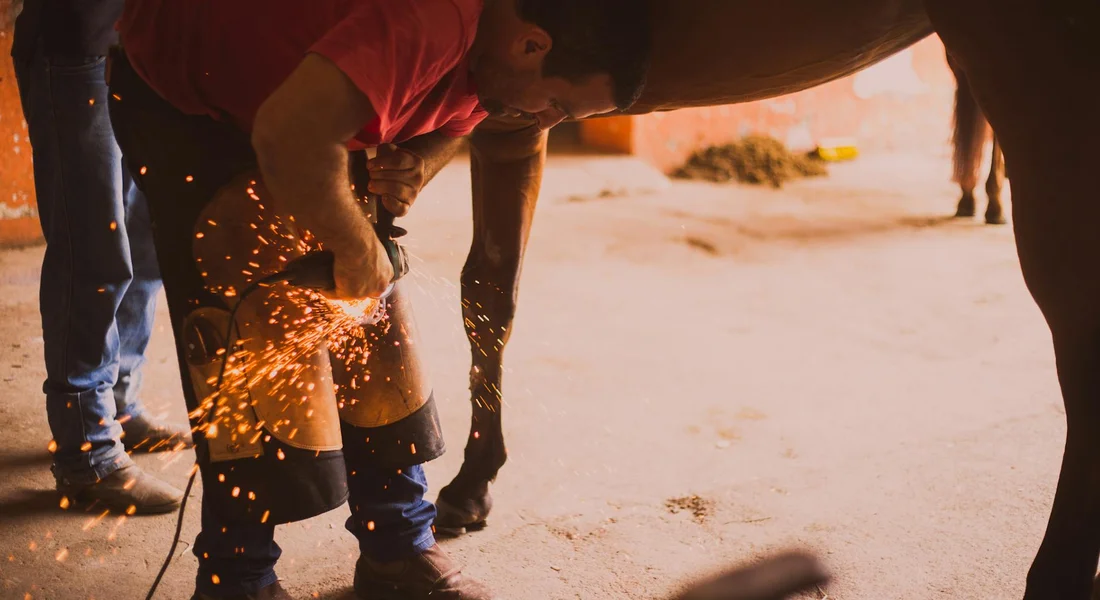
Before you even reach for your phone, take a deep breath. That initial moment of panic is real-I’ve felt it too, hearing a strange cough or seeing an unexpected limp. Your first job is to be a calm, observant detective. Start with a quiet approach; a stressed handler makes for a stressed patient.
Your initial assessment is about gathering clear, factual information for the vet, not making a diagnosis yourself. I keep a notepad and a pen on a clipboard right by the first-aid kit for this exact reason.
The “Stop, Look, Listen” Checklist
Run through this mental list. It takes two minutes and tells you volumes.
- Stop: Halt all activity. Is the horse safe where it is, or does it need to be moved to a quieter, safer spot like a nearby stall?
- Look: Scan from nose to tail. Look for obvious wounds, swelling, or asymmetries. Check the eyes: are they bright and alert, or dull and glazed? Observe the flank for excessive heaving.
- Listen: Close your eyes for ten seconds. What do you hear? Normal gut sounds (gurgles and pops) are a good sign. Silence is a red flag. Listen for labored breathing, wheezing, or coughing.
The Vital Signs You Can (And Should) Check
Knowing your horse’s normal resting vitals is a game-changer. For my gelding Rusty, a pulse of 40 is fine, but for Luna, it’s a sign she’s on edge. Knowing how to accurately take your horse’s vital signs ensures you can spot when something’s off.
- Heart Rate (Pulse): Find it under the jawbone or inside the front leg. Count the beats for 15 seconds, multiply by four. Normal is 28-44 beats per minute.
- Respiratory Rate: Watch the flank rise and fall. One rise and fall equals one breath. Normal is 8-16 breaths per minute at rest.
- Capillary Refill Time (CRT): Press firmly on the gum above a front tooth, then release. The pink color should return in 1-2 seconds. Pale or slow-refilling gums need a vet.
- Gut Sounds: Press your ear or a stethoscope against both sides of the flank. You should hear a symphony of gurgles and clicks. Dead silence on both sides is an emergency.
A high heart rate that doesn’t drop with a few minutes of quiet is one of your clearest signals to make the call. Trust this number over a “gut feeling.”
Preventive Care is the Best Call
Think of your vet not as an emergency responder, but as a partner in keeping those emergencies from happening. The most important call you can make is the scheduled one.
Routine care builds a health baseline, so when something is off, you and your vet know it immediately. I can tell you Pipin’s normal temperature because we check it during his routine visits, making it easy to spot a fever.
The Non-Negotiable Schedule
This isn’t just about shots. It’s about a professional looking at the whole animal.
- Annual Wellness Exams: This is your horse’s physical. The vet will listen to the heart and lungs, check teeth, eyes, and joints, and discuss diet and parasite control. It’s worth every penny.
- Twice-Yearly Dental Checks: Sharp points can cause weight loss, bit resistance, and quidding. A comfortable horse is a healthy horse.
- Regular Hoof Care: Your farrier and vet should be a team. Discuss any conformational issues or changes in gait with both of them.
Beyond the Calendar: Daily Vigilance
Prevention happens in the ten minutes you spend observing your horse at turnout, not just in the vet’s truck.
- Know their normal water intake. A sudden drop is often the first clue something’s wrong.
- Monitor manure consistency and output. Dry, scant piles or loose slurry both tell a story.
- Run your hands over their legs every day. You’ll feel that tiny bump or hint of heat long before it becomes a swelling.
This hands-on knowledge turns you from an owner into a true caregiver, catching small issues before they become big, expensive ones. It’s the quiet core of gentle horsemanship.
Before the Vet Arrives: Your Action Plan
The moment you hang up with the clinic, a clock starts ticking in your head. I’ve spent many long minutes in that silent stall, waiting, listening to the quiet shift of hooves on bedding. Your most critical job now is to be a calm, prepared basecamp for your horse and the arriving professional.
Step 1: Secure the Scene
Your first move is all about safety. If the horse is in a stall, make sure the area is clear of hazards like loose hay nets or buckets. If they’re in a paddock, consider if moving them to a smaller, safer space like a stall or a clean wash rack is wise. I learned this with Luna; her high-energy panic in a big space only made a minor cut look terrifying. Always prioritize a controlled environment to prevent further injury to your horse or yourself. By pairing safety with a safe, enriching environment, you help your horse stay calm and engaged. Simple enrichment activities can fit into daily routines without sacrificing security.
Step 2: The Quiet Monitor
Do not administer any medications unless your vet specifically instructs you to. Instead, become an observer. Note these details:
- Respiratory Rate: Count the breaths per minute. Watch for flaring nostrils or abdominal heaves.
- Heart Rate: Feel for the pulse under the jaw or behind the elbow. A normal resting rate is 28-44 beats per minute.
- Gut Sounds: Press your ear to their barrel. The absence of gurgles and pops is a red flag.
- Capillary Refill Time: Press on their gum above a tooth, release, and time how long the white spot takes to pink up. It should be under two seconds.
Jot these numbers down on your phone or a notepad-this objective data is gold for your vet.
Step 3: Gather Your Kit & History
Use the wait time efficiently. Collect a few key items and piece together the horse’s recent timeline. I keep a “vet wait” bucket by my tack room door.
- Your horse’s halter and lead rope.
- A clean bucket of fresh water.
- Basic first-aid supplies: clean towels, vet wrap, and a flashlight.
- The horse’s medical records, if handy.
Mentally replay the last 24 hours. When was their last meal? Did they have turnout? Any changes in behavior? Recalling that Pipin was unusually quiet at breakfast might be the clue that connects everything for the vet.
Step 4: Provide Comfort, Not Cures
Keep the horse as quiet and comfortable as possible. This might mean loosely tying them or simply standing with them, offering a familiar, soothing voice. For a colicky horse, walking slowly in a flat area can be helpful, but only if they are steady on their feet. Your calm presence is a powerful tool to lower their stress and prevent a bad situation from escalating. Avoid the temptation to offer treats or grain, as it could complicate an unknown issue.
Step 5: Light the Way & Stand By
As the estimated arrival time nears, ensure the driveway and barn aisle are well-lit and clear for the vet truck. Have someone available to guide them in if needed. When the vet pulls in, you’ll be ready with a calm horse, vital signs, and a clear story-transforming a crisis into a managed situation. This preparation turns those anxious minutes into actionable care.
FAQ: When to Call the Vet for Your Horse
When should I call the vet for a wound that isn’t bleeding heavily?
Call your vet for any wound that is deep, located near a joint, or shows signs of infection like pus or heat. Even small punctures can introduce bacteria deep into tissues, requiring professional cleaning and antibiotics. Monitor closely for swelling or lameness, and if these develop, contact your vet promptly.
How do I decide if my horse’s subtle change in energy or mood needs a vet?
Persistent lethargy, uncharacteristic aggression, or a sudden lack of interest in social interactions can be indicators of underlying pain or illness. If these behavioral shifts last more than a day or two without an obvious cause, it’s wise to consult your vet. Documenting these changes alongside any physical signs will help your vet make an accurate assessment.
What should I do if my horse’s vital signs are borderline after my initial check?
If vital signs like heart rate or temperature are slightly outside normal ranges but your horse seems otherwise stable, re-check them after 30 minutes of rest in a quiet environment. A consistent abnormality or any worsening trend is a clear signal to place that call to your veterinarian. Always err on the side of caution and use your recorded baseline for comparison.
Trust Your Instincts, Partner with Your Vet
When in doubt about your horse’s health, a call to your veterinarian is never wasted. You are the expert on your horse’s normal behavior, and any significant deviation from that baseline is a valid reason to seek professional guidance.
Good horsemanship is built on patience and the courage to ask for help. Your horse trusts you to listen, so pay attention to the quiet signals as much as the obvious ones. Learning to tell if your horse is happy comes from reading their body language. When you understand those signals, you can respond with care.
Further Reading & Sources
- When Should I Call the Vet?
- When to Call the Equine Vet
- When To Call The Vet Common Horse Emergencies – Cleveland Equine Clinic
- When to Call a Vet for Your Horse | MSD Animal Health HUB
At Horse and Hay, we are passionate about providing expert guidance on all aspects of horse care, from nutrition to wellness. Our team of equine specialists and veterinarians offer trusted advice on the best foods, supplements, and practices to keep your horse healthy and thriving. Whether you're a seasoned rider or new to equine care, we provide valuable insights into feeding, grooming, and overall well-being to ensure your horse lives its happiest, healthiest life.
Health