
Police Horse Breeds: The Steady Partners Behind the Badge
Published on: February 18, 2026 | Last Updated: February 18, 2026
Written By: Henry Wellington
Hello fellow equestrians. You see a police horse standing calm in a riot or a parade and think, “My horse would spin and bolt.” Finding a breed that can literally stand its ground is a huge challenge for any unit, balancing public safety with equine welfare.
I will walk you through the specific breeds that make the cut, breaking down exactly why they do this job so well. We will look at:
- The core physical and mental traits every police horse must have.
- The most common breeds used worldwide and their key advantages.
- How training and daily care shape these horses for a unique life.
I have spent years as a barn manager and trainer working with everything from hot-blooded prospects to unflappable veterans, giving me a clear view of what creates a truly dependable partner.
The Unique Role of the Modern Police Horse
You might wonder why cities still use horses when we have cars and drones. I’ve watched from my barn fence as police horses work, and their value is something you can’t enginear. A patrol car can’t gently nudge a lost child back to their parents or de-escalate a tense situation with a quiet snuffle. Mounted units exist because a horse offers a living, breathing connection that technology simply cannot replicate.
Their roles are distinct and vital. Think of them as mobile community centers with hooves.
- Community Patrol: A horse’s height gives an officer a superb vantage point, but more importantly, it makes the officer approachable. People, especially kids, are drawn to them.
- Crowd Control: A line of moving horses can gently direct a crowd without confrontation. Their sheer presence commands a natural respect and space.
- Search and Rescue: In parks or rough terrain, a horse can go where vehicles cannot, covering ground efficiently while the rider scans the area.
Beyond tasks, their sensory advantages are key. A horse can hear and smell things we miss, and a calm horse’s steady heartbeat can literally lower the anxiety in people around them. From the saddle, an officer sees over cars and crowds, but it’s the horse’s innate peace and heightened senses that often do the real work.
Non-Negotiable Traits: What Makes a Horse “Police Material”
Not every horse can handle the sirens and surprises of city life. Through years of training and caring for everything from steady Quarter Horses to hot-blooded Thoroughbreds, I’ve seen the blueprint for a successful police mount. It’s a blend of mind, body, and spirit.
These traits aren’t just job requirements; they’re pillars of long-term welfare for a horse in demanding work.
- Bombproof Temperament: This is non-negotiable. The horse must tolerate flashing lights, sudden noises, and chaotic movement without panicking. A nervous horse is a danger to itself and everyone nearby.
- Steady, Comfortable Gait: Officers spend long hours in the saddle. A smooth, consistent walk is essential to prevent rider fatigue and ensure the horse conserves its energy.
- Sound, Sturdy Legs: Concrete is hard. Police horses need strong, clean legs with correct conformation to withstand years of pavement pounding without breaking down.
- Willing Partnership: This isn’t about dominance; it’s about trust. The horse must want to work with its rider, responding to subtle cues even when distracted.
- Good Health and Stamina: They need the cardiovascular fitness for long patrols and a robust digestive system that holds up to a varied schedule. This is where management matters-consistent turnout for muscle and mind, and quality feed for sustained energy, are absolute musts.
Common Misconceptions About Police Horses
Let’s clear the stable of a few myths. People often think police horses are all giant draft breeds, but that’s like saying all detectives wear trench coats. I’ve seen nimble Morgans and solid Crossbreds excel in units.
Another big one is that these horses are inherently aggressive. Nothing could be further from the truth. A police horse is selected for its profound calm, not its combativeness; its job is to dissolve tension, not create it.
They aren’t machines drilled into obedience. The best ones are intelligent partners who understand their job, much like my old trail horse Rusty knew his way home through the woods. They’re chosen for their brains and their bravery, a combination that makes them exceptional public servants.
Breeds on the Beat: From Urban Patrol to Crowd Control
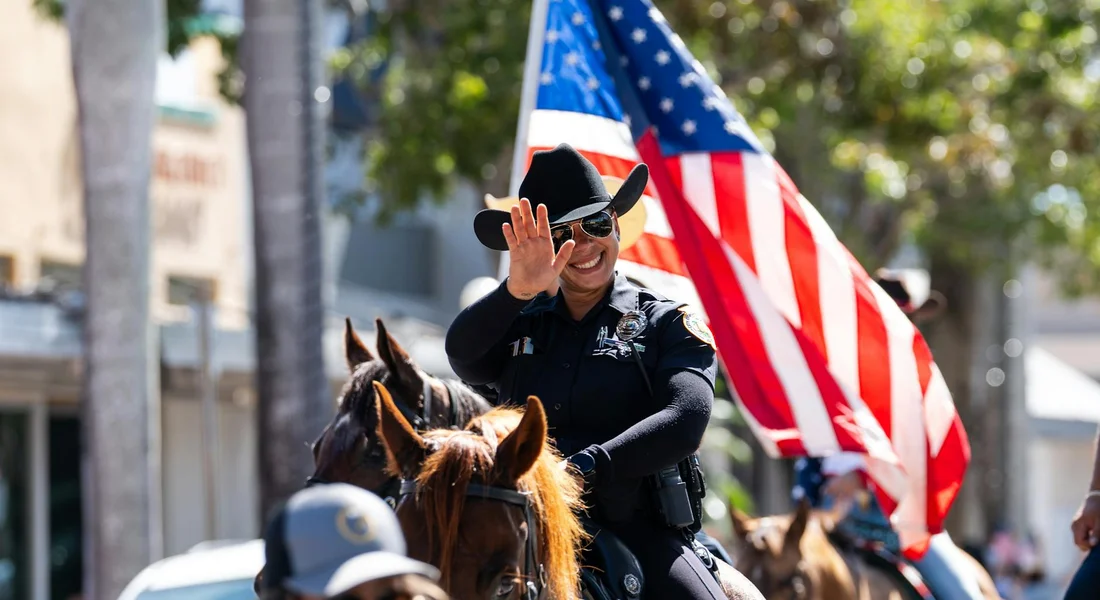
American Quarter Horse and Thoroughbred Crosses
These hybrids offer the ideal mix of steady nerves and explosive speed, making them perfect for chasing down suspects in crowded streets. Their athletic build allows for quick pivots and sustained trots during long patrols. Having conditioned several off-track Thoroughbred crosses, I always prioritize extra hoof supplements and daily turnout to manage their metabolic energy and prevent pounding-related lameness from hard surfaces.
Draft and Draught Crosses: Percheron, Clydesdale
When sheer presence is needed, these gentle giants step in for crowd control, their size naturally creating space and calm. Their strength is a deterrent, but their typical docile nature prevents unnecessary escalation. Care for these big boned partners involves watching for feathering mites, providing extra-strong fencing, and balancing their diet with soaked beet pulp to support joint health without unnecessary weight gain.
The European Contingent: Friesian, Dutch Warmblood, Hanoverian
Chosen for ceremonial duties, these breeds carry an air of authority and possess a cool-headedness that holds steady amidst flashing cameras and shouting. Their elevated movement is impressive in parades. Grooming needs vary by coat type and breed. Knowing these differences helps caretakers tailor daily care. That beautiful Friesian coat requires vigilant grooming to avoid matting and rain rot, and all these sportier types need consistent, varied flatwork to maintain muscle tone without joint stress.
Enduring Classics: Morgan Horse, Andalusian, Lusitano
Their compact, powerful build and historical bravery make them superb for tactical work where intelligence and agility are key. They learn complex patterns quickly and bond deeply with their riders. I’ve found these clever horses can become barn sour if under-stimulated; regular changes to their training routine and plenty of pasture time with buddies keep their minds content and willing. These traits also align with what people seek in the strongest, most powerful horse breeds. For readers curious about that topic, breeds such as the Shire, Clydesdale, and Percheron are frequently highlighted for their power and stature.
Regional Variations: Breeds in the UK and Australia
Local forces adapt to their environment: in the UK, sturdy Irish Draught crosses handle wet, chilly climates, while in Australia, hardy Waler crosses tolerate searing heat and vast distances. This means care routines differ vastly; a horse in Melbourne might need clipped coats for summer, while one in London requires excellent blanket management and airflow in the stable to prevent respiratory issues from damp bedding.
The Training Journey: Building a Trustworthy Partner
Training Phases: From Green to Steady
Creating a reliable police horse isn’t about breaking spirit but building confidence through repetitive, positive exposure. The process moves at the horse’s pace. Rushing any step risks creating a fearful animal, so we measure progress in weeks, not days.
- Desensitization: Introduce flapping, crinkling, and moving objects in the safety of a familiar pen. I start with dragging a soft rope near them, praising calmness, never forcing contact.
- Obstacle Training: Teach them to walk confidently over tarps, through narrow alleys, and up onto platforms. This builds trust in their rider’s guidance for unpredictable urban landscapes.
- Noise Acclimation: Gradually layer in sounds like shouting, explosions, and sirens. I use a Bluetooth speaker at feeding time, starting low and slowly increasing volume as they chew calmly.
- Rider Weight Training: Accustom them to the added weight and awkward feel of full tactical gear. We practice mounting from both sides and having the rider shift suddenly in the saddle.
The goal is always a horse that looks to its officer for reassurance, not one that shuts down or bolts.
Daily Care During Training: Fitness and Footing
A training regimen is physically demanding, so daily husbandry must adapt to support the horse’s body and mind. Neglect the basics of care, and even the best training will fail on a sore or stressed animal.
- Conditioning Exercises: Build stamina with long, slow distance work on trails before adding intense arena drills. Incorporate backing up and side-passing to engage different muscle groups.
- Hoof Checks After Pavement Work: Feel for heat in the hooves and coronet band after every patrol. I insist on quality shock-absorbing pads and a six-week shoeing schedule without fail to prevent bruised soles.
- Dietary Adjustments for Increased Workload: Swap out starchy grains for fats like vegetable oil to fuel sustained energy without fizzy behavior. Always provide access to fresh water and salt, especially after a sweaty session in the city.
Nothing replaces free movement; I advocate for a minimum of 12 hours of daily turnout in a safe paddock to let their backs stretch and their minds reset from the job’s pressures.
Stable Life on Duty: Daily Care for the Working Police Horse
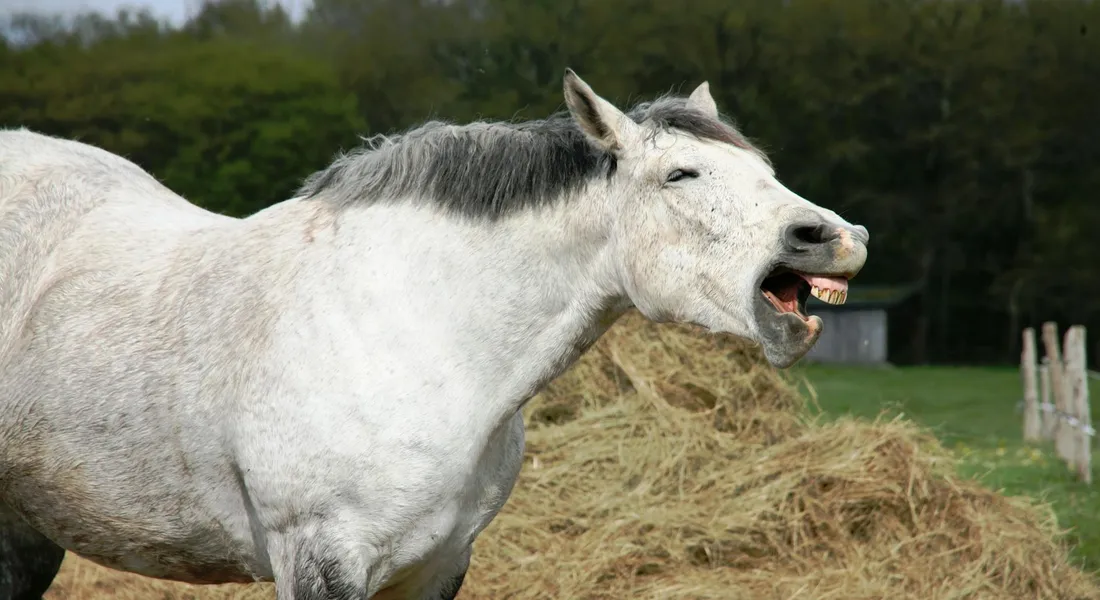
Caring for a police horse is less about quiet barn days and more about preparing a tactical partner. Their life differs sharply from a pleasure horse’s routine, demanding a blend of athletic support and psychological grounding. In my years managing a barn, I’ve learned that the difference between a good mount and a great one often lies in the details of daily care, especially when the “office” is a city street.
Focus on these four pillars to keep a working horse sound and sane:
- Housing requires a balance of secure stalling and mandatory turnout. Even with tight patrol schedules, these horses must have daily access to a paddock for mental decompression and physical stretch. I’ve seen clever ponies like Pipin become destructive without movement; police horses need that same freedom to unwind.
- Nutrition must fuel performance without firing up the nerves. It’s a careful dance between enough energy for an eight-hour shift and avoiding the jitters that grain can cause in a sensitive horse.
- Hoof care is a frontline defense against urban terrain. Pavement and cobblestones wear feet down faster than any pasture, making routine maintenance non-negotiable.
- Mental health is maintained through deliberate desensitization and quiet bonding. Constant exposure to sirens and crowds can be draining, so their off-duty time must be genuinely peaceful.
Nutrition for the Urban Equine Athlete
You can’t power a calm, focused patrol on sugar and sparks. Always build the diet on a foundation of good-quality hay, fed little and often to mimic natural grazing and keep the digestive tract happily occupied. My thoroughbred Luna teaches me that a forage-first approach steadies even the most sensitive minds. For extra calories, choose low-starch, high-fiber concentrates or fats like rice bran over sugary grains. Time meals around the work roster: offer a smaller, easily digested meal a few hours before shift, and provide the main ration after duty to aid muscle recovery. A simple stable hack for busy officers? Keep a bucket of soaked beet pulp or hay cubes nearby; it’s a hydrating, mess-free snack that keeps the horse busy during brief stall times. These principles lay the groundwork for a practical daily feeding schedule guide for horses. When you craft a perfect routine, timing meals around work and recovery becomes second nature.
Hoof and Leg Care on Hard Surfaces
Hard ground is a relentless opponent for the police horse’s limbs. Forget the six-week farrier schedule of a pasture-kept horse; urban shoes often need adjustment or replacement every four to five weeks due to rapid wear. I recommend discussing specialty options with your farrier, like wide-web shoes for better support or polymer hoof pads to dampen concussive shock. Be vigilant for early signs of stress: feel for unusual heat in the pasterns or cannon bones after work, or watch for a tentative step on hard ground. After a long patrol, a ten-minute cold hose session on the lower legs is a game-changer for reducing inflammation. This proactive care is far removed from what my old sorrel Rusty needs on soft trails, but it’s what keeps a police horse stepping soundly.
Matching Breed to Beat: Where Different Horses Shine
Selecting a police horse isn’t a one-breed-fits-all decision. Successful matching pairs innate breed characteristics with specific operational demands, ensuring the horse can perform its duties with confidence and minimal stress. Here’s how common types are typically deployed.
| Breed Group | Primary Duties | Why They Excel |
|---|---|---|
| Light Horse (e.g., Quarter Horse, Morgan) | Daily neighborhood patrols, traffic control | Their compact, muscular build offers stamina for long hours, while a famously steady temperament handles unexpected distractions. They remind me of Rusty-dependable and unflappable. |
| Warmblood or Thoroughbred Cross | Ceremonial functions, park patrols, rapid response | Height and presence command authority in parades. Their athletic grace allows for agile movements in tighter spaces, though they often require the patient, soft-handed approach I use with Luna. |
| Draft Cross (e.g., Belgian/Shire x Thoroughbred) | Crowd control, major events, riot situations | Sheer size creates a natural barrier, and their typically calm demeanor remains solid under pressure. The draft influence often contributes to stronger, more resilient hooves for constant pavement work. |
A Gentle Goodbye: Retirement and Aftercare for Service Horses
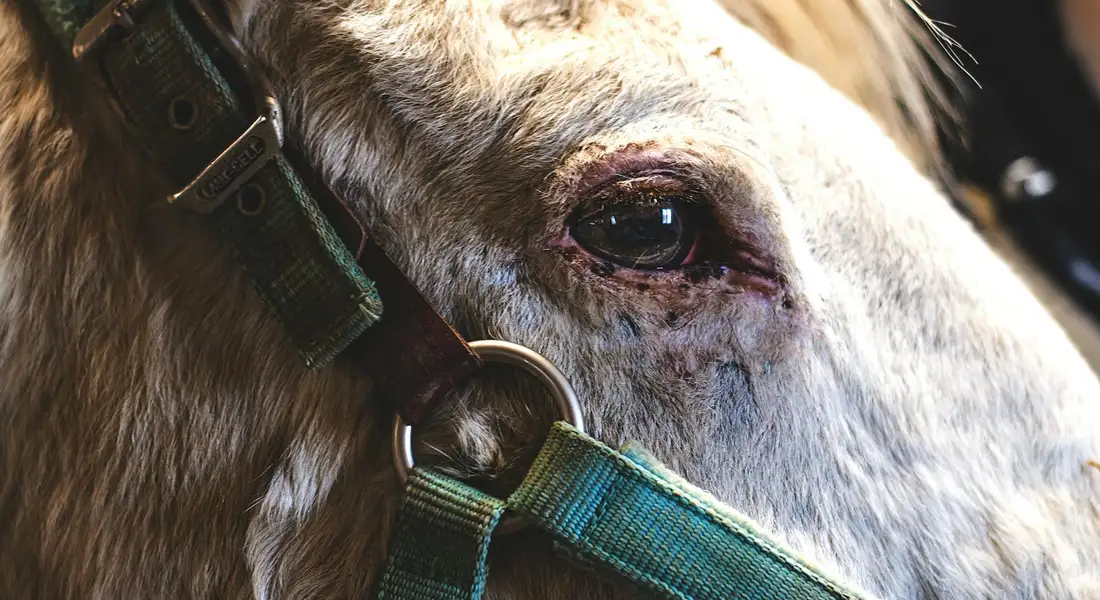
When the patrols end and the bridle comes off for the last time, these equine officers deserve a soft landing. I’ve walked a few retired mounts from the trailer to their new paddocks, and that first quiet sniff of unfamiliar grass is a powerful moment. Successful retirement hinges on recognizing that a police horse isn’t just stopping work; they are learning an entirely new way of living.
Where Do They Go? The Three Main Retirement Tracks
Most departments have formalized pathways to ensure their horses are cared for. The goal is always a dignified, comfortable life tailored to the individual. The best path balances veterinary needs with the horse’s psychological craving for purpose or peace.
- Specialized Retirement Facilities: These farms offer lifetime care, often with sponsors covering costs. The horses live in herds with spacious turnout, and staff are trained to manage old injuries.
- Private Adoption: Experienced homes can adopt directly. This is how a gelding named Sergeant, who reminded me so much of my reliable Rusty, came to live out his days teaching a young rider patience on the trails.
- Repurposing for Light Duty: Some sound horses transition to therapeutic riding centers or become schoolmasters in quiet barns. It’s a fit for sensitive types like Luna, who still need a job but crave a calmer environment.
The Critical Unwind: Transitioning to Pasture Life
You cannot just turn a career horse out and hope for the best. Their metabolism and mind are calibrated for routine work. A sudden switch to rich pasture and 24/7 leisure is a fast track to laminitis or anxiety-driven behaviors. The shift must be gradual, over weeks, not days.
I follow a slow introduction protocol that has never failed me. It mirrors how I’d introduce any horse to a new rich feed, but with extra patience for the mental adjustment.
- Dry Lot Phase: Start with 2-3 hours daily in a dirt or sand paddock. This allows movement without dietary risk.
- Supervised Grass Sessions: After a week, introduce grassy pasture for 1-2 hours, ideally after they’ve eaten some hay. Watch for frantic grazing.
- Gradual Extension: Over the next month, slowly increase pasture time by an hour every few days, monitoring weight and hoof pulse.
Keep their previous schedule echoes. Feed hay at their old “shift change” times. That predictability, the smell of hay at a familiar hour, grounds them.
Evaluating a Retired Hero for Your Barn
Adopting a police horse is rewarding, but go in with your eyes open. These animals are stoic; they won’t always tell you where it hurts. Your pre-adoption assessment must be a hands-on, observant conversation, not just a paperwork exercise. It’s just as important as when you are buying or adopting any horse.
Focus on two common legacy issues: arthritis and noise sensitivities. Run your hands firmly down their legs and over their back before and after a short walk. Feel for heat or swelling, especially in the hocks and knees. Listen for a low grunt when they lie down or rise. Subtle stiffness after rest often speaks louder than lameness during work.
Test their sensitivity to domestic sounds. While they’re used to city noise, your backyard may have unfamiliar cracks and booms.
- Clang a stall door gently from a distance.
- Roll a plastic barrel slowly in their view.
- Note if their head snaps up or if they simply flick an ear with calm curiosity.
Remember their intelligence. A bored, clever mind that once navigated riots can become a Houdini like Pipin. Ensure you have engaging turnout and a routine that offers mental stimulation. Watching how they process their new world-the thud of their hooves on quiet soil, the thoughtful way they survey a new fence line-tells you everything about their readiness for peace.
Frequently Asked Questions About Police Horse Breeds
What are the most common police horse breeds and why?
The most common breeds include draft crosses like Percherons for crowd control and lighter types like Quarter Horses for patrol, chosen for their specific blend of calm temperament and physical stamina. Their suitability hinges on non-negotiable traits such as a bombproof disposition and sound legs to withstand hard surfaces. Daily care for these athletes is specialized, focusing on joint-supporting nutrition, meticulous hoof care, and ample turnout for mental decompression. Breeds are selected based on specific uses for horse breeds—crowd control, patrol, trail work, or competition. Care and training are then tailored to the breed’s intended role.
What breeds are used by police in Australia, and how does their care differ?
Australian units often use hardy Waler crosses and Thoroughbred types bred to tolerate extreme heat and vast patrol distances. Their care regimens must prioritize hydration, electrolyte balance, and coat management, such as clipping, to prevent overheating. Hoof care is also critical, as dry, hard ground and urban surfaces require frequent farrier attention and monitoring for concussive stress.
Which breeds are preferred by UK police forces, and what are their key care needs?
UK police commonly use sturdy Irish Draught crosses and other cool-blooded breeds that excel in damp, chilly climates. Their daily management must emphasize respiratory health through excellent stable ventilation and careful blanketing to manage moisture. Additionally, their feathering requires vigilant grooming to prevent mites and mud fever, while their diet supports energy for work without excess weight.
Stewards of the Steady Partner
The right breed provides the foundation, but consistent, thoughtful care builds the true police mount. Their specialized work demands equally specialized support, from robust hoof care to perfectly fitted tack that never creates a sore.
Progress with any horse, especially one in public service, is measured in quiet confidence, not quick fixes. Your most important duty is to watch, listen, and respond to the honest feedback your partner gives you every day in the stable and on the street. Talk to your horse, learn their language, and build better communication through consistent cues. When you understand what they are telling you with ears, body, and breath, progress becomes a quiet partnership rather than a chase for fixes.
Further Reading & Sources
- Police Horse Breeds (13 Best Breeds)
- Mounted Patrol – Our Horses
- Explore Mounted Police Horses Now – Uncover Their Breeds and Roles
- Relief-Training-Horses
At Horse and Hay, we are passionate about providing expert guidance on all aspects of horse care, from nutrition to wellness. Our team of equine specialists and veterinarians offer trusted advice on the best foods, supplements, and practices to keep your horse healthy and thriving. Whether you're a seasoned rider or new to equine care, we provide valuable insights into feeding, grooming, and overall well-being to ensure your horse lives its happiest, healthiest life.
Choosing the Right Breed