
Horse Girth Explained: How to Identify and Measure for Safety and Comfort
Hello fellow equestrians. That sudden pinched skin or stubborn saddle slip isn’t just a minor annoyance-it’s your horse telling you something is wrong. A poorly understood or ill-fitting girth leads directly to soreness, behavioral issues like cinchiness, and safety risks for you both.
Let’s fix that. In this guide, I’ll break down the fundamentals so you can tack up with confidence. We’ll cover:
- The true purpose of a girth and how it affects your horse’s movement and mindset.
- The common types, from straight to anatomical, and which horse each one serves.
- A foolproof, step-by-step method to measure your horse correctly, every time.
- Practical fitting tips I use daily to prevent rubs and ensure peace of mind.
This comes from years in the barn aisles, adjusting tack for everything from reliable Rusty to sensitive Luna, always advocating for their comfort first.
What is a Girth?
-
Think of the girth as your saddle’s seatbelt. It is the strap that cinches everything together. In English riding, we call it a girth or girthstrap. Western riders use the term cinch. No matter the name, its job is simple but vital: to secure the saddle snugly against your horse’s body.
-
This critical piece of tack connects directly to the saddle’s billets, those leather straps hanging down. It wraps under the horse’s barrel. To saddle the horse properly, follow a simple step-by-step approach. The next steps will outline each stage of the process. When you tighten it, the girth transfers the rider’s weight evenly and prevents the saddle from shifting during movement.
-
Girths come in various materials, from traditional leather to modern nylon or neoprene. Leather offers durability and molds to the horse over time. Synthetic options are often more affordable and easier to clean. Always choose based on your horse’s comfort, listening for the quiet creak of good leather or feeling the smooth give of a padded design.
Why Girth Fit is Non-Negotiable
-
An ill-fitting girth is a safety hazard for both horse and rider. Too tight, and it can pinch skin and cause painful sores. Too loose, and the saddle may slip. That sudden shift or rub can lead to a dangerous fall or long-term skin damage.
-
Proper girth fit supports fundamental equine welfare. It allows for full shoulder movement and deep breathing. A well-fitted girth lets your horse work without pain, which is at the heart of gentle horsemanship and why I advocate for turnout time to keep muscles supple.
-
I learned this lesson with Luna, our sensitive Thoroughbred. After a ride, I noticed red, raw patches behind her elbows, clear signs of girth galls from a strap that was too narrow. The smell of fresh hay couldn’t distract her from the discomfort. Switching to a wider, padded girth and checking the fit every time solved the issue and restored her trust.
How to Measure Your Horse for a Girth
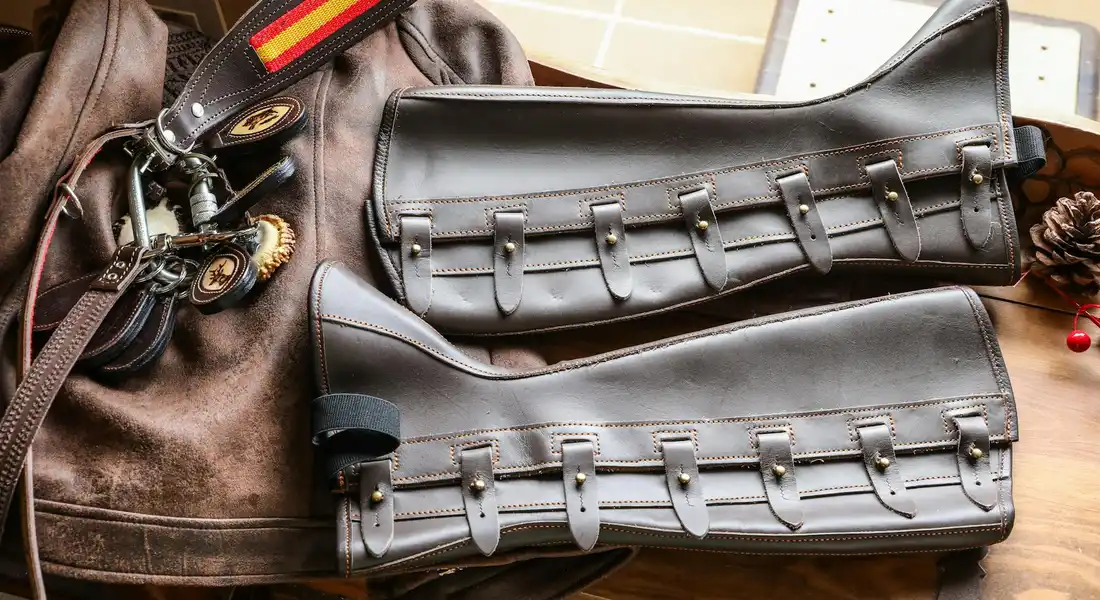
Getting the right number is simpler than teaching Pipin to stay out of the feed room, but it demands the same attention to detail. That care translates into knowing your horse’s measurement size, which informs every piece of equipment you choose. The most accurate tool for the job is a soft, flexible seamstress tape or a cloth measuring tape, which will contour to your horse’s body without digging in. Avoid rigid tools like a carpenter’s tape; they won’t give you the true circumference.
- Stress using a soft tape or cloth tape for accuracy, avoiding rigid tools.
- Guide on preparing the horse: ensure calm, square stance for reliable measurement.
Gathering Your Tools
You don’t need much, just a few items you likely have around the barn. Having everything ready before you approach your horse keeps the process smooth and low-stress for both of you. I always keep a dedicated tape on my tack room hook after a few frantic searches.
- Flexible measuring tape
- A helper for a fidgety horse (very useful for a clever pony like Pipin)
- A notepad or your phone to jot down the number immediately
- No tape? Use a long piece of baling twine or string, mark where it meets, and measure that length against a ruler.
Step-by-Step Measurement Process
Find a quiet moment when your horse is relaxed and standing square on level ground. I often do this during quiet grooming time. Run your hand along their side to find the groove behind the elbow and withers-this is the heartgirth, where the girth will sit. This close, calm contact lays the foundation for a stronger bond, building trust one step at a time. Grooming this way also sets the tone for every training session to come.
- Hold the end of the tape behind the horse’s withers, then bring it down and around the barrel just behind the elbow, meeting back at the starting point.
- Keep the tape snug enough that it doesn’t sag, but loose enough that you can slip two fingers underneath it. Ensure it’s level all the way around.
- Note the measurement in inches or centimeters. Then, let the tape go slack, have your horse take a breath, and measure again. Do this three times and use the average.
Avoiding Common Pitfalls
Even small mistakes here can lead to a girth that pinches or slips. Always measure on the bare barrel, never over a saddle pad or saddle, as this adds false bulk. The thud of hooves on the aisle after a workout is your cue to wait-a “blown out” horse from exercise will have a temporarily larger measurement.
- Do not measure over any tack or clothing.
- Avoid letting the tape twist or droop; keep it parallel to the ground.
- Measure at rest, not when the horse is breathing heavily or bloated after a meal.
Choosing the Right Girth for Your Horse
Your measurement is your golden ticket, but it’s not the final girth length. Choosing based on your horse’s unique shape is more critical than choosing a fancy brand name. It’s the same principle when selecting a bit for your horse. A broad-chested Quarter Horse like Rusty and a finer-built Thoroughbred like Luna will need different fits, even with similar measurements.
- Relate girth length to the measurement taken, explaining standard size ranges.
- Advocate for fit over brand, considering horse anatomy like a broad chest or prominent withers.
Understanding Girth Sizes
Girths are sized by their total length. Your horse’s heartgirth measurement is larger because the saddle tree and billets take up space. The leather billets on your saddle provide several inches of adjustability, so you don’t need a perfect match. For English saddles, you typically choose a girth that is 10-15 inches shorter than your heartgirth measurement. To streamline this, a horse size height calculator can help you find your perfect match. It pairs height with girth data for a complete fit.
| Heartgirth Circumference (inches) | Recommended English Girth Length (inches) |
|---|---|
| 60 – 65 | 42 – 44 |
| 66 – 70 | 44 – 46 |
| 71 – 75 | 46 – 48 |
| 76 – 80 | 48 – 52 |
For Western cinches, the sizing is different and often corresponds more directly to the heartgirth measurement, so you may need to size up. Always check the manufacturer’s chart.
- Suggest sizing down for English tack or up for Western cinches based on saddle type.
Material Choices: Leather vs. Nylon
The classic creak of good leather is a sound I love, but it’s not the only option. Well-oiled leather is durable, molds to your horse over time, and is often kinder to sensitive skin, but it requires regular maintenance. Nylon or synthetic girths are affordable, easy to toss in the wash, and great for muddy trail rides or sweaty workouts.
- Leather: Durable, molds to the horse, traditional. Best for show or daily use with proper care.
- Nylon: Affordable, washable, and lightweight. Ideal for young horses, trail riding, or wet climates.
- For a sensitive soul like Luna, I always recommend a padded, anatomic girth that curves away from the elbow to prevent rubbing and pressure points.
Fitting the Girth to Your Saddle
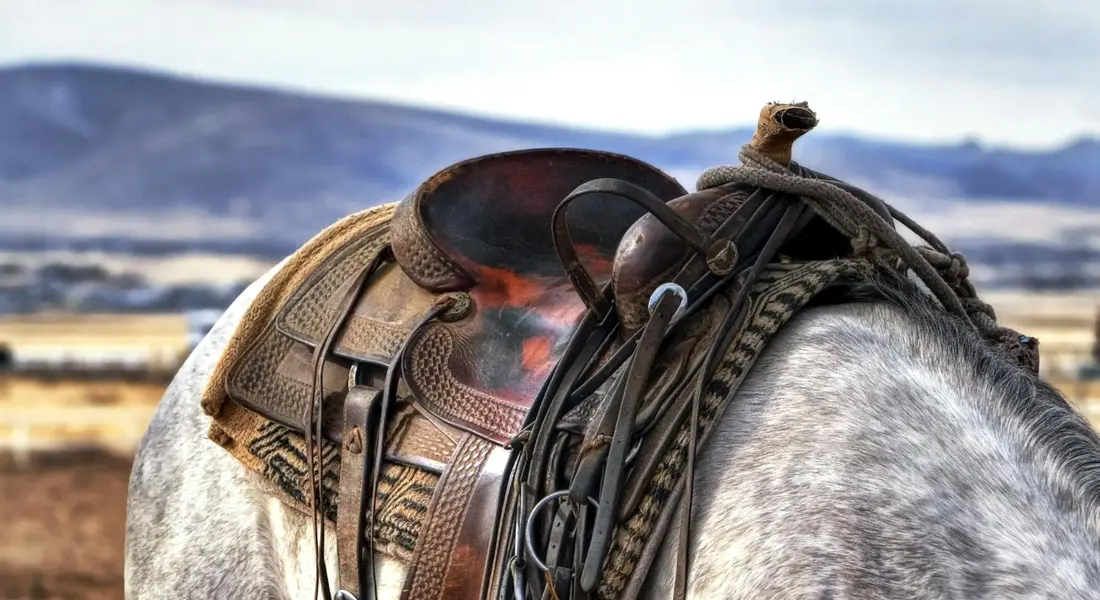
Attaching the girth starts with the billets-those leather straps dangling from your saddle. I always begin on the horse’s left side, threading the girth buckle onto the billet. Then I walk around to the right side and do the same. Check that both buckles are on the same billet holes; this keeps tension even and prevents the saddle from pulling sideways. An uneven buckle alignment is a fast track to a sore back and a cranky mount.
Once buckled, run your flat hand under the girth from front to back. You’re feeling for consistent contact. The gold standard is having about a finger’s width of space between the girth and your horse’s belly just behind the elbow. Too tight chafes, too loose lets the saddle roll. Also, look for pinching or wrinkling skin at the front near the withers or where the girth passes behind the leg – signs of a poorly fitting saddle.
Your girth can only do its job if the saddle fits. A poorly fitted saddle will create pressure points no girth can correct, often making the horse girthy or resistant. I learned this with Luna, my thoroughbred; her high withers required a specific saddle tree before any girth felt comfortable. Always assess saddle fit first.
Troubleshooting Girth Issues
Common girth problems often stem from simple, fixable issues. Here are the frequent offenders:
- Girth Galls: These raw spots come from dirt or sand trapped under the girth. It grinds like sandpaper with every stride.
- Slipping: If your saddle slides, the girth might be the wrong shape for your horse’s barrel or not tight enough.
- Horse Resistance: Pinning ears, swishing tails, or biting when cinching up screams discomfort.
Practical solutions are in your tack room. For sensitive skin, a soft fleece or neoprene girth sleeve can be a barrier. Always tighten the girth gradually, in stages, after you walk a few steps and before you mount. This gives the skin and muscles time to adjust. And never underestimate a clean girth; I scrub mine weekly to avoid grit.
Take it from our Shetland pony, Pipin. He was an escape artist, often found roaming with a loose girth. The culprit? A straight girth on a round pony body. We swapped to a curved, anatomic girth that followed his shape, and the midnight strolls stopped. The quiet thud of his hooves now stays securely in his stall.
Girth Care and Storage
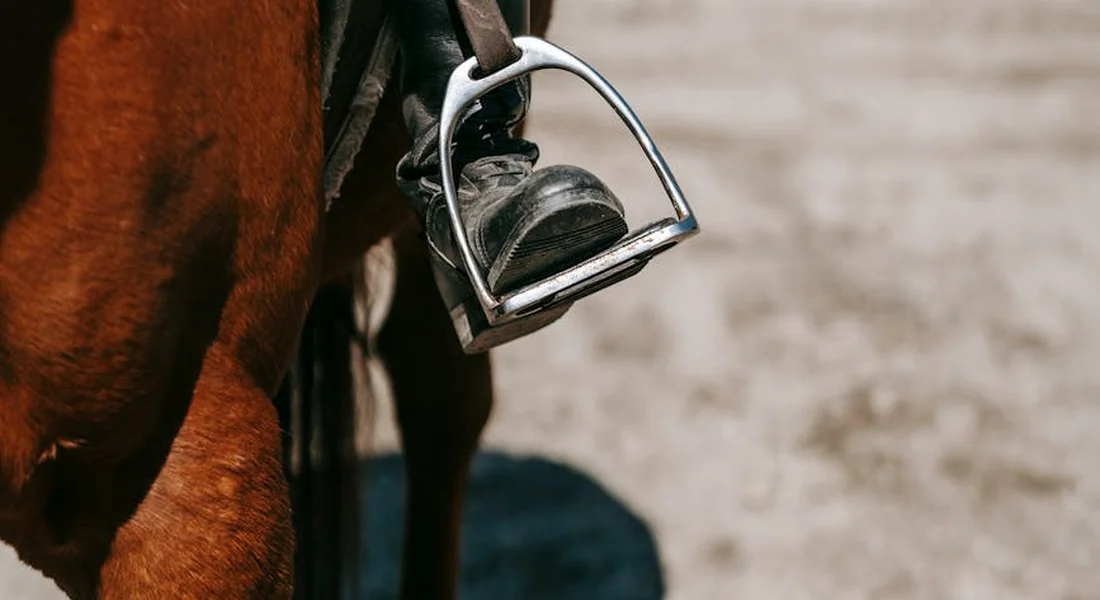
A grimy girth is more than just unsightly; it’s a sandpaper-like irritant waiting to chafe your horse’s skin. Regular cleaning is a non-negotiable act of preventive care that directly impacts your horse’s comfort and willingness to be saddled. I make it a habit to wipe down my girths after every ride, a quick ritual that pays off in the long run.
Your cleaning method depends entirely on the material. Here’s my straightforward, barn-tested approach:
- For Leather Girths: Use a damp sponge and a quality saddle soap. Work in a circular motion to lift dirt and sweat from the pores of the leather. Rinse the sponge frequently. Once clean and dry, follow up with a thin layer of leather conditioner to maintain suppleness. Never soak leather or use harsh soaps, as this dries it out and leads to cracking.
- For Synthetic/Nylon Girths: These are simpler. Use a mild detergent or a dedicated synthetic tack cleaner and warm water. Scrub with a soft brush, paying extra attention to the fuzzy underside that holds the most sweat and hair. Rinse thoroughly and hang to air dry completely.
- For Both Types: This is your prime opportunity to inspect for wear. Run your fingers along every stitch, feel for stiff or brittle spots on leather, and check for fraying threads or weakened elastic. Finding a problem here, in your hands, is far better than having it fail under saddle.
Proper storage extends your girth’s life by years. Always hang your girth flat over a wide rack or hook, never folded or crumpled in a tack trunk where it can develop permanent creases. Store it in a cool, dry place-dampness breeds mold on leather and mildew on synthetics. A tip I learned the hard way with Pipin, our escape artist: keep girths away from stable windows where morning condensation can sneak in.
This maintenance is the quiet core of gentle horsemanship. Presenting a clean, soft, well-kept girth is a tangible signal to your horse that you respect their body and are attentive to their comfort. Luna, my sensitive Thoroughbred, visibly settles quicker when I smooth a clean girth against her side, rather than a stiff, salty one. It’s a small act that builds immense trust, one ride at a time.
Frequently Asked Questions: What is a Girth on a Horse and How Do You Measure It?
What is the main purpose of a girth in horse tack?
A girth is a essential strap that cinches the saddle securely to the horse’s body. It ensures rider safety by preventing saddle slippage during movement and activities. Properly fitted, it helps distribute weight evenly to avoid discomfort and promote trust.
What are the key steps to accurately measure a horse for a girth?
Use a soft, flexible measuring tape around the horse’s barrel, just behind the elbow and withers, while the horse stands square on level ground. Keep the tape snug but allow space for two fingers underneath, and take multiple measurements to average. Always measure on the bare skin, avoiding times when the horse is bloated or breathing heavily after exercise. This is especially important when you measure a horse for a blanket.
How do I choose the correct girth size based on my horse’s measurement?
Subtract 10-15 inches from the heartgirth measurement for English saddles, as the saddle billets provide adjustability. Consult manufacturer sizing charts, as Western cinches may require a different conversion. Prioritize fit over brand, considering factors like your horse’s chest shape and sensitivity to prevent rubbing. Next, ensure the tack is properly fitted and adjusted for your horse. Properly fitted tack helps prevent rubs and promotes safety during rides.
The Final Cinch
A good girth fit starts with an accurate measurement and is confirmed by comfort; always check it before you mount and again after a few minutes of walking. Your horse’s quiet demeanor and smooth movement are the ultimate signs of a job well done.
Take your time with the process, and never rush tightening the girth-your horse will thank you for the consideration. The best piece of equipment you have is your own observation, so listen closely to what your horse is telling you.
Further Reading & Sources
- How to measure horse girth and buy the correct size | Horse & Hound
- Which size girth is right for you? – Horse Blog | The Saddle Bank
- Horse Girth Size Guide | Short & Long Girth Size Guide | Online for Equine – Online For Equine
- How to Measure Your Horse’s Girth
At Horse and Hay, we are passionate about providing expert guidance on all aspects of horse care, from nutrition to wellness. Our team of equine specialists and veterinarians offer trusted advice on the best foods, supplements, and practices to keep your horse healthy and thriving. Whether you're a seasoned rider or new to equine care, we provide valuable insights into feeding, grooming, and overall well-being to ensure your horse lives its happiest, healthiest life.
Equipment