
First Aid Kit Audit: A Checklist of 30 Must-Have Items for Your Barn
Hello fellow equestrians. That sudden lurch in your gut when you see a deep gash on a pastern or hear the ominous silence of a horse off his feed is all too familiar. The stress of an emergency is magnified tenfold when you’re digging through a bin of dusty, half-used supplies.
This guide is your solution. We will systematically audit your kit so you’re never caught unprepared. I will provide you with a definitive checklist focused on:
- Wound care fundamentals to stop bleeding and prevent infection
- Tools for assessing lameness and managing colic symptoms
- Practical organization hacks for lightning-fast access day or night
After years of barn management and training horses from the reliable to the highly strung, I’ve stocked and used these kits for everything from Pipin’s fence scrapes to Luna’s anxious moments.
Why Bother with a Barn First Aid Kit Audit?
You know that dusty blue tub on the shelf? The one labeled “First Aid” in faded marker? Let’s be honest, when was the last time you opened it? I’ll tell you my moment of truth. It was a rainy Tuesday, and Pipin, our clever Shetland, decided a loose fence wire was a toy. A small laceration on his pastern had me reaching for the kit, only to find the antiseptic was the consistency of syrup and the gauze packs had seen better days. An audit isn’t about paranoia; it’s the quiet confidence of knowing your tools are ready when the unexpected happens.
Horses are athletes of accident-prone grace. A kit with expired ointment or brittle wraps is just a box of false security. Regular checks ensure medications are potent and bandages are sterile. This simple act directly supports equine welfare-it means you can address a minor scrape before flies do, preventing infection and unnecessary stress. That readiness includes stocking essential horse medications and health products in your tack room. It keeps you prepared to address minor issues before they escalate. Your horse’s comfort and safety hinge on your preparedness, not just your good intentions.
Think about turnout, that essential time for their mind and body. Most of my emergency calls have come from the pasture. A well-stocked, audited kit by the gate means you’re not sprinting back to the tack room while Luna is bleeding. It’s a practical pillar of gentle horsemanship. Proactive care is the kindest care, and it starts with a kit you can actually use. A should-have horse first aid kit checklist can guide you to what truly belongs in that kit. It keeps you prepared and reduces guesswork in an emergency.
The Core 30: Your Must-Have Horse First Aid Items
This list isn’t theory. It’s what’s in my tack room right now, compiled from patching up everything from Rusty’s trail nicks to Luna’s sensitive skin reactions. Keep these items in a clean, waterproof tote, and check them every six months.
For Cleaning and Disinfecting
You can’t bandage dirt. Proper cleaning is the first and most critical step for healing.
- Sterile Saline Solution: For flushing eyes or wounds without stinging. I buy it in large liter bottles.
- Chlorhexidine Scrub (2%): My go-to for washing around wounds. Dilute as directed-it’s gentle but effective.
- Povidone-Iodine Solution: Useful for initial disinfecting. Note the color change; if it’s clear, it’s lost its punch.
- Soft, Clean Cloths or Gauze Sponges: For wiping away debris. I keep a stack of dedicated, lint-free rags.
- Mild Soap: A plain bar of castile soap is perfect for washing your hands or cleaning around a wound before applying antiseptic.
Bandaging and Wound Protection
The goal is to protect, cushion, and stay put. Listen for the satisfying thwick of vet wrap tearing.
- Non-Adherent Wound Pads (Telfa pads): These won’t stick to the healing flesh, a must for delicate new skin.
- Sterile Gauze Squares (4×4 inches): For padding and absorbing minor drainage.
- Conforming Gauze Roll: Holds the primary pad in place. It breathes and conforms to legs.
- Self-Adhesive Bandage (Vet Wrap): The workhorse. Provides pressure and support. Have multiple rolls in different colors.
- Sheet Cotton or Combine Roll: For serious leg padding over tendons. It’s the fluffy layer that prevents bows.
- Stable Bandages and Polos: For supporting legs or holding cold packs. Check for weak elastic during your audit.
- Elastic Adhesive Tape (Elastikon): For areas that need serious stick, like over a hoof or joint. It’s tough stuff.
Essential Tools and Instruments
These are the extensions of your hands. Keep them clean and dedicated to the kit.
- Blunt-Tip Bandage Scissors: Safe for cutting bandages off a fidgety horse. The curved tip slides safely underneath.
- Hemostats or Long Tweezers: For removing splinters or debris you can’t see with your fingers. Crucial for those pawing wounds.
- Digital Thermometer with a String: Know your horse’s normal. A quick temperature check tells you a lot. I lost one inside a patient once-the string is non-negotiable.
- Stethoscope: Listening to gut sounds can differentiate colic from mere bellyache. Practice on a healthy horse first.
- Sharp Pocket Knife or Multi-Tool: For cutting rope, trimming hair around a wound, or a hundred other barn tasks.
- High-Quality Hoof Pick: A clean hoof is the first step in assessing lameness. I keep one solely for the kit.
- LED Flashlight with Extra Batteries: For examining wounds in dark stalls or checking eyes. Test it during your audit.
Medications and Topicals
Always consult your vet before administering any medication, and know your horse’s allergies. Understanding common horse allergies—identification and management— helps you spot symptoms early and act quickly. These are for immediate care until professional help arrives.
- Triple Antibiotic Ointment: For minor, clean cuts. I use it sparingly on superficial scrapes.
- Veterinary-Prescribed Anti-Inflammatory Paste (e.g., Bute): Your vet can provide a tube for emergency use. Know the dose for your horse’s weight.
- Electrolyte Paste: For dehydration after a hot workout or a mild bout of sweating. Great for getting fluids in.
- Wound Hydrogel or Powder: Creates a moist healing environment for abrasions. I prefer the spray gels for easy application.
- Epsom Salts: For drawing out infections in hoof abscesses or making a soothing poultice. A bag lasts forever.
Emergency Extras and Information
This is the stuff that handles the situation beyond the wound.
- Vet’s Phone Number (Cell and Clinic): Program it into your phone, but also have it printed and taped inside the kit lid.
- Animal Poison Control Hotline Number: Have it ready. Some plants are too tempting, as Pipin regularly proves.
- Current Copies of Vaccination Records and Coggins: In a sealed plastic bag. Critical if you need to evacuate or transport.
- Human First Aid Kit: For you. Cuts, burns, and headaches happen while you’re playing medic.
- Roll of Duct Tape: The ultimate temporary fix for a loose bandage, a broken blanket strap, or securing a splint.
- Wire Cutters: For freeing a tangled leg from fencing. This has saved me more than once during turnout incidents.
How to Pack and Organize Your Kit for Quick Access
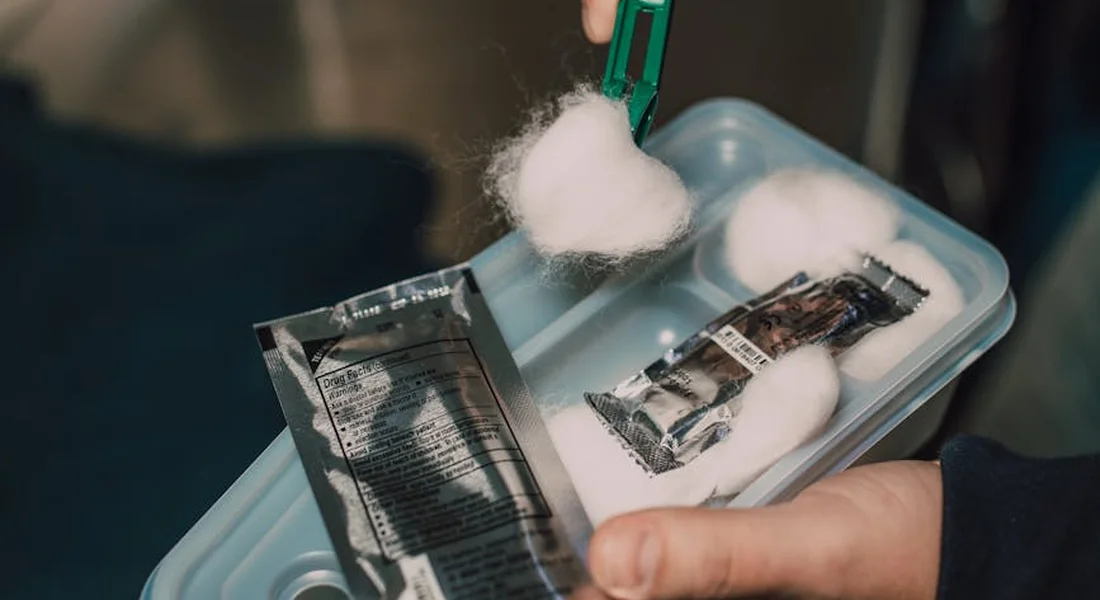
Finding a roll of vet wrap under a pile of saddle pads while your horse is bleeding is a special kind of barn panic. I keep our main kit in a bright red, hard-sided toolbox right by the feed room door. Store your kit in a consistent, high-traffic area everyone knows, and make sure it’s physically easy to carry to any stall or paddock. In an emergency, basic first aid before the vet arrives includes applying steady pressure to a bleeding wound and keeping the horse calm.
Use clear plastic bags or bins inside your main container to group like items. I use separate, labeled bags for wound care, leg care, and tools. When Luna sliced her fetlock on a gate hinge, I could grab the entire “wound care” bag and have gauze, antiseptic, and bandages in hand without fumbling.
- Category and Conquer: Group items by use: cleaning, bandaging, medications, tools.
- Label Everything: Use a permanent marker on bags or bins. For bottles, put a piece of tape on the side with the expiration date.
- Face Items Forward: Place all tubes and bottles with the labels facing out so you can read them at a glance.
- Top-Load Urgency: Put the most critical items for a bleeding wound-sterile gauze, pressure bandages, scissors-right on top.
- Schedule a Monthly “Coffee & Check” Date: Every first Sunday, I sit down with the kit and my coffee. I replace what’s used, check expiration dates, and ensure scissors are sharp and flashlights work.
A chaotic kit leads to delayed care. The thud of a hoof against a stall wall sounds much louder when you’re scrambling for supplies. Your goal is to make the kit so intuitive that even a frantic, halfway-to-tears boarder could find the nitrile gloves in the dark.
Beyond the Bandages: Special Supplies for Burns and Major Injuries
Basic wraps are for everyday bumps. Serious situations demand specialized tools. After a barn fire scare years ago, I realized my kit was woefully unprepared for burns. Specialized supplies aren’t for daily use, but having them can mean the difference between managing a crisis and watching it escalate while you wait for the vet. They complement basic care, like knowing how to properly wrap a horse’s hoof for protection.
For burns from friction, chemicals, or rare contact with hot surfaces, you need to cool and protect the tissue immediately. I keep a sterile water-based gel specifically for burns; it doesn’t trap heat like some ointments can. A roll of non-stick sterile pads is also non-negotiable for these injuries, as they won’t fuse to the raw skin.
- Burn Relief Gel: Look for a water-based, sterile veterinary formula. Do not use butter or home remedies.
- Sterile Eye Wash Pods: For chemical splashes or debris. You can use these to flush a wound in a pinch, too.
- Vet-Flex or Cohesive Bandage: This stretchy, self-adhering wrap is brilliant for holding non-stick pads on awkward areas like joints or the chest without tape.
- Triangle Bandage or Pillowcase: For creating a makeshift sling or covering a large area. I’ve used a clean pillowcase to cover a hip wound on Rusty while we walked calmly to the wash stall.
- Digital Thermometer with String: A “quick read” thermometer helps you monitor for shock or infection. Tie a string to it so it doesn’t disappear.
Major injuries require you to think about stabilization and transport. In a true emergency, your job is to provide safe, immediate care until the veterinarian arrives, not to perform heroics. I keep a thick, clean towel solely for applying firm, direct pressure to a heavily bleeding wound. It’s about having the right tool to do the simple, critical things well. The smell of fresh hay is comforting, but in a crisis, the sure feel of organized, ready supplies in your hands is what steadies your nerves. Also, prepare your horse for a safe, calm vet examination to help the vet assess injuries quickly and accurately. A little planning now—quiet handling and steady guidance—goes a long way toward a smooth exam.
Maintaining Your Kit: What to Check and When
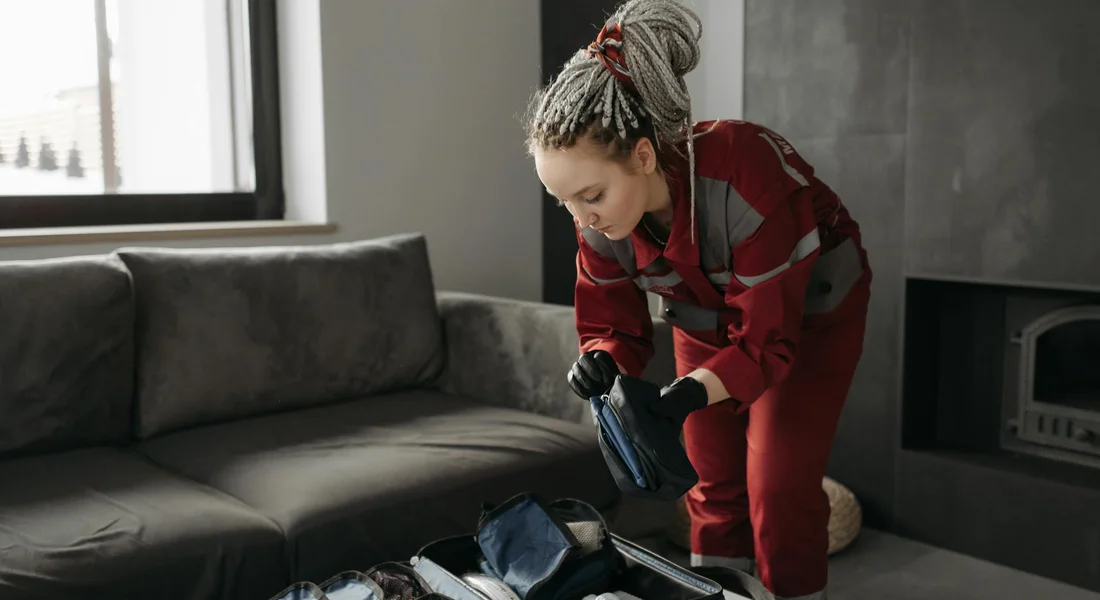
A first aid kit is not a “set it and forget it” item. A neglected kit is almost as bad as having no kit at all. You need a system. Schedule a formal audit of your entire kit every three months, without fail—tie it to the start of a new season, similar to how you would schedule maintenance for your grooming kit. The change in weather often brings new health concerns, making it the perfect prompt.
The Quarterly Deep Dive
Clear off a table and empty every bin and box. This is your chance to see what you actually have. My last audit revealed three nearly-empty iodine bottles and a hoof pick I thought Pipin had hidden for good.
- Check Expiry Dates: Toss anything expired. This is non-negotiable for medications, salves, and sterile items.
- Inspect Packaging: Look for torn wrappers on gauze, compromised seals on solutions, or bottles that have leaked.
- Test Equipment: Do the flashlight batteries work? Do the scissors cut? Is the thermometer’s display legible?
- Restock Depleted Items: Make a shopping list immediately. Don’t trust yourself to remember later.
The Post-Incident Check
After you use anything from the kit-whether for a scraped pastern or a case of colic-restock it that same day. The stress of an emergency is when you’re most likely to forget what you used up, guaranteeing it will be missing next time. I learned this after treating Luna for a minor wire cut and then facing a blank space where the vet wrap should have been a week later.
Location & Accessibility
Can you grab your kit with one hand in the dark? Is it in a central, dry location everyone knows? For first-time horse owners, having essential supplies gathered ahead of time is invaluable. It sets you up for smooth handling when every moment counts.
- Keep it in a waterproof, dustproof container. A plastic toolbox with a latch works perfectly.
- Post a clear, laminated list of contents inside the lid for quick reference.
- Ensure every person who handles horses knows its location. Walk your new boarders to it during your barn tour.
Seasonal Considerations
Your kit’s needs shift with the calendar. Rotate and adjust.
- Summer: Verify your electrolyte paste supply and fly repellent. Check that coolant gels haven’t separated.
- Winter: Ensure liquid medications haven’t frozen. Stock extra petroleum jelly for snowball prevention in hooves.
- Spring/Fall: This is often wound season from fresh legs and muddy, slippery ground. Audit your bandage materials thoroughly.
Finally, label everything clearly. In a panic, you don’t want to be squinting at tiny print or wondering which white powder is bute and which is a poultice. Use a permanent marker on the container or invest in a label maker. Your future, frantic self will thank you.
FAQ: First Aid Kit Audit for Your Barn
What are the key considerations for treating burns in horses compared to other wounds?
Burns require immediate cooling with water-based gels, not traditional ointments that trap heat. Always use non-stick sterile pads to protect delicate tissue and avoid adhesives that can cause further damage. Severe burns need rapid veterinary assessment due to risks of shock or infection.
Should ice be applied directly to a burn on a horse?
Direct ice application is not advised, as it can constrict blood vessels and deepen tissue injury. Opt for cool running water or a veterinary-approved burn gel to gently lower the skin temperature. Always follow up with your vet, as burns may require specialized care beyond initial first aid.
What specific items should be included in a barn’s burn first aid kit?
Essential items are sterile water-based burn gel and non-adherent wound pads for safe dressing. Add sterile eye wash pods for chemical splashes and a cohesive bandage like Vet-Flex to secure coverings without tape. Ensure these are stored with your vet’s contact information and restocked after use.
Rest Easy Knowing You’re Prepared
Treat this list as a living document, checking and refreshing supplies every few months. The most vital item in your kit isn’t a product at all; it’s the practiced habit of using your checklist before an emergency ever happens.
Your calm, prepared hands are the best medicine your horse can receive in a crisis. Trust that instinct when it whispers, and let your well-stocked kit handle the rest. Being a calm and assertive leader is essential in managing any stressful situation with your horse.
Further Reading & Sources
- Horse First Aid Kit Essentials: What Every Equestrian Should Have on H – Farm House Tack
- Make a First Aid Kit | Supplies & Contents | American Red Cross
- First Aid Kits for Horses and Riders – Horse Illustrated
- The Top 10 Items You Need In Your Barn First Aid Kit – Budget Equestrian
At Horse and Hay, we are passionate about providing expert guidance on all aspects of horse care, from nutrition to wellness. Our team of equine specialists and veterinarians offer trusted advice on the best foods, supplements, and practices to keep your horse healthy and thriving. Whether you're a seasoned rider or new to equine care, we provide valuable insights into feeding, grooming, and overall well-being to ensure your horse lives its happiest, healthiest life.
Health