
Horse Housing Requirements: Building Safe Stalls and Pastures for Every Size and Breed
Published on: April 9, 2026 | Last Updated: April 9, 2026
Written By: Henry Wellington
Hello fellow stall muckers and pasture planners. Does the thought of your big horse getting cast in a tight stall make you wince, or does your clever pony’s latest escape artist routine have you sighing? I’ve felt that same knot in my stomach, watching a horse struggle with a space that just doesn’t fit.
Getting housing wrong costs more than money in vet bills; it chips away at your horse’s mind and body. Proper housing is the silent foundation of equine welfare, preventing injuries and soothing behavioral issues born from stress.
We’ll tackle this together. I’ll show you how to measure for comfort, not just convention, covering the exact stall dimensions needed from draft horses to minis, how to calculate turnout acreage for different breeds and temperaments, and why the right shelter design matters more than you think.
My advice comes from years of barn management, fitting stalls for everything from my solid Quarter Horse Rusty to my flighty Thoroughbred Luna, and outsmarting my Shetland pony Pipin’s housing Houdini acts more than once.
The Foundation: Why One Size Doesn’t Fit All
Think about your own closet. You wouldn’t wear the same boots as your friend if your feet were two sizes different. A horse’s stall is their bedroom, dining room, and sometimes their entire living room for hours. Giving Pipin the Shetland a 12×12 box designed for a Thoroughbred like Luna isn’t kindness-it’s a hazard. He could easily get cast or develop stall vices from the stress of too much empty space. Proper housing starts by matching the space to the individual animal, not the other way around.
How Breed and Size Dictate Needs
Breed isn’t just about looks; it’s a blueprint for behavior and physiology. My sensitive Thoroughbred, Luna, paces when confined. She needs a stall that lets her see her buddies and a design that prevents injury from her nervous energy. Contrast that with Rusty, my steady Quarter Horse. He’s more likely to nap than pace, but his broader build means he needs wider doorways and stronger walls. Your horse’s breed gives you the first major clue about their mental and physical space requirements.
Key Factors to Consider
Beyond the tape measure, ask yourself these questions about your horse. Their answers change everything.
- Energy Level: A high-strung horse needs visual access and a safer environment to prevent weaving or cribbing.
- Body Mass: A draft cross doesn’t just need more square feet; they need heavier gauge hardware on doors and feeders.
- Pasture Habits: Is your horse a messy drinker or a dramatic feeder? Waterproof stall kickboards and rubber mats become non-negotiable.
- Social Temperament: A herd-bound horse stuck in an interior stall without a window will call incessantly, stressing everyone out.
I learned this with Pipin. His clever pony brain figured out standard latches in a heartbeat. His stall now has a double-safe bolt system, a simple fix for a major escape risk. Anticipating these needs is the core of preventative, gentle care.
Stall Size and Dimensions: From Ponies to Drafts
The rule of thumb is simple: a horse must be able to lie down, get up, and turn around comfortably without rubbing on walls. Hearing the soft thud of a horse rolling in deep shavings is a sound of contentment. Cramping them prevents this natural behavior and invites stiffness. Always err on the side of more space, especially if indoor time exceeds a few hours.
Minimum Stall Dimensions by Category
These are minimums. For horses spending significant time inside, add at least two feet in each direction where you can. Use these guidelines as your starting point.
For Ponies and Miniature Horses
Ponies are sturdy, but they’re not dogs. A 10×10 stall is often quoted, but for a clever, active type like Pipin, I prefer 10×12. The extra length lets him move more freely and place his hay pile away from his sleeping area, mimicking natural grazing separation. Preventing boredom in compact spaces is critical for pony welfare.
For Light Horse Breeds
This category includes your Quarter Horses, Thoroughbreds, Arabs, and similar sizes. The classic 12×12 stall is the standard for a reason-it works for most. For a taller, leggier horse like Luna (who stands over 16 hands), I push for a 12×14 or even a 14×14. The ability to fully stretch out while lying down aids circulation and reduces the risk of stocking up. That extra foot or two can be the difference between a restful night and a stiff one.
For Draft Horses and Large Warmbloods
Think big, then go bigger. A 12×12 for a draft is like a human living in a walk-in closet. Absolute minimums start at 14×14, with 16×16 being a far kinder norm. I once helped retrofit a stall for a Belgian mare; the sheer scale of her peaceful presence in a properly sized space was proof enough. Their immense power demands a stall built with heavier materials and far greater square footage for safety and comfort.
Critical Stall Features Beyond Square Footage
Dimensions get the spotlight, but the devil is in the details. A giant, poorly designed stall is still a prison.
- Ventilation: Stale air smells like ammonia and breeds respiratory issues. A window, grill, or Dutch door that opens to fresh air is mandatory. Good airflow is a silent health guardian.
- Flooring: Concrete is brutal on joints. A combination of compacted stone dust topped with interlocking rubber mats provides cushion and drainage. The mats should be sealed at the edges to prevent urine seepage.
- Doorways: Width matters! A standard 4-foot doorway can scrape the hips of a wide-bodied gelding like Rusty. Aim for a 4.5 to 5-foot wide opening with sliding or outward-swinging doors.
- Wall Height & Safety: Solid walls to about 4 feet high prevent leg injuries, but the upper half should be open grillwork or sturdy mesh. This allows horses to see each other, satisfying their social curiosity and reducing stress-related behaviors.
Your goal is to create a space that feels secure and open, not isolated and confined. The quiet nicker you hear when your horse sees you coming down the aisle? That’s the sound of a home, not just a holding pen.
Bedding and Flooring for Comfort and Health
Choosing the Right Bedding Material
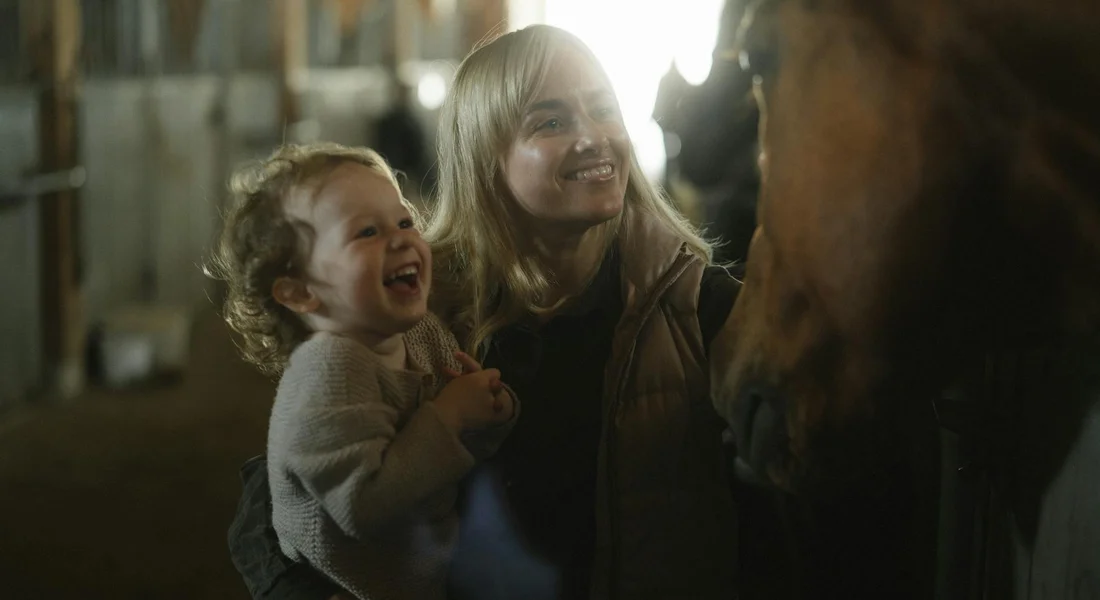
The rustle of fresh bedding underfoot is one of the stable’s great comforts, but your choice does more than just look nice. It directly impacts your horse’s respiratory health, joint comfort, and even their willingness to lie down and rest. I learned this the hard way when Luna developed a cough from dusty straw; we switched to low-dust pine shavings and saw an improvement within a week.
Your main options are straw, wood shavings, and wood pellets. Straw is traditional and inexpensive, but it can be dusty, moldy, and isn’t very absorbent. For most horses, I recommend a deep layer of kiln-dried wood shavings-they provide excellent cushion, absorb moisture well, and keep dust to a minimum. Wood pellets are another favorite; they expand when wet, creating a soft, absorbent mat that’s easy to muck out.
Consider your horse’s specific needs when choosing: Selecting the right bedding material for a horse stable can make all the difference.
- For older or arthritic horses like Rusty: A deep, soft bed is non-negotiable. It encourages them to lie down for proper REM sleep and cushions those aging joints.
- For sensitive or allergic horses like Luna: Avoid all dusty materials. Kiln-dried shavings or pellets are your best bet.
- For clever ponies like Pipin: Some beddings can be eaten. If your pony is a gourmand, choose a less palatable option like certain wood shavings to prevent impaction colic.
Flooring Fundamentals and Stall Mats
Beneath all that bedding, the stall floor is your foundation. A bad floor can lead to dampness, hoof problems, and increased bedding costs. The ideal base is well-draining clay or gravel, crowned so urine flows away. Concrete alone is too hard and cold; it’s a fast track to swollen legs and sore feet.
This is where stall mats become a game-changer. They provide a critical layer of insulation and cushion. Installing high-density rubber mats over a level base can reduce your bedding use by half and protect your horse from the hard, unforgiving ground. When we outfitted Rusty’s stall with interlocking mats, the difference was audible-the dull thud of him lying down became a softer, more comfortable sound.
Here’s a quick rundown on mat installation:
- Start with a perfectly level and compacted base of stone dust or sand.
- Lay the mats tightly together, using manufacturer-recommended seams.
- Weight them down with bedding for a few days to let them settle fully.
A proper floor system isn’t a luxury; it’s a core component of preventative care for tendons and hooves.
Pasture and Turnout: Space for Natural Behaviors
Calculating Adequate Pasture Space Per Horse
There’s no sweeter sound than horses grazing on grass, but cramming them into a small lot creates mud, parasites, and conflict. Space isn’t just about acreage; it’s about quality and management. The old rule of “two acres per horse” is a starting point, but breed and energy level demand more nuance.
A steady Quarter Horse like Rusty might do well on that, but a Thoroughbred like Luna needs room to really move and blow off steam. For healthy pasture that won’t turn into a dust bowl or a bog, I plan for at least 1.5 to 2 acres per 1,000-pound horse as a bare minimum in my climate. For ponies, don’t be fooled by their size; Pipin needs just as much space relative to his body to avoid obesity and boredom.
Use this simple checklist to assess your pasture space:
- Forage Quality: Is there enough grass, or are they standing in dirt?
- Drainage: Does water pool, creating muddy, hazardous areas?
- Shelter: Is there natural or man-made cover from sun and wind?
- Footing: Is the ground firm and free of holes or rocks?
Turnout Schedules and Social Herd Dynamics
Turnout isn’t a privilege; it’s a physiological need. Horses are designed to move almost constantly, and denying that leads to ulcers, stiffness, and behavioral vices. Every horse, from the seasoned trail vet to the feisty pony, deserves daily time outside their stall.
Aim for a minimum of 12 hours of turnout daily, if weather and facilities allow. 24/7 turnout with a herd is the gold standard for mental and physical health, mimicking their natural grazing and social rhythms. I structure Luna’s high-strung energy with all-day turnout, which has done more for her focus than any training session alone.
Social dynamics are crucial. Horses are herd animals and need companionship. Introducing a new horse requires a slow, careful process:
Shelter and Protection from the Elements
A good shelter isn’t just a luxury; it’s a buffer against weather’s physical and mental stress. Your horse needs a place to escape the midday sun, driving rain, and biting wind. Think of it as a retreat, not a permanent holding cell-horses are healthiest when they can choose to be in or out. That choice is easier when you build a safe shelter that provides shade for your horse. A well-planned shelter isn’t just an enclosure—it’s protection you can count on during hot days. I’ve watched Luna pace anxiously in a stuffy stall on a stormy day, but the moment I slid her door open to a covered paddock, she sighed, took a position just under the roof edge to watch the rain, and visibly relaxed.
Designing Effective Outdoor Shelter
A run-in shed is the gold standard for turnout areas. Its success hinges on location and orientation. Face the opening away from the prevailing wind—for us, that’s a northwest opening. Ensure the roof is high enough (at least 12 feet) and the overhang deep enough to keep rain from blowing inside. A common mistake is building a shelter that’s too small; dominant horses will block the entrance, leaving more timid ones out in the cold. For two horses, aim for a minimum of 12×24 feet. The footing inside should be well-drained, often using stone dust or heavy-use gravel topped with sand or wood chips to keep it dry and comfortable.
- Windbreaks: Solid walls on three sides are best, but properly spaced board walls or dense tree lines can also break the wind without creating a wind tunnel.
- Pasture Placement: Don’t tuck the shelter in the farthest corner. Horses are less likely to use it if it’s away from their normal traffic patterns and water source.
- Maintenance: Check for low, sharp nails, rotting boards, or raised dirt floors weekly. A leaning shed is a dangerous shed.
Indoor Barn Shelter and Ventilation
Stalls are for temporary confinement, not 24/7 living. The single most critical element is air flow. Stagnant air is a soup of dust, mold spores, and ammonia that damages equine lungs. You should always smell more hay than ammonia when you walk down the aisle; if your eyes water, your horse’s lungs are burning. I keep Rusty’s stall window open year-round, with a guard grill, unless a hurricane is blowing through.
A 12×12 stall is the standard minimum for a 1,000-pound horse, but larger breeds and drafts need 12×16 or bigger. The goal is enough space to lie down and get up comfortably without rolling into a wall. Rubber mats over a leveled, drained base are non-negotiable for leg and hoof health-they reduce bedding needs by half and provide crucial cushion. Thinking ahead, a comparison of the best stall flooring materials can help you weigh durability and maintenance. It guides choosing the right surface for long-term hoof health and cleanliness.
- Ventilation Systems: Open windows, Dutch doors, and ridge vents are passive and effective. Fans should move air, not blow directly on a horse.
- Lighting: Ample natural light reduces stress and supports their circadian rhythm. Mimic natural day/night cycles with timed lights.
- Fire Safety: Use metal buckets, store nothing flammable in the loft, and have clearly marked exits. Your barn should have multiple escape routes for you and your horses.
Fencing and Safety: Keeping Your Horse Secure
Good fencing is psychology and physics. It needs to be both visible and yielding enough to prevent catastrophic injury, yet secure enough to discourage testing. The thud of a body hitting a fence is a sound you never forget; it’s why I am fanatical about flexible, highly visible barriers. Pippin the Shetland is a fencing Houdini who taught me that if a pony can get its head through, its body will follow.
Comparing Safe Fencing Materials
| Material | Best For | Key Considerations |
|---|---|---|
| Wood (Plank or Rail) | Perimeter fencing, picturesque settings. | Requires constant maintenance (painting, checking for rot/splinters). Ensure no nails are protruding. A kicked plank can break sharply. |
| PVC/Vinyl | Low-maintenance appearance, easy cleaning. | Can become brittle in extreme cold and shatter. It must have wooden or metal posts for strength, as vinyl alone is too flexible. |
| Mesh (Poly-coated or V-mesh) | Small hooves (foals, minis), high-visibility barriers. | Choose a small mesh size (no larger than 2″x4″) to prevent hooves from trapping. Must be installed with proper tension. |
| Electric Tape/Rope | Internal paddocks, temporary divisions, teaching boundaries. | Absolutely requires a consistent, powerful charger and regular weed-whacking under the line. It’s a psychological, not physical, barrier. |
Regular Safety Inspection Routines
Walk your fence lines with your hands and eyes. Do this weekly, and after every major storm or high-wind event.
- Look for Leaning Posts: Rock them back and forth. A loose post compromises an entire section.
- Check for Protusions: Run your hand along rails and posts. Feel for loose nails, screws, or sharp wire ends. These cause horrific lacerations.
- Inspect Ground Clearance: Ensure no gap exists at the bottom where a horse could get a hoof stuck, or a Pippin could roll under. Adjust as the ground settles or erodes.
- Test Electric Systems: Use a fence tester. Overgrown grass, a broken insulator, or a weak battery renders the system useless.
- Search for “Chew Points”: Horses like Luna who crib will target wooden rails. Apply a safe, bitter anti-cribbing paint or protect boards with metal stripping.
This walk isn’t a chore; it’s a quiet moment of stewardship that directly prevents emergencies. I once found a single loose staple ready to snag a blanket or hide because my sleeve caught on it. That walk saved someone a vet bill and a lot of pain.
Water, Feed, and Manure Management
Ensuring Constant, Clean Water Access
I learned the hard way with old Rusty that a horse’s water intake is the first domino in their health. A dehydrated horse eats less, colics easier, and just feels miserable. You cannot just fill a bucket and call it good for three days.
A horse needs fresh, clean water available every single hour of the day, and your job is to make that access foolproof. Automatic waterers are fantastic for constant supply, but you must check them daily—not just for function, but to ensure your horse is actually using them. Some, like my sensitive Luna, are suspicious of the quiet hum they make, so sometimes traditional buckets are a better choice.
In winter, the dreaded ice is your enemy. Heated buckets or tank de-icers are non-negotiable investments. That satisfying *crack* of ice you break each morning is a sign you’re already behind. A horse will not drink nearly enough icy water, setting them up for impaction. In summer, algae and mosquitoes move in fast. A quick scrub with vinegar and water a few times a week keeps tanks clean without harsh chemicals.
Smart Feed Storage Solutions
Feed rooms attract every critter on the property, from clever mice to determined raccoons. I once found Pipin the pony with his head in a grain bag he’d somehow tip-toed into; the chaos that followed was a potent lesson in security.
Invest in heavy, sealable bins-metal is best-for every type of feed, supplement, and treat you own. Label them clearly. This does more than deter pests; it prevents a barn hand from accidentally giving a senior feed meant for aching joints to your high-octane Thoroughbred.
Organize your feed room like a kitchen pantry. Keep scoops inside their respective bins to avoid cross-contamination. Store medications and supplements separately, away from heat and moisture. A simple, clipboard-mounted whiteboard outside the door noting each horse’s daily ration cuts down on mistakes during feeding time.
Efficient Manure Management Systems
The manure pile is the heartbeat of your operation. A mismanaged one is a fly-filled, smelly nuisance. A well-managed one can become a resource. First, location is key. Place it downwind of barns and houses, on a well-drained pad if possible.
Commit to a daily mucking schedule; skipping even one day lets ammonia fumes build up and invites pests. I use a simple three-wheel cart that’s easy to haul, dump, and hose out. The goal is to remove waste from the stall and paddock efficiently, not to make a back-breaking chore of it.
For many farms, composting is the gold standard. Turning the pile regularly with a tractor speeds decomposition, kills parasites and weed seeds, and creates fantastic fertilizer. If that’s not feasible, arrange for regular pickup by a local removal service. A tidy, managed manure system is a hallmark of a professional, healthy barn.
Social Needs and Behavioral Considerations
Housing Design for Healthy Herd Interaction
Horses are not solitary animals. Stalling them without contact is like putting you in a soundproof room-it breeds anxiety. Your facility’s layout must allow for seeing, smelling, and safely touching other horses.
Design stalls with grilled fronts or high, safe windows that let horses view the barn aisle and each other. Luna, my Thoroughbred, settles instantly when she can see calm Rusty across the way. For run-outs or paddocks, use safe fencing like mesh or board with gaps too small for a hoof to catch. Avoid creating tight corners where a subordinate horse could be trapped.
Pasture buddies are vital. Horses are social animals, and their need for companions is shaped by herd dynamics. This insight helps you pair them for harmony. Pair horses thoughtfully by temperament. The goal is calm coexistence, not forced friendship. Sometimes a shared fence line for mutual grooming is all they need. Always provide multiple hay piles and water sources to prevent bullying over resources.
Preventing and Managing Stall Vices
Wood chewing, weaving, cribbing-these behaviors scream that a horse’s needs aren’t being met. They are almost always born from boredom, stress, or lack of forage. Punishment is never the answer; environmental change is.
The single best preventative for stall vices is maximizing turnout time with a herd and ensuring near-constant access to forage. A horse’s stomach is designed to graze for up to 18 hours a day. When we stick them in a barren stall, we create a vacuum their instincts fill with nervous habits.
If longer turnout isn’t possible, get creative inside. Slow-feed hay nets dramatically extend chewing time. Secure a salt lick or a few horse-safe toys for investigation. For the chronic wood chewer, a taste deterrent on boards can help, but address the root cause first. A tired, socially-satisfied, and constantly nibbling horse is a quiet horse.
Frequently Asked Questions: Horse Housing Requirements by Size and Breed
My horse is very tall but thin. Should I use the dimensions for a light horse or something larger?
Base your stall size on the horse’s length and height, not just weight. A tall, narrow horse needs extra length to lie down and stretch out fully without being cramped. Prioritize stall length (e.g., 12×14 or 14×14) over width to accommodate their frame and promote restful sleep. Proper dimensions for a horse stall are crucial for their comfort and well-being.
Can I house different sized horses together in the same pasture, and how does that affect the space needed?
Yes, you can pasture different sizes together, but you must calculate space for the largest breed’s requirement and monitor herd dynamics. Ensure there are multiple, widely spaced resources like hay piles and water troughs to prevent bullying. The total acreage should be based on the sum of each horse’s individual needs, not just an average. Generally, plan for about 1-2 acres per horse, depending on forage quality and climate. This gives you a practical sense of how much pasture land you need per horse.
Why is turning radius specifically important in stall design, and how do I ensure it’s adequate?
A proper turning radius prevents a horse from getting cast or injured while maneuvering in a confined space. The stall should allow the horse to turn around in a fluid, circular motion without banging its hips or shoulders on the walls. The minimum square dimensions provided in the article inherently ensure this, but rounding corners or opting for a wider stall can further improve safety.
Stable Wisdom for a Happy Horse
Always tailor stall size and paddock space to your horse’s build and breed tendencies. Nothing replaces consistent, generous turnout-it is the non-negotiable foundation for sound limbs and a calm mind.
Approach setup changes with a watchful eye and a commitment to safety. Your horse’s relaxed demeanor and willing movement will tell you when their home is just right.
Further Reading & Sources
- Housing for Horses : Crops, Dairy, Livestock and Equine : Center for Agriculture, Food, and the Environment (CAFE) at UMass Amherst
- Behavioral Considerations When Housing Horses – MSU Extension
- Housing Your Pleasure Horse – MSU Extension
- Basic Horse Care – Snohomish Conservation District
At Horse and Hay, we are passionate about providing expert guidance on all aspects of horse care, from nutrition to wellness. Our team of equine specialists and veterinarians offer trusted advice on the best foods, supplements, and practices to keep your horse healthy and thriving. Whether you're a seasoned rider or new to equine care, we provide valuable insights into feeding, grooming, and overall well-being to ensure your horse lives its happiest, healthiest life.
Stable Management