
How Much Does a Clydesdale Horse Cost? (Purchase Price and Ongoing Expenses)
Published on: July 7, 2026 | Last Updated: July 7, 2026
Written By: Henry Wellington
Hello fellow equestrians! Dreaming of a Clydesdale’s feathery feet in your barn but worried your budget might not be as sturdy as their legs? That sharp intake of breath when you think about feed bills and farrier visits is perfectly normal-owning a draft horse is a significant financial commitment.
Let’s saddle up and look at the real numbers, from that first breathtaking price tag to the yearly costs that keep them healthy and happy. We will walk through the key factors that swing the purchase price, the undeniable reality of their grocery bill, specialized veterinary and hoof care, draft-sized tack and gear, and the often-overlooked daily upkeep expenses.
I’ve penciled these costs into real barn ledgers for years, caring for everything from fine-boned show horses to my own hearty draft crosses.
The Initial Investment: Understanding Clydesdale Purchase Prices
Let’s talk real numbers. The first check you write is just the beginning, but it’s a big one. I remember driving hours to see a “steal” of a Clydesdale, only to find a sweet giant with chronically sore feet from poor hoof care-that bargain price would have vanished into vet bills. Always budget for a pre-purchase veterinary exam; it’s your best defense against buying a heartache wrapped in feathers. To give you a snapshot of the market, here’s a ballpark table of what you might expect to see advertised.
| Category | General Price Range |
| Foals (Weanlings/Yearlings) | $1,500 – $4,000 |
| Untrained Youngsters (2-4 years) | $3,000 – $7,000 |
| Trained Geldings/Mares (Riding or Driving) | $5,000 – $20,000+ |
| Proven Breeding Stock | $10,000 – $30,000+ |
Prices below these ranges should make your spidey-senses tingle. A too-cheap draft often comes with hidden costs like lameness, behavioral issues from inconsistent handling, or a digestive system wrecked by improper feed. That pre-purchase exam is non-negotiable, especially for a horse that can weigh over a ton-their size magnifies every health problem.
Clydesdale Horse Price Ranges: From Foal to Finished Horse
Drilling down, these ranges are shaped by what the horse knows and how much work they are ready to do for you. Coat color-bay, black, roan-is a personal preference but rarely jacks up the price on its own.
- Weanling/Yearling ($2,000 – $5,000): You’re paying for pedigree and potential. This is a long-term project requiring years of patience, quality feed, and expert handling.
- Green-Broke Project ($3,500 – $8,000): This horse has been saddled or harnessed but is far from finished. Perfect for an experienced trainer, but a daunting money pit for a novice.
- Trained Pleasure Horse ($5,000 – $15,000): My gelding Rusty falls here-a reliable, quiet soul good for trails and light work. This is the sweet spot for most owners wanting a partner, not a project.
- Finished Show or Driving Horse ($12,000 – $25,000+): Specialized training for the ring or complex harness work commands a premium. They’re the polished professionals of the draft world.
Investing in a trained horse is cheaper than paying a professional to fix problems or instill basics you don’t have the skills to teach, especially considering how much horse training and lessons can really cost.
Where to Find a Clydesdale for Sale
Finding your giant isn’t hard, but finding a sound one in good conscience takes legwork. Start with breed purity and ethics.
- Reputable Breeders: The gold standard. They prioritize conformation and temperament, and they’ll be a resource for life.
- Draft Horse Associations: Groups like the Clydesdale Breeders of the U.S. have sale listings. The community vetting here is invaluable.
- Online Classifieds (With Caution): Sites like DreamHorse or EquineNow can have gems, but I’ve seen too many glossy photos hide a dull coat and sad eyes. Proceed with skepticism.
- Draft Horse Rescues: An honorable route. These horses often need rehab, but giving one a soft landing is incredibly rewarding. They teach you about gentle horsemanship every day.
Vetting a seller is a step-by-step process. First, ask for clear videos of the horse moving at a walk, trot, and canter on hard ground. Second, request complete health records, including deworming and farrier history. Third, have a candid phone call-ask why they’re selling. A trustworthy seller won’t hesitate to show you the horse’s flaws over a stable door cluttered with trophies.
What Drives the Price Tag? Key Factors in Buying a Clydesdale
Think of it like buying a vehicle. A well-started Clydesdale is a reliable, four-wheel-drive truck-it costs more upfront but saves you on costly “repairs” like training and vet care later. Age, training, pedigree, and even your zip code pull the price lever. It’s important to consider what you need from the horse before making a purchase, as not all Clydesdales are suited for every riding or work situation.
Location matters: prices in the Midwest’s draft heartland can be softer than on the coasts, but remember to factor in hefty transport costs for your gentle giant. I once passed on a lovely mare because shipping her would have cost as much as her vet check for the first year.
Age and Training: The Biggest Cost Determinants
A quiet, traffic-safe trail horse like my old buddy Rusty costs more than a green project because someone has invested hundreds of hours. That training isn’t just about riding; it’s about teaching a massive animal to be polite for the farrier, load in a trailer, and stand quietly while you fumble with a blanket clip.
- Basic Ground Manners: A must. A horse that leads, ties, and picks up its feet safely is worth every extra penny.
- Under-Saddle or In-Harness Training: Specific skills add value. A horse who knows voice commands for driving or won’t spook at a bicycle is a crafted tool.
Be brutally honest about your own skill level; buying a project beyond your means is a fast track to frustration and a potentially dangerous situation. Luna, my sensitive Thoroughbred, taught me that some horses need a seasoned rider-Clydesdales are gentle, but their size doesn’t forgive rookie mistakes.
Pedigree, Papers, and Conformation
Papers from a registry like the Clydesdale Horse Society can inflate price, especially with show-winning ancestors in the lineage. But papers don’t guarantee soundness. I’d take a well-built grade horse over a poorly conformed registered one any day.
Conformation-the physical structure-is where you must not compromise. Run your hands down those powerful legs. Look for straight, strong bone, not twists or bows. A short, strong back can carry weight better than a long, weak one. Good feet are the foundation; no pedigree is glamorous enough to offset chronic lameness from crummy hooves. Prioritize a horse built to last over one with a fancy name but questionable angles.
The Monthly Reality: Core Ongoing Costs of Owning a Clydesdale
Your monthly budget for a Clydesdale revolves around a few non-negotiable items. Feed will consistently be your largest line item, easily outstripping other costs if you’re not on lush pasture. I learned this quickly managing different appetites at my barn. My Thoroughbred, Luna, requires a precise grain mix to keep her energy balanced, while my Quarter Horse, Rusty, thrives on mostly hay. A Clydesdale combines both challenges: they need a massive volume of roughage plus concentrated calories to maintain their frame. Knowing how much alfalfa to feed is crucial for their diet.
- Feed (Hay, Grain, Supplements): The predictable giant.
- Board or Stable Fees: Shelter isn’t optional.
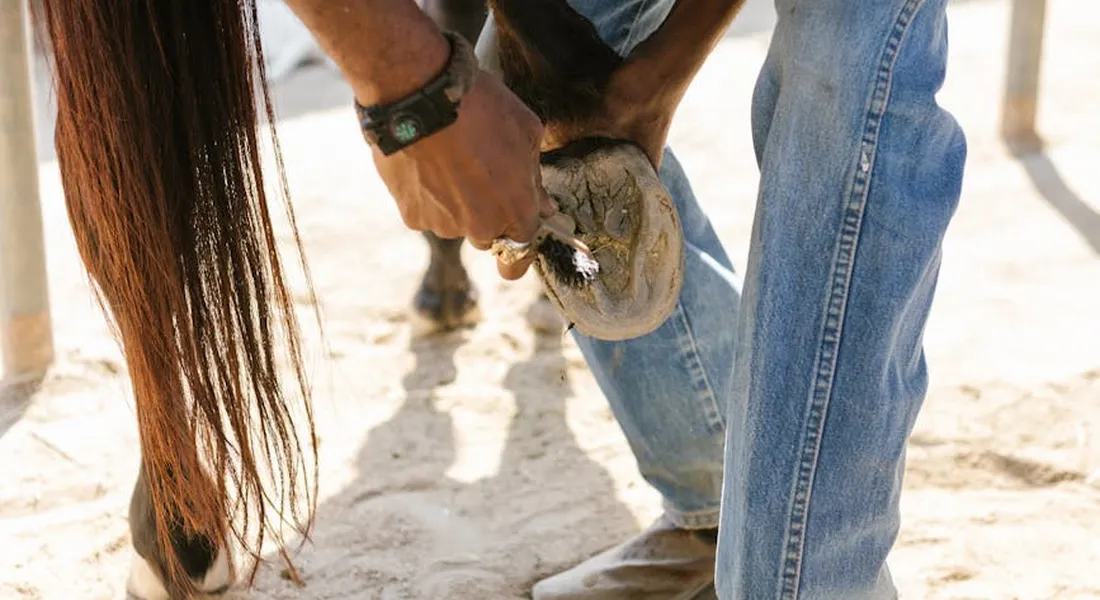
- Routine Hoof Care: Trimming every 6-8 weeks.
- Bedding: More stall means more shavings or straw.
- Basic Grooming Supplies: Think industrial-sized brushes and conditioner.
Feeding a Giant: Hay, Grain, and Supplement Costs
Let’s talk numbers. A 1,800-pound Clydesdale should eat roughly 2% of its body weight in forage daily. That’s 36 pounds of hay each day, or about a ton per month. At current prices, quality grass or alfalfa mix hay can cost $300 to $500 monthly for hay alone. If pasture is available, costs drop, but you need several acres of robust grass to support a draft horse without supplemental hay.
Grain adds another layer. Many Clydesdales in light work do well on a ration balancer or a few pounds of low-sugar feed daily, adding $50 to $100 monthly. Always prioritize long-stem hay over grain to keep their gut moving and prevent boredom. For joint support, supplements like glucosamine and chondroitin are common, but don’t just add them blindly. Assess your horse’s need based on stiffness after turnout or a vet’s recommendation during a wellness check.
Shelter and Stewardship: Boarding or Stabling Fees
Where your horse lives directly affects your wallet and their well-being. Full-care boarding, where the barn handles feed, turnout, and mucking, is the easiest but most expensive option, often ranging from $400 to $800 monthly for a draft-sized stall. Self-care boarding is cheaper, but you commit to daily chores and must ensure the facility has draft-safe fencing-think heavy-duty wood or mesh, not simple wire. Keeping a Clydesdale at home saves boarding fees but requires upfront investment in sturdy shelters and reliable fencing.
Daily turnout is non-negotiable for mental and physical health. A happy Clydesdale is one with room to roam, and a barn that offers ample pasture time is worth every penny for the sound mind it gives your horse. I’ve seen Pipin, our Shetland, teach every horse in the field the value of a good roll and a brisk trot; that freedom is priceless. A healthy exercise turnout schedule keeps that freedom balanced with purpose and steady fitness. It ensures each horse gets the right mix of movement and rest.
Annual and Unexpected Expenses: Vet Care, Farrier, and Insurance
Beyond monthly bills, annual costs and surprise events define true ownership. Start an emergency fund the day you buy your horse; aim to save $1,000 to $3,000 specifically for unexpected vet bills. A dedicated sinking-fund reserve for vet emergencies can protect your budget when costs spike. Automate small monthly deposits to grow it steadily. Here’s a simple step-by-step list for annual health maintenance to keep you on track:
- Schedule spring and fall veterinary visits for core vaccines.
- Book a yearly dental exam and float.
- Plan for farrier visits every 6-8 weeks on your calendar.
- Set aside a monthly amount for your emergency fund.
- Review insurance policies or savings goals annually.
Veterinary Care: Vaccinations, Dental, and Emergencies
Core vaccinations for diseases like Eastern/Western Encephalitis, Tetanus, and Rabies typically cost $150 to $300 annually. A dental float is critical for drafts, as their large teeth can develop sharp hooks quickly, costing $200 to $400 per session. Clydesdales can be prone to conditions like chronic progressive lymphedema or metabolic issues, so vigilant care is key. That emergency fund isn’t just for colic; it’s for pulled tendons, cuts on those feathered legs, or sudden lameness.
Hoof Care and Farrier Visits: A Critical Routine
Those dinner-plate hooves need regular attention. Expect a trim every 6 to 8 weeks, costing $50 to $80 per visit. If your Clydesdale is in driving or riding work, a full set of shoes can double or triple that cost, easily reaching $200 or more. To avoid common problems, make hoof picking a daily ritual. I check Rusty’s feet every time I bring him in, feeling for pebbles and smelling for the sharp odor of thrush. A clean, dry hoof is a healthy hoof.
Insurance and Training: Planning for the Long Haul
Mortality and major medical insurance for a Clydesdale can cost $500 to $1,500 yearly, depending on value and coverage. Even the steadiest draft benefits from occasional professional training sessions to reinforce manners or learn new skills, a worthwhile line-item of $100 to $200 per session. Think of it as an investment in your partnership, ensuring your gentle giant remains a pleasure to handle for years to come.
Shelter and Supplies: Tack and Equipment for a Draft Horse
Gearing up a Clydesdale is a different financial ballgame than kitting out a light horse. Everything is bigger, heavier, and often carries a “draft premium.” You are not buying tack and equipment; you are investing in armor and tools specifically engineered for a powerhouse. Skimping here leads to discomfort, sore backs, and behavioral issues that stem from pure physical pain.
Your essential one-time and eventual replacement shopping list includes:
- A Proper Draft Saddle: A standard stock saddle will pinch. You need a tree wide enough to clear the withers and spine with panels that distribute weight over a massive back muscle.
- Bridles and Bits: Headstalls need longer cheekpieces, and bits are often measured in inches, not the standard pony/cob/horse sizes.
- Harness (for Driving): A full driving harness is a significant investment, with each piece-collar, hames, traces, breeching-needing precise fit.
- Grooming Kit: Think curry combs with wider finger grooves and stiff brushes with extra bristle density to penetrate thick coats.
- Blankets and Sheets: A Clydesdale’s blanket size is measured in feet, not inches. A 84″ blanket that fits a large Thoroughbred will look like a shawl on a draft.
Finding Tack That Fits: Saddles, Harnesses, and Hardware
The biggest challenge is that wide, flat back. A saddle sitting too high on the withers creates painful pressure points. I learned this the hard way years ago trying a regular saddle on a Percheron cross; the frustrated head-tossing was a clear cry for help. Always shop with specialty draft tack suppliers, either online or at draft-specific shows and sales. They understand the unique proportions.
Here is a step-by-step check for a draft saddle fit:
- Place the saddle without a pad. Look for at least three fingers of clearance over the withers, both front and back.
- Check the panel contact. Slide your hand under the front, middle, and back of the panel. You should feel even pressure, not tight pinching or big gaps.
- Watch for spine clearance. Look down the gullet channel to ensure it never touches the horse’s spine along its entire length.
- Do the “girth test.” Gently tighten the girth. The saddle should sit evenly, not rock forward or backward.
Grooming and Daily Care Supplies
Their magnificent feathers and thick skin demand robust tools. Your kit needs a sturdy hoof pick for those dinner-plate sized hooves, a curry comb you can really lean into, and a heavy-duty mane and tail detangler to work through wind knots without breaking hairs.
Annual costs for consumables add up. Expect to budget more for shampoo (you use more per bath), fly spray (they have more surface area to cover), and wound care supplies like antiseptic spray and vet wrap. A simple, effective mane detangler hack I use on Luna’s thick tail is a spray bottle with one part silicone-free hair conditioner to ten parts water; it saves money and works wonders.
How Clydesdale Costs Compare to Other Popular Draft Breeds
While all draft horses share the “big budget” lifestyle, initial purchase prices and subtle temperament differences can guide your choice. The ongoing feed, farrier, and vet fundamentals are remarkably similar across the major breeds. Are there other types of draft horses beyond the familiar breeds like Belgians and Clydesdales? There are regional and specialty drafts with different traits worth considering.
| Breed | Average Purchase Price Range | Key Upkeep Cost Similarities |
|---|---|---|
| Clydesdale | $5,000 – $15,000+ | High hay/feed intake, specialty farrier work, larger preventive med doses. |
| Belgian | $4,000 – $12,000+ | Similar feed needs, potential for heavier hoof care due to size. |
| Percheron | $5,000 – $14,000+ | Comparable farrier costs, same need for draft-sized equipment and blankets. |
| Shire | $6,000 – $20,000+ | Identical scale for feed, often similar or higher farrier costs. |
Side-by-Side: Purchase Price and Temperament
- Clydesdale: Often $5,000-$15,000+. Known for their flashy white feathers and generally docile, people-oriented nature. Their show-ring fame can influence price.
- Belgian: Typically $4,000-$12,000+. Frequently praised as the “gentle giants,” with a consistently calm and willing disposition that makes them barn favorites.
- Percheron: Ranges $5,000-$14,000+. Slightly more common in some farming regions, which can moderate price. They often exhibit a powerful work ethic combined with surprising agility.
- Shire: Can be $6,000-$20,000+. Sometimes the most expensive due to rarity in some areas. They carry a majestic, calm dignity but are every bit as gentle as the others.
Ongoing Expense Similarities and Differences
All four breeds will consume a small haystack daily and require a farrier skilled in balancing and shoeing large, heavy hooves. The core economics of keeping any draft horse are defined by their sheer mass, not their pedigree. You will buy feed and bedding by the ton, not the bag.
Subtle differences exist in health predispositions. For instance, some bloodlines within any draft breed can be prone to chronic progressive lymphedema, a condition requiring lifelong managed care. A pre-purchase veterinary exam is non-negotiable for any draft horse to identify potential issues that could spike your long-term vet bills. The initial price tag is just the first sentence in a much longer story of responsible ownership.
Is a Clydesdale the Right Horse for You? Weighing the Total Cost
Let’s cut through the daydreams of majestic parades and get real about daily life. Deciding if a Clydesdale is your perfect partner requires a brutally honest audit of your time, space, and bank account. Their sheer size means every cost is amplified, and skimping on care isn’t an option-it’s a fast track to health problems. I learned this early managing a barn; welfare isn’t a line item, it’s the whole budget. Grab a notebook and start a personal cost worksheet before you ever visit a breeder. That practical planning is exactly what the Care Clydesdale Horse Complete Guide covers. It breaks down daily care, feeding, and long-term welfare in plain terms.
The Pros: Gentle Giants with Big Hearts
I’ll never forget our cheeky Shetland, Pipin, trying to boss a patient Clydesdale at a clinic. The Clyde just sighed and used his broad shoulder to gently herd Pipin away from his grain tub. That quiet, confident patience is the hallmark of a well-handled draft breed. If you have the resources, here’s what you gain:
- A generally unflappable mind: They tend to be less reactive than hot-blooded breeds, making them steady for novice handlers or busy environments.
- Honest versatility: Many excel at trail riding, driving, and low-impact farm work, happy to have a job.
- Incredible strength and durability: They are built for slow, powerful work, which can mean a solid, comfortable ride.
- Heartwarming companionship: There’s nothing like the soft nicker of a giant who knows you.
The Cons: Space, Appetite, and Specialized Needs
Now, the cold water. Caring for a Clydesdale is like caring for a small car that eats, feels, and needs daily attention. Their scale turns routine tasks into major projects, from finding a trailer to measuring out dewormer. The challenges are logistical and financial:
- Sky-high feed bills: Plan for 25-30 pounds of quality hay daily, plus appropriate grain. Their appetite is a constant hum in your budget.
- Spacious real estate: They need larger stalls (think 12’x12′ or bigger), wider aisles, and pastures with sturdy fencing. Turnout time is non-negotiable for their joints and mind.
- Specialized hoof care: Those beautiful feathered feet grow quickly and are prone to issues like scratches. Farrier visits are frequent and cost more.
- Everything is bigger and pricier: Blankets, tack, wound care supplies, and even sedatives for procedures cost significantly more.
- Increased health considerations: Their weight makes them more susceptible to conditions like laminitis and arthritis, requiring vigilant management.
Your Next Steps: Creating a Realistic Budget
Time to move from worry to action. The purchase price is merely the admission ticket; the real show is the lifetime of care that follows. Follow these steps to build your first-year budget and see if you can comfortably afford the commitment.
- Itemize startup costs: List the purchase price, transport, initial vet check, and essential tack fitted for a draft.
- Calculate monthly feed: Price out local hay and grain for a 1,800+ pound horse. This is your biggest regular outlay.
- Schedule routine care: Account for farrier visits every 6-8 weeks, annual vaccines, teeth floating, and deworming. Call local providers for exact quotes.
- Factor in housing: Include board or the cost of maintaining your own land, including bedding and manure removal.
- Establish an emergency fund: Aim to save at least 3-5% of the horse’s value annually for unexpected vet bills.
Here’s my best barn manager advice: pick up the phone today. Call two local farriers and your equine vet to ask for draft horse service rates-hearing the numbers aloud makes the cost tangible. Plug those figures into your worksheet. If the total makes you gulp, listen to that instinct. It’s better to wait and save than to plunge in and shortchange a gentle giant.
FAQ: How Much Does a Clydesdale Horse Cost? (Purchase Price and Ongoing Expenses)
How does location within the USA affect the purchase price of a Clydesdale?
Purchase prices can vary significantly by region, with areas of higher demand or lower breed density often commanding higher prices. Generally, the Midwest’s strong draft horse community may offer more competitive pricing compared to coastal regions. Always remember to factor in potentially substantial cross-country transportation costs for the horse, which can add thousands to your initial investment.
Do certain Clydesdale coat colors cost more?
While personal preference plays a role, coat color is rarely a primary price driver for a well-bred, sound Clydesdale. The classic bay with white markings is most common, but solid black, brown, and roan are also accepted and typically do not command a major premium. A horse’s training, conformation, and health are far more significant factors in determining its final cost than its specific color pattern.
What’s the most overlooked ongoing expense when budgeting for a Clydesdale?
Many new owners underestimate the specialized and frequent farrier care required for their massive, feathered hooves. Others fail to adequately budget for an emergency veterinary fund specific to a draft horse’s size and potential health issues. The recurring cost of replacing draft-sized tack, blankets, and even basic supplies like wound care ointments also adds up quickly and is often overlooked.
The Real Price of a Gentle Giant
The purchase price is just the first fence to clear; the true expense lies in a lifetime of hay, hoof care, and specialized tack. Your budget must be built for the long haul, prioritizing consistent, quality care over the initial sale price.
Bringing a Clydesdale home is a commitment measured in decades, not dollars. True horsemanship means providing that steadfast care and, above all, listening to what your horse tells you he needs.
Further Reading & Sources
- How Much Does A Clydesdale Horse Cost? – Wild Jolie
- Clydesdale horse for sale | ehorses.com
- The Cost of Owning a Clydesdale Horse: Purchase Price & Upkeep
- The Real Costs of Owning a Clydesdale
At Horse and Hay, we are passionate about providing expert guidance on all aspects of horse care, from nutrition to wellness. Our team of equine specialists and veterinarians offer trusted advice on the best foods, supplements, and practices to keep your horse healthy and thriving. Whether you're a seasoned rider or new to equine care, we provide valuable insights into feeding, grooming, and overall well-being to ensure your horse lives its happiest, healthiest life.
Choosing the Right Breed