
How to Safely Clean Your Horse’s Face, Ears, and Sensitive Areas: A Gentle, Step-by-Step Guide
Published on: September 8, 2026 | Last Updated: September 8, 2026
Written By: Henry Wellington
Hello fellow equestrians. That crusty tear duct or the mud caked in your horse’s ear is more than a grooming challenge-it’s a potential gateway to infection, discomfort, and frustrating behavioral issues. I’ve seen a simple, rushed cleaning turn a trusting horse head-shy, leading to vet calls we’d all rather avoid.
Let’s fix that. I’m going to share the calm, effective routine I use daily in my barn. You’ll get clear advice on assembling a soft, horse-friendly cleaning kit, a detailed sequence to clean the face without a fight, special techniques for delicate ears and the muzzle, and how to make the whole process a positive, bonding experience for your horse.
This comes from years of barn management and training, patiently working with everything from my own sensitive Luna to cheeky escape artists like Pipin, always putting their comfort and trust first.
Why a Clean Face Matters for Horse Health and Bonding
Scrubbing that adorable muzzle isn’t just about winning a photo contest. It’s a frontline defense for your horse’s well-being and a quiet conversation between the two of you. I learned this with Luna, my sensitive Thoroughbred; her weekly face wash became our trust-building ritual, not a chore.
Regular cleaning lifts away the grime that can trap moisture and bacteria, directly preventing skin issues in delicate folds and crevices. It turns you into a detective, spotting the earliest signs of trouble like a new scratch, a suspicious swelling, or ticks hiding in ear hair.
This routine is about far more than health. It teaches your horse to accept handling in vulnerable spots, which is priceless for vet visits or administering medication. The gentle repetition of your touch around their eyes and ears builds a language of safety and patience, strengthening your bond more than any ridden hour could. Extending that gentle touch into grooming sessions can deepen the bond, turning care into a calm dialogue. Grooming touch becomes another way to say ‘I’m here with you’ without words.
Think of it as a two-for-one deal. Here’s the short list of what you’re really achieving:
- Preventing infections in the eyes, nostrils, and ear canals.
- Catching injuries, parasites, or skin conditions early.
- Desensitizing your horse to essential handling for medical care.
- Creating predictable, positive contact that deepens mutual trust.
Gathering Your Tools and Setting the Stage for Success
You wouldn’t start a job without the right tools. The same goes for cleaning your horse’s face. Having everything within arm’s reach keeps the process calm and efficient. I keep a dedicated “face kit” in my tack trunk for Pipin, my cheeky pony, which has saved me from many a fumbling moment.
Assemble these supplies before you even bring your horse in:
- Several soft, clean cloths or baby washcloths (I cut up old t-shirts).
- A small, soft sponge for broader areas.
- A bucket of lukewarm water.
- A drop of very mild, unscented soap (baby shampoo works).
- A second bucket of plain rinse water.
- Soft, cotton balls for ear crevices (never go deep into the canal).
- A stash of high-value treats in a nearby bucket.
Now, set the scene. Choose a quiet spot in the barn or a shaded area in the paddock. Always work with your horse secured in a well-fitting halter and lead rope, tied safely or held by a confident helper. That treat bucket? Place it where you can easily reward calm behavior, like when Rusty stands still for me to wipe his blaze.
Your own demeanor sets the tone. Move slowly, speak softly, and pay attention to your horse’s breathing and ear position. If your horse gets nervous, pause, offer a treat, and resume only when they relax; forcing the issue teaches the wrong lesson. In practice, becoming a calm, assertive leader for your anxious horse sets clear boundaries and reduces stress. Your steady presence helps them feel secure. This preparation isn’t extra work-it’s the foundation for a safe, positive experience for both of you.
The Gentle Art of Cleaning the Equine Face and Muzzle

Step-by-Step for the Forehead, Cheeks, and Muzzle
Cleaning your horse’s face builds trust and keeps them comfortable. I always start with my reliable guy, Rusty, who stands patiently but will let me know with a head toss if I’m too rough. Begin with a soft-bristled brush to flick away dry dust and loose dirt from the forehead and cheeks before introducing moisture. This prevents you from making mud. Understanding which tools are essential for grooming a horse helps the routine stay efficient. We’ll cover the essential grooming tools for horses in the next steps.
- Secure your horse with a halter and lead rope in a quiet, well-lit area. Talk softly throughout.
- Use a clean, dry body brush or face brush. Gently brush in the direction the hair grows, starting at the poll and moving down over the forehead and cheeks.
- Dampen a soft, clean cloth with warm water. Wring it out completely. For stubborn grime, add a drop of gentle, pH-balanced horse shampoo to the cloth.
- Wipe the forehead, cheeks, and muzzle with the cloth, following the hair growth. Avoid the eyes and nostrils in this first pass.
- For the muzzle, carefully wipe around the lips and chin. Feel for any dried feed or saliva clumps and let the damp cloth soften them.
- Use a separate dry cloth or towel to pat the area dry. A damp face can attract dust and flies.
I learned with Luna, my sensitive Thoroughbred, that slow, predictable strokes keep her from spooking. Rushing this process teaches your horse to dislike face handling, so take your time and reward calm behavior with a break or a scratch.
How to Tackle Tear Stains and Eye “Crust”
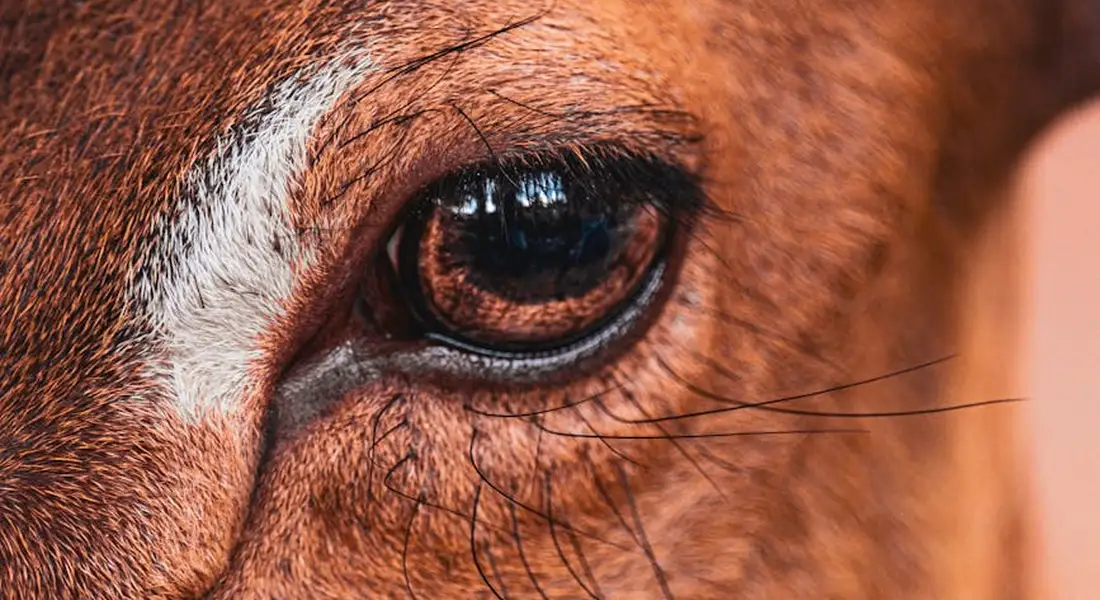
Those rusty streaks below the eye and morning “sleep” are normal, but gentle removal is key to preventing skin irritation. You must treat the eye area with the same care you’d use for a newborn baby. Never pick at crust with your fingernails.
Prepare a bowl of very warm water and two clean, soft cloths. Soak one cloth, wring it well, and hold it gently against the corner of the eye for a few seconds to soften the debris. Always wipe from the inner corner of the eye outward, using a single, light stroke per cloth section to avoid dragging bacteria back toward the eye.
Use the second clean, damp cloth to make a final, clear pass. If stains persist on white hair, a paste of baking soda and water applied sparingly, left for a minute, and rinsed can help. Under no circumstances should you use soap, shampoo, or any chemical product directly near the eye. If you see persistent discharge or swelling, skip home care and call your vet.
Navigating the Sensitive Terrain of Your Horse’s Ears
Ears are full of delicate structures and strong opinions. My pony Pipin will clamp his ears tight if I approach too quickly, a classic cheeky evasion. Regular ear checks are a non-negotiable part of grooming that can reveal ticks, mites, or waxy buildup early.
- First, just look. In good light, gently fold the ear open and visually inspect the inner folds. Look for dark wax, scabs, or moving pests.
- Dampen a small cloth with warm water and wrap it tightly over your index finger. Never use a cotton swab or insert any object into the ear canal.
- Gently wipe only the outer folds and crevices you can easily see. Think of cleaning the bowl of a spoon, not the handle.
- Use a dry part of the cloth or a soft towel to pat the area completely dry. Damp ears can become itchy or chilled.
If you find a tick, use tweezers to grasp it close to the skin and pull straight out. For heavy, black wax, consult your vet-it might indicate an infection. Finishing with a thorough ear rub, if your horse allows it, turns a sensitive task into a positive experience.
Addressing the Nostrils and Other Sensitive Areas
Cleaning Nostrils and the Groin (“Fork”) Area
Your horse’s nostrils are self-cleaning wonders. I use a soft, damp cloth to wipe only the outside leather, never going inside. Let your horse snort out loose dirt; forcing anything in can push debris deeper and cause irritation, which might lead to coughing. My quarter horse Rusty taught me this-he’d give a mighty snort, sending dust flying, and his nostrils were cleaner for it.
The sheath or udder area requires a cautious, informed touch. This is for advanced handlers who have a deep trust with their horse. For geldings like Pipin, I only perform this clean a few times a year, using a pH-balanced equine cleanser to prevent smegma buildup without stripping natural oils. For hands-on practice, a concise, step-by-step sheath care guide can illuminate the process. Look for a detailed sheath care step-by-step guide in the next section. You must rinse every trace of soap away with warm water to avoid dermatitis. For mares, a simple external wipe with a damp cloth is usually all that’s needed, unless directed by a vet.
Solving Common Problems During a Delicate Grooming Session
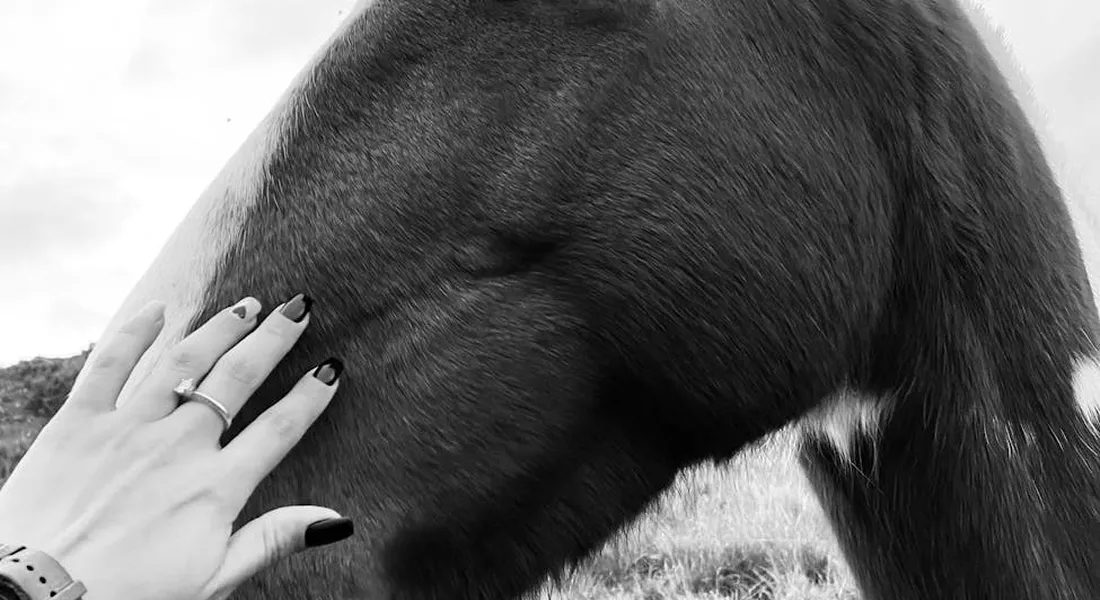
Even with the best intentions, things can get tricky. Here’s how to troubleshoot common grooming gripes.
- The Head Tosser: If your horse flings its head up, stop moving. Lower your hand and wait. This is often a sign of anticipation, not pain. With my thoroughbred Luna, I found that softly talking and rubbing her neck before slowly reintroducing the cloth kept her grounded. Forcing the issue teaches them to fear the touch, not accept it.
- Crusty, Dried Mud: Never pick at it. Use a damp rubber curry or a soft brush in circular motions to loosen the dirt. For stubborn patches on legs or bellies, a warm, wet towel held against the mud for a minute works wonders. It turns a chore into a gentle massage.
- A Suspicious Cut or Scrape: If you find a new injury, halt your grooming. Clean the area gently with saline solution or plain water and assess. Any sign of swelling, heat, or deep penetration means you call the vet, not the internet. I keep a basic first-aid kit in my tack trunk for these moments.
- Abnormal Discharge: Clear liquid from the nostrils after exercise is normal. Thick, yellow, green, or foul-smelling discharge from the nose, eyes, or ears is not. A little sleep in the eye is fine, but constant tearing or pus indicates a problem. Note any changes and relay them precisely to your veterinarian; your observations are critical data.
FAQ: How to Safely Clean Your Horse’s Face, Ears, and Sensitive Areas
How often should I clean my horse’s face?
Clean your horse’s face during each regular grooming session, typically daily or several times a week. Adjust frequency based on factors like dusty pastures or after strenuous exercise that causes sweat and dirt buildup. Consistent cleaning helps prevent infections and allows you to monitor for early signs of health issues.
What are the most important things to avoid when cleaning my horse’s face?
Avoid using harsh soaps, scented products, or rough materials that can irritate sensitive skin around the eyes and muzzle. Never poke or insert objects into the nostrils or ears, as this can cause injury or push debris deeper. Refrain from rushing the process, as sudden movements can make your horse head-shy and undermine trust. This is especially important when dealing with delicate areas like the eyes or when putting on horse blankets that can be uncomfortable if not handled gently.
Can I use everyday household items, like baby shampoo, on my horse’s face?
While a drop of mild, unscented baby shampoo diluted in water is sometimes acceptable for general grime, it should never be used near the eyes or mucous membranes. For routine face cleaning, plain lukewarm water with soft cloths is safest to avoid allergic reactions or dryness. Always consult your veterinarian for product recommendations tailored to your horse’s specific skin needs.
Wipe Down Wisdom
Use a soft, damp cloth and gentle, outward strokes around the eyes and muzzle, saving the ears for last with a wrung-out sponge. Always let your horse sniff and see your tools before you begin, as this simple act of consent prevents fear and builds a positive routine. And knowing where to touch your horse can make grooming more comfortable for them.
This quiet time at the cross-ties is where good horsemanship is practiced, not just preached. Your horse’s flickering ears or relaxed sigh will tell you everything you need to know about proceeding safely.
Further Reading & Sources
- All Ears: Caring for Your Horse’s Ears | US Equestrian
- Grooming your horse – ear cleaning, ear clipping, and face tidy – YouTube
- Cleaning & Treating Horse Ears
- Washing Your Horse’s Face – Pro Equine Grooms
At Horse and Hay, we are passionate about providing expert guidance on all aspects of horse care, from nutrition to wellness. Our team of equine specialists and veterinarians offer trusted advice on the best foods, supplements, and practices to keep your horse healthy and thriving. Whether you're a seasoned rider or new to equine care, we provide valuable insights into feeding, grooming, and overall well-being to ensure your horse lives its happiest, healthiest life.
Basic Grooming Techniques