
How to Teach a Horse to Neck Rein: A Step-by-Step Guide
Hello fellow equestrians. That clumsy shoulder bulge or the dull ignore when you lay a rein against their neck is more than annoying-it undermines your safety and their trust.
Let’s fix that. This guide provides a clear, pressure-free path to a light and responsive neck rein. You will learn the critical difference between neck reining and direct reining, how to prepare your horse’s body and mind for lighter aids, a foolproof step-by-step training progression from the ground up, and how to troubleshoot common issues like leaning or over-bending.
I’ve built this method over years of barn management and training, patiently working with clever ponies like Pipin and sensitive souls like Luna to ensure every cue is a conversation, not a command.
What Neck Reining Really Means for Your Horse
The Simple Idea Behind the Cue
Neck reining is steering by touch, not pull. You lay one rein against your horse’s neck to ask for a turn, and they move away from that pressure. It is a gentle nudge compared to the direct pull of plow reining. This method grew from western traditions where riders needed a free hand for work. For trail and pleasure riding, it allows smoother, one-handed control so you can manage a map or a water bottle without fuss. Think of it as swapping a shout for a whisper in your daily communication with your horse. In the sport of reining horses, neck reining is a foundational cue that lets riders guide quick spins, stops, and precise figures with minimal contact. Mastering this subtle signal is a hallmark of working with reining horses.
I teach this to every horse in my care, from steady Rusty to sharp Luna. With Rusty, the reliable Quarter Horse, it was about refining an existing trust. With Luna, the sensitive Thoroughbred, it required softer hands and slower steps to avoid overwhelming her. The goal is always clarity: a light press of the rein should feel like a clear suggestion, not a demand.
Why This Skill Builds a Better Partnership
Mastering neck reining offers tangible benefits that deepen your bond. It is not just a neat trick.
- Frees your hands: This is practical for trail riders opening gates or pleasure riders enjoying a longer rein. Your ability to multitask safely increases.
- Promotes softness: Horses learn to respond to lighter cues, reducing brace and resistance against the bit. This directly supports equine welfare by minimizing pressure on sensitive mouth tissues.
- Enhances communication: It shifts your dialogue from physical force to subtle intention, building mental engagement. A horse that thinks with you is a happier partner.
The thud of hooves on a quiet trail becomes more rhythmic when you are not constantly adjusting the reins. This skill turns riding from a directive into a collaborative dance, which is the heart of gentle horsemanship.
Preparing for Success: Mindset and Basics
Assessing Your Horse’s Foundation
Do not skip the basics. Your horse must reliably understand fundamental cues before introducing neck reining. This groundwork ensures safety and prevents frustration for both of you. Begin by teaching your horse basic ground manners to establish clear communication on the ground. Once those basics are in place, neck reining and other cues will follow more naturally. Patience here saves hours of correction later.
Your horse should confidently demonstrate these skills:
- Yielding to pressure: moving their shoulders or hips from a light leg or hand cue.
- Understanding direct rein steering: a pull on the left rein turns them left.
- Working calmly on a longe line: showing focus and control without a rider.
I learned this with Pipin, the clever Shetland pony. His foundation was shaky, and he’d use any confusion to plan an escape. Solidifying his response to direct reins made the neck reining lessons stick. A calm, responsive horse is a safe horse, and that is always the priority. For beginners, the handle horse safely beginners guide offers practical, step-by-step safety basics you can explore next. It helps build calm, confident handling from the ground.
Gathering Your Tools: Tack and Space
The right equipment and environment are non-negotiable. Ill-fitting tack causes pain, and a distracted horse cannot learn. Start with the smell of clean leather and the quiet of a secure space. For that reason, make sure tack is properly fitted and adjusted for each horse. Properly fitted tack helps the horse move freely and stay focused. Your horse’s comfort is the first cue they need to understand.
Gather these items for your first session:
- A well-fitting snaffle bit or bosal for clear, gentle communication.
- A comfortable saddle that does not restrict shoulder movement.
- A safe, enclosed arena or round pen with good, level footing.
I always check my tack fit before mounting. On Luna, I run my fingers under the cinch to ensure it’s snug but not pinching. A quiet environment lets your horse hear the subtle creak of leather that signals your movement, not the chaos of the outside world. Setting up for success means removing physical and mental obstacles before you even ask the first question.
The Core Step-by-Step Training Process
Step 1: Solidify the Direct Rein Response
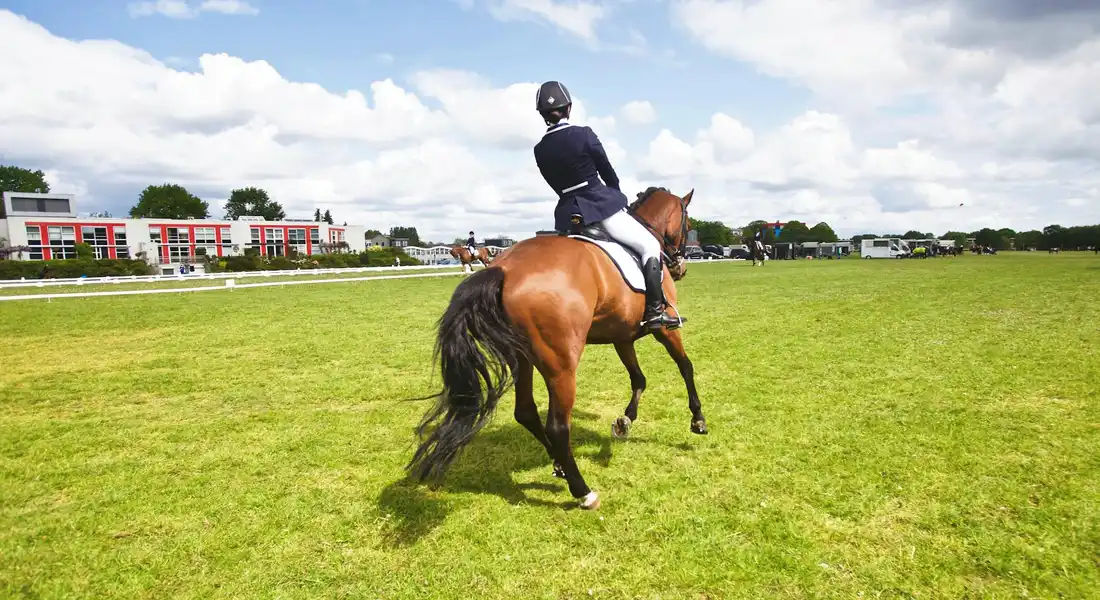
Your horse must respond to a feather-light direct rein before neck reining enters the picture. I always begin in the calm of an empty arena, where the only sounds are hooves on dirt and the occasional barn swallow. Apply gentle pressure on one rein toward your hip, releasing instantly when your horse’s head tips even a centimeter in that direction.
Try these two walk drills to build a reliable foundation. With a steady horse like Rusty, I use large circles to teach him to maintain bend from a single rein.
- The 20-Meter Circle: Walk a large circle, using only your inside direct rein to guide the bend. Keep your outside rein loose as a safety line, not for steering.
- The Cone Slalom: Place two cones ten strides apart. Serpentine between them at a walk, using clear, separate direct rein cues for each change of direction.
For clever ponies like Pipin, I add a halting exercise. Ask for a stop, then use light direct rein pressure until he steps his hindquarters away, rewarding the smallest effort to connect rein pressure to foot movement.
Step 2: Introduce the Neck Cue with Support
Now, layer the neck cue on top of the known direct rein aid. Think of it like teaching a kid to swim with floaties—the support is there while they learn the new motion. Just like when you train your horse for liberty work, you’re gradually removing the safety nets as they build confidence.
Follow this list for your first supportive session. I used this exact process with Luna, whose sensitivity required extra clarity.
- At a walk, establish a soft, even contact on both reins.
- To ask for a right turn, lay the left rein against the side of the neck, just behind the jaw, while simultaneously applying gentle direct pressure with the right rein.
- The instant you feel the horse begin to turn from the combined cues, release all pressure.
- Immediately repeat on the left side, using the right rein on the neck and the left direct rein for guidance.
Keep these sessions brief and positive. The goal is for the touch of the rein on the neck to become a clear predictor of where to go.
Step 3: Fade the Direct Rein Support
This phase is about subtleties and timing. You’ll start using less direct rein aid, rewarding the horse for listening to the neck cue alone.
Gradually reduce the direct rein pressure in clear stages. First use a hint, then a touch, then just the weight of the rein lying against the neck.
Watch your horse’s body language closely. The flick of an ear toward the turning direction or a slight shift of the withers often means they’re thinking about the turn before you add the direct rein.
- Reward the Try: Release pressure the moment you feel them initiate the turn, even if it’s not perfect.
- Step Back if Needed: If they seem confused, smoothly return to a clearer direct rein cue for a stride, then try fading again.
- Breathe: I found exhaling as I cued Luna helped us both stay relaxed and connected.
Step 4: Practice with Patterns and Obstacles
Patterns build confidence and cement the cue into habit. Simple, repetitive exercises at a walk make the neck rein feel second nature.
Set up a small course in your arena or use natural features on the trail. Weaving through cones taught Rusty to listen to my neck without needing to see my hands.
- Figure-Eights: Use two markers. Practice changing direction across the center using only neck reining.
- Cone Corridors: Create a channel with four cones and practice gentle turns within it, focusing on light cues.
- Barrel Turns: Circle a barrel or a hay bale, using the obstacle to define the turn path and encourage shoulder control.
Variety prevents boredom. With Pipin, I’d often end a session with a trail walk, asking for neck rein turns around trees or logs to keep his mind engaged.
Step 5: Refine for Lightness and Balance
Advancing to the trot and canter requires integrating your whole body. Your seat and legs must actively support the turn to keep your horse balanced.
At the trot, focus on maintaining rhythm. Use your inside leg at the girth to prevent your horse from falling in through the turn, making the neck rein more effective.
Introduce neck reining at the canter on large, gentle curves first. Plan your cues earlier, as faster gaits require more preparation time for the horse to respond gracefully.
Always prioritize a balanced frame over a sharp turn. If my horse starts to lean or get heavy, I bring them back to a trot, re-establish soft contact, and try again.
The final piece is harmony. Your leg on the same side as the neck rein should ask the hindquarters to step under, powering a balanced turn that feels light and connected.
Solving Common Neck Rein Training Hiccups
My Horse Leans Into the Neck Pressure
Leaning is often a brace against pressure or a sign of discomfort. First, rule out physical pain by checking saddle fit and having a vet assess neck and back soundness.
Return to direct rein steering for a refresher. Practice leg-yield exercises at the walk, teaching your horse to move away from your leg pressure instead of pushing into it.
Ensure your hands remain soft and following. A stiff arm creates a brace, but a giving hand, like I use with Luna, encourages her to yield and seek release.
Incorporate suppling exercises into your rides. Large, bending circles and serpentines help your horse become more fluid and less likely to lean heavily on the rein.
My Horse Ignores the Cue Entirely
Ignoring the cue usually points to confusion, a skipped foundation step, or mixed signals from the rider. Hit the pause button and return to the absolute basics of direct reining.
Common causes include moving too fast or inconsistent cue application. Spend a week solely on crisp, light direct rein responses before re-introducing the neck cue.
Follow this clear rebuild plan to restore understanding:
- Re-establish Direct Rein: Dedicate the first 10 minutes of your ride to precise direct rein turns at a walk.
- Re-layer the Neck Cue: Go back to Step 2, applying the neck rein with full direct rein support, and be lavish with praise.
- Audit Your Cue: Is your neck rein a distinct, consistent lay of the rein? Vague pushes are easy to ignore.
Consistency is your greatest tool. With a smart cookie like Pipin, using the exact same cue in the exact same way every time cut through his testing and built real understanding.
The Head Turns, But the Shoulders Don’t Follow
This means your horse is disconnecting his front end from his steering. A true turn involves the whole body, led by the shoulders following the nose.
Groundwork is a powerful fix for stiff shoulders. In a halter, practice turn-on-the-forehand exercises, asking your horse to step his front legs across in response to light pressure.
Under saddle, your inside leg is non-negotiable. Use your leg at the girth to actively push the shoulders over as you apply the neck rein, opening a space for them to move into.
Ride patterns that demand shoulder control. Tight turns around barrels or small circles force the issue, encouraging your horse to engage that inside shoulder and follow his nose.
Build the right muscles and habits. I often lunge Rusty in side reins before a ride to encourage him to carry himself in a balanced frame, making integrated turns under saddle much easier.
Neck Reining Versus Direct Reining: Choosing Your Cue
How Each Method Communicates
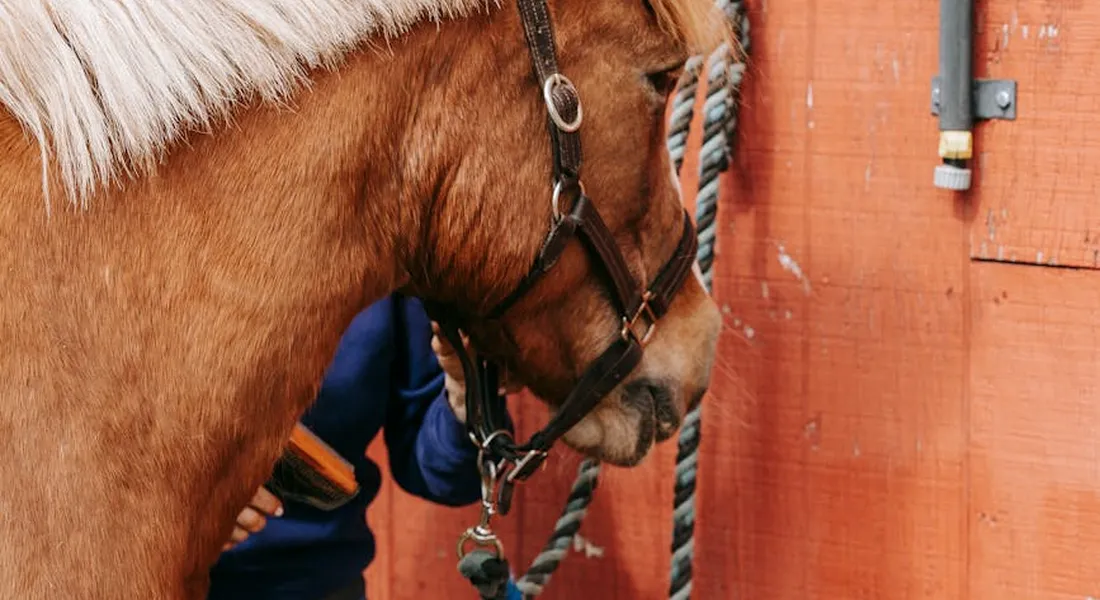
Your reins are a direct phone line to your horse’s brain, and the dialect you choose changes the conversation. Neck reining speaks in hints and nudges, while direct reining uses clear, unmistakable sentences. I learned this difference the hard way with Pipin, who would teleport sideways if I used too direct a rein near the gate.
| Method | Cue Type | Pressure Point | Best Use |
|---|---|---|---|
| Neck Reining | Indirect; laying the rein against the neck | The side of the neck | One-handed riding, trail obstacles, fluid direction changes at faster gaits |
| Direct Reining | Direct; pulling the rein toward the turn | The horse’s mouth via the bit | Teaching green horses, precise circles, lateral movements, and clarifying aids |
When to Blend Both Techniques
A pure neck rein is the goal, but smart riders keep both tools in their belt. Blending techniques is like using both a whisper and a point of the finger to guide someone through a crowded room. With Rusty on tricky trails, I often use a light direct rein to position his head before a neck rein guides his bulk around a tree.
Use both reins for precision work like a turn on the haunches or a small, measured circle. A subtle direct rein positions the head and neck, while the supporting neck rein prevents the shoulders from falling out. This dual communication keeps the horse balanced and prevents them from leaning on a single aid. Understanding which key muscles are engaged during these cues helps explain how they function.
Retraining a confused or resistant horse is another prime time to blend. If a horse ignores a neck rein, a brief, clear direct rein can rebuild the connection, which you then immediately reward by softening. Always return to the lighter cue to build their confidence and trust in your guidance.
Supportive Exercises for Smoother Steering
Groundwork for Better Body Awareness
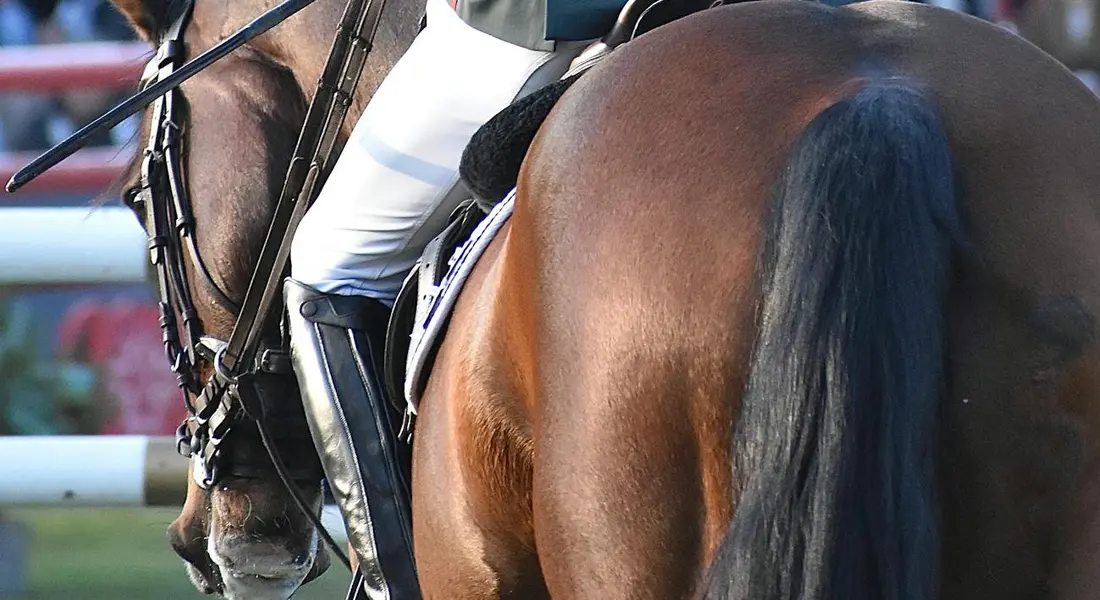
Your horse can’t steer well under saddle if he doesn’t understand how to move his feet on the ground. Groundwork builds the body awareness that makes neck reining feel effortless for your horse. Spend ten minutes before your ride on these exercises; the difference in responsiveness is palpable.
- Yielding the Hindquarters: Stand at your horse’s shoulder and apply steady pressure to his side until he steps his hind legs across. This teaches him to move away from lateral pressure, which is the exact same concept as a neck rein.
- Forehand Turns: Ask your horse to pivot his front end around his stationary hind legs. This directly reinforces the shoulder control needed for a crisp neck rein turn. With Luna, I use a tap of my finger where my rein would fall.
- Backing in an Arc: Don’t just back up straight. Ask your horse to back on a gentle curve. This complex maneuver encourages them to listen to indirect seat and leg aids, solidifying the partnership needed for advanced steering.
Rider Drills to Improve Your Aids
Your horse’s education is only half the battle; your hands and seat need training too. Clunky rider aids are the number one reason a smart horse appears to “not get” neck reining. These drills will clean up your communication. By learning to talk to your horse—using calm, consistent cues and reading their responses—you’ll build understanding and a true two-way conversation. This is the foundation of better communication.
- Longe Line Independence: Have a trusted person longe your horse while you ride without reins. Fold your arms or put them on your head. This forces you to steer with your seat bones and legs alone, breaking the habit of hand-dependent steering.
- The Outside Rein Game: At a walk, practice turns using only your outside rein (the one opposite the direction of turn). This exaggerates the neck rein motion and helps you isolate the correct hand movement without pulling.
- Step-and-Guide Pattern: In a safe arena, look where you want to go, use your leg, then apply the neck rein. Practice this sequence: look, leg, then rein. This builds the correct timing so your cue becomes a light guide, not a forceful command.
FAQ: How to Teach a Horse to Neck Rein
How long does it usually take to fully train a horse to neck rein?
The timeline varies depending on the horse’s experience and consistency in training. With regular short sessions, most horses grasp the basics within a few weeks. Achieving refined, one-handed control at all gaits often requires several months of patient practice.
Are there any age restrictions for starting neck rein training?
Neck rein training should begin only after a horse is physically mature and responds reliably to direct rein aids. Young horses under three years are better suited to foundational groundwork to avoid strain. Older horses can learn successfully, but may need slower progress to adapt to new cues.
What should I do if my horse becomes resistant during neck rein training?
First, pause to check for any tack issues or physical discomfort that might cause pain. Revisit an earlier training step where your horse felt confident, such as direct reining, to reinforce understanding. Always conclude with a simple, rewarded task to keep the experience positive and prevent frustration.
Riding with a Light Touch
Build a reliable neck rein by layering light pressure over a solid direct-rein foundation, always supporting your ask with your legs and seat. The fastest progress comes from a crisp release of pressure the moment your horse thinks about turning, not after they complete it. Of course, this layered approach will only work if you are holding the reins correctly to teach your horse to neck rein.
Keep sessions brief and positive to avoid frustration-safety and trust are built in these small, consistent moments. The best training happens when you listen to your horse more than you talk; their comfort and willingness are your true roadmap.
Further Reading & Sources
- Teaching Your Horse to Neck Rein
- The Essential Neck Rein
- Neck Reining 101: Horse Rookie Training Tips – Horse Rookie
- How to Train Your Horse to Neck Rein – Horse Illustrated
At Horse and Hay, we are passionate about providing expert guidance on all aspects of horse care, from nutrition to wellness. Our team of equine specialists and veterinarians offer trusted advice on the best foods, supplements, and practices to keep your horse healthy and thriving. Whether you're a seasoned rider or new to equine care, we provide valuable insights into feeding, grooming, and overall well-being to ensure your horse lives its happiest, healthiest life.
Behavior