
What is Reining in Horses? Your Straight-Talk Guide to the Sport
Hello fellow riders. You might have seen a horse execute a breathtaking sliding stop or a dizzyingly fast spin and wondered, “How do they do that, and could my horse ever learn it?” That mix of fascination and concern for your horse’s comfort and confidence is exactly where we should start.
Let’s demystify reining together. In this article, I’ll provide clear, barn-tested explanations for:
- The true definition of reining as a judged sport and a training philosophy
- The essential patterns and maneuvers, broken down into simple parts
- Foundational training steps that build confidence without force
- Critical tack fit considerations for safety and performance
- How to ensure your horse’s well-being remains the central focus
My advice is rooted in years of managing barns and training diverse horses, from reliable Rusty to sensitive Luna, always advocating for gentle hands and plenty of pasture time.
The Reining Rundown: More Than Just Fancy Slides
Forget what you’ve seen in highlight reels. At its core, reining is a precise conversation between you and your horse, conducted with subtle shifts in weight and the softest pressure from a single hand on the reins. It’s the equine equivalent of a partnered dance, where the horse’s willing athleticism is the true art form. The real goal isn’t just a dramatic sliding stop; it’s the invisible ‘yes’ from your horse that happens long before the dirt flies.
I often explain it to new boarders using my Quarter Horse, Rusty. When we’re out on the trail and need to navigate a tight spot or calmly side-pass away from a suspicious puddle (his nemesis), we’re using the foundational language of reining. The maneuvers you see in competition-the spins, the rollbacks, the languid circles-are just a formalized test of that everyday communication. A well-executed pattern showcases a horse that is not just obedient, but mentally engaged and physically balanced from nose to tail.
The Arena as a Conversation
Think of the show pen not as a stage for tricks, but as a blank canvas for dialogue. The judge is looking for a horse that performs with quiet confidence, not frantic tension. You can feel the difference in the saddle. A horse running on adrenaline and fear feels rigid and brittle; a horse working from training feels powerful but supple, like a coiled spring ready to respond, not react. That suppleness comes from hours of patient, thoughtful practice that prioritizes the horse’s understanding over quick results.
Why Do It? The Purpose Behind the Patterns
Beyond the sparkle of silver trophies, reining training offers profound benefits for any horse and rider pair. It builds a toolkit of cues that makes a horse safer and more pleasurable to handle in any situation. The focus on softness and balance directly translates to better trail riding, more responsive jumping, and a happier, more connected equine partner. This work teaches a horse to carry itself, freeing up its shoulders and engaging its hind end, which is the cornerstone of long-term soundness.
My sensitive Thoroughbred, Luna, taught me this. Her default was to be tight in her back and heavy on her forehand. Through the slow, methodical exercises of reining basics-teaching her to yield her hindquarters, to move off my leg, to soften at the poll-she learned to unlock her body and relax her mind. The patterns gave us a clear, progressive framework to build trust, which did more for her anxiety than any amount of aimless circling ever could.
The Heart of the Matter: Willingness and Precision
This is the non-negotiable foundation. Willingness means your horse offers the maneuver with a positive attitude, not because it’s avoiding pressure. Precision means you, as the rider, can ask for a specific number of spins or the exact size of a circle. It’s the difference between forcing a door shut and having your horse gently close it with a hip.
You develop this by breaking every complex movement into digestible pieces. Asking for a single step of a turn-around, then releasing. Praising the smallest try. It’s meticulous work that demands you read your horse’s body language every single second. True precision is born from consistency in your cues and instantaneous reward, which for a clever soul like our pony Pipin, is usually a timely scratch or a single oat. That invites the broader question: do horses learn understanding equine training conditioning? Understanding this helps tailor cues and rewards to a horse’s mental as well as physical needs. This approach turns training from a demand into a dialogue, safeguarding their mental well-being as much as their physical fitness.
The Core Reining Maneuvers, Broken Down
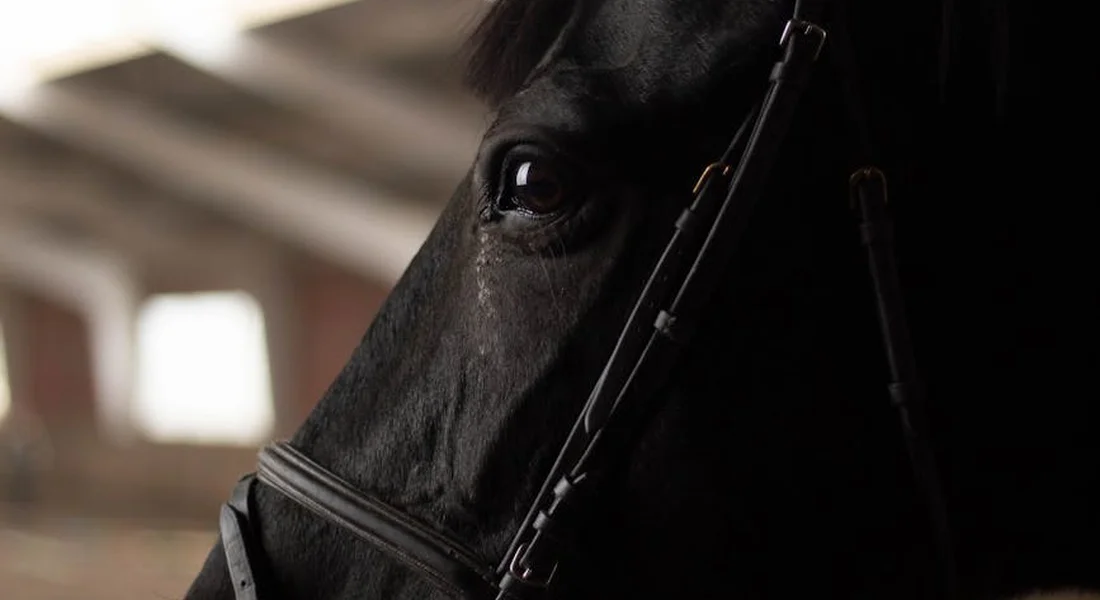
At its heart, reining is a specific conversation. You ask a series of questions with your seat and hands, and your horse answers with his whole body. Mastering these patterns starts with understanding what you’re actually asking for in each maneuver, both for your score and your horse’s well-being.
The Sliding Stop: The Crowd-Pleaser
This is the move that gets the applause. It’s not just stopping; it’s the horse driving its hindquarters deep under its body while the front end stays light and the front legs keep “walking.” The back legs slide, sometimes for over 20 feet. The secret isn’t in the reins-it’s in the preparation.
- Build Impulsion: First, you establish a strong, rhythmic lope. Think of it like coiling a spring.
- Prepare Your Body: Sit down deep in the saddle, brace your lower back, and exhale. Your body stops moving forward first.
- Give the Cue: A subtle lift of the rein hand and a firm “whoa.” The bit is a signal, not a brake.
- Let Them Slide: Release rein pressure as they commit to the stop, allowing them to find their balance. Pulling back constricts their shoulders and ruins the slide.
I’ve worked with horses like Rusty who, being a sensible Quarter Horse, took to stops with a calm mind. But the footing is everything. A proper stop requires a groomed, moistened clay-base arena to provide just the right amount of slide without straining tendons or burning hocks. Doing this on hard ground is a fast track to injury.
Spins & Turnarounds: The Centerpiece
A reining spin is a controlled, 360-degree turn on the hindquarters. The front legs cross over while the inside hind leg acts as a pivot. The goal is fluid, steady speed-not a frantic scramble.
- The Setup: Begin from a standstill. Apply indirect rein pressure (bringing your hand towards your hip) to bend the horse around your inside leg.
- The Drive: Your outside leg pushes the horse’s hindquarters around the pivot foot. A common mistake is using too much rein and not enough leg.
- Find the Rhythm: Ask for just a step or two at first. Reward the attempt. Speed comes later, only after the horse understands the balance.
This maneuver demands immense mental focus from the horse. With a sensitive soul like Luna, I learned that a five-minute session of focused, correct spins was far more valuable than twenty minutes of drilling that led to tension and resentment.
Circles: Showing Control at Different Speeds
The large, fast and small, slow circles demonstrate a horse’s responsiveness and change of pace. It looks simple, but it’s where fundamental training shines, especially when applying different horse gaits correctly.
- Speed Control: The horse must change leads precisely where you ask and maintain a specific speed-no speeding up on the straights or falling in on the corners.
- Body Control: They must be slightly bent in the direction of the circle, following the arc of your rein, not cutting in or falling out.
- The Test: The judge watches for a consistent rhythm and a horse that looks like it’s guiding itself with minimal input. It’s the epitome of “making it look easy.”
A balanced circle starts with a horse who is physically prepared through turnout and conditioning, not just arena work. A stiff horse can’t bend, and a fresh horse can’t slow down.
The Simple Stuff: Back Ups and Lead Changes
Never underestimate the basics. A crisp, straight, 10-foot back-up shows submission and steering from the hind end. The flying lead change, where the horse switches leads in mid-air during the lope, shows athleticism and timing.
- For the back-up, close your fingers on the reins and shift your weight slightly forward, as if you’re blocking forward movement. Add light leg pressure to ask the hindquarters to engage and step under.
- For the flying change, it’s a coordinated shift of your weight and leg aid at the moment of suspension in the lope. It’s a whisper of a cue, not a shove.
If your horse resists backing, check for dental issues or saddle fit pain first-it’s often a physical protest, not a behavioral one. Pipin the pony taught me that even a cheeky escape artist will perform willingly when the request is clear and comfortable.
Gearing Up: Tack for the Reining Horse
The right tack is designed for clarity and safety, allowing nuanced cues without causing discomfort. It should fit the job, but it must first fit the horse.
The Saddle: A Deep Seat for Security
A reining saddle isn’t just a style choice. It’s engineered to keep you in the “pocket” during slides and spins.
- Deep Seat & High Cantle: This cups the rider, providing security so you can use independent seat and leg aids without gripping with your knees.
- Low Swells: The pommel (front) is lower than in a cutting saddle, allowing for quicker dismounts and less bulk in front of the rider.
- Stirrup Placement: The fenders are set more forward to align your leg directly under your body for better balance.
The tree (the saddle’s skeleton) must match your horse’s back shape-a wide-quarter-horse-bar tree on a narrow Thoroughbred like Luna is a recipe for soreness and pinched shoulders. I spend as much time checking saddle fit as I do cleaning stalls; it’s that critical.
Bits and Reins: Tools for Communication
Reining bits are often curb bits with a loose-jaw design (like a grazing bit), which provide leverage and a clear signal. The reins are closed (connected), often with a romal, which encourages quiet hands.
| Common Bit Type | Best For | Key Consideration |
|---|---|---|
| Low-Port Curb | Horses with steady training like Rusty; good for stop cues. | Ensure the port clears the palate and doesn’t pinch. |
| Grazing Bit | Sensitive horses needing a light signal; allows comfortable head position. | The loose jaw requires very still hands to avoid muddy signals. |
| Medium-Port Curb | Experienced horses needing more defined cue for collection. | Never use for punishment. Incorrect use can cause tongue pressure. |
The bit is a telephone, not a crowbar. Your goal is to have a horse so responsive that you can eventually use the lightest possible equipment. Thicker mouthpieces are often milder, while thin, twisted wires have no place in gentle horsemanship. The creak of good leather and the soft jingle of the bit should be sounds of a clear conversation, not a struggle.
The Training Ethos: Building a Reining Mindset
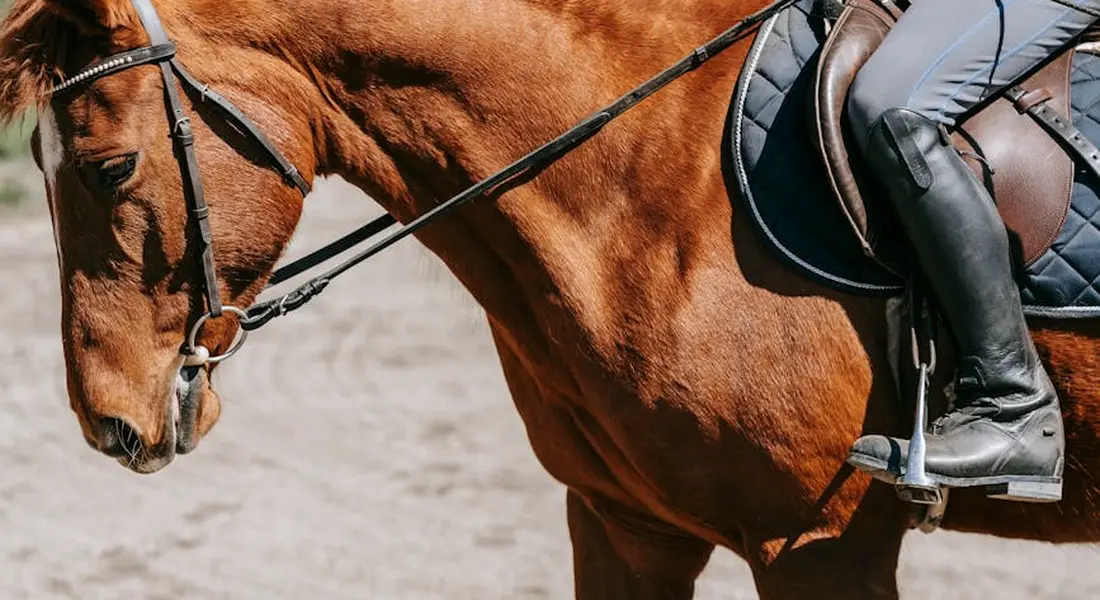
Reining isn’t just about flashy spins; it’s a conversation built on patience and mutual respect. I’ve learned that rushing only builds resistance, while a steady pace builds trust. Your goal is to create a horse that listens not from fear, but from a genuine desire to partner with you. This mindset shifts everything from how you hold your reins to how you reward the smallest try.
Step 1: Foundational Obedience on the Ground
Everything begins with dirt under your boots and a lead rope in your hand. If your horse doesn’t respect your space on the ground, you’ll have no conversation in the saddle. Groundwork is where you install the basic software of moving feet forward, backward, and sideways with light pressure. I spent weeks with Pipin, our Shetland escape artist, just on yielding his hindquarters—it turned his cleverness into focus instead of mischief. That groundwork also seeds the ability to lead steer your horse with clear, respectful communication. We’ll expand on that in the next steps.
- Teach your horse to move away from gentle pressure on his flank or shoulder.
- Practice standing tied quietly, absorbing the sounds of the barn without panic.
- Master leading with a slack rope, where he follows your shoulder without pulling.
This stage isn’t glamorous, but it’s the bedrock. The click of a lead rope clasp and the shuffle of cooperative hooves in the dust are the first sounds of partnership.
Step 2: Softness Under Saddle at Basic Gaits
Now, translate that obedience to the saddle. “Softness” means your horse responds to the slightest shift in your seat or the gentlest touch of the rein. Think of it as teaching your horse to dance with you at a walk, trot, and canter before you ever attempt a choreographed routine. With Luna, my sensitive Thoroughbred, this meant my hands had to become whispers, not shouts, to help her contain her energy.
- Start at a walk. Ask for a halt using your seat first, then a faint rein cue.
- Practice large, slow circles, ensuring your horse bends around your inside leg without falling in or out.
- Work on transitions-walk to trot, trot to canter-until they are smooth and prompt, not rushed or heavy.
The smell of warm horse and leather, and the rhythm of a steady trot, are where confidence is born for both of you.
Step 3: Introducing the “Big” Maneuvers Slowly
The slides and spins are simply combinations of those basic moves, broken into tiny, safe pieces. Never ask for the full maneuver on day one. For a sliding stop, first perfect a balanced, square halt from a slow jog, letting your horse learn to sit on his hindquarters. I introduced this to Rusty by using a soft, sandy area; his initial confusion turned into a game when he realized he wouldn’t be rushed.
- For spins: teach your horse to cross his front legs over in response to leg and rein cues from a standstill, one step at a time.
- For rollbacks: master a crisp, 90-degree turn after a halt before attempting a 180.
- Always quit on a good note, even if it’s just a single correct step. Your horse’s mind must stay fresh and willing.
You’ll hear the thud of hooves planting for a turn and feel the power gathering-that’s the moment you know your slow build-up is working.
Is Your Horse a Candidate? Breeds and Temperaments
While American Quarter Horses are the classic reining athletes for their sturdy build and calm demeanor, the heart of a reining horse is in its temperament, not its pedigree. Any horse with a willing attitude, a good work ethic, and sound limbs can enjoy and excel at reining fundamentals. I’ve seen stout cobs and even eager Arabians take to the patterns with joy.
Assess your horse’s mind. A candidate is typically attentive, learns quickly, and remains relatively calm under pressure. Luna’s Thoroughbred sensitivity, for instance, makes her incredibly responsive to subtle aids-a huge asset if channeled with patience. A temperament guide can help you match a horse’s personality to your riding style, making training and partnership more seamless. Turnout time is non-negotiable here; a horse that gets to be a horse in the pasture comes to work with a brighter, more focused mind. Rusty’s steady trail-horse personality meant he approached new maneuvers with a thoughtful curiosity rather than anxiety.
Consider physical build, but don’t overthink it. A shorter back aids in collecting for spins, and strong hindquarters power the slides, but many body types can participate. The key is starting slow and prioritizing your horse’s comfort over competition goals. Pipin, with his pony intelligence, proves that size doesn’t limit the ability to learn precise maneuvers, as long as the training respects his pony-sized attention span.
Getting Started in Reining Without Overwhelm
Find a Knowledgeable Trainer or Clinic
Your first step into reining should not be a blind charge. I learned this with Luna, my sensitive Thoroughbred. Her high-energy nature meant my early fumbles created frustration for us both. A trainer who values equine psychology over trophies will build a foundation of trust, not fear. Seek someone who advocates for daily turnout and fits tack with meticulous care, avoiding pinched skin or rubbed hair.
Visit local barns or shows to watch trainers in action. Do their horses seem relaxed and willing? A good instructor explains the purpose behind each cue, starting with softness and control. Your horse’s physical and mental comfort is the true cornerstone of any reining progress. When I found a clinic focused on this philosophy, Luna’s eagerness to work transformed completely.
Watch and Learn: The Power of Observation
Park yourself on a fence rail and simply watch. Attend a practice session or study videos from respected riders. Train your eye to see the quiet conversation, not just the spinning dirt. Notice the slight lean that initiates a turn or the steady rhythm of hooves in a perfect circle. Observation teaches you the nuance you cannot get from a book.
I used to scribble notes watching Rusty, my steady Quarter Horse, in training. I recorded his warm-up duration, how many transitions were practiced, and when the session ended. This showed me more about athletic conditioning and patience than any lecture could. Pay attention to how the horse is cooled down, how they are praised, and the way they breathe after a run. You are learning vital care routines alongside the pattern.
Start with the Philosophy, Not the Slide
Reining is built on clear communication, not theatrics. Chasing the dramatic slide first is like building a house on sand. Focus instead on the partnership. Master a soft halt, fluent back-up, and smooth yield to leg pressure. These basics are the alphabet of your shared language.
I practice this with every horse, from young prospects to cheeky Pipin. Groundwork where they choose to yield their hindquarters or step back from light pressure translates directly to the saddle. When you prioritize the horse’s understanding over the maneuver, you create a willing partner instead of a pressured performer. This method prevents overwhelm and builds durability for the long trail ahead. Teaching your horse basic ground manners lays that foundation. It covers leading, yielding, and respecting your space.
The Reality Behind the Glamour: Horse Care First
Conditioning is Everything
A reining horse is an athlete, and their care extends far beyond the arena. Their body is built in the pasture and stall. Progressive, varied exercise develops the muscle for spins and stops without straining delicate tendons. Diet is equally critical. I feed a base of excellent grass hay, adding grain only as needed for energy. The majority of calories must come from roughage to keep their gut healthy and moving.
Your farrier is a key ally. Hooves must be balanced and trimmed for the specific demands of sliding and turning. Never underestimate the power of free movement. Daily turnout on firm, varied ground is nature’s best therapy for building strong legs and a calm mind. The thud of hooves on dirt during play and the smell of fresh hay are the unsung heroes of a sound reining career.
Listening to Your Horse
Your horse speaks through body language every day. The flick of an ear, a tightened jaw, or a hesitant step during a lope departure are all important words. By reading these signals, you can tell if your horse is happy and relaxed. Understanding their body language is the daily conversation that strengthens trust. In a sport of precision, ignoring these cues leads to resistance or silent injury. After every ride, I run my hands down Luna’s legs, feeling for heat, and watch how she walks back to her stall.
This daily ritual is my most important gauge. It’s how I noticed Pipin’s slight stiffness before it became a real issue. Adjust your plan based on what you hear. Some days, the best training is a leisurely trail ride or simply turning them out to roll and graze. True partnership means having the wisdom to cancel a session when your horse politely asks for a break. Their welfare is the ultimate score, far above any ribbon.
FAQ: What is Reining in Horses?
What does “reining in a horse” truly mean beyond competition?
Beyond the show pen, reining in a horse refers to the fundamental practice of using nuanced rein, leg, and seat aids to guide and control its movement with precision. It embodies a training philosophy centered on clear, gentle communication to develop a balanced and willingly responsive partner. This foundational skill enhances safety and partnership in all disciplines, from trail riding to advanced sport.
As a beginner, what mindset should I have before trying reining for the first time?
Your primary mindset should be patience and a focus on building a dialogue, not on performing dramatic maneuvers. Prioritize your horse’s understanding and comfort, starting with basic obedience and softness at walk, trot, and canter. View your first session as establishing a shared language of light cues, where a single correct step is a greater victory than a forced spin or stop.
How can watching reining videos help me become a better rider?
Studying videos allows you to train your eye to see the subtle cues and flawless timing that create the illusion of effortlessness. Focus on observing the horse’s demeanor, the rider’s quiet posture, and the seamless transitions between maneuvers. This analysis helps you understand the feel and rhythm of correct execution, which is crucial for developing your own skills in the saddle.
Prioritizing Your Horse in Reining
True reining is built from the ground up through patient, consistent training that respects your horse’s anatomy and mind. Your primary job is to ensure every training session ends with your horse more confident and sound than when it began, not just with a maneuver checked off a list. This includes teaching basics such as neck reining before moving on to more complex patterns.
Safety and trust are the invisible foundations of every perfect slide or spin. The best cue you’ll ever learn is listening to what your horse is telling you with their eyes, ears, and posture.
Further Reading & Sources
- Home – NRHA
- Reining – Wikipedia
- Reining Horses for sale | ehorses.com
- SHOW COMPETITION RUNS – YouTube
At Horse and Hay, we are passionate about providing expert guidance on all aspects of horse care, from nutrition to wellness. Our team of equine specialists and veterinarians offer trusted advice on the best foods, supplements, and practices to keep your horse healthy and thriving. Whether you're a seasoned rider or new to equine care, we provide valuable insights into feeding, grooming, and overall well-being to ensure your horse lives its happiest, healthiest life.
Competing