
Seasonal Feeding Adjustments: Modifying Diets for Winter and Summer
Published on: September 4, 2026 | Last Updated: September 4, 2026
Written By: Henry Wellington
Hello fellow equestrians. Noticing your horse’s ribs as frost settles or seeing him listless in the sweltering heat hits right in the gut. These aren’t just cosmetic worries-they’re signs your feeding plan is out of sync with the season, risking colic, weight loss, and costly vet calls.
Let’s fix that. I’ll break down the essential shifts you need to make, including:
- Why winter requires more calories, not just more hay
- How to encourage drinking and replace electrolytes in summer
- The smart swap between grass and legume hays as temperatures change
- A hands-on body condition scoring routine you can do in two minutes
I’ve based this guide on years of barn management, tweaking diets for everything from my reliable trail horse Rusty to my sensitive thoroughbred Luna, always putting their comfort and health first.
Why Your Horse’s Dinner Plate Changes with the Weather
Picture your horse’s metabolism like that stubborn, old furnace in the back of our barn. When the mercury plummets, it gulps more fuel to throw heat. Your horse is the same. Cold weather revs up their metabolic engine, burning calories just to maintain a safe body temperature, which means their energy requirements can spike significantly. I always see it with Luna; her thoroughbred frame seems to vibrate with the need for more fuel when a frost settles on the paddocks.
That fuel source changes drastically with the seasons. Summer pasture is a nutrient-dense buffet, but winter turns it into a barren field of fibrous stems. The natural shift from lush grass to dormant forage means your horse isn’t getting the same vitamins or easy calories from the ground, so we must compensate at the feed tub. Rusty’s beloved grazing spots transform from emerald green to gold, and his dinner plate in the stall must make up the difference.
Extreme weather also changes daily routines. During blizzards or heatwaves, horses spend more time confined. Standing in a stall dramatically alters natural feeding patterns and digestion, making constant forage access not just nice, but necessary for mental and gut health. I learned this with Pipin; a bored pony with an empty hay net is a fence-chewing escape artist in the making.
Building the Winter Diet: Fueling the Internal Furnace
Winter feeding is about stoking that internal furnace for heat production. The primary adjustment is more hay. Increasing forage is the safest way to generate heat, as the digestion of fiber creates microbial fermentation warmth in the hindgut. A good rule is to offer 1.5 to 2.5% of their body weight in hay daily when temperatures drop below freezing.
Not all calories are created equal for cold-weather energy. Focus on these:
- Good Grass Hay: Timothy or orchard grass provides steady energy and fiber.
- Beet Pulp: Soaked beet pulp is a superb, fermentable fiber source that also adds hydration.
- Oils: A quarter cup of vegetable or flaxseed oil offers dense, safe fat calories without the risk of grain-related digestive upset.
Calculating rations is straightforward. Follow these steps:
- Weigh your horse using a scale or weight tape.
- Assess their body condition score (1-9 scale). Is your horse a ribby 4 or a round 7?
- Start with 2% of their weight in hay. For a 1,000-pound horse, that’s 20 pounds of hay per day.
- Adjust up for thin horses, cold temperatures, or lack of shelter, and down for easy keepers.
Lower activity in winter can lead to unwanted weight gain. Prevent obesity by using slow feeder nets to make hay last longer and, if possible, creating a track system around the pasture to encourage movement and mimic natural foraging. Even on short, gloomy days, keeping them walking and searching for food is key.
Prioritizing Forage: The Hay Pile is Your Best Friend
The cornerstone of any winter diet is forage, and not all hay is the same. Grass hay is often perfect for most pleasure horses, while legume hay like alfalfa is protein-rich and better for hard keepers or those needing more calories. For healthy, active horses, alfalfa can support weight gain and energy when fed in moderation as part of a balanced ration. Also, be mindful of calcium balance and overall calorie intake to avoid issues. Always choose hay that is clean, sweet-smelling, and free of dust or mold, as respiratory health is paramount in a closed-up barn.
Constant access is non-negotiable. A horse’s stomach produces acid continuously, and a steady stream of hay buffers that acid and prevents ulcers, especially when they’re standing in more. I keep nets full for all three of mine, from Pipin’s small-bale setup to Luna’s double-net system to slow her down.
For picky eaters or horses prone to heaves, consider silage or haylage. These fermented forages are more palatable and moist, which can entice a finicky eater and reduce airborne dust particles in the stable. The first time I fed haylage, Rusty buried his nose in it with a contented snort I could hear across the aisle.
Smart Grain and Supplement Strategies for Cold Days
Grains and concentrates should be added only when hay and forage cannot meet energy demands. If you must add grain, do so gradually over a week to avoid colic or laminitis, and split it into multiple small meals to keep digestion steady. For fat supplementation, start with just two ounces of oil daily and work up to avoid loose manure.
Specific supplements can bridge winter nutritional gaps. Since fresh pasture is gone, vitamin E levels plummet. Supplementing with natural vitamin E supports muscle and immune function during the stress of cold weather. A probiotic is also wise. Adding a probiotic helps maintain a healthy gut microbiome for digesting dry, winter forage and supports overall condition from the inside out. I mix a powdered probiotic into Luna’s dampened beet pulp, and it keeps her digestion regular even when the ground is frozen solid.
Summer Feeding Strategies: Beating the Heat and Staying Hydrated
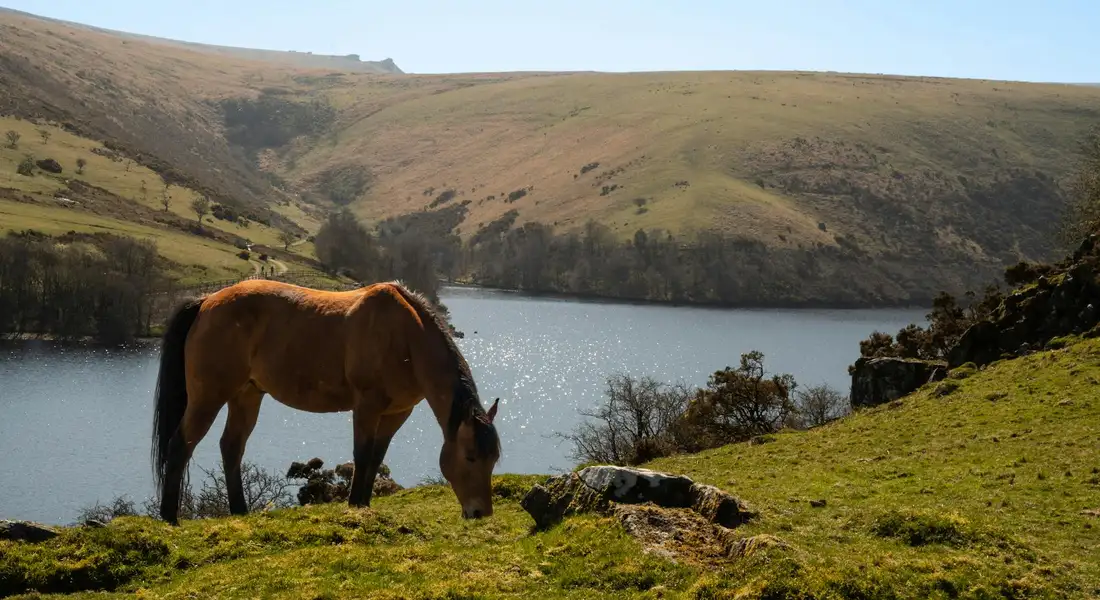
The smell of hot dust and the quiet thud of hooves on dry ground define summer at the barn. Your feeding routine must pivot to prioritize hydration and ease digestion, because a horse fighting the heat is a horse at risk. I learned this watching Luna, who would nose-dive her water bucket after a light hack but turn her head from grain in the midday swelter.
Appetite naturally dips as temperatures climb, since digesting food generates internal heat. Shift focus from carb-heavy grains to maintaining adequate protein with soaked alfalfa cubes or a ration balancer, supporting muscle without overheating. For my steady Eddy Rusty, this often means his grain portion shrinks while his access to fresh, evening pasture expands.
- Soak feeds: Turn dry grain or pellets into a sloppy mash to boost water intake and cool the gut from the inside.
- Offer fresh forage: Provide hand-grazed clumps of grass or soaked hay during cooler hours to increase moisture and fiber.
- Feed by the clock: Serve larger meals at dawn or dusk when the air is cooler, aligning with your horse’s natural rhythm to aid digestion.
Water First: Hydration Hacks That Actually Work
Water is the first, last, and middle chapter of summer horse care. Check hydration daily with the skin tent test: pinch a fold of skin on the neck, release it, and if it doesn’t snap back in two seconds, start troubleshooting. Dry, tacky gums are another red flag I always check on Pipin after a sunny day of mischief. Beyond this test, watch for dehydration cues like sunken eyes, lethargy, or a tacky mouth. If you notice any of these, learn how to check if your horse is dehydrated and what to do about it—quick, practical solutions can help prevent heat stress.
- Monitor intake visually: A 1,000-pound horse needs at least 10 gallons daily; mark water levels in buckets to track consumption.
- Keep it clean and cool: Scrub troughs weekly to prevent slime, and drop ice blocks in buckets during heat waves to encourage drinking.
- Encourage sipping: Add a tablespoon of salt to a daily mash or offer electrolyte water in a separate bucket to stimulate thirst naturally.
- Master the mash: Soak beet pulp or senior feed into a soup-like consistency, a trick that gets extra fluids into picky drinkers.
Lightening the Load: Adjusting Energy for Summer Work
Lush summer pasture often provides ample calories, making concentrated feeds unnecessary for many horses. Rely on high-quality forage and reduce grain to prevent obesity and lower the metabolic heat burden during work. I adjust Luna’s feed based on her sweat level and energy, knowing an overloaded gut makes her sluggish.
Suddenly switching from dry hay to rich pasture can shock the digestive system. Introduce fresh grass gradually over 10-14 days to allow the gut microbes to adapt, drastically cutting the risk of colic or founder. Watch for loose stools or a bloated appearance, signs your horse’s system is struggling.
Spotting Trouble: Signs of Overfeeding and Underfeeding by Season
Seasonal feeding errors manifest on your horse’s body and in their behavior. Become a detective of subtle changes, because catching a problem early is far easier than fixing it later. The difference between winter heft and summer leanness should be intentional, not accidental. A consistent feeding schedule anchors this approach in daily practice. The next steps will outline how to create the perfect horse feeding schedule as part of your routine.
| Condition | Winter Signs | Summer Signs |
|---|---|---|
| Overfeeding | Fat pads on ribs, cresty neck, lethargy, increased laminitis risk | Excessive sweating, heat intolerance, sluggishness, founder risk from pasture sugars |
| Underfeeding | Visible ribs, persistent shivering, poor coat condition, weight loss | Ribs visible with dehydration, sunken eyes, reduced appetite, muscle wasting |
Physical indicators are your hands-on guide. A cresty neck or fat over the tailhead signals overfeeding, while a dull, staring coat or prominent ribs whispers of underfeeding. I run my hands over Rusty’s back and ribs weekly, feeling for changes that my eyes might miss.
Behavioral clues often shout before the body shows it. Lethargy or stall-walking can point to digestive discomfort from overfeeding, while a sudden disinterest in food or withdrawn demeanor may signal undernutrition or heat stress. Pipin’s usual raid on the treat bucket is my cue; if he’s not interested, I know to investigate.
Winter Weight Watch: Is Your Horse Too Thin or Too Round?
Winter demands enough calories for warmth but not so many that movement becomes a chore. An underfed horse will shiver persistently, have ribs you can easily see, and carry a coat that lacks shine and warmth. I use a blanket strategically on thinner horses like Luna to help them conserve energy for weight maintenance. Timing blankets correctly is a key part of temperature care. For clear guidelines on when to blanket, see the “When Should You Blanket Your Horse” temperature care guide.
- Signs of underfeeding: Constant shivering, ribs easily visible, poor coat condition, weight loss over weeks.
- Signs of overfeeding: Fat deposits on neck, shoulders, and tailhead, difficulty moving or breathing, increased risk of laminitis.
Summer Stress Signals: Dehydration and Heat Exhaustion
Summer’s dangers are often silent and fluid-related. Dehydration can escalate rapidly, marked by sunken eyes, dry gums, and scant, dark urine-check bedding for dryness. After a hot ride, I offer electrolyte water and watch for any muscle twitches in my thoroughbred.
- Signs of dehydration: Sunken eyes, dry or tacky gums, skin tent test lasting over two seconds, reduced sweat production.
- Signs of heat-related issues: Excessive sweating or anhidrosis (no sweat), muscle twitching or cramps, lethargy, rapid breathing, loss of appetite.
Special Considerations for the Young, Old, and Sensitive
Shifting seasons ask more from some horses than others. The growing youngster, the wise senior, and the horse with metabolic challenges like Cushing’s need a watchful eye and a customized plate. Their nutritional margins for error are smaller, turning every dietary change into a careful consideration of their individual needs.
Age quietly rewires a horse’s digestion. An older gut becomes less efficient at pulling nutrients from forage, while protein requirements may actually increase to preserve precious muscle. I feed my senior horses three or four smaller meals a day, a rhythm that keeps their engines running without overtaxing their systems. For seniors, special dietary needs—like easy-to-digest forage and targeted nutrients for joints and muscle—should guide every feeding plan. Tailoring calories and fiber to maintain weight and comfort helps keep their engines running smoothly. For the young horse, focus on quality protein for development, but avoid the pitfall of over-supplementing which can harm growing joints.
Look at the coat for clues. A senior with a slow-shedding, dull summer coat or a sparse winter one is signaling a potential deficit. Supporting skin and coat health from the inside with fats like omega-3s is a non-negotiable part of senior care, especially for temperature regulation. A handful of soaked beet pulp or a stabilized flax supplement can work wonders without the sugar spike.
Senior Support in the Cold
Winter demands practical compassion for older horses. The cold saps their energy reserves, and the first line of defense is ensuring they can actually eat their fuel. Schedule a dental check in the fall; worn or missing teeth make chewing hay a painful chore. From there, your adjustments are straightforward: blanket, feed, and exercise safely.
- Soaked senior feeds or hay pellets are a savior, providing easy-to-eat calories and hydration.
- Offer soaked meals with warm water to increase palatability and water intake when temperatures plummet.
- Re-evaluate joint supplements with your vet; some seniors benefit from a maintained or slightly increased dosage through the stiff, cold months.
Managing the Easy Keeper Year-Round
Horses like Pipin, our food-motivated Shetland, live by their own rules. For them, “seasonal adjustment” often means stricter portion control to prevent obesity. The key is to satisfy their need to chew and feel full while strategically limiting caloric intake. Your toolkit is simple and effective:
- Choose mature, stemmy grass hay that is lower in sugars and calories than lush alfalfa or early-cut grass.
- Use a well-fitted grazing muzzle during peak pasture seasons to allow turnout while controlling grass intake.
- Skip the grain entirely; provide a balanced vitamin and mineral pellet to fill nutritional gaps without extra calories.
How to Transition Your Horse’s Diet Safely Between Seasons
A sudden switch in feed is one of the fastest ways to invite colic into your barn. The microbial population in your horse’s hindgut needs a gentle introduction to new forages or concentrates. Think of it as retraining a tiny workforce—they need time to learn how to handle the new material. Transitioning between feeds should be done gradually to ensure a smooth adjustment.
Do make monitoring manure a daily ritual during any change, noting consistency and volume. Don’t ever swap hay shipments or grain brands from one day to the next. Maintaining a consistent feeding schedule and order of operations provides stability, even when riding time shrinks or expands with the daylight.
The Two-Week Transition Plan: A Step-by-Step Approach
I follow this exact method with every horse in my care, from sensitive Luna to steady Rusty. Stretching the change over 10-14 days is your best insurance policy. Patience here isn’t just a virtue; it’s a direct investment in your horse’s digestive health and comfort.
- Begin with a mix of 25% new feed to 75% old feed. Maintain this ratio for 3 to 4 full days.
- Shift to a half-and-half blend of 50% new and 50% old feed for another 3 to 4 days.
- Advance to 75% new feed mixed with just 25% of the old feed for a final 3 to 4 days.
- Complete the transition to 100% new diet. Stay vigilant for signs of upset like loose manure or off feed for another week.
Supplements, Coat Health, and Final Tweaks
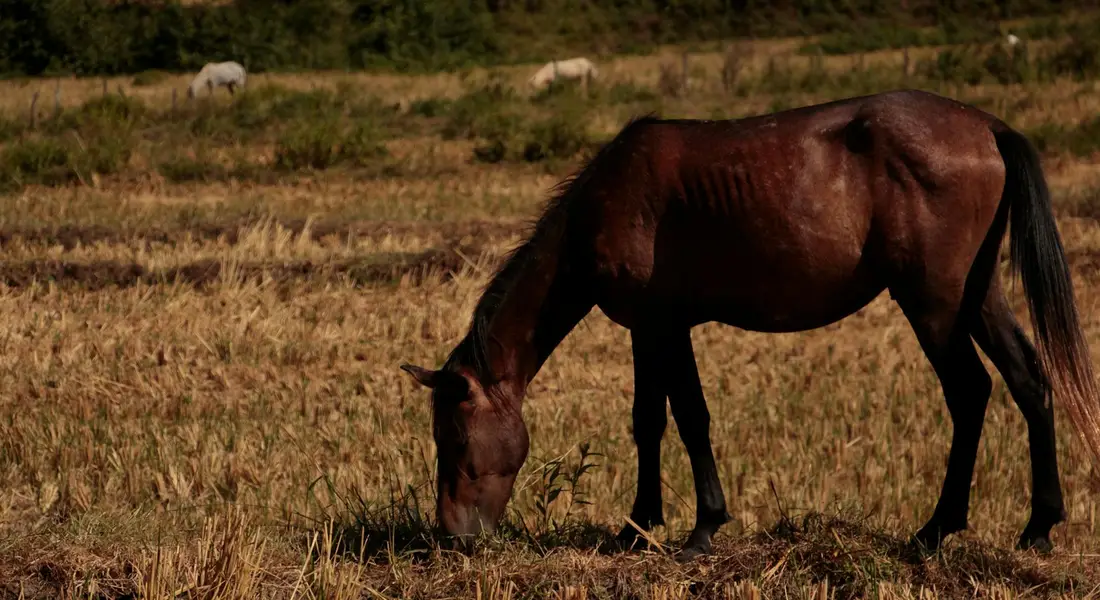
Think of supplements not as magic powders, but as targeted tools for seasonal gaps. Your horse might need them, or might not. The decision starts with observing your horse and knowing what your local forage provides. I keep a simple journal for each horse-Rusty, Luna, and the pony Pipin-to note their energy, coat shine, and hoof quality as seasons shift.
Electrolytes are a summer staple for any horse working up a sweat, replacing the sodium and potassium lost. In winter, I often add a splash of omega-3 rich flax oil to the feed. This isn’t just for shine; it supports joint comfort and skin health when the air is dry and cold.
A glowing coat is the best billboard for internal health. It tells me the digestion is smooth, the nutrients are absorbing, and the horse is content. That deep shine comes from quality fats, digestible proteins, and the simple joy of ample turnout time. If Luna’s coat looks dull in December, I look at her forage first before reaching for a supplement.
Mineral balances quietly shift with your hay source and how much water your horse drinks. A hay analysis from your local supplier can reveal surprises. Water intake drops in cold weather, which can affect how minerals are processed, so I always check that the heaters in the troughs are working. It’s a small thing that makes a big difference.
Winter Coat and Hoof Support
Wet, muddy winters are tough on hooves. Supplements with biotin, zinc, and copper can help build stronger hoof wall to resist cracks and thrush. I started Pipin on a hoof-specific supplement after one too many escapes into the soggy pasture, and his feet became noticeably more resilient. Remember, no supplement fixes poor trimming or constant wetness.
For that insulating winter coat, I rely on fats. A quarter cup of flaxseed or a stable oil poured over the evening feed does wonders. This adds calories for warmth and promotes a dense, water-shedding coat, so horses like Rusty stay comfortable during those frosty morning turnouts. You’ll see the difference in the sheen and feel.
Replenishing What Summer Sweat Takes Out
When Luna comes back from a summer trail drenched, I know it’s electrolyte time. For working horses, plain electrolyte powders with sodium and potassium are key. Always offer electrolytes in water or on wet feed, and ensure fresh water is available, as forcing a dehydrated horse to drink salty water is counterproductive. I avoid the sugary, flavored mixes.
Don’t forget trace minerals. If your summer hay is grown in selenium-poor soil, a balanced trace mineral salt block or a targeted supplement can fill the gap. This is one area where being specific matters-too much selenium is toxic, so knowing your region’s soil profile is part of good stewardship. I test our local hay every few years to stay informed.
Frequently Asked Questions: Seasonal Feeding Adjustments
How does activity level change with seasons and affect feeding amounts?
Activity often decreases in winter due to shorter days and adverse weather, reducing calorie needs for maintenance. Conversely, increased summer riding or competition can raise energy demands. You must adjust concentrate and forage portions accordingly to match this fluctuating workload and prevent weight gain or loss.
What are the best types of food for maintaining energy in cold weather?
Increased amounts of good-quality grass hay are essential, as digesting fiber generates internal heat. Safe, dense calories can be added with soaked beet pulp or a quarter cup of vegetable oil. These provide fermentable energy without the high starch risks associated with large grain meals.
How do I transition my horse’s diet safely between seasons?
Always make dietary changes gradually over 10-14 days to allow the gut microbiome to adapt. Start by mixing 25% of the new feed with 75% of the old, slowly adjusting the ratios every few days. Closely monitor manure consistency and appetite throughout the entire transition period for signs of digestive upset.
A Steward’s Guide to Seasonal Feeding
Increase hay calories to fuel internal heating in winter and shift to hydrating, easily digested feeds during summer’s peak. Your horse’s individual metabolism and workload, not generic season charts, must drive every adjustment you make to their diet. Regularly monitor your horse’s weight and body condition to ensure the diet supports a healthy frame. This is central to managing your horse’s weight through diet.
Patience and consistent monitoring trump any rigid schedule-watch for subtle cues in energy and coat quality. True horsemanship means letting the animal in front of you have the final say on what keeps them thriving through the year’s turns.
Further Reading & Sources
- Seasonal Diet Tips for Exotic Pets | South Texas Avian & Exotic Hospital
- What Happens to Your Body When You Eat Seasonally
- Pet Nutrition Spotlight: Seasonal Diet Adjustments for April | Bethel Pet Hospital
- Seasonal Diet Changes
At Horse and Hay, we are passionate about providing expert guidance on all aspects of horse care, from nutrition to wellness. Our team of equine specialists and veterinarians offer trusted advice on the best foods, supplements, and practices to keep your horse healthy and thriving. Whether you're a seasoned rider or new to equine care, we provide valuable insights into feeding, grooming, and overall well-being to ensure your horse lives its happiest, healthiest life.
Nutrition