
Synthetic vs. Leather Tack Care: Practical Differences for Horse Safety and Gear Longevity
Hello fellow equestrians, does the sight of a dried-out bridle or a stiff girth make you worry about unseen wear that could fail at a crucial moment? Choosing the wrong care routine for your equipment isn’t just a cosmetic issue-it directly impacts your safety, your horse’s comfort, and your wallet.
Let’s clear the haze of saddle soap and conditioner claims. I’ll walk you through the hands-on realities so you can make informed choices for every piece in your tack room. We’ll cover the fundamental daily and weekly routines each material demands, how to identify stress points before they become dangerous breaks, and the real cost of ownership over years, not just the initial price tag.
This advice comes from a decade of barn management, where I’ve learned the hard way that proper care is the quiet backbone of every good ride.
Understanding Your Materials: A Tack Box Breakdown
The Feel and Function of Leather
Leather is a living material. It naturally breathes, allowing air to circulate between the gear and your horse’s skin. This breathability helps manage moisture during work, reducing the risk of chafing or saddle sores. Over months and years, quality leather slowly molds to your horse’s contours. I’ve watched Rusty’s saddle evolve, becoming a perfect imprint of his back that distributes weight evenly.
That custom fit comes with a responsibility. Leather left unoiled will stiffen and lose its flexibility. Cracks can form, creating weak points that are unsafe under pressure. Consistent, gentle care is the price of leather’s superior fit and timeless feel-it’s a partnership between you, the horse, and the tack. Sometimes, subtle behavior issues can stem from tack fit rather than the horse’s mood. A quick tack-fit troubleshooting checklist can help you determine if the saddle or bridle is contributing to the misbehavior. The rich scent of clean leather in my tack room is a daily reminder of that promise.
The Modern Appeal of Synthetic Gear
Synthetic equipment, often made from PVC, nylon, or biothane, is the pragmatic choice for modern barn life. It is significantly lighter than leather, a relief on your shoulders during long grooming sessions. Its greatest strength is resisting water; you can rinse off morning dew or Pipin’s muddy mischief without a second thought.
This gear boasts serious durability and abrasion resistance. I rely on synthetic turnout gear for Luna because it withstands her energetic paddock antics. For the wet climate or the constantly busy horse, synthetics offer a low-maintenance solution that prioritizes function and fast cleanup. It won’t mold like leather, but its resilience is a huge win for practical daily care.
The Cleaning Ritual: Step-by-Step for Each Material
How to Clean Synthetic Tack: The Quick Method
- Wipe every surface with a damp cloth to remove sweat, dirt, and hair. This simple step prevents grime from getting ground in.
- For stubborn spots, use a soft brush and a pH-balanced, mild soap. Harsh chemicals or bleach can degrade synthetic fibers, making them brittle.
- Rinse all soap away thoroughly with clean water. Soap residue can feel sticky and attract more dust.
- Air-dry completely in a shaded spot. Avoid direct heat from dryers or heaters, as it can warp straps and buckles.
A five-minute wipe-down after riding keeps synthetic gear safe, hygienic, and ready for the next ride, which means more time for your horse. I do this with Pipin’s synthetic driving harness-it’s a chore that practically does itself.
How to Clean Leather Tack: The Traditional Approach
- Remove all dried mud and sweat with a soft, dry brush. Starting clean prevents you from grinding dirt into the leather’s pores during washing.
- Apply a neutral saddle soap with a damp, wrung-out sponge, working in circular motions to lift grease. Skip saddle soap on suede or rough-out leather; use a dedicated cleaner to avoid matting the delicate surface.
- Wipe the leather clean with a separate, damp cloth to remove any soapy film. Always follow the grain of the hide.
- Let it dry at room temperature, away from sun or heaters. Forced heat robs leather of its natural oils and causes cracking.
Once dry, a thin coat of conditioner is non-negotiable. This process isn’t just cleaning; it’s a hands-on check for wear, stitches, and the overall soundness of your equipment before you next tack up. The quiet thud of a conditioned saddle placed on a clean back is a sound of true preparedness.
Conditioning and Protection: The Key to Longevity
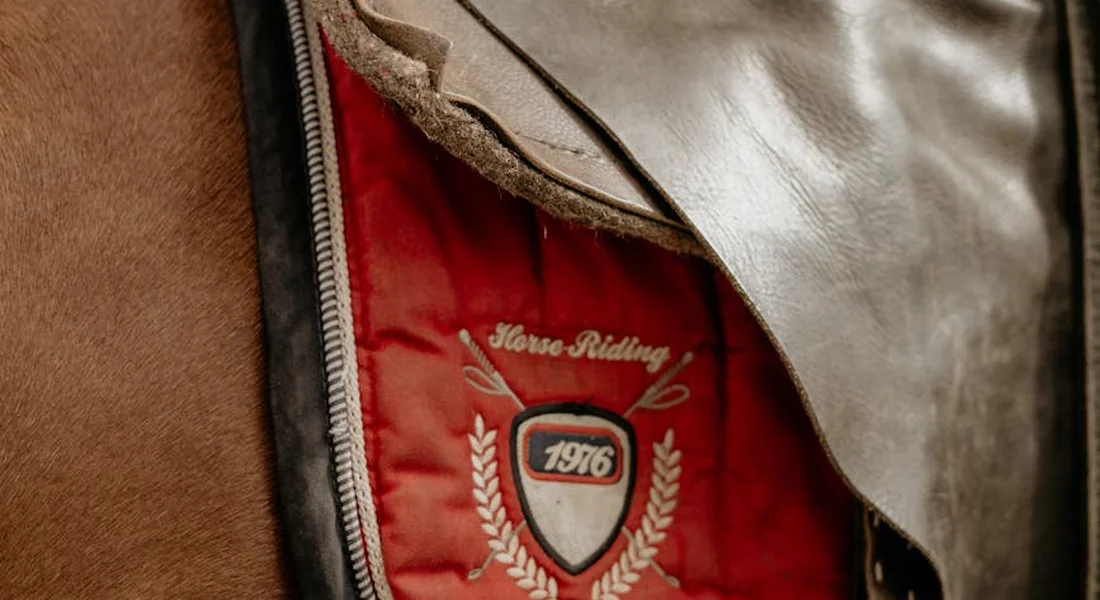
Think of tack care as preventive medicine for your equipment. A little regular effort stops big problems before they start. This is where leather and synthetic care truly diverge. Cleaning leather gear can be tricky, so knowing the right techniques is crucial.
Leather’s Lifeline: Moisturizing and Conditioning
Leather is skin. Just like our hands get dry and cracked, leather loses its natural oils through exposure to sweat, dirt, and simple evaporation. Conditioner is not a cosmetic luxury; it’s a necessary infusion of moisture and oils that keeps the fibers supple and prevents them from drying out and cracking. A deep crack in a critical stress point, like a billett or rein, is a failure waiting to happen.
I keep a dedicated “conditioning day” every month for my leather tack. The process is simple but mindful:
- Start with perfectly clean, dry leather. Any dirt trapped under conditioner acts like sandpaper.
- Apply a quality, oil-based conditioner (I prefer ones with lanolin or beeswax) with a soft cloth or your hands. Warm it in your palms first.
- Massage it in using small circles, paying extra attention to areas that flex or bear pressure-billets, stirrup leather folds, the headstall crownpiece.
- Let it absorb for 15-20 minutes, then buff off any excess with a clean, dry towel. You’re aiming for supple, not sticky.
Avoid silicone-based “shine” sprays as a conditioning substitute; they sit on top and seal the pores, preventing the leather from breathing or absorbing proper conditioners later. They can make leather brittle over time. Save the high-gloss for show day, not daily care.
Shielding Synthetics: UV Protection and Waterproofing
Synthetic materials won’t dry out and crack like leather, but they have a different arch-nemesis: the sun. Ultraviolet rays are the primary cause of fading and material degradation in synthetic fibers. A good UV-protectant spray, applied a few times a season, is your best defense against your navy blue saddle pad turning pale and the nylon fibers becoming weak and brittle.
Waterproofing sprays are also a wise investment, especially for trail gear and winter blankets. While synthetics dry quickly, a waterproofing treatment causes moisture to bead up and roll off, preventing heavy saturation. This keeps the material lighter and reduces the growth of mildew underneath. Remember, synthetics don’t need conditioning, but they greatly benefit from this protective shielding.
Drying and Storage: Avoiding Mold and Stiffness
How you put your tack away is just as important as how you clean it. Rushing this step invites mold, mildew, and permanent damage. This same care applies to storing horse tack blankets. Using proper storage helps keep blankets dry, clean, and ready to go.
Safe Drying Practices for All Tack
Never, ever apply direct heat from a radiator, hair dryer, or heater to dry tack. Intense heat cooks leather, making it stiff and prone to cracking, and can melt or warp synthetic components. Always air-dry everything at room temperature in a space with good airflow. Hang bridles by the crownpiece, not by a thin throatlatch.
For wet leather saddles, take an extra moment: wad up newspaper and stuff it loosely into the sweat flaps and under the panels. This absorbs moisture and helps the tree maintain its shape as it dries. For synthetic saddles and pads, ensure no moisture is trapped between layers or in stitching channels before storage.
Smart Storage Solutions to Prevent Damage
A tidy tack room is a safe tack room. Your goal is to create a stable, gentle environment. Here’s how:
- Store all tack in a cool, dry, and dark place. Damp, hot spaces are mold factories.
- Use breathable cotton or canvas tack covers. Avoid sealing leather or synthetic items in plastic bags, which traps humidity and promotes mildew.
- Keep tack away from direct heat sources, freezing temperatures, and dramatic temperature swings, which cause materials to expand and contract, stressing seams and fibers.
- Store saddles on a proper rack that supports the tree, not on the pommel or cantle. Hang bridles fully assembled to prevent kinks.
I learned the hard way with a favorite leather headstall left in a sun-baked trailer tack compartment; the leather became as stiff as cardboard and never fully recovered. A simple breathable bag would have saved it. Good storage is the silent guardian of your gear’s lifespan.
Durability and Daily Maintenance: What Wears and When
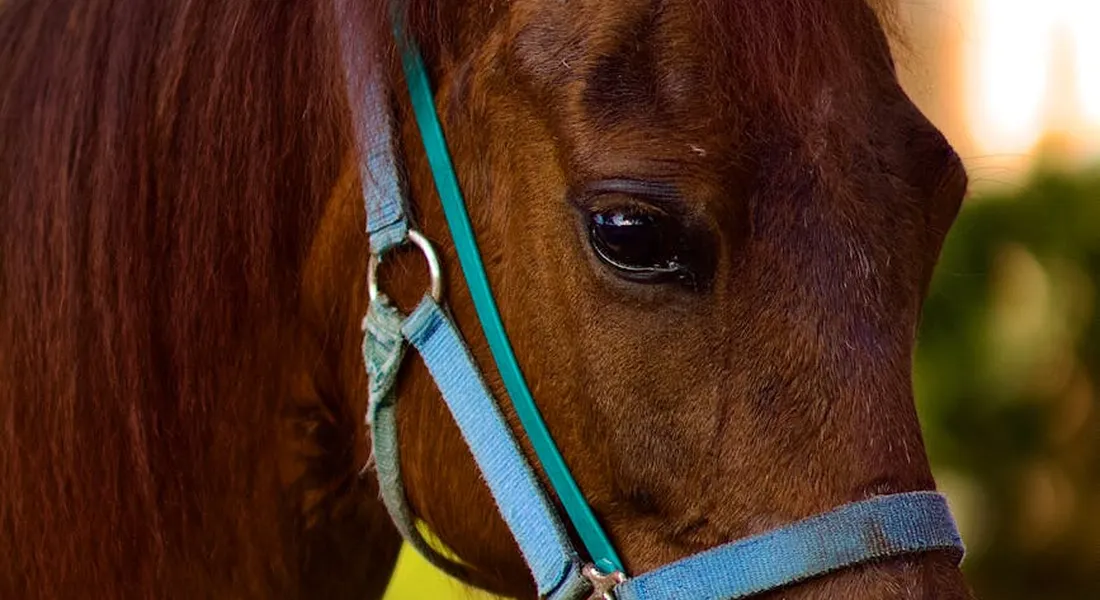
Leather Care Over the Years
Think of a good leather saddle as a partnership; its lifespan depends entirely on your commitment to care. With regular conditioning, a quality leather saddle can last decades, molding to your horse’s back and becoming a part of your riding story. Neglect it, and you’ll face cracked panels and stiff billets in a few short years. And just as care affects gear, breed matters for horse longevity too. If you’re curious about how long different horse breeds live, you’ll find more on that topic in the next section.
My rule is simple: clean and condition after every five to seven rides, or immediately after a sweaty session. Rusty’s sweat is corrosive, and I learned the hard way that skipping a wipe-down leads to white, crusty stains that eat into the leather. A damp cloth to remove dirt and sweat, followed by a light application of a quality conditioner or wax, keeps the fibers supple and resistant to moisture.
You must become a detective for wear. Check these key abrasion points every month:
- Billets: Look for stretching, thinning, or creasing. These are your primary safety connection to the girth.
- Stirrup Leathers: Inspect where they fold over the bar and where the buckle rests. Uneven wear can signal a need for replacement.
- Panels and Flaps: Feel for uneven lumps or excessive softening from leg pressure.
Minor stiffness is a warning sign, not a death sentence. A thorough cleaning and a heavier application of leather conditioner, left to soak in overnight, can often revive leather that feels like cardboard. If the leather becomes dry and starts to crack or feels brittle, the structural integrity is compromised, and it’s time to consult a saddler.
Synthetic Gear: Assessing Wear and Tear
Synthetic tack doesn’t ask for much daily pampering, but it demands vigilant safety inspections. Its failure is often less about gradual wear and more about sudden, catastrophic failure if a weak point is missed. Unlike natural leather tack, synthetic materials can sometimes hide these weaknesses.
After hosing off my synthetic trail saddle, I always give it a thorough hand-inspection while it dries. Focus your eyes and fingers on seam integrity; a popped stitch can quickly unravel under tension. Check where nylon or biothane straps loop through buckles or D-rings for excessive fraying. Look for material peeling or delamination, especially in high-flex areas like the girth guard. Knowing how to repair common saddle damage is crucial.
Sun exposure is synthetic’s great enemy. Vibrant colors fading to pastel isn’t just cosmetic; it indicates UV damage that weakens the material’s fibers. While you can’t reverse sun damage, storing tack in a dark, climate-controlled space dramatically slows this process. Synthetic is durable, but its longevity hinges on you catching small issues before they become dangerous ones.
Choosing What’s Right for Your Barn and Budget
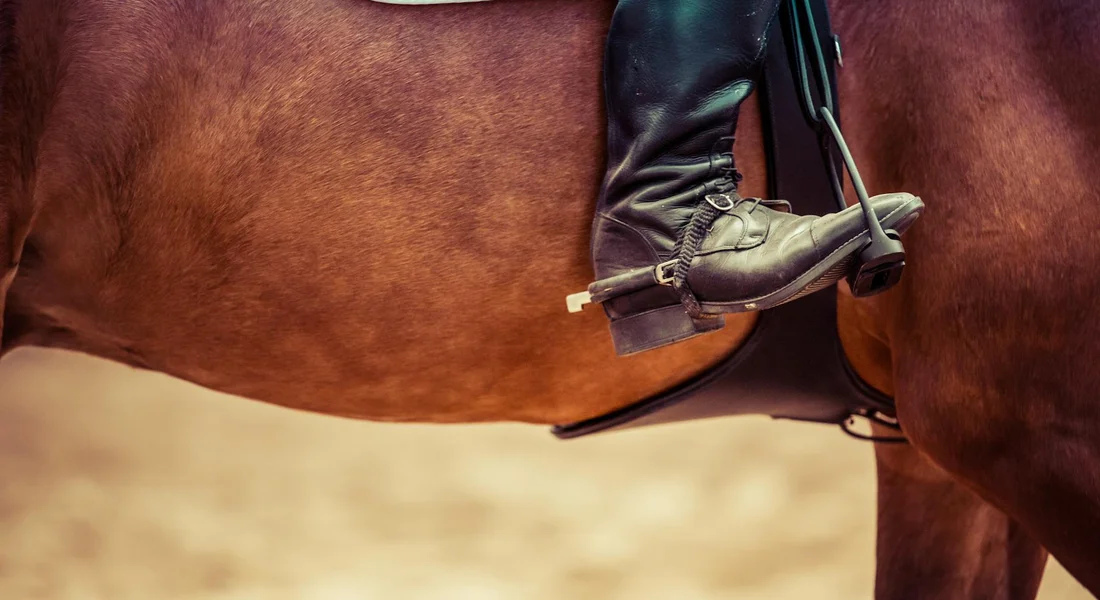
Matching Tack to Your Riding Life
This choice isn’t about what’s “better,” but what’s better for your specific situation. I have both materials in my tack room because they serve different purposes. Let’s break down the decision factors.
| Factor | Leather | Synthetic |
| Upfront Cost | Higher initial investment | Significantly more budget-friendly |
| Maintenance Time | Requires regular, hands-on care | Wipe-and-go simplicity |
| Climate Suitability | Can mildew in humidity; dries out in arid heat | Impervious to moisture; excellent for wet climates |
| Long-Term Value | Can last generations with care; holds resale value | Shorter lifespan; minimal resale value |
The most critical factor, overshadowing all others, is achieving perfect fit for your horse, which is a function of saddle tree design and panel shaping, not the outer material. A poorly fitted synthetic saddle is just as harmful as a poorly fitted leather one. Luna, with her high withers, needs a specific panel configuration I found in a wool-flocked leather saddle. For Pipin the pony, a lightweight synthetic driving harness is perfect for his muddy field adventures.
Final Pro Tips for a Happy Tack Room
Harmony in the barn starts with organized, safe tack. These routines are non-negotiable for me, regardless of what my gear is made from.
Create a weekly “Tack Check” ritual that takes ten minutes but prevents countless problems. Hang your bridles and inspect every buckle, stitch, and strap. Run your fingers along billet straps and girths. This isn’t just maintenance; it’s a quiet moment of connection to the equipment that keeps you both safe.
- For Leather: Keep it clean, conditioned, and stored on shaped racks in a dry, temperate space. Never store it in a sealed plastic bag.
- For Synthetic: Wash off sweat and dirt after use. Dry thoroughly before storage. Keep it out of direct, prolonged sunlight.
- For Both: Replace any item at the first sign of structural doubt. Your confidence in the saddle and bridle translates directly to your horse’s relaxation and your own safety in the stirrups.
FAQ: Synthetic vs. Leather Tack Care for Horse Equipment
How does the carbon footprint of synthetic horse tack compare to leather?
Synthetic tack typically has a higher initial carbon footprint due to petroleum-based production, but it may last longer with less maintenance, reducing overall waste. Leather tack involves livestock farming and chemical tanning, which can contribute to greenhouse gases and water pollution. For environmentally conscious equestrians, considering recycled synthetic materials or ethically sourced leather can help minimize ecological impact, especially when combined with proper care and cleaning practices to extend their lifespan. Cleaning and maintaining tack not only preserves its condition but also supports sustainability efforts.
What are the key differences in care products for synthetic versus leather tack?
Synthetic tack requires specialized pH-balanced cleaners and UV-protectant sprays to prevent sun damage and maintain water resistance. Leather tack needs oil-based conditioners with lanolin or beeswax to moisturize fibers and prevent cracking. Avoid using leather products on synthetics, as they can cause residue buildup and compromise the material’s integrity. Keeping tack clean ties into hoof care and proper horse hygiene. Regular tack maintenance and hoof hygiene go hand in hand with overall safety and health of the horse.
Are synthetic leather cases or seat covers beneficial for protecting horse tack during storage or transport?
Synthetic cases offer durable, water-resistant protection for tack like saddle pads or girths, shielding them from dirt and moisture in barns or trailers. They are easy to wipe clean and lightweight, making them convenient for frequent use. Ensure cases are breathable to prevent mildew, and pair them with proper rack storage to avoid deformation of equipment.
A Stable Keeper’s Parting Advice
Synthetic gear is a lifesaver for quick clean-ups and damp climates, while leather requires a dedicated ritual of cleaning and conditioning to preserve its integrity. Your decision should balance your daily routine with a commitment to consistent inspection, as frayed stitching or a stiff billet is a risk in any material.
I learned with Luna that a horse’s resistance is often the first sign of a tack issue, so always listen to that feedback. Patience in care and attention to fit will keep you both secure and comfortable for miles to come. That begins with making sure the tack is properly fitted and adjustable for Luna’s shape and gait. Taking the time to properly fit and adjust horse tack now will pay off in smoother rides and lasting partnership.
Further Reading & Sources
- Tack Cleaning & Leather Care – Riding Warehouse
- Lincoln Horse Care – Lincoln Synthetic Saddle Cleaner
- Tack Cleaning and Leather Care | Dover Saddlery
- How To Clean Horse Tack | Schneiders Blog
At Horse and Hay, we are passionate about providing expert guidance on all aspects of horse care, from nutrition to wellness. Our team of equine specialists and veterinarians offer trusted advice on the best foods, supplements, and practices to keep your horse healthy and thriving. Whether you're a seasoned rider or new to equine care, we provide valuable insights into feeding, grooming, and overall well-being to ensure your horse lives its happiest, healthiest life.
Equipment