
11 Harmful Horse Feeding Myths: A Barn Manager’s Guide to Fact vs. Fiction
Hello fellow equestrians. You’ve probably heard a dozen different opinions on the “right” way to feed your horse, leaving you worried about colic, costly vet bills, or puzzling behavioral changes. I’ve seen that anxious look at the feed shed many times, and your concern is absolutely valid.
Today, we’ll clear the stall of common misinformation and get to the truth. We’re tackling myths about the real role of grain, the truth about supplements and “hot” behavior, and why more hay isn’t always the safe answer. We’ll also bust old tales about water, senior feeds, and the true meaning of a “balanced” diet.
I’ve based this on twenty years of barn management, daily feeding for everything from cheeky Shetlands to sleek Thoroughbreds, and a relentless focus on equine gut health.
The Foundation: Forage Myths That Undermine Health
Myth: All Hay is Just Filler
Calling hay “just filler” is like calling oxygen “just air.” Hay is the engine of your horse’s digestive health. I’ve seen too many good horses develop colic or ulcers when their diet lacked quality forage. The rhythmic chewing produces saliva, which buffers stomach acid, and the fiber keeps the hindgut fermenting smoothly. Understanding how a horse’s digestive system works helps you tailor a forage-focused plan. Knowing the system from mouth to hindgut clarifies why quality hay matters so much. Think of hay as the primary fuel, not the packing material.
Not all hay is created equal. Alfalfa packs a protein punch, perfect for a growing youngster or a hard-working horse, while timothy or orchard grass offers steadier energy for easy keepers like my quarter horse, Rusty. Here’s a quick comparison of common types:
- Grass Hay (Timothy, Orchard): Lower in protein and calcium, higher in fiber. Ideal for most adult horses in light work.
- Legume Hay (Alfalfa): Rich in protein, calcium, and calories. Use for performance needs or to supplement poor pasture.
- Mixed Hay: A blend of grass and legume. Offers balanced nutrition for many pleasure horses.
I remember switching Luna, my sensitive Thoroughbred, from a dusty batch of generic grass hay to a vibrant second-cut timothy. Within weeks, her coat lost its dullness and gained a healthy bloom. The right hay changes everything.
Myth: Older Horses Can’t Handle Hay
This myth breaks my heart. Older horses need forage more than ever, but we must adapt it to their changing bodies. The issue isn’t the hay itself, but often worn teeth that can’t grind it effectively. Denying an older horse forage is a fast track to weight loss and digestive upset. That means mindful feeding of seniors is essential. Senior-specific dietary considerations—softer forage, soaked hay, and balanced calories—help maintain weight and digestion.
My old Shetland, Pipin, is a master at working around his dental challenges. He taught me that “can’t handle hay” means “needs a different presentation.” Here are your options:
- Soaked Hay: Dunk hay nets in water for 15-30 minutes. This softens stems, making it easier to chew and reducing dust.
- Hay Cubes or Pellets: These can be soaked into a mush, providing all the fiber without the long stems. Ensure they are soaked thoroughly to prevent choke.
- Chopped Forage: Commercial “chaff” or chopped hay mixes easily with grain or water for a palatable, manageable meal.
The goal is constant, gentle fiber intake. Watching Pipin happily munch on a soaked hay cube mash, his belly full and his mind content, proves age is just a number when you cater to need.
Myth: Pasture is Always Perfect Nutrition
That emerald-green field looks like paradise, but its nutritional content swings wildly with the seasons. Spring grass can be as sugary as candy, while summer drought can turn it into fibrous straw. Assuming pasture is perfect is like assuming every home-cooked meal is balanced-it requires oversight.
I manage this daily with Rusty, who loves grazing but needs careful monitoring to avoid weight gain. Pasture varies in three key ways:
- Sugar & Starch Content: Highest in spring and fall, especially on cool, sunny days. This can trigger laminitis in prone ponies.
- Protein Levels: Lush young grass is high; mature, seeded grass is low.
- Mineral Balance: Soil deficiencies lead to grass deficiencies. Your pasture might lack selenium or copper.
Use a grazing muzzle for easy keepers, limit turnout during high-risk periods, and always provide a salt block. Test your pasture soil every few years. Turnout is vital for welfare, but smart management makes it safe. Consider a grazing muzzle acclimation plan your horse won’t hate to ease the transition. A gentle, gradual approach helps both you and your horse stay relaxed during muzzle training.
Grains & Concentrates: Navigating the Maze
Myth: A Scoop of Grain is a Universal Meal
That red scoop in the feed room is not a measuring cup-it’s a guessing game. Feeding by volume ignores the weight of the feed and the needs of the horse. Luna’s scoop of high-fat feed has far more calories than Rusty’s scoop of senior mix. You must feed by weight, using a scale, to know what you’re actually serving.
Base every meal on the individual. Here’s how I determine portions for my trio:
- Weight: Use a weight tape monthly. A 1,200 lb horse and a 800 lb pony do not get the same “scoop.”
- Workload: Luna in training gets more concentrated energy than Rusty on trail rides.
- Life Stage: Growing, senior, or breeding animals have specific nutrient demands.
- Condition: Is your horse gaining, losing, or holding weight? Adjust accordingly.
The feed bag’s directions are your starting point, not your gospel. Weigh it once, mark your scoop, and feed with knowledge, not habit.
Myth: Corn is Inherently Dangerous or Fatty
Corn got a bad reputation from old stories of “hot” horses and founder. The truth is, corn is a dense energy source, not a poison. The danger lies in overfeeding any high-starch grain, not in corn itself.
Corn provides digestible energy, which is useful for hard-keepers or performance horses. The key is processing and portion control. Whole corn is poorly digested; cracked or steam-flaked corn is safer. I occasionally use a small amount of flaked corn in Luna’s ration when her energy needs spike, but it’s never the main ingredient.
Compare it to cooking oil: a little adds calories efficiently, but a cup will ruin the meal. For most pleasure horses, good hay and a balancer pellet are sufficient. Corn is a tool, not a necessity, and it requires a careful hand.
Myth: All Commercial Feeds Are Created Equal
Walk down the feed aisle and you’ll see bags with similar colors but wildly different purposes. A “textured sweet feed” is not the same as a “complete pelleted feed” or a “ration balancer.” Choosing a feed based on price or brand loyalty alone can leave gaping holes in your horse’s nutrition.
You must become a label detective. Here’s what to scrutinize:
- Guaranteed Analysis: Lists minimums and maximums for protein, fat, fiber. Match these to your horse’s needs.
- Ingredient List: Ingredients are listed by weight. The first item is the most prevalent. Look for whole foods like oats and beet pulp over vague terms like “grain products.”
- Feeding Directions: A quality feed will provide clear, weight-based guidelines. If it says “feed 0.5-1 lb per 100 lbs body weight,” it’s designed to be fed in measured amounts.
I use a simple balancer pellet for Pipin to supplement his minerals without extra calories, while Luna gets a performance blend. Read the bag, every time. Your horse’s health is written in the fine print, especially when trying to manage your horse’s weight and diet.
The Supplement & Mineral Balancing Act
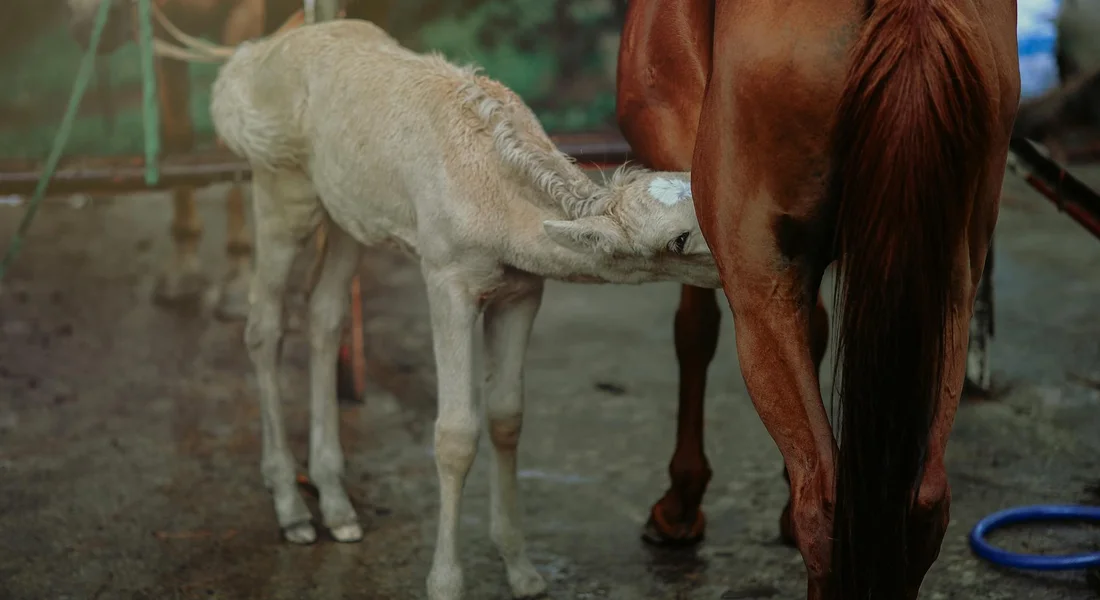
Walking down the feed aisle can feel like a trip to a vitamin shop. I get it. You see all those shiny bags promising glossy coats, calm minds, and bulletproof hooves, and you think, “My horse deserves that.” But more often than not, you’re paying for expensive horse pee.
Myth: Every Horse Needs a Supplement Stack
Throwing a handful of this and a scoop of that into your horse’s feed is not a strategy. It’s a guessing game that can throw their entire mineral balance out of whack. I’ve seen it firsthand—a well-meaning boarder started adding three different “hoof” supplements to her horse’s diet, only to end up with a dull coat and stiff movement because the zinc and copper ratios were all wrong. It’s much better to have a balanced diet specifically tailored for performance horses.
Start with a forage-first analysis: have your hay tested before you buy a single supplement. A high-quality ration balancer is often the only thing needed to fill the gaps your hay leaves. For horses in hard work, like Luna after a tough conditioning week, a targeted electrolyte or joint aid makes sense. For Rusty, living his best life on the trails? A plain salt lick and good hay do the trick.
- Test First: Know what’s in your hay.
- Target a Need: Supplement for a diagnosed deficiency or a specific, intense workload.
- Less is More: A simple balancer is cleaner and safer than a cupboard full of bottles.
Myth: A Salt Block Provides Enough Electrolytes
That pink block hanging in the stall is not a magic mineral stone. A horse licks it when they feel like it, which might not be when they actually need it. Electrolytes-sodium, potassium, chloride-are lost in sweat and must be actively replaced, not passively offered.
During hot weather or intense work, you must provide electrolytes in their feed or water to match what they sweat out. I learned this the hard way with Rusty on a humid summer ride; he was sluggish and not drinking well. Adding a daily dose of plain electrolytes to his wet mash got his hydration and energy back on track. A block is fine for maintenance, but it’s not a tool for replenishment.
Myth: Sugar and Starch are the Same Evil
We hear “low sugar and starch” and lump them together as dietary villains. They are different molecules that affect your horse in different ways. Sugars (like fructan in grass) are digested in the small intestine, while starches (from grains) require enzymatic breakdown. That raises the grain-free vs traditional feed question for your horse’s digestion. Understanding how sugars and starches impact the gut helps you decide what’s best for your pet’s digestion.
High-starch meals are the primary risk for conditions like laminitis and tying-up, as they can cause a damaging glucose spike and hindgut acidosis. Sugars can also be problematic, especially for metabolic horses, but the source matters. Soaking hay for 30-60 minutes leaches out sugars, a trick I use for our easy-keeper pony, Pipin, in the spring. Know your enemy: for most horses, managing starch intake from concentrated feeds is more critical than obsessing over every gram of sugar in hay.
Feeding Philosophy & Safety Pitfalls
How and when you feed is just as important as what you feed. This is where daily routine meets common sense.
Myth: More Feed Equals More Love (The Overfeeding Trap)
I understand the urge. That soft muzzle nuzzling your pocket is hard to resist. But equine obesity is a slow-motion crisis, stressing joints, compromising metabolic health, and stealing years from your horse’s life. Love is measured in careful stewardship, not extra scoops.
Use a weight tape weekly and learn to body condition score with your hands, not just your eyes. A rib you can easily feel but not see is the goal. If your horse is an easy keeper, use slow-feed nets to stretch their foraging time without adding calories. I’ve rehabilitated more than one “chunky” lesson horse not by starving them, but by making their limited hay last 14 hours a day.
Myth: Feeding is Simple and Doesn’t Require Routine
Your horse’s gut is a fermentation vat that thrives on predictability. Erratic feeding times, sudden hay changes, or “fasting” then large meals are direct tickets to colic town. Their digestive clock is more precise than a Swiss watch.
The most critical piece of feeding equipment you own is not a bucket, but a consistent schedule. Feed at the same times each day, introduce new feeds over 7-10 days, and ensure they have near-constant access to forage or water. The peace that comes from hearing the steady, rhythmic crunching of hay at 10 PM during check-in is the sound of a healthy, content digestive system at work.
FAQ: 11 Common Horse Feeding Myths That Can Be Harmful to Your Pet
Is hay just filler in a horse’s diet?
Hay is far from filler; it is the cornerstone of equine digestive health. It stimulates saliva production to buffer stomach acid and provides essential fiber for proper hindgut fermentation. Neglecting quality forage can lead to serious issues like colic and ulcers.
Is corn inherently dangerous or too fatty for horses?
Corn is not inherently dangerous but is a dense source of energy that must be managed carefully. The real risk lies in overfeeding any high-starch grain, which can cause digestive upset or metabolic problems. When processed correctly and fed in measured amounts, it can safely supplement the diet of hard-working or hard-keeping horses. Corn is not inherently dangerous but is a dense source of energy that must be managed carefully. The real risk lies in overfeeding any high-starch grain, which can cause digestive upset or metabolic problems. When processed correctly and fed in measured amounts, it can safely supplement the diet of hard-working or hard-keeping horses.
Does a salt block provide enough electrolytes for my horse?
A salt block is insufficient for replenishing electrolytes lost through sweat during exercise or hot weather. Horses require active supplementation in their feed or water to restore key minerals like sodium and potassium. While blocks are fine for maintenance, they should not be relied upon for recovery after significant fluid loss.
Straight from the Feed Room
After mucking out stalls and filling hay nets for more years than I care to count, the simplest rule holds true: feed the horse in front of you, not the myth in the barn aisle. The safest, most effective diet is built on abundant, quality forage, with every scoop of grain honestly earned by sweat, not guesswork. If you’re wondering whether horses need grain, we’ll debunk that great equine diet myth. Stay tuned for practical guidance on when grain may be appropriate and how to assess your horse’s actual needs.
Your horse’s appetite and attitude are your best feeding guides-Luna’s shiny coat or Rusty’s steady energy tell me more than any bag label ever could. Build your routine on that patience and observation, because good horsemanship always comes back to listening.
Further Reading & Sources
- Horse Feeding Myths and Misconceptions
- ‘Feeding straights isn’t better’ and another horse nutrition myths busted – Horse & Hound
- 5 Equine Nutrition Myths That Could Be Harming Your Horse
- 7 Myths about equine nutrition – Equus Magazine
At Horse and Hay, we are passionate about providing expert guidance on all aspects of horse care, from nutrition to wellness. Our team of equine specialists and veterinarians offer trusted advice on the best foods, supplements, and practices to keep your horse healthy and thriving. Whether you're a seasoned rider or new to equine care, we provide valuable insights into feeding, grooming, and overall well-being to ensure your horse lives its happiest, healthiest life.
Nutrition