
Horse Body Condition Scoring: Adjust Feed for a Healthier Horse
Published on: September 5, 2026 | Last Updated: September 5, 2026
Written By: Henry Wellington
Hello fellow equestrians. Spotting a bony wither or a fatty crest on your horse can instantly stir up stress about lameness risks, saddle fit woes, and those sneaky feed bills.
Let’s turn that worry into actionable know-how. In this article, I’ll break down the barn-door-simple system that lets you track your horse’s weight like a pro.
We will cover:
- How to run your hands over key areas and assign an honest body condition score.
- Why a “5” isn’t just a number-it’s the sweet spot for health and performance.
- Precise ways to modify hay types, grain rations, and pasture access based on your score.
I’ve spent countless mornings in the aisle with a feed scoop in one hand and a condition scoring chart in the other, fine-tuning diets for everything from ribby OTTBs to roly-poly ponies.
What is Body Condition Scoring and Why Does It Matter?
Body Condition Scoring is a hands-on, eyes-on check-up you do on your horse to gauge their fat cover and muscle tone. Think of it as a report card for their weight, giving you a simple number to work with. This score is your best tool for making smart, timely changes to their feed before a small issue becomes a big health crisis. Regular use lets you assess your horse’s condition over time. It’s a practical way to assess your horse and tailor feeding and care as needs change.
It moves you beyond guessing if your horse looks “good” to knowing exactly where they stand. I use it every month on all our boarders, from steady Rusty to sleek Luna. Regular scoring turns feeding from a habit into a precise strategy for lifelong health.
Ignoring weight can lead to serious trouble. Here are the main risks:
- Laminitis: Overweight horses are at much higher risk for this painful, debilitating hoof condition.
- Energy Deficits: A thin horse lacks the reserves for work, healing, or staying warm in winter.
- Overall System Strain: Extra weight stresses joints and the heart, while being underweight weakens the immune system.
Don’t let it intimidate you. Scoring your horse is like checking your car’s oil; it’s a straightforward, routine peek under the hood to ensure everything is running smoothly for the long road ahead. I’ve caught many a subtle change in Pipin’s pony frame this way, saving him from digestive upset.
The Henneke Scale: Your Guide to the 1-9 System
The standard system we use is the Henneke Scale, which ranges from 1 (emaciated) to 9 (extremely obese). A score of 5 is considered ideal-not too thin, not too fat. This scale gives us a common language, so when I say a horse is a “6,” another caregiver knows exactly what I mean. Alongside body condition, we also note the horse’s size using standard measurements like height at the withers and body length. These size metrics help us fit gear and plan care more precisely.
For visual learners, I always recommend keeping a horse body condition score chart pinned in the tack room or saved on your phone. Comparing your horse to pictures is the fastest way to train your eye, especially when monitoring for signs of illness or injury.
You’ll assess fat cover by looking and feeling these six key areas:
- Withers
- Ribs
- Spine
- Tailhead
- Pelvis (hooks and pins)
- Neck crest and shoulders
Run your hands over these spots. The feel of ribs under a layer of fat versus the sharp edge of a spine tells the real story. Consistency is key, so I make a quiet ritual of it during grooming, when the horse is relaxed and the barn is calm.
Understanding the Score Spectrum
Here’s a plain-English breakdown of what those numbers mean:
- Scores 1-2 (Poor to Very Thin): Bones are sharply prominent. The spine, ribs, and pelvis stick out with no fat cover. You might see this in a rescue case.
- Scores 3-4 (Thin to Moderately Thin): You can easily see the outline of ribs. The top of the spine is visible, but the vertebrae don’t feel sharp. The tailhead is prominent.
- Score 5 (Moderate or Ideal): This is the sweet spot. Ribs are easily felt but not seen, the back is level, and there’s a slight crest on the neck. This is where I aim to keep my trail partner, Rusty.
- Scores 6-7 (Moderately Fleshy to Fleshy): Ribs require firm pressure to feel. Fat begins to deposit along the withers, behind the shoulders, and around the tailhead.
- Scores 8-9 (Fat to Extremely Fat): Ribs are buried under fat. There are obvious creases and bulges along the neck, back, and hindquarters. The flank area fills in completely.
Spotting a shift from a 5 to a 6 is your cue to adjust hay before you ever need to tighten a girth another notch. I learned this with Luna, whose thoroughbred metabolism can swing quickly with changes in work.
Step-by-Step: How to Perform a Body Condition Score Assessment
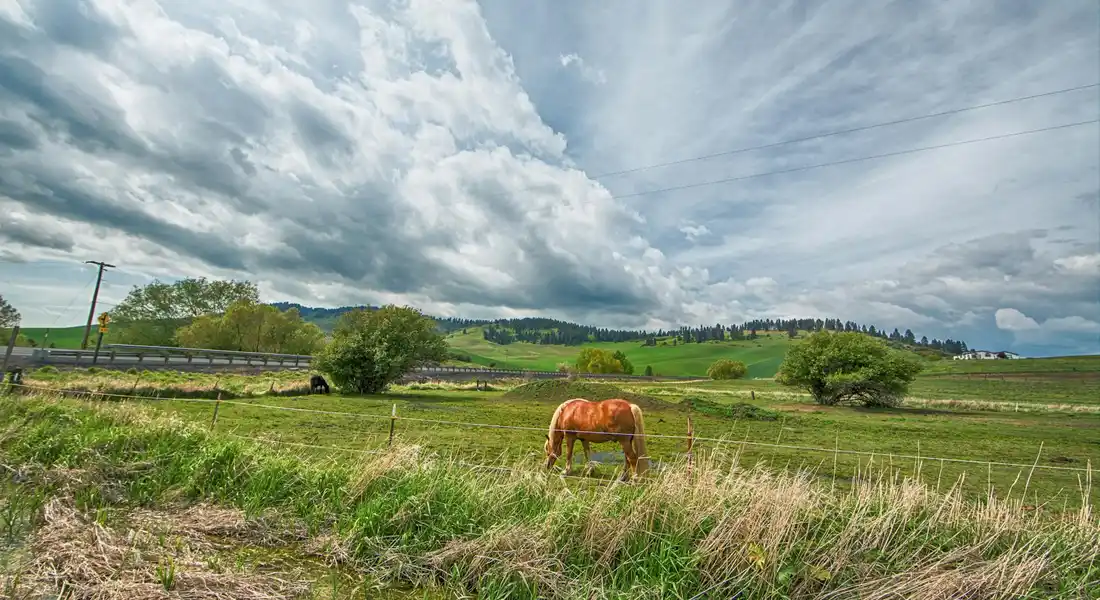
Grab a halter and lead rope, but leave the clipboard for later. This assessment is about your hands and eyes. Always start your evaluation with the horse tied safely or held by a calm helper, ensuring you can step away easily if needed.
- Observe from a distance. Stand back ten feet and look at your horse’s profile and from behind. You want to see their overall shape without your shadow looming over them.
- Make a quiet approach. Move in slowly, letting them hear your voice. I always offer the back of my hand for a sniff first-it’s a polite barn introduction.
Assessing a sensitive soul like Luna taught me patience. She used to sidestep and tense up at sudden touches. I found that humming a tune and starting with a gentle scratch on her withers, rather than a direct probe, made her sigh and accept the evaluation.
- Feel the ribs. Place your flat hand firmly on the ribcage, just behind the elbow. This is your primary data point.
- Run your fingers down the spine. Start at the withers and follow the backbone to the tailhead, noting the bone’s prominence.
- Check the withers. Feel the base of the neck where the saddle sits. Are they sharp or rounded?
- Palpate the tailhead. Feel the area around the top of the tail. Is it bony, smooth, or does it have a soft pocket of fat?
- Evaluate the neck and shoulders. Run your hand from the poll down the neck, feeling for fatty deposits, then over the shoulder blades.
Feeling for Fat Cover: A Tactile Guide
Your fingers are learning a new language. At the ribs, a score of 5 feels like the gentle corduroy ridges of a well-worn jacket-you feel them with light pressure. If the ribs feel like a smooth tabletop, you’re likely dealing with a score of 7 or higher, where fat has filled in the grooves.
The spine should feel like a rounded gutter, not a sharp rooftop. The withers should have a defined shape but not poke your palm. A fleshy tailhead has a spongy, muffin-top feel, while a thin one is all angular bone. On the neck, a slight crest is normal for some horses, but a hard, bulging crest is a warning sign.
Decoding the Score: What Each Condition Level Means for Your Horse
A score of 3, or thin, means you can see the ribs, spine, and hip bones from a distance. This horse needs more calories, often from increased quality forage, and a vet check to rule out underlying issues. They lack the reserves for sustained work.
Score 4, moderately thin, shows a faint rib outline and a prominent but not sharp spine. This horse is on the edge and will benefit from a careful bump in feed, focusing on digestible fiber like good alfalfa-mix hay.
Score 5 is the goldilocks zone. You can’t see the ribs, but you can easily feel them. The withers are defined, the neck blends smoothly, and the back is level. This is the ideal condition for a horse in regular work, combining health with performance readiness.
At score 6, moderately fleshy, you need to press firmly to feel the ribs. A slight fat pad develops along the withers and tailhead. This horse is still fit but may need workload adjusted or sugary treats cut back to prevent creeping weight gain.
Score 7, fleshy, presents with spongy fat over the ribs and a soft, filled-in tailhead. The neck is noticeably thicker. This condition starts to stress the metabolic and skeletal systems, increasing laminitis risk, especially in ponies like Pipin.
Scores 8-9, fat to obese, feature obvious cresty necks, deep fat deposits along the spine, and patches of fat on the inner thighs. The ribs are buried. This is a veterinary health emergency, requiring a strict diet plan and no grain. Every extra pound taxes their heart and joints.
Adjusting Feed for Weight Gain: Strategies for the Underweight Horse
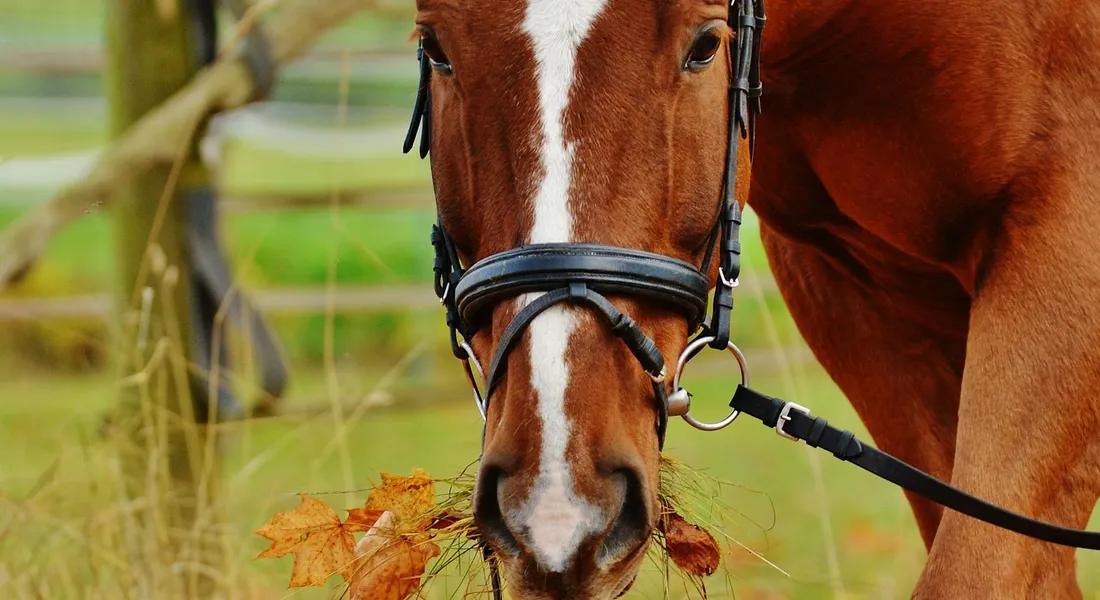
Seeing ribs on your horse means a careful calorie boost is in order. Increase total feed by no more than half a pound per day each week to prevent digestive chaos like colic or diarrhea. I pace changes over ten days, watching manure consistency like a hawk after a rushed change upset Rusty’s belly last spring.
Forage quality is your first lever to pull. Switch from stemmy, mature grass hay to a softer, leafier alfalfa or mixed legume blend, which packs more protein and calories per flake. The sweet smell of fresh-cut clover hay and the sound of contented chewing can build weight steadily without touching a grain bag.
When hay and pasture aren’t enough, add concentrates with precision. Offer high-fat feeds or senior formulas in three or more small meals daily to boost absorption and reduce the risk of starch overload in the hindgut.
- Begin with a half-cup of vegetable oil or a pound of soaked beet pulp mixed into feed.
- Choose grains labeled for “weight gain” or “cool calories” to avoid fizzy behavior.
- Use a kitchen scale to measure pounds, not scoops, for consistent increases.
Track progress with photos and a weight tape every seven days. If your horse’s score stays at a 3 or dips after a month of adjusted feeding, involve your vet to check teeth, parasite loads, or underlying conditions. Luna’s sleek coat hid a need for dental work that slowed her gain until we addressed it.
Ration Planning for the Thin Horse
For a 1,000-pound horse scoring a bony 3, think increments, not leaps. A typical plan starts with free-choice premium hay and adds calories slowly through fats and fibers, not just grain. This approach is essential for proper daily hay intake and overall feeding.
- Week 1: 2% of body weight in alfalfa-grass hay (20 lbs), plus 1 lb of a balanced pelleted feed, split into two meals.
- Week 2: Increase hay to 22 lbs daily, add 2 cups of soaked beet pulp to the pelleted feed, now split into three meals.
- Week 3: Maintain hay, add ½ cup of corn oil to the beet pulp mixture, and ensure constant access to a salt and mineral block.
You should feel ribs with light pressure, not see them, after four to six weeks. Patience here is non-negotiable; the gut adapts at its own slow, steady pace.
Adjusting Feed for Weight Loss: Managing the Overweight Horse
Trimming equine weight is a marathon, not a sprint. Restrict forage intake by using small-holed slow-feed nets that make horses work for each mouthful, extending meal time and cutting calories naturally. The rhythmic tug and pull on the net satisfies their need to chew without the calorie dump of loose hay. Understanding roughage like straw in the equine diet helps clarify fiber and calorie balance. This context supports feeding plans that balance weight with digestion.
Replace calorie-dense grains with simpler options. Opt for plain oats or a high-fiber, low-starch complete feed in minimal amounts, and prioritize turnout in a dirt paddock or dry lot for movement. More steps each day burn fat far better than any feed restriction alone.
Go slow to protect their health. Rapid weight loss, especially in ponies or easy keepers, can precipitate a laminitis episode or metabolic crisis, so aim for a loss of only 20-30 pounds per month. I check Pipin’s crest and digital pulses weekly; any heat in the hooves means we ease up immediately.
Practical “Stable Hacks” for Reducing Calories
Creative management keeps horses happy while they slim down. For notorious eaters like my pony Pipin, a properly fitted grazing muzzle allows full-day turnout on spring grass without the sugar binge, turning a potential hazard into controlled foraging.
- Soak hay in a clean trough for 60 minutes to reduce soluble sugars by up to 30%, offering the same bulk with fewer calories.
- Create a “track” around your pasture perimeter using temporary fencing to encourage walking while they search for tidbits.
- Scatter their daily hay allotment in six small piles around a large stall or paddock to mimic natural grazing and increase steps taken.
The thud of hooves on dirt during extra turnout time is a better sound for weight loss than any feed room secret. Your goal is a fit, moving horse, not just a thinner one.
Special Considerations: Mares, Seniors, and Medical Cases
In the daily rhythm of barn life, I’ve learned that feed charts are just a starting point. Your horse’s life stage and health history demand a customized approach, moving beyond generic guidelines. It’s essential to create a feeding schedule tailored to your horse’s specific needs, especially when dealing with the sorrel flank of a broodmare or the swayed back of a senior. Each tells a different story.
Navigating Mare Condition for Breeding
For mares, body condition directly impacts reproductive success. Target a Henneke score of 5 to 6 before breeding; this provides the energy reserves needed for conception and early fetal development without excess fat. A mare too thin may not cycle regularly, while one too heavy risks complications. I think of it as fueling a long journey-you need a reliable tank, not an overflowing one.
The Senior Weight Battle
Old friends like Rusty teach us about gentle aging. Dental issues are the primary thief of condition. When teeth wear down, even the finest hay becomes a challenge, leading to weight loss despite a full feeder. Your feed strategy must adapt:
- Switch to soaked hay cubes or a complete senior feed for easier consumption.
- Consider adding a tablespoon of vegetable oil to meals for digestible calories.
- Ensure constant access to fresh water, as dehydration slows digestion.
Regular dental check-ups are non-negotiable-I schedule Rusty’s every six months like clockwork.
When Medicine Dictates the Menu
Horses with conditions like PPID (Cushing’s) or metabolic syndrome require a vet in the driver’s seat. These horses often need a carefully balanced, low-sugar, high-fiber diet to manage weight and insulin levels safely. Introducing any new supplement or feed without that guidance can do more harm than good. It’s a partnership where your role is observation and precise execution.
Ongoing Monitoring: Keeping Your Horse in Ideal Condition Year-Round
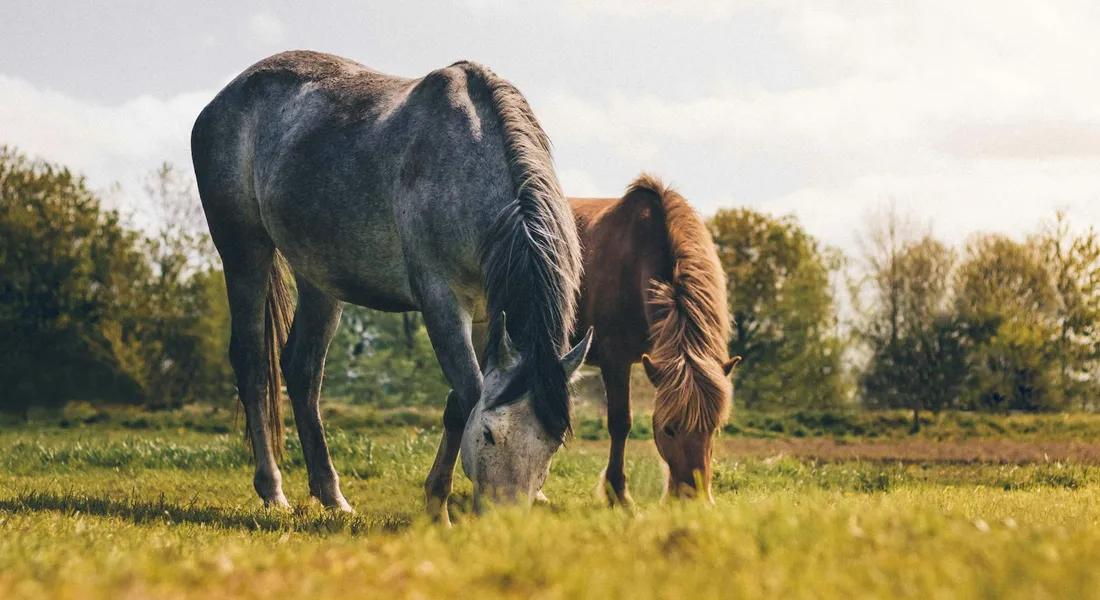
Condition scoring isn’t a one-time test. It’s an ongoing conversation with your horse, spoken through the feel of their coat and the shape of their silhouette. Making it a habit prevents small slips from becoming big problems. Just like knowing the signs of a healthy horse through daily checks.
Weave Scoring Into Your Routine
Turn your monthly deep groom into a full health audit. As you curry and brush, let your hands assess the ribs, withers, and tailhead, comparing them to your memory from four weeks prior. This tactile check takes two minutes but offers a wealth of information, catching subtle changes before your eye does.
Dance with the Seasons
Pasture quality and temperature swings demand feed room flexibility. Your approach should shift:
- Spring: Lush, fast-growing grass is high in sugar. Monitor weight closely and be ready to limit grazing or cut grain.
- Summer: Heat can curb appetites. Ensure salt blocks and fresh water are always available to support digestion.
- Autumn: Frost-killed grass loses nutritional value. Begin gradually increasing hay offerings to compensate.
- Winter: Cold weather burns calories for heat. Provide more hay, not just more grain, as the fermentation of fiber generates internal warmth.
Watch your individual horse-Luna’s high-energy metabolism needs different winter fueling than Pipin’s easy-keeping pony frame.
The Power of a Simple Log
Keep a weatherproof notebook on a clipboard in your tack room. Record the date, body condition score, feed amounts, and brief notes on demeanor or manure quality each time you assess. Over a year, this log reveals powerful patterns, helping you predict needs and providing concrete data for your vet. It’s the stable hack that turns management from reactive to proactive.
Frequently Asked Questions About Horse Body Condition Scoring
What is the most commonly used body condition scoring scale for horses?
The Henneke Scale, which ranges from 1 (emaciated) to 9 (extremely obese), is the widely accepted standard in equine care. It offers a detailed framework that translates directly into actionable feed adjustments. While simplified 1-5 scales exist, the 1-9 system provides the precision needed for effective long-term management.
How can body condition score charts and pictures assist in the scoring process?
Visual aids like charts and pictures provide a consistent reference to compare your horse’s physical appearance to ideal examples. They help calibrate your eye to subtle differences in fat cover over the ribs, spine, and tailhead. Regularly using these tools minimizes guesswork and leads to more reliable, repeatable scores over time.
Why is accurately distinguishing between a score of 3 and a score of 4 critical for diet planning?
A score of 3 signals a thin horse with prominent bones, often requiring a significant calorie boost and a veterinary exam to rule out health issues. A score of 4 indicates a moderately thin horse that needs a more measured increase in quality forage to reach ideal condition. Precise identification ensures you implement the correct feeding strategy to avoid under- or over-correction, especially when aiming to create a balanced diet for a performance horse.
Your Horse’s Weight, Your Responsibility
Make body condition scoring a regular part of your weekly routine, using your hands and eyes to track changes beyond what a scale can tell you. The most effective feeding plan is not found in a bag but is built by you, tailored to your horse’s unique work, metabolism, and access to turnout.
Adjusting weight is a slow dance, not a quick fix, so celebrate small wins and stay consistent. Your horse’s ribs and spirit are the truest gauges you have, so trust what they tell you over any rigid formula.
Further Reading & Sources
- The Body Condition Score | Iowa State University Extension and Outreach Equine Science
- Horse Body Condition Scoring | Purina Animal Nutrition
- Equine Body Condition Scoring* Poor: Horse extremely ema
- Henneke Body Condition Scoring | Mhwc
At Horse and Hay, we are passionate about providing expert guidance on all aspects of horse care, from nutrition to wellness. Our team of equine specialists and veterinarians offer trusted advice on the best foods, supplements, and practices to keep your horse healthy and thriving. Whether you're a seasoned rider or new to equine care, we provide valuable insights into feeding, grooming, and overall well-being to ensure your horse lives its happiest, healthiest life.
Nutrition