
Common Health Issues by Horse Breed: What to Watch For
Published on: March 2, 2026 | Last Updated: March 2, 2026
Written By: Henry Wellington
Hello from the barn aisle. If you’ve ever laid awake worrying about a mystery limp or a sudden change in your horse’s appetite, you know that gut-twist of anxiety. Breed-specific health problems can turn into expensive vet visits and safety concerns faster than a spook at a plastic bag.
This guide will walk you through identifying the unique vulnerabilities of your horse’s breed, spotting the early, subtle signs before they become big problems, and implementing daily management routines that support longevity and comfort. We’ll move from the paddock to the feed room with clear, actionable steps.
My advice comes from a long career of mucking stalls, fitting tack, and learning the hard way that a horse’s breeding is often the first clue to their care.
Why Your Horse’s Breed is a Health Blueprint
Think of your horse’s pedigree as a living, breathing owner’s manual written in genes. I’ve mucked stalls for years, and the pattern is clear: a horse’s build and temperament, shaped over centuries, point directly to their likely health hiccups. Luna’s Thoroughbred nerves make her gut a trouble zone, while Pipin’s pony metabolism means I watch his grass intake like a hawk. Breed-specific genetics dictate bone structure, how fast they metabolize sugar, and even their stress response, setting the stage for conditions like laminitis, EMS, or PPID (Cushing’s).
You don’t need a veterinary degree to spot the clues; you just need to know what to look for in your particular horse. Catching a metabolic issue early in a cob or a joint problem in a warmblood can mean the difference between management and misery. Your daily observation during grooming and feeding is the first and best line of defense against breed-related ailments.
Focus your watch on these five key health categories:
- Metabolic: Watch for abnormal fat deposits or lethargy, common in easy-keepers like many ponies and drafts.
- Musculoskeletal: Look for stiffness or change in gait, often seen in performance breeds with long, stress-prone legs.
- Respiratory: Listen for coughing or nasal discharge, frequent in horses exposed to dusty hay or poor ventilation.
- Digestive: Note changes in manure or appetite, a red flag for high-strung breeds on irregular feeding schedules.
- Genetic: Be aware of inherited disorders that require pre-breeding tests and careful lineage research.
Light and Hot-Blooded Breeds: Common Ailments
Breeds forged for speed and desert survival carry their history in their health profiles. Their “hot” blood translates to a reactive metabolism and a nervous system that’s always on alert, which can wear on the body. Success with these horses hinges on preventative care that respects their innate sensitivity and need for movement. I learned this with Luna; denying her turnout time is a surefire way to invite health trouble. Observing running behavior can reveal health concerns tied to their natural instincts. Understanding these impulses helps guide turnout and exercise to keep them balanced and sound.
Thoroughbreds: The High-Strung Athlete
Living with a Thoroughbred means loving a paradox: incredible athleticism wrapped in a surprisingly delicate package. From my time with Luna, I see three recurrent themes: gastric ulcers, paper-thin hoof soles, and a susceptibility to heaves (equine COPD). The sound of a hollow cough echoing in the morning barn is my cue to check her hay for mold and dust.
Ulcers are a near-epidemic in this breed. The combination of performance stress, stall confinement, and infrequent meals creates a perfect storm for stomach lining erosion. Watch for subtle signs like a dull coat, picking at hay, or a sour attitude when girthing up. Managing ulcers is less about medication and more about lifestyle: simulate natural grazing with constant forage access and minimize social stress in the herd.
Follow these steps to support a sensitive Thoroughbred gut:
- Provide free-choice grass hay or a slow-feed net to ensure stomach acid is always buffered.
- Replace high-starch grains with soaked beet pulp or a balancer pellet for safer calories.
- Prioritize turnout with compatible buddies to lower cortisol levels and encourage movement.
- Use a vet-prescribed ulcer preventative during transitions like shipping or changed training.
For their delicate feet, I use moisture-balancing hoof dressings and insist on regular farrier visits every five weeks. Preventing heaves starts with soaking hay for 30 minutes and using low-dust bedding like peat moss or shredded paper. Between visits, do maintain your horse’s hoof health with daily cleaning and inspections. Small routines like picking out debris and checking for cracks help keep hooves sound until the next trim.
Arabians: The Desert Heritage
The Arabian’s stunning beauty is matched by a unique genetic legacy that includes some serious health considerations. Breeders must be vigilant for conditions like Severe Combined Immunodeficiency (SCID), Lavender Foal Syndrome, and pervasive skin allergies from sun exposure. Genetic testing for breeding stock is non-negotiable to avoid heartbreaking outcomes with newborn foals.
SCID is a fatal disorder where foals are born without an immune system. Lavender Foal Syndrome presents with neurological dysfunction and a distinctive coat color. For the living horse, their often-pink skin is a magnet for sunburn and allergic reactions. I keep a bottle of equine sunscreen in my tack room and apply it to pink noses and muzzle areas before every summer ride.
Monitor your Arabian for these specific warnings:
- A foal that fails to nurse properly and suffers repeated infections, suggesting SCID.
- A newborn with seizures, rigidity, and a unusual diluted coat color, indicating Lavender Foal Syndrome.
- Crusting, hair loss, or intense itching on white markings, signaling photosensitivity or sun allergy.
Invest in a quality UV-blocking fly sheet and provide ample shade in the pasture. Working with a vet for annual skin checks and allergy management can keep your Arabian comfortable and cancer-free.
Stock and Draft Breeds: Robust but at Risk
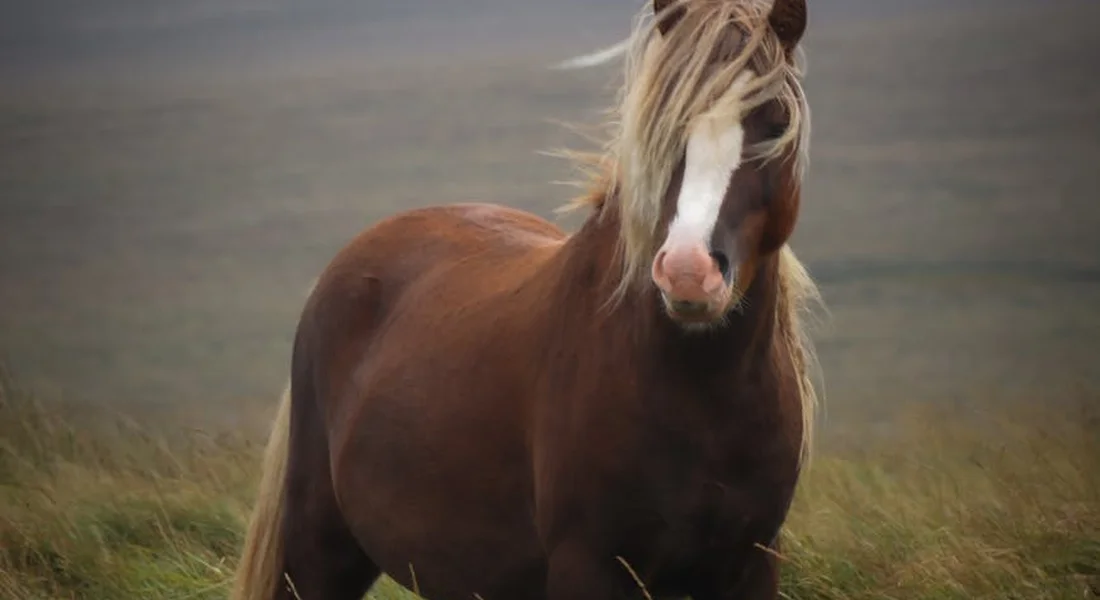
Their powerful frames and calm demeanor make stock and draft breeds favorites for steady work and reliable companionship. That solid build, however, can hide a genetic predisposition for certain health issues that require a watchful eye. I’ve spent years alongside these sturdy types, and their care often means managing the very strength we cherish.
Quarter Horses: America’s Workhorse
Take my guy Rusty, a quintessential Quarter Horse: dependable, strong, and with a deep chest that hints at his lineage. Breed classics like him can carry genes for Hyperkalemic Periodic Paralysis (HYPP), which causes sudden muscle tremors or weakness, often triggered by dietary potassium. Another common concern is Polysaccharide Storage Myopathy (PSSM), a metabolic disorder where muscles store abnormal sugar, leading to stiffness and “tying-up.” Their conformation can also lead to underslung heels, where the hoof angle is too low, stressing tendons.
Managing PSSM is largely about diet and consistent, gentle exercise. For a PSSM horse, fuel is about fat, not sugar, to keep those muscles firing smoothly. Here’s a quick list of dietary do’s and don’ts I follow:
- Do: Provide a low-starch, high-fat feed. I often use soaked beet pulp with a vitamin balancer.
- Do: Ensure constant access to low-sugar forage like mature grass hay.
- Don’t: Feed high-sugar grains, molasses-rich treats, or lush spring pasture.
- Don’t: Skip daily turnout; regular movement is non-negotiable for metabolizing energy.
Draft and Draft Crosses: The Gentle Giants
The satisfying thud of a draft horse’s hoof is a sound of pure power, but that mass demands support. Their size makes them prone to Equine Metabolic Syndrome (EMS), a precursor to founder (laminitis), and early-onset arthritis from carrying their own weight. Prevention hinges on proactive care. Start with their foundation: the hooves. Essential hoof care, including proper trimming techniques, keeps balance and reduces strain. Good trimming is the foundation of sound performance. I schedule regular six-week trims without fail, as a long toe can drastically increase strain on an already loaded limb. Weight management through controlled turnout is your best tool. Here are my steps:
- Use a grazing muzzle on lush pasture to slow intake while allowing movement.
- Create a “dry lot” or track system for turnout when grass sugar is high, using slow-feed hay nets.
- Feel for ribs easily; if you have to press, they need less calories, not more exercise that could hurt their joints.
Ponies and Miniature Horses: Big Concerns in Small Packages
Never let a small size fool you. Ponies evolved to thrive on sparse forage, making their modern metabolism a ticking time bomb for obesity on rich pasture. This efficiency directly fuels laminitis and complicates dental care in their tiny jaws. You must become a dedicated weekly detective with a hands-on body condition score check to stay ahead of trouble.
Follow this step-by-step guide every seven days:
- Stand beside your pony and run your hands over the ribs. You should feel them with light pressure, not see them.
- Check the crest of the neck; it should be soft, not hard or cresty.
- Look from behind; the tailhead should be palpable, not buried in fat.
- View from the side; there should be a slight tummy tuck, not a barrel shape.
Shetland and Welsh Ponies
My cheeky Shetland, Pipin, is a master at finding trouble and food, embodying the breed’s resilience and risk. His compact hoof structure and love for grass make him a prime candidate for painful laminitis and recurrent hoof abscesses, especially in wet conditions. Those small jaws also crowd teeth, requiring meticulous dental floats every six months to prevent sharp points and quidding. Forage choice is critical; I opt for late-cut, stemmy hays that mimic the sparse forage their bodies expect. Here are reliable low-sugar forage options:
- Teff hay
- Mature timothy hay (cut after seed head development)
- Soaked grass hay (soaked for 60 minutes to leach sugars)
- Straw mixed with a balanced vitamin supplement (for the very easy keeper)
Color-Based Breeds: When Coat Pattern Indicates Condition
Running my hands over a horse’s flank during grooming, I feel more than just hair and muscle; I’m reading a map written in genes. For flashy breeds like Paints and Appaloosas, a dazzling coat is often a genetic billboard for specific health conditions that demand your attention. The very DNA that paints those gorgeous patterns can sometimes include instructions for extra vigilance. It’s a reminder that true horsemanship means looking beyond the beauty, especially when addressing the unique grooming needs of different breeds.
I’ve seen too many owners miss the early signs because they didn’t know what to look for. Turning your horse out for ample daily pasture time isn’t just for happiness-it’s a cornerstone of health that helps mitigate some of these genetic risks through natural movement and foraging. Let’s translate those unique coats into a smart care strategy.
Paint Horses: The Patterned Problem-Solvers
Caring for a Paint means falling in love with their bold personality and their vulnerable pink skin. The lack of pigment in their white areas offers zero protection from UV rays, making sunburn and skin cancer a serious, year-round threat. I learned this the hard way with a sweet Paint who developed a small, crusty spot on his muzzle one summer.
Your watch list for Paints should focus on three main issues:
- Lethal White Syndrome: A fatal condition in foals from two overo parents. Responsible breeders test for it; as an owner, knowing a horse’s lineage is key.
- Skin Cancers (Squamous Cell Carcinoma): Check pink skin on the muzzle, eyelids, and genitals for any raised, ulcerated, or non-healing sores that look like stubborn dirt.
- Dermatitis: That sensitive skin is prone to irritation from flies, moisture, and allergens, leading to itching and hair loss.
My barn hack is simple but non-negotiable. Invest in a quality fly mask with integrated UV protection and make applying equine-safe sunscreen to pink noses as routine as picking hooves. During every grooming session, I do a thorough hands-on check, feeling for new bumps or scabs hidden beneath that striking hair.
Appaloosas: The Spotted Survivors
There’s nothing like the intelligent gaze of an Appaloosa, but those eyes are often where trouble starts. Equine Recurrent Uveitis (ERU or “moon blindness”) is a painful, inflammatory eye disease notoriously common in this breed and a leading cause of blindness. The first sign I ever noticed in an old Appy friend was just a subtle, extra blink in the sunlight.
Become a detective for these early symptoms of eye inflammation:
- Increased blinking or squinting.
- Cloudiness or a bluish film over the clear part of the eye.
- Excessive, watery discharge.
- Noticeable redness around the eyelid or the white of the eye.
Beyond the eyes, Appaloosas are famous for their delicate, striped hooves that crack easily. A consistent farrier schedule every 6-8 weeks is not a suggestion-it’s a medical necessity for maintaining hoof wall integrity and balance. Some also live with Congenital Stationary Night Blindness, so always use a calm voice and provide extra light when handling them in dim barn aisles or at dusk.
Building a Breed-Smart Health Plan
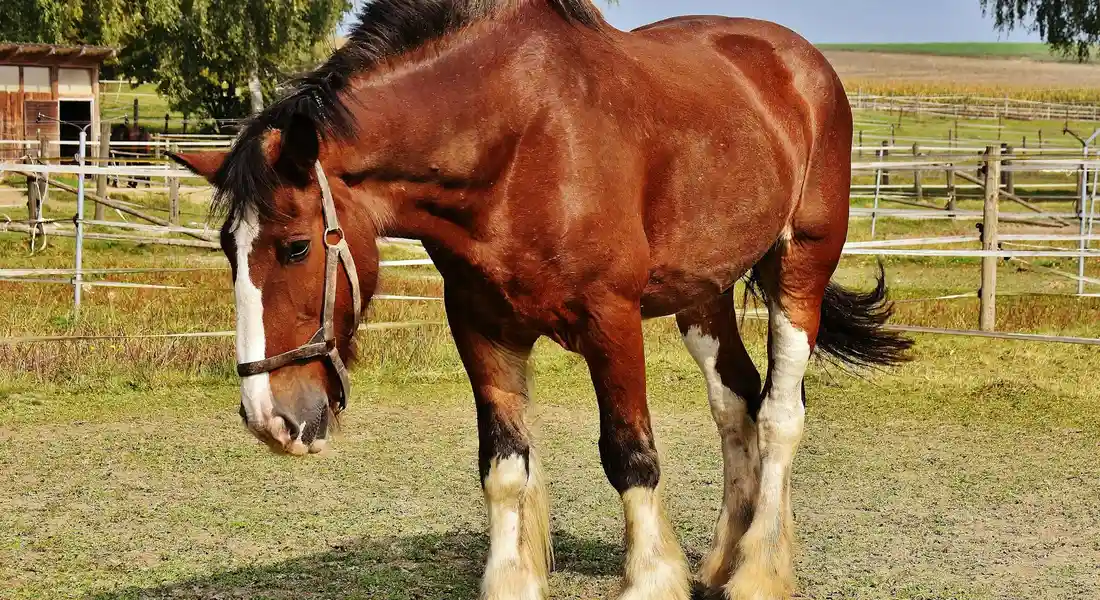
Knowledge is power, but only if you build a system to use it. A breed-smart health plan transforms worry into proactive, scheduled care that fits seamlessly into your barn year. It’s the ultimate act of gentle partnership, acknowledging your horse’s unique blueprint while advocating for their well-being.
Here is your actionable, numbered checklist for an annual health review. Tape it to your tack trunk.
- Schedule Comprehensive Dental Care: Book that yearly float. Proper chewing affects everything from digestion to bit acceptance, crucial for all breeds but especially those prone to metabolic issues.
- Update Your Parasite Control Protocol: Ditch the calendar-based deworming. Work with your vet on a fecal egg count to target treatments effectively, protecting your horse from internal invaders.
- Assess Hoof Balance with Your Farrier: This isn’t just a trim. Discuss breed-specific traits like thin Appaloosa hoof walls or the angled pasterns of some draft crosses to prevent chronic lameness.
- Review Diet for Breed-Specific Risks: Is your easy-keeper pony getting too rich of hay? Does your lean Thoroughbred need more calories? Adjust forage and supplements based on genetic tendencies toward obesity or nervous energy.
I keep a simple notebook in the feed room to jot down small observations-a change in manure consistency, a new rub from a fence. Bringing these notes to your vet transforms an annual check-up into a powerful, collaborative defense against bigger problems. Your informed care is the best foundation for a long, sound life together.
FAQ: Common Health Issues by Horse Breed: What to Watch For
Which horse breeds are generally considered the healthiest?
Breeds known for robust health are often those with diverse gene pools and a history of living in tough environments. Icelandic Horses and Arabian crosses frequently top lists for their hardiness and fewer pervasive genetic disorders. Ultimately, individual care and responsible breeding practices are just as critical as breed reputation for long-term health.
What are the healthiest horse breeds for a first-time owner?
For beginners, breeds like the Quarter Horse, Morgan, or certain Draft crosses are often recommended due to their typically calm temperaments and sturdy constitutions. Their generally lower predisposition to severe nervousness or extreme metabolic issues makes daily management more straightforward. Choosing a healthy horse within any breed also depends heavily on the individual’s history, veterinary care, and your own management capabilities.
What horse breeds do Reddit communities often suggest are the healthiest?
On forums like r/Equestrian and r/Horses, mixed breeds or “grade” horses are frequently praised for their hybrid vigor and reduced risk of specific inherited diseases. Mustangs and other hardy landrace breeds are also commonly highlighted for their natural resilience and strong feet. It’s important to remember that these are general discussions, and any horse requires a thorough pre-purchase exam by a vet. However, genetic considerations should not be overlooked.
Parting Wisdom from the Paddock
Let breed-specific knowledge inform your watch list, but always base your care on the unique horse in your stall. Building a relationship with a trusted equine veterinarian for regular evaluations is your strongest defense against hereditary and conformational health issues. Understanding whether care needs are initial or ongoing helps you plan from day one. That distinction guides when to schedule exams, vaccines, and preventive care for your horse.
Good horsemanship means marrying that knowledge with daily patience and a safety-first mindset. Your horse’s well-being is a continuous conversation-learn its language, and you’ll both ride happier and healthier.
Further Reading & Sources
- Breed-Specific Health Issues Archives – The Horse
- Gentle Giants – Draft Horse Diseases | Total Equine Veterinary Associates’ TEVApedia
- Genetic Disorders: Breed by Breed – The Horse
- The Most Common Health Problems in Horses | Albany Vets
At Horse and Hay, we are passionate about providing expert guidance on all aspects of horse care, from nutrition to wellness. Our team of equine specialists and veterinarians offer trusted advice on the best foods, supplements, and practices to keep your horse healthy and thriving. Whether you're a seasoned rider or new to equine care, we provide valuable insights into feeding, grooming, and overall well-being to ensure your horse lives its happiest, healthiest life.
Breed-Specific Care