
How Long Can a Horse Go Without Pooping or Urinating?
Hello fellow equestrians. That empty stall corner or the absence of that familiar smell can make your heart drop faster than a loose saddle. When your horse isn’t pooping or peeing normally, it screams “vet bill” and “late-night worry.”
Your gut feeling is right. This is a core sign of equine distress, linking directly to painful colic or urinary issues.
Let’s get you the facts. In this guide, I’ll cover what a healthy elimination schedule really looks like, the exact timeline when you should start to panic, stable-tested steps to get things moving again, and how daily turnout and gentle care prevent most problems.
I’ve spent years in the barn as a manager and trainer, sorting out everything from impactions in veterans like Rusty to stress-related holds in sensitive souls like Luna.
What’s Normal for a Horse’s Bathroom Habits?
A healthy horse’s digestive system is a marvel of consistent, noisy engineering. That familiar gurgle and rumble you hear when you press your ear to their flank is the soundtrack of a functioning gut. Knowing this normal rhythm is your first and best tool for spotting when something is off, and part of understanding the comprehensive signs of a healthy horse.
The Daily Digestive Rhythm
Think of your horse’s gut as a slow, steady conveyor belt. It’s designed for near-constant intake of forage, which means near-constant output. This rhythm is tied directly to movement and eating. A horse on 24/7 turnout with friends will produce more manure more regularly than a horse in a stall. The steady cadence of walking and grazing is what keeps that internal conveyor belt moving smoothly.
Manure Matters: Frequency and Volume
You’ll become very familiar with manure piles. A typical, healthy horse on a good forage diet will pass manure anywhere from 8 to 12 times a day. The size of each pile is about what fits in a standard manure fork-roughly one to two gallons. Over 24 hours, that adds up.
- Visual Check: Manure should be moist, formed into separate, slightly flattened balls that break apart easily. It shouldn’t be dry, hard pellets or a cow-pie-like slurry.
- The Smell Test: It has an earthy, fermented hay smell. A sharply sour or unusually foul odor can signal trouble.
- The Sound: I always listen for the solid, dull thud of manure hitting clean bedding; a lack of that sound throughout the day is my first audible clue.
In total, a horse produces about 50 pounds of manure daily-so if your wheelbarrow is feeling light, it’s time to investigate.
Urine Output: How Often is Typical?
Urination is less frequent but just as important. Most horses will urinate 5 to 7 times in a 24-hour period. Stalled horses often urinate more frequently than pastured ones, as they drink more concentrated amounts at once from a bucket.
- Stall Markings: You’ll typically see one or two large, wet areas in the bedding of a stalled horse per day. The urine should be pale yellow to clear, not dark orange or brown.
- The Stance: Mares and geldings posture differently. Knowing your horse’s normal “position” helps you notice if they are straining or adopting odd postures to go.
The volume can be surprising-anywhere from 1.5 to 2.5 gallons daily, so consistent access to clean water is non-negotiable. A sudden drop in those wet spots is a red flag.
When the Gut Grinds to a Halt: Horse Not Pooping
Silence in the stall is golden, except when it comes to gut sounds. The absence of manure piles creates a specific, anxious quiet. When the conveyor belt stops, every minute counts, and your observational skills become critical.
How Long is Too Long Without a Bowel Movement?
There is no safe “wait and see” period for a horse that has completely stopped defecating. If your horse shows signs of discomfort (looking at flank, pawing, lying down and getting up) and has passed zero manure for 1-2 hours, consider this a veterinary emergency. For a horse seeming otherwise comfortable but with no output, 3-4 hours is the absolute maximum before you make that call. Understanding how often a horse normally poops is part of understanding their digestive health. Small changes in frequency or output can signal a problem and warrant a quick veterinary consultation.
After a Colic Episode
Post-colic monitoring is intense. Even after pain medication, the gut needs to reboot. Your primary mission is to witness the production of soft, normal manure and hear consistent gut sounds. The first post-colic bowel movement is a major relief. If 4-6 hours pass after treatment with no manure, you must update your vet. The gut may still be stagnant.
Following Sedation or Surgery
Anesthesia and sedatives dramatically slow gut motility. It’s common for horses not to pass manure for 12-24 hours after a procedure. Your vet will give you a clear timeline, but your job is to watch for the return of gut sounds and any small, moist piles. Hand-walking and offering tempting, wet hay can help gently stimulate the system.
Common Culprits Behind Reduced Manure
The reasons for reduced output usually trace back to management. I’ve seen them all in my barn.
- Dehydration: This is the big one. Water intake must exceed 5 gallons a day for a stalled horse. Check buckets and heaters obsessively. Crunchy, dry manure balls are a telltale sign.
- Diet Change: A sudden switch in hay type, a new batch of richer pasture, or that time Pipin the pony broke into the grain bin. Any abrupt change can halt digestion.
- Pain or Stress: A painful tooth, an abscess, or social stress in the herd can make a horse stop eating and drinking, which stops the manure production line.
- Lack of Movement: A stalled horse without adequate turnout is at high risk. The gut relies on physical motion. Four walls and no walk is a recipe for an impaction.
- Sand Accumulation: In sandy regions, ingested sand can settle in the gut, creating a heavy, immobile mass that blocks the flow of digesta.
When the Bladder Balks: Horse Not Urinating
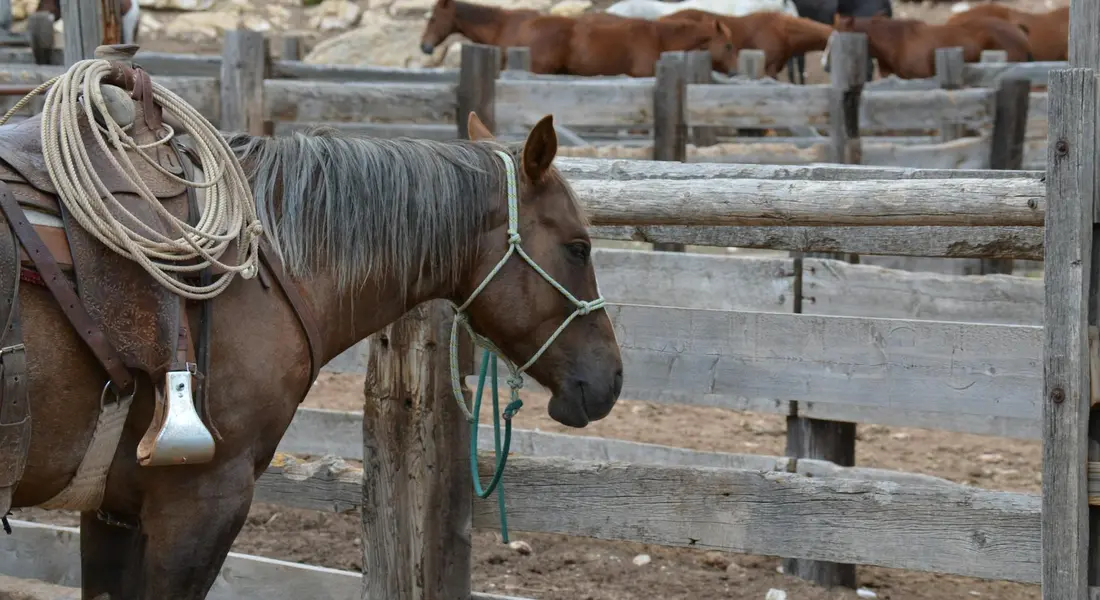
A silent stall, a dry bed of shavings, and a horse shifting his weight uncomfortably-these are the subtle alarms for a urinary problem. A horse’s plumbing is a high-volume operation, typically processing up to ten gallons of urine a day. When that flow stops, trouble brews quickly.
The Critical Timeline Without Urine
While a horse might voluntarily hold urine for several hours overnight or during travel, a complete cessation is a dire emergency. If you suspect your horse has not passed any urine for 12 hours, you are in emergency veterinary territory. Their system is simply not designed for retention; pressure builds, toxins accumulate, and the bladder can rupture.
I’ve paced the aisle waiting for a post-trailer ride pee more times than I can count. The relief when you finally hear that steady stream hit the gravel is palpable. That sound is a hallmark of normal function.
Post-Sedation and Anesthesia Concerns
Recovery from sedation or surgery requires extra vigilance. Medications can relax the bladder muscles or dull the urge. You must monitor for that first post-procedure urination; it’s a non-negotiable part of recovery checks. Offer clean water and a quiet space. If it’s been more than 8-10 hours since the procedure without output, call your vet.
What Causes Urinary Retention in Horses?
The blockage is usually mechanical or neurological. It’s not a simple case of “holding it.”
- Uroliths (Bladder Stones): These mineral concretions can lodge in the urethra, creating a painful, total blockage. Geldings are at higher risk due to their longer, narrower urethra.
- Severe UTI or Bladder Inflammation: Swelling and pain can make urination so difficult the horse simply stops trying.
- Neurologic Damage: Injury to the sacral spine can disrupt the nerve signals that control bladder emptying.
- Dehydration: Thick, sludgy urine and a lack of fluid volume won’t stimulate the bladder properly, creating a vicious cycle.
Decoding Distress: Signs of Abnormal Output
Horses speak with their bodies long before a crisis hits. Your daily glance at manure piles and a listen for urine streams is a powerful diagnostic tool—especially when it comes to understanding coprophagy.
Physical and Behavioral Red Flags
- Repeatedly stretching out as if to urinate (posturing) with little or no result.
- Frequent, tentative attempts to pee, producing only dribbles.
- Swollen sheath or udder.
- Stiff, stilted gait in the hind end, reluctance to move.
- General agitation, pawing, or looking at the flank.
- Loss of appetite, a classic sign everything is not okay.
Spotting Impaction Colic Symptoms
Impaction colic often starts with reduced manure output. The earliest sign is often a lack of fresh manure piles in the stall or paddock, coupled with a subtle drop in hay consumption. The horse may lie down more, or assume a stretched-out stance. Listen for gut sounds-a quiet abdomen is a warning bell. Understanding early warning signs of colic in horses can help you act swiftly. Quick recognition can prompt faster veterinary care.
Recognizing Urinary Tract Distress
Beyond trying to pee, watch for these clues. A horse with a urinary stone might sweat in patches over the flank. You might see a tense, tucked abdomen. In mares, tail-rubbing can indicate bladder irritation. Any sign of blood in the urine, even a pink tinge, warrants an immediate vet call.
Changes in Manure: Color, Consistency, and Clues
The manure pile is a daily health report. Normal, well-formed fecal balls indicate good hydration and gut motility.
- Hard, Dry Balls: Often the first sign of dehydration or impaction risk. Increase water intake and soak hay.
- Cow-Pie Consistency or Diarrhea: Can signal stress, dietary change, or infection. Monitor closely for dehydration.
- Unusually Dark Color: Could be from certain feeds (like beet pulp) or, if persistent, indicate bleeding high in the digestive tract.
- Mucous Strands or “Ropes”: Can be a sign of colon irritation or tapeworm burden.
- Undigested Grain: A red flag for poor teeth, too-rapid feeding, or a metabolic issue.
I keep a mental log for every horse. Luna’s manure gets loose when she’s anxious. Pipin’s becomes tiny and hard if he’s not drinking enough. Knowing their normal makes spotting the abnormal instant. That vigilance also helps you spot the early signs of illness or injury in your horse. In the next steps, we’ll outline what to look for and how to respond. Your eyes and a good manure fork are two of the cheapest and most effective diagnostic tools in the barn.
The Veterinary Emergency: When to Make the Call
If your horse hasn’t dropped manure in over 12 hours or hasn’t urinated in a day, stop reading and call your veterinarian. I learned this the hard way with my sensitive Thoroughbred, Luna, who once held her urine for nearly 24 hours after a stressful trailer ride. Time is the single most critical factor in preventing a digestive or urinary crisis from becoming a tragedy. Trust your gut; if the stable feels too quiet and you haven’t heard that familiar, comforting plop in the stall, it’s time to act.
Immediate Action Steps for Suspected Colic
Colic is a broad term for abdominal pain, and a lack of manure is a major red flag. Your first job is to assess and buy time for the vet to arrive. Remember the afternoon Rusty, my Quarter Horse, turned his nose up at dinner and started staring at his flank? Here is exactly what we did.
- Remove all food. Take away hay and grain immediately to prevent further gut loading.
- Assess vital signs. Check heart rate, gum color, and listen for gut sounds. A quiet belly is an alarming belly.
- Walk gently. Hand-walking can stimulate gut motility and prevent rolling, which might twist a bowel. Never force a colicking horse to walk if it is violently thrashing or trying to go down; your safety comes first.
- Do not administer any medications unless directly instructed by your vet. Well-meaning but wrong painkillers can mask symptoms.
- Keep the horse calm and comfortable while you wait. Sometimes, just standing quietly with them, like I do with Luna, can lower their stress and yours.
Urinary Retention as an Equine Emergency
While less common than colic, a horse that cannot urinate is in dire straits. This is often due to bladder stones or a severe infection. Watch for a horse standing in a urination stance for minutes with nothing coming out, or seeing dribbles of bloody urine. A blocked urethra is excruciating and can lead to a ruptured bladder, a condition that is often fatal. My pony Pipin once showed us these signs, and the swift vet call saved him. There are no safe home remedies for this. Your action plan is straightforward: call the vet, keep the horse in a quiet, safe space, and do not attempt to catheterize or treat it yourself.
Equine Digestion Unveiled: Can Horses Get Constipated?
You might wonder if horses get backed up like we do. The answer is nuanced. Their system is so different from ours that true, human-style constipation is rare. A horse’s digestive tract is a continuous-flow fermentation vat, designed for near-constant intake of roughage. When that flow stops, it’s usually an impaction, which is a physical blockage, not just slow transit. So, does a horse’s digestive system really work? It’s built to process continuous roughage, but it has limits that show up under stress, illness, or disruption of the gut flora.
The Hindgut Fermenter’s Reality
Think of the horse’s cecum and large colon as a vast, messy brewery. This is where microbes break down fibrous hay and grass. For this system to work, it requires a steady stream of fiber and gallons of water to keep the soggy mass moving. Dehydration is the arch-nemesis of the hindgut, turning digesting forage into a dry, concrete-like plug. I ensure all my horses, from Rusty to Luna, have constant access to clean, lukewarm water in winter and cool water in summer, because I’ve seen how quickly things can go wrong. That’s why keeping water fresh and inviting is essential, and owners should actively encourage their horses to drink. Regularly monitoring intake and offering water at agreeable temperatures helps ensure hydration and supports hindgut health.
Impaction vs. True Constipation
Let’s clear up the terminology. This isn’t just semantics; it affects how we respond.
| Impaction (Common in Horses) | True Constipation (Rare in Horses) |
|---|---|
| A physical blockage of dry, firm digesta in the large colon or cecum. | Difficulty passing hard, dry fecal matter from the very end of the digestive tract. |
| Primary causes: dehydration, poor-quality hay, lack of movement. | Often linked to pelvic nerve damage or severe motility disorders. |
| Treatment involves veterinary-guided fluids, laxatives, and walking. | Requires specific veterinary diagnosis and often long-term management. |
| Prevention is key: maximize turnout, provide soaked hay, and always have salt available. | If you see small, hard fecal balls, it’s a sign of a deeper issue needing a vet’s insight. |
In twenty years of mucking stalls, I’ve seen dozens of impactions, often in stalled horses on dry hay. True constipation? Maybe once. The daily rhythm of manure production is your best window into your horse’s inner health-treat any disruption as a serious signal.
Beyond the Basics: Understanding Output Variations
Knowing normal timing is just the start. The look and consistency of what comes out tell their own story. I’ve spent countless mornings mucking stalls, and that daily chore is a top-notch health check. Regular observation turns you into a detective, spotting small changes before they become big problems. Variations in manure and urine are your horse’s way of sending a memo.
What Different Manure Colors Can Mean
Healthy horse manure is generally a shade of greenish-brown, but shifts happen. Diet is the usual suspect, but color can wave a red flag. Here’s a quick guide from the feed tub to the vet phone.
| Color | Likely Cause | Action to Take |
|---|---|---|
| Very Dark Brown/Black | Often normal, but can indicate digested blood from a stomach or upper gut issue. | Monitor. If persists or is tarry, call your vet. |
| Pale Yellow or Mustard | Common with a diet high in straw or poor-quality hay. Can suggest liver stress. | Assess forage quality. If diet change doesn’t help, get a blood test. |
| Bright Green | Usually just very fresh, lush pasture. The horse is processing it quickly. | Normal for spring turnout. Introduce rich grass slowly to avoid founder. | Red Streaks | Fresh blood, often from the lower colon or rectum. Could be from a minor tear or serious colitis. | This is an urgent sign. Contact your veterinarian immediately. |
I recall a hot summer when Pipin’s manure became dry and dark. Dehydration often shows up in the manure pile long before the skin tent test. We added a soaked salt block and wet mashes, and his output returned to normal within a day. Your nose is a tool, too. A sharp, unusually foul smell can signal internal disturbance.
Blood in Urine (Hematuria): Causes and Concerns
Spotting blood in your horse’s urine is alarming. It ranges from a faint pink tinge to obvious red clots. Do not wait this out. Any visible blood in urine warrants a same-day call to your veterinarian. The causes vary from simple to severe.
Common reasons include:
- Urinary Tract Infections (UTIs): Bacteria irritate the bladder lining. Mares are more prone due to anatomy.
- Bladder or Kidney Stones: These mineral formations scrape and damage tissue as they move.
- Trauma: A kick or fall can cause internal bruising. I once saw this in a pasture scuffle.
- Equine Protozoal Myeloencephalitis (EPM): This neurological disease can affect bladder muscle control, leading to damage and blood.
Diagnosis needs a vet. They’ll likely want a fresh urine sample. Collecting one is a skill. I keep a clean soup ladle dedicated to this task for my sensitive mare, Luna. Gentle patience and a secure, quiet stall are your best allies for a stress-free sample collection. Watch for straining to urinate or a tucked-up posture, as these paired with blood signal serious pain. Your quick action is a direct form of gentle horsemanship.
FAQ: How Long Can a Horse Go Without Pooping or Urinating?
What should I do if my horse isn’t pooping after a colic episode?
Post-colic, witnessing a bowel movement is a critical sign of recovery. You must monitor closely for the return of gut sounds and any manure production. If 4-6 hours pass after veterinary treatment with no manure, you need to contact your vet for an update immediately.
Trust Your Gut and Theirs: Knowing When to Act
Establish a baseline by routinely observing your horse’s manure and urine output during daily chores. Any cessation longer than 12 hours, especially with signs like tail-swishing or repeated lying down, demands an immediate call to your vet.
Years in the barn have taught me that the deepest horsemanship starts with quiet observation. Your horse’s daily rhythms and subtle cues are the truest measure of their health, so always make time to listen. By learning to tell if your horse is happy through their body language, you can respond with timing and care that honors their needs. The signs are in the ears, eyes, posture, and tail, and understanding them deepens your partnership.
Further Reading & Sources
- Foal Urination and Defecation – The Horse
- Horses and Manure | Equine Science Center
- The Rules of ‘Poopspection’: Analyzing Your Horses’ Manure
- Horse Poop: The Scoop on Poop
At Horse and Hay, we are passionate about providing expert guidance on all aspects of horse care, from nutrition to wellness. Our team of equine specialists and veterinarians offer trusted advice on the best foods, supplements, and practices to keep your horse healthy and thriving. Whether you're a seasoned rider or new to equine care, we provide valuable insights into feeding, grooming, and overall well-being to ensure your horse lives its happiest, healthiest life.
Health