
Basic Equine Massage: A Hands-On Guide to Soothe Your Horse’s Sore Muscles
Hello fellow equestrians. Does your horse feel stiff when you first tack up, or do they resist that usual soft bend in the arena? That subtle soreness is their way of talking, and ignoring it can lead to crankier behavior and costlier vet visits down the line.
I will show you how to use your own hands to bring your partner relief. This article will cover the core techniques I rely on after long days at the barn:
- Reading your horse’s body language to find hidden tension spots.
- Executing three simple, safe massage strokes that actually help.
- Knowing when massage is enough and when you must call the vet.
My years as a barn manager and trainer have taught me that the best care often comes from quiet, observant hands.
Why Your Horse Might Need a Massage
-
Your horse talks with his body, not his voice. Primary signs of muscle soreness or tension are easy to spot once you know the language. However, it’s equally important to know how to spot early signs of illness or injury in your horse.
- Stiffness under saddle, like resisting a soft bend or balking at a simple trot transition.
- Resistance to grooming, especially over the back, loin, or girth area where tension collects.
- A shortened, choppy stride that lacks its normal swing and reach.
- Behavioral changes, such as a normally cheerful horse like Rusty becoming grumpy about cinch tightening.
-
I learned this lesson with Luna. After a spirited jumping school, her energetic dapple grey frame felt rigid. The next day, she flinched at the touch of a soft brush on her back-a clear signal from my sensitive Thoroughbred that she was holding tension.
-
Your hands are your best diagnostic tool; finding and addressing minor soreness early prevents it from escalating into a veterinary issue or a lasting behavior problem.
Getting Ready: Safety and Setup
-
Choose a quiet, familiar space like a stall or a shady spot in the paddock. The familiar smell of hay and dirt underfoot keeps the horse calm. Always secure them with a quick-release knot or have a helper hold them. You must ask the horse for permission by offering a steady hand to sniff before you begin. That calm setup also helps when you prepare your horse for a safe, calm veterinary examination. By keeping this routine, you set the stage for a smoother check by the vet.
-
Approach with intention. Stay in their line of sight, usually at the shoulder, and move with confident, quiet energy. Avoid standing directly behind them at all costs. Your positioning should feel like a conversation, not an ambush.
-
Your tools are simple. I often start with just my bare hands to feel every nuance. A clean rubber curry is excellent for initial warm-up on large muscle groups, but it’s not a requirement.
-
This process only works from a foundation of mutual trust. If your horse is anxious or you feel rushed, pause and try another time-your safety and the horse’s comfort are the non-negotiable first step.
Reading the Horse’s Mood
- Assess the mind before touching the body. A tense horse with a high head and tight skin needs slow, rhythmic strokes to build trust. A dozing, lower-headed horse like Pipin after a good roll might be ready for deeper work. Your touch should mirror their mental state, not fight against it.
Key Areas to Focus On: Equine Anatomy for Massage
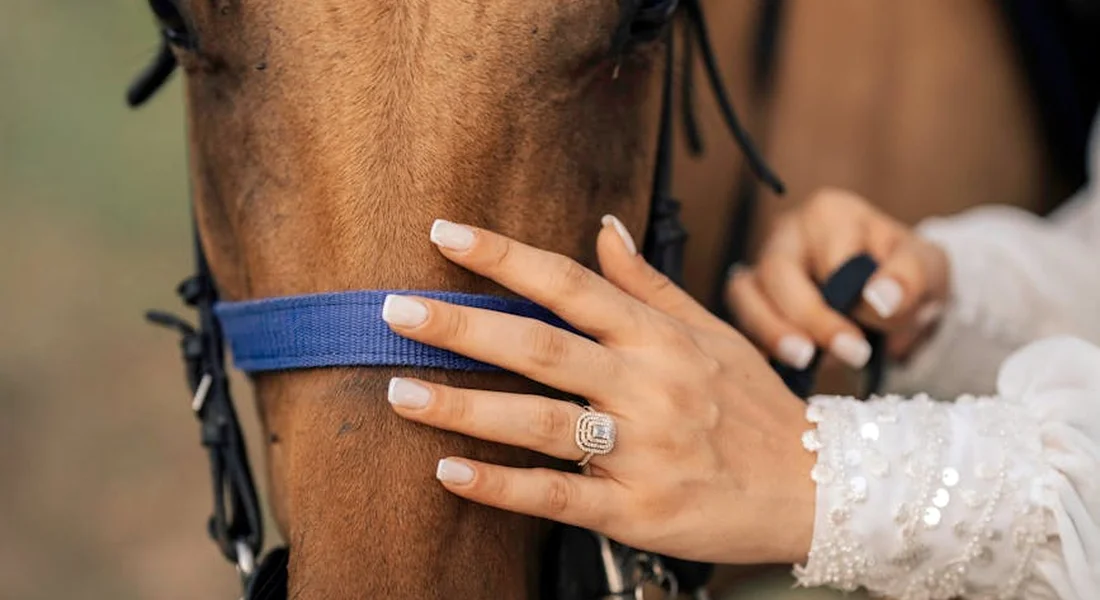
Picture your horse’s musculature as a living harness of supportive cables, each one vital for movement and posture. Concentrating on the large, weight-bearing muscles that hold everyday tension is the fastest way to offer real relief. That naturally leads to asking which key muscles in a horse are most critical, and how they function during daily work. Understanding their roles helps explain why targeted care makes a difference. I learned this firsthand spending afternoons with Rusty, feeling the firm knots along his back after a long trek.
Commonly addressed muscle groups include:
- The Back: These muscles run like parallel cables along the spine, bearing the weight of saddle and rider. A tight back often speaks of ill-fitting tack or stiff stall time.
- Shoulders and Withers: This is the intersection for front-leg movement and a common stress warehouse. My Thoroughbred, Luna, stores all her anxiety right here in her withers.
- Neck: The neck acts as a balancing rod and steering column. Gentle work here can loosen a resistant bend or a head-tossing habit.
- Hindquarters: This is the engine room, providing propulsion. For older athletes like Pipin, keeping these muscles supple is key to his cheeky escapes.
Use the analogy of a suspension bridge: the back muscles are the main cables, needing periodic adjustment to stay supportive. Generally avoid the legs below the knee and hock; these are tendon-dense areas best left to experts unless you have specific training. Your goal is to soothe the major structures that groan under daily gravity, not to probe delicate lower limbs.
The Basic Strokes of Equine Massage
You only need a handful of techniques to build a effective massage routine. Starting with these core strokes allows you to read your horse’s body and respond with skilled, comforting hands. Always let the horse’s feedback-a deep sigh, a lowering head-guide your pressure and pace.
Effleurage (Gliding Strokes)
Begin with your flat hands making long, sweeping passes over the coat, following the direction of the hair and muscle. This gliding stroke warms the tissue and spreads lymphatic fluid, like smoothing a wrinkled blanket. I use effleurage down Rusty’s topline first, feeling the chill leave his muscles and the rhythm of his breathing slow.
Petrissage (Kneading and Lifting)
Gently grasp, squeeze, and roll the muscle between your fingers and the heel of your hand. Imagine kneading a soft dough to work out lumps; this motion breaks up adhesions and relieves cramping. On Luna’s neck, I use petrissage in a slow, rhythmic pattern, feeling the tight bundles begin to yield and soften under my fingers.
Static Pressure and Circles
Apply firm, sustained pressure with your thumb or palm heel on a specific tight spot for several seconds. These strokes are your toolkit for improving circulation and encouraging relaxation. Follow the held pressure with small, deliberate circles to further ease the knot. When Pipin has been particularly busy, I find a stubborn spot in his hindquarter and use this method, waiting for that satisfying release when he finally chews and drops his hip.
Step-by-Step: Your First Soothing Massage Session
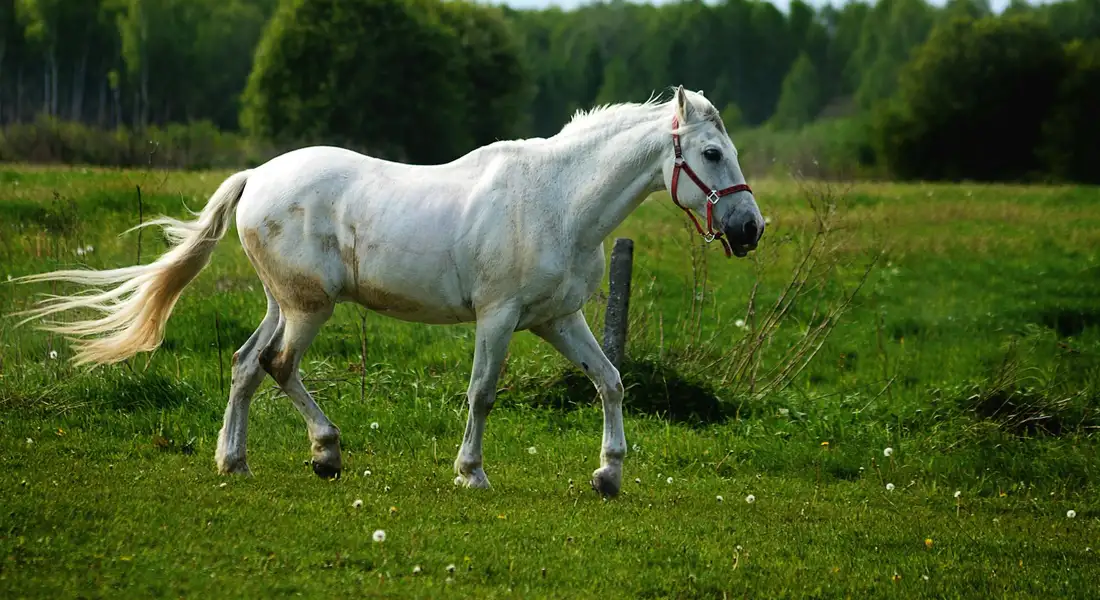
Grab your horse from the paddock and lead them to a quiet, familiar spot. The smell of fresh hay and the soft thud of their hooves on the ground should be the only distractions. Setting the right environment is half the battle for a successful massage, so skip the busy aisleway for a calm stall or shady corner.
- Start with Observation: Stand back and look for asymmetry or holding patterns. Watch how they stand-is weight evenly distributed? I always check Rusty after a long ride; his reliable quarter horse frame might subtly favor one foreleg, telling me where to focus.
- Begin with Connection: Use slow, gentle touches on the neck to build trust. Let your flat hand rest on the jugular groove, feeling the pulse and warmth. With my sensitive Thoroughbred Luna, this step is non-negotiable; a few quiet moments here prevent a jumpy start.
- Warm the Muscles: Apply light effleurage over the back and shoulders to increase bloodflow. Use long, flowing strokes following the muscle direction, like spreading butter. This gentle friction generates heat and tells the horse’s nervous system that care is coming, not conflict.
- Work Deeper: Use petrissage and circular pressure on areas that feel firm or bunched. Imagine gently squeezing a stress ball with your fingertips. When I find a tight spot on Rusty’s withers, I use my thumb in slow circles, never digging. If the muscle doesn’t release after a few seconds, move on; persistence can lead to soreness, not solutions.
- Incorporate Gentle Stretches: Guide the neck or limb into a comfortable range of motion. For a neck stretch, I hold a carrot near their shoulder and let them reach for it. Hold for only as long as they are relaxed. Forced stretching can cause injury, so let curiosity, not coercion, do the work.
- End Calmly: Finish with more light effleurage and a final pat. This sequence bookends the session, signaling a return to normal. I always end with a long, smooth stroke down Luna’s crest, which usually earns me a soft nicker.
- Keep sessions short, positive, and always follow the horse’s lead on pressure. Ten focused minutes is better than thirty of guessing. Your goal is relief, not a deep tissue overhaul.
Reading the Signs: Is Your Horse Enjoying It?
Your horse speaks with their body, not their voice. Learning this language turns a routine rub into a trusted dialogue. Ignoring these signals is like turning up the radio when your passenger asks for directions-you’ll both end up lost. It’s essential to recognize if your horse is happy and comfortable before engaging in any form of interaction.
- Positive indications: A lowered head with droopy lips, soft eyes that blink slowly, licking and chewing, a deep sigh that rattles the ribs, or muscles that suddenly soften under your palm like warmed clay.
- Signs to stop or adjust: A swishing tail that isn’t chasing flies, pinned ears, skin twitching over your touch as if shooing a bug, or the definitive shuffle away from your hands. My Shetland pony Pipin, the cheeky escape artist, will simply walk off if he’s had enough, but when he falls asleep during shoulder rubs, I know I’ve won the lottery.
Watch for the subtle shifts. A happy horse might even turn their head to nuzzle you or lean into the pressure. A happy, relaxed horse is the best feedback you can get, so let their comfort guide your hands more than any printed diagram. Regular checks, like the ones described in our daily health inspection guide, will also help you understand when they’re truly feeling their best.
Timing and Frequency for Effective Therapy
- Keep your basic full-body sessions to 15 or 20 minutes. Longer isn’t better, and a short, focused session prevents you from overworking any one muscle group. I learned this with Luna; her thoroughbred sensitivity means she checks out after about 18 minutes of steady work.
- Aim for 2 or 3 sessions a week for general maintenance. This rhythm mimics the benefits of regular turnout, helping to prevent stiffness from building up in the first place. You can also use a brief 5-minute version as a superb cool-down after a ride.
- Consistency always beats a marathon session. Think of it like feeding schedules: small, regular meals are better for digestion than one giant feast, and the same logic applies to muscle care.
- Think of massage as regular maintenance, not just an emergency fix. It’s like cleaning your tack-doing it often makes the big deep-cleans less necessary.
When to Hold Off: Contraindications for Massage

- Never massage over acute injuries, swelling, heat, or if your horse has a fever or unexplained lameness. Your hands should soothe muscle knots, not aggravate inflammation or mask pain that needs a vet’s diagnosis.
- Remember, this is for muscular tightness and soreness. Massage is not a tool for diagnosing navicular, treating a ligament sprain, or solving colic. It’s a care supplement, not a cure-all.
- I once noticed Rusty was slightly hesitant on a tight turn. My first instinct was to rub his shoulder, but I felt a tiny patch of warmth. It turned out to be a subtle strain that needed cold hosing and stall rest, proving that sometimes the best massage is no massage at all.
- When in doubt, always err on the side of caution and get a professional opinion. Your vet’s phone number is the most important tool in your barn kit.
FAQ on Basic Equine Massage to Soothe Sore Muscles
What are the essential safety precautions to take before starting an equine massage?
Always select a quiet, familiar area like a stall or paddock to minimize stress and ensure the horse is secured with a quick-release knot or held by a helper. Approach the horse calmly from the shoulder to stay in their line of sight, avoiding sudden movements or standing directly behind them. Before beginning, assess the horse’s mood through body language and use gentle touches to build trust, as safety depends on mutual comfort and awareness. For beginners, a handle horse safely beginners guide can provide simple, step-by-step practices to reinforce these habits. It can also offer quick reminders to stay calm and aware during handling.
How long should a typical basic massage session last?
Aim for sessions of about 15 to 20 minutes to effectively address muscle tension without causing fatigue or overstimulation. For general maintenance, schedule two to three sessions per week to help prevent stiffness and promote ongoing relaxation. Consistency with shorter, focused sessions is more beneficial than occasional longer ones, similar to regular turnout for muscle health.
When should you avoid massaging a horse and seek veterinary advice instead?
Immediately stop and consult a vet if you notice acute injuries, swelling, heat, fever, or unexplained lameness, as massage could aggravate these conditions. Avoid using massage for issues beyond muscular soreness, such as ligament sprains, navicular disease, or colic, which require professional diagnosis and treatment. When in doubt, prioritize veterinary guidance to ensure the horse’s well-being and avoid masking symptoms that need medical attention.
Parting Thoughts on Pressure and Patience
To soothe your horse, use slow, rhythmic motions with your whole hand, following the muscle’s shape instead of pressing directly on bone. Always begin with the lightest pressure and let your horse’s softening breath or relaxed posture tell you when you’ve found the right amount of pressure. This same gentle approach can help stop bucking when a horse is stressed, promoting relaxation and a safer ride. Use it as part of a broader calming routine.
Building trust through your hands takes time and consistent, gentle practice. The best tool you have isn’t a specific technique, but your willingness to listen and respond to what your horse tells you with every sigh and shift of weight.
Further Reading & Sources
- How to massage your horse from head to tail: Practical tips, tricks, and takeaways – Brooke Drassal Equine Bodywork
- How to massage your horse | Petplan Equine
- Massage Therapy in Horses: Benefits, Techniques & Trigger Points | Mad Barn
- What is Equine Massage Therapy? – Armstrong Equine Massage
At Horse and Hay, we are passionate about providing expert guidance on all aspects of horse care, from nutrition to wellness. Our team of equine specialists and veterinarians offer trusted advice on the best foods, supplements, and practices to keep your horse healthy and thriving. Whether you're a seasoned rider or new to equine care, we provide valuable insights into feeding, grooming, and overall well-being to ensure your horse lives its happiest, healthiest life.
Health