
A Gentle Guide to Socializing Your Young or Rescue Horse with the Herd
Hello from the barn aisle. If you’re staring at a paddock, heart in your throat, wondering how to introduce your new horse without drama or danger, you’re not alone. The risk of a kicked shin, a torn tendon, or a terrified animal is a valid fear that keeps any good owner awake.
Let’s replace that worry with a clear plan. I’ll share the same paced, patient process I’ve used for years with my own herd, from savvy veterans like Rusty to nervous newcomers. This article will give you the groundwork for assessing your horse’s unique social readiness, executing a safe, step-by-step introduction over a fence, and navigating the first full turnout with confidence.
My methods are honed from managing barns full of different personalities, always advocating for more turnout time and quieter conversations over force.
Understanding Herd Dynamics and the Need for Socialization
Why Herd Life is Non-Negotiable for Equine Welfare
Think of your horse’s need for a herd like your own need for a trusted circle of friends. We thrive on connection, shared meals, and quiet companionship. A horse living in isolation is like a person stranded on a desert island-surviving, but not living well. Their brains are wired for the herd, which is why horses need companions to thrive.
Turnout time with buddies isn’t a luxury; it’s as vital as clean water. I’ve watched my mare, Luna, transform from a tense, pacing horse in a stall to a relaxed, sighing creature once she’s grazing with Rusty. That social bond directly melts away anxiety. Regular turnout with compatible friends is the single best thing you can do for your horse’s mental soundness and physical health, bar none.
To understand their conversations, you must learn their body language. It’s a silent, flowing dialogue of ears, eyes, and posture.
- Ears: Pricked forward mean interest. Pinned flat back are a serious warning. One flopped to the side? That’s a relaxed horse, half-listening to the world.
- Tail: A high, stiff tail signals excitement or alarm. A gentle, rhythmic swish is just fly control. A clamped tail shows fear or submission.
- Neck & Head: A stretched-out neck with a soft snort is an invitation to play. A lowered head with chewing motions signals submission and relaxation. A head snaking low toward another’s legs is a threat.
Spotting the Difference Between Play and Aggression
New herd introductions sound like a wrestling match. There’s squealing, nipping, and thunderous chasing. Most of this is normal posturing, not a fight to the death. The key is reading the intensity and intent.
Playful nipping is quick, often aimed at the neck or withers, and met with a playful kick or squeal. Chasing is often reciprocal-they take turns. True aggression is focused, intense, and one-sided, with the goal of causing the other horse to flee or submit entirely. Ears will be pinned flat, bites are meant to grab and hold flesh, and kicks are aimed with serious force at the belly or legs.
I remember introducing Pipin, our Shetland, to the group. He’s small but mighty. There was a lot of dramatic squealing and miniature-sized charges from him. The bigger horses mostly ignored his theatrics or gave a warning look. That was hierarchy being established without violence. A dangerous fight involves repeated, heavy contact, ripped hair, and visible wounds. If you see that, you must intervene immediately for everyone’s safety.
Preparing Your Horse: Health, Manners, and Confidence
The Essential Quarantine and Health Check
Before any new horse sniffs a pasture mate, a strict quarantine period is your first and most critical duty. This isn’t about being unfriendly; it’s about being a responsible barn manager. I’ve had to enforce this with every rescue that’s come through our gate, and it has prevented outbreaks.
- Isolate for 2-3 weeks. Use a stall and paddock well separated from the main herd, with no shared feeders, water troughs, or grooming tools.
- Monitor closely. Check temperature daily. Watch for coughs, nasal discharge, lethargy, or loose manure. A rescue horse may be harboring illness or parasites without showing obvious signs.
- Consult your vet. This is non-negotiable. Have the horse vetted for a complete health profile. A fecal egg count to assess parasite load and ensuring core vaccinations are up-to-date are the bare minimum before considering integration. This protects your entire herd from unseen threats.
Building a Foundation of Trust and Ground Manners
A horse that panics at a flapping flag or drags you around on the lead rope is not ready for the social complexities of a herd. Your job is to be their calm, predictable leader first. That means adopting a calm, assertive leadership style that reassures an anxious horse. When you lead with steady confidence, you help them settle and learn.
Start with the boring but brilliant basics. Can your horse stand tied quietly? Do they yield their hindquarters and forehand away from gentle pressure? Can they walk and halt beside you without rushing ahead or lagging? Master these. That starts with teaching your horse basic ground manners—standing calmly, yielding to pressure, and moving with you on the ground. These skills lay the groundwork for safer, more confident handling. A horse that respects your space and listens to pressure on the ground is far less likely to drag you into a dangerous situation in the field.
Desensitization is your friend. Introduce strange objects slowly-rustling tarps, bouncing balls, the dreaded plastic bag. Pair new experiences with a calm voice and a release of pressure. With Luna, the sensitive Thoroughbred, we spent weeks just walking past scary things until her snorts turned into sighs. This builds a bank of trust you can draw from later. Use scratches or a quiet moment as positive reinforcement when they get it right.
Choosing the Right Environment and Companions
Setting Up a Neutral “Introduction Zone”
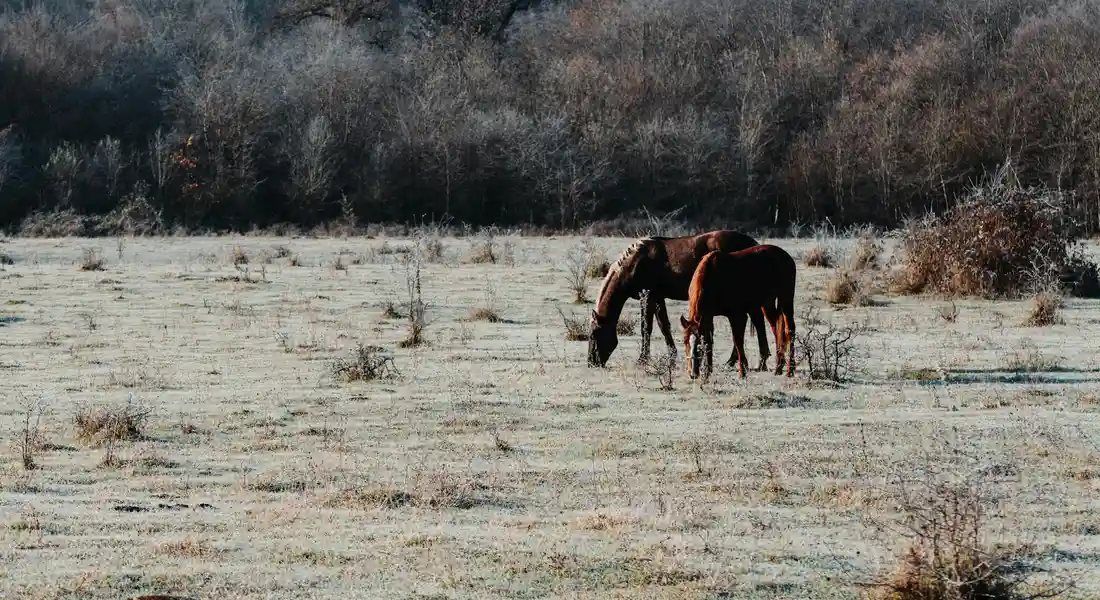
Think of the first meeting spot like a first date venue: you want it spacious, safe, and free of drama. A large, familiar paddock works best-one your resident horse knows well, but without tight corners where a nervous newcomer could feel trapped. The goal is to give both horses plenty of room to move away from each other, which prevents fights before they start.

Check the footing thoroughly. I learned this after a spring thaw turned our usual spot into a slick mud pit; now I always walk the area first. Remove any hazards like loose wire, old buckets, or jump standards that could cause injury if things get lively.
For very unsure horses, I often start in a round pen. Using a round pen for initial meetings lets you control the distance and interaction without the variables of a wide-open field. The contained space allows for brief, supervised sniffing over the rail before anyone steps inside together.
Selecting the Best Buddy: The Companion Horse
Not every horse is cut out for greeting duty. You want a seasoned professional, not the herd gossip. Look for these traits in your resident horse:
- Calm and predictable under pressure.
- Low in the herd order-they’re less likely to feel the need to defend their status aggressively.
- Non-reactive to spooking or sudden movements.
Pairing strategies matter. Sometimes matching energy levels works, like putting two youngsters together to burn off steam. Other times, opposites attract: a steady older horse can teach a flighty rescue about calm. Age or temperament matching is a useful guide, but a rock-solid personality is the real key.
My gelding Rusty is my go-to mentor. When Luna, my sensitive Thoroughbred, arrived, she was all nerves. Rusty just stood there, chewing his hay, ignoring her dramatic spins. His utter boredom was the best lesson she could have had. Within days, she was mirroring his calm demeanor at the fence line.
The Step-by-Step Introduction Process
Step 1: The Fence-Line Meeting
Start with a barrier between them. Place the new horse and your chosen companion in adjacent paddocks or stalls where they can see and smell each other for several days. This is the equine version of texting before a date.
Grab a coffee and observe. You’re looking for curious sniffing, soft nickering, or relaxed grazing nearby. Watch for prolonged staring or pinned ears, but don’t panic over a little posturing-it’s normal conversation. This stage builds familiarity without the risk of kicks or bites.
I did this with Pipin, the pony, when he first came. He and Rusty spent a week just sharing fence-line gossip, which took the edge off Pipin’s notorious escape-artist energy before they ever touched noses.
Step 2: The Controlled, Supervised Turnout
Now for the main event. Take two experienced handlers-this is non-negotiable for safety. Lead both horses into a large, neutral arena on loose lead ropes. Keep your body language relaxed; horses feed off your tension.
- Walk the horses parallel to each other at a safe distance for a few laps.
- Allow them to turn and sniff nose-to-nose for just a few seconds.
- Immediately separate them and resume walking if you see stiffening, squealing, or raised heads.
Your job is to interrupt any tension before it escalates, creating a positive, brief association. This might last only five minutes the first day. That’s a win. Patience here prevents setbacks.
Step 3: Gradual Integration into the Herd
Once they’re peaceful in controlled settings, introduce the new horse to a small group. Do this during a quiet, peaceful time like a lazy afternoon grazing session. Turn out the most mellow horses first, then bring in the newcomer to ensure the environment is safe and enriching for your horse.
Plan to monitor them closely for at least two to three hours. There will be movement-some chasing, some pinned ears-as they establish order. You must step in only for true aggression, like relentless kicking or biting; otherwise, let them sort out their own politics.
Remember, this is a marathon. True herd integration can take weeks, not days. I’ve seen horses who ignore each other for a month suddenly become inseparable grazing buddies. Give them time, space, and the gift of a calm routine. This is especially important during the early stages of integration, where patience is key.
Interpreting Horse Reactions and Bonding Signs
Positive Body Language Cues to Celebrate
Learning to read your horse’s silent dialogue is your best tool for gauging success. Celebrating the small wins keeps you motivated and confirms you’re on the right path.
Look for these clear signs of acceptance blooming in the field.
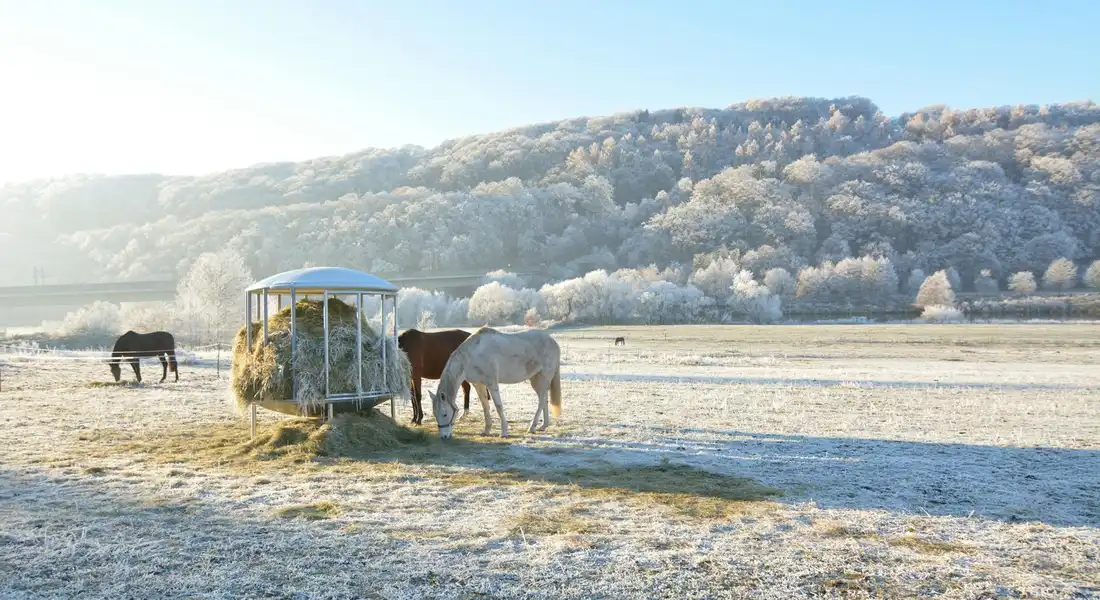
- Mutual grooming: You’ll see them stand head-to-tail, gently nibbling each other’s withers and backs. It’s their version of a heartfelt handshake.
- Grazing side-by-side: Peacefully sharing the same patch of grass, with relaxed necks and a soft snort, signals true companionship.
- Relaxed ears and eyes: Their ears will swivel loosely, not pin, and their eyes will have a soft, drowsy look instead of a wide, white-rimmed stare.
Contrast this with the warning signs that demand your attention. Pinned ears are the most universal sign of irritation, a clear “back off” you should never ignore.
- Struck poses: A lifted front leg or a hindquarters swung toward another horse is a prelude to a kick.
- Stiff, arched necks: This tense posture often comes with a tightened muzzle and a threatening squeal.
I watched Luna, my sensitive thoroughbred, go from pinned ears to gentle grooming with Rusty over three weeks. That first sight of them dozing together was a victory.
How Long Does True Herd Harmony Take?
There’s no single answer, but impatience is the enemy of good horse socialization. Simple tolerance can appear in days, but deep, trusting bonds are measured in seasons, not weeks.
For a young, boisterous horse like Pipin, basic manners might settle in a month. For a rescue carrying past trauma, feeling safe enough to just stand near another horse could take that long.
Several factors stretch or shrink your timeline.
- Past trauma: A rescue may need months to relearn that other horses aren’t a threat.
- Youthful exuberance: A playful youngster can annoy until an older horse, like Rusty, teaches them boundaries.
- Herd size: Introducing one horse to a pair is easier than introducing to a large, established herd.
- Personality clash: Two dominant personalities will need more time and space to negotiate than a bold and a shy horse.
I’ve found that providing constant, peaceful turnout is the greatest accelerator. Time together without pressure does more for herd harmony than any forced interaction.
Solving Socialization Setbacks: Fighting and Bullying
Immediate Interventions When Horses Squabble
Even the best-planned introductions can spark a brief argument. Your first rule is absolute: never, ever get physically between two squabbling horses.
If a scuffle erupts, move quickly but calmly through these steps.
- Create a loud distraction. Shout “hey!”, clap your hands, or bang a bucket on the fence. The goal is to break their focus on each other.
- Separate the horses calmly. Once distracted, use a lead rope to guide one horse away. Move with purpose but avoid frantic energy that adds stress.
- Assess for injuries. Check both animals for bites, kicks, or lameness. Clean minor cuts, but call your vet for any deep wound or suspected injury.
I once used a plastic feed bag to stop a fight. The sudden, sharp crinkle sound made both Luna and her pasture mate jump and turn, giving me the crucial second I needed to step in safely. It was a stark reminder that tools and noise are your allies.
Managing a Chronic Bully in the Herd
A horse that consistently harasses others disrupts the whole herd’s peace. Managing a bully is less about punishment and more about smart management of their environment.
Start with these proactive strategies to reduce conflict.
- Provide multiple hay piles and water sources. Space them far apart so one horse can’t guard all the resources.
- Ensure ample space. Crowding fuels aggression. More acreage allows lower-ranking horses to escape and avoid confrontation.
- Consider re-pairing horses. Sometimes a personality mismatch is the root cause. A steady Eddy like Rusty can often temper a bully better than another high-strung horse.
- Use slow-feed hay nets. These keep all horses eating longer, reducing idle time that can turn into picking on others.
If the bullying continues, causing weight loss or constant stress in the herd, separate turnout is the kindest option. A dedicated paddock for the bully, with safe fence-line contact, preserves herd social structure without the risk of injury. I had to do this with a previous boarder; he was happier alone with a neighbor, and the herd’s peace returned instantly.
Creating a Consistent Socialization Routine
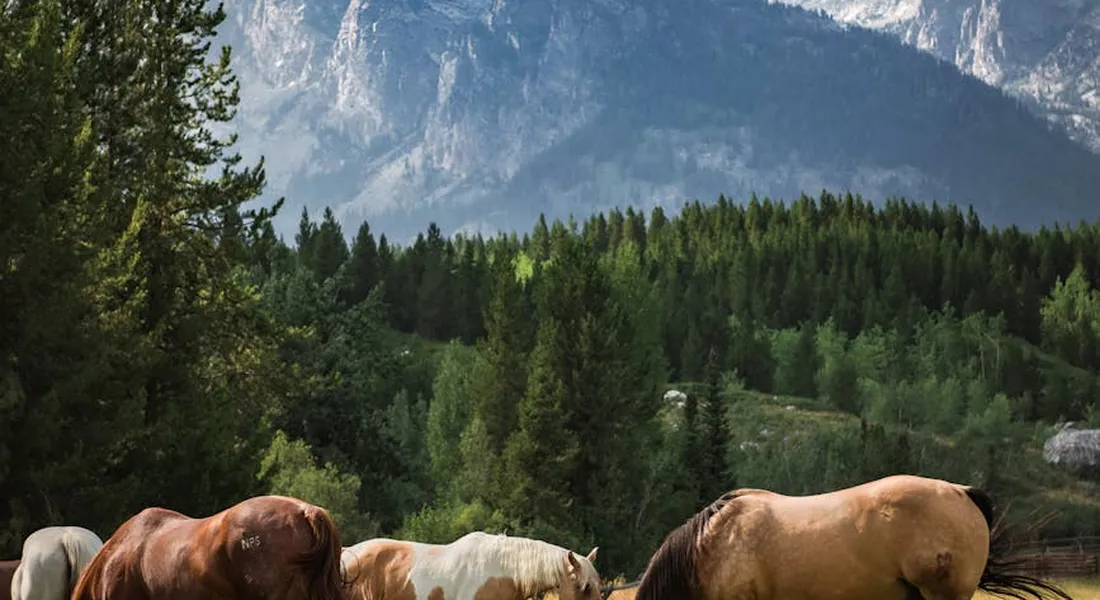
The true magic of integration happens in the daily grind, not the grand introductions. A predictable routine is the ultimate security blanket for a nervous newcomer, especially one with a rocky past. I’ve seen anxious horses like Luna blossom when they can predict what comes next-it quiets the mental noise and lets them just be a horse.
Daily Monitoring and Bonding Opportunities
Your daily chores become powerful social tools. The goal is to create shared, positive experiences that build neutral or friendly associations. Forget forcing friendships; you’re building a peaceful neighborhood.
Start by feeding your new horse in a safe space adjacent to the herd, like a nearby stall or a separate pen where they can see and smell each other. The crinkle of hay bags and the rhythm of chewing is a universal language of contentment. This builds a positive link between the herd’s presence and good things. After this settles, plan a gradual introduction to the established herd. Structured, supervised meetings help the new horse join the group smoothly.
Hand-grazing is my secret weapon. Take your new horse and one calm herd member, like steady Rusty, out together on lead ropes. Keep a safe body’s length between them initially. Let them snort, graze, and just exist in shared space without pressure. You’ll hear the soft pull of grass and the quiet communication of sighs.
Turnout schedule consistency is non-negotiable. Horses are creatures of habit. Turn out and bring in at the same times each day. This predictable routine reduces anxiety for everyone and helps the new horse understand the daily flow. I learned this with Pipin; his clever escapes always spiked when the schedule got chaotic.
Your Long-Term Socialization Plan Checklist
Integration isn’t a one-and-done event. It’s an ongoing commitment to managing a living, breathing social unit. Keep this checklist in your barn kit.
- Schedule regular health checks for the entire herd. A horse feeling sore or unwell can become snappy and alter the whole group’s dynamic overnight.
- Observe herd dynamics for at least ten minutes daily. Don’t just glance. Watch who stands near whom, who moves who, and who shares the favorite scratching post. Notice the quiet alliances.
- Be ready to adjust pastured pairs or group compositions. If two horses are constantly bickering, a simple change in fieldmates can bring peace. It’s not failure; it’s good management.
- Always prioritize supervised turnout for the first several weeks, if not months. That means you or someone reliable is physically present and watching, not just glancing out a window.
- Maintain individual bonding time with your new horse. They need to remember that good things-scratching, gentle grooming, quiet conversation-come from you, too, not just the herd.
- Document subtle changes in behavior or appetite. A rescue horse backing off feed slightly might be the first sign of low-level herd stress you need to address.
FAQ: How to Socialize a Young or Rescue Horse with Other Horses
How to introduce a new horse to an established herd?
Start with a fence-line meeting where the horses can see and smell each other safely over a barrier for several days. Progress to a controlled, supervised turnout in a large, neutral area with two handlers present to intervene if tension arises. Finally, integrate the new horse into a small, calm group during peaceful grazing times, monitoring closely for at least a few hours.
What are the signs of a successful horse introduction?
Positive indicators include mutual grooming, such as gentle nibbling on each other’s withers and backs. Look for horses grazing side-by-side with relaxed necks and soft eyes, showing companionship. The absence of pinned ears, stiff postures, or prolonged aggression signals that acceptance and bonding are progressing well. Thoughtful grooming touch can deepen the bond between you and your horse, turning care into a moment of quiet connection. This shifts the focus to whether grooming touch truly strengthens trust and communication, which we’ll explore next.
How to manage a horse that is being bullied?
Provide multiple hay piles and water sources spread out to prevent resource guarding and reduce conflict. Ensure ample turnout space so lower-ranking horses can easily avoid confrontations and escape aggression. If bullying continues, consider re-pairing horses or separating the bully into a nearby paddock with fence-line contact to preserve herd dynamics and social enrichment safely.
Peaceful Pasture Protocols
Begin by allowing horses to meet over a secure fence line, progressing only when both show calm interest. The cornerstone of success is conducting the first loose introduction in a very large, neutral arena or paddock where neither animal feels the need to defend resources.
Let your horse’s relaxed demeanor-soft eyes, low head, casual grazing-be the green light to continue. True horsemanship means prioritizing their emotional security over our own timeline, every single time.
Further Reading & Sources
- Introducing Your Horse to a New Herd
- How to Safely Introduce a New Horse to Your Herd – SmartPak
- Introducing a new horse to a herd – World Horse Welfare
- Introducing a New Horse to a Herd: How To Keep the Peace – My New Horse
At Horse and Hay, we are passionate about providing expert guidance on all aspects of horse care, from nutrition to wellness. Our team of equine specialists and veterinarians offer trusted advice on the best foods, supplements, and practices to keep your horse healthy and thriving. Whether you're a seasoned rider or new to equine care, we provide valuable insights into feeding, grooming, and overall well-being to ensure your horse lives its happiest, healthiest life.
Behavior