
How to Transport Your Horse Overseas Safely: A Practical Step-by-Step Guide
Hello fellow equestrians. That knot in your stomach when you think about putting your horse on a plane? I know it well. You’re not just moving an animal; you’re moving a partner, and the fears of injury, immense stress, or bureaucratic nightmares are completely valid.
Having managed everything from Pipin’s pony-sized escape attempts to settling a high-strung Luna after a long haul, I can tell you that with the right preparation, it can be a smooth process. This guide will walk you through the critical phases, focusing on navigating complex health certificates and import permits, selecting a transport method tailored to your horse’s temperament, executing a detailed fitness and acclimation protocol before travel, and managing the crucial recovery period after touchdown.
My years as a barn manager and trainer have been built on ensuring welfare first, whether it’s advocating for more turnout time or pacing the aisle waiting for a shipping update, and that experience shapes every tip here.
Laying the Groundwork: Early Planning and Mindset
Why Starting Early is Your Best Bet
Think of moving a horse overseas like preparing for a long, complex trail ride-you wouldn’t just saddle up and go. I learned this the hard way years ago when a last-minute client request turned into a panicked scramble. Starting your planning at least six months out is the single most effective way to protect your horse’s stress levels and your own sanity. This gives you time to make choices, not just react to problems.
Rushing the process risks missing critical health windows or paperwork deadlines, which can delay travel by weeks. Your horse picks up on your anxiety, so a calm, methodical approach from you sets the tone for their entire journey. I remember prepping Luna, my sensitive Thoroughbred, for a interstate move; the extra months let us slowly acclimate her to the trailer, making all the difference.
Key Timeline Considerations
Mark these milestones on your calendar. This isn’t a suggestion list; it’s your roadmap.
- 6-12 Months Out: Research import regulations for your destination country. Book your chosen equine transport company. Begin any required pre-export quarantine or testing protocols.
- 4-6 Months Out: Schedule initial veterinary consultations. Start all vaccinations, as many require a series of shots over several months.
- 2-3 Months Out: Complete all necessary blood tests and official health certificates. Finalize all government permits and export paperwork.
- 1 Month Out: Acquire international animal travel insurance. Begin acclimating your horse to the travel crate or pallet if possible.
- 1-2 Weeks Out: Final veterinary inspection and issuance of the travel health certificate. Ensure all paperwork is copied and physically with you and the shipper.
Building in buffer time for each step is not being cautious-it’s being smart, because horses, like my cheeky pony Pipin, specialize in creating last-minute plot twists.
Health and Paperwork: The Non-Negotiable Foundation
Veterinary Checks and Vaccinations
This is where your partnership with a trusted vet is everything. Overseas transport is a physical marathon for your horse. A thorough pre-purchase-style exam, including flexions and soundness evaluation, is mandatory to ensure your horse is fit for the journey. It’s about welfare, not just paperwork.
Vaccination requirements are strictly dictated by the receiving country. Common ones include Equine Influenza, Rhinopneumonitis (EHV-1/4), and Strangles. Never view vaccinations as a mere box-ticking exercise; they are a critical shield for your horse in a confined, high-stress environment. For a steady guy like Rusty, we still ran titers to check his immunity levels well in advance.
Here’s a typical vaccination timeline to discuss with your vet:
- Core vaccinations must be up-to-date (Tetanus, Eastern/Western Encephalomyelitis).
- Destination-specific vaccines are administered, often in a primary course with boosters.
- Final boosters are given within a strict window (e.g., 21-90 days) before travel.
- A negative Coggins test (EIA) and other disease-specific blood tests are completed.
The goal is a healthy animal arriving ready to decompress in a new pasture, not one fighting off illness in a foreign stall.
The Document Checklist: Permits, Tests, and Insurance
Paperwork is the unglamorous backbone of international horse travel. Lose a document, and the whole operation halts. Create a master binder with both physical and digital copies of every single item, and assume you’ll need to show them three times more than you think.
Your essential document checklist will include:
- Export Health Certificate: Issued by your official government veterinarian (e.g., USDA APHIS vet in the U.S.). This is the golden ticket.
- Import Permit: Granted by the agriculture department of the destination country.
- Negative Coggins Test: Proof your horse is free of Equine Infectious Anemia.
- International Health Certificate: Often aligned with EU or other international standards.
- Proof of Vaccinations: Signed and dated by your attending veterinarian.
- Equine International Travel Insurance: This covers mortality, injury, and sometimes trip delay. Do not skip it.
- Air Waybill: The flight contract from your transport agent.
- Ownership Papers: Registration papers or a bill of sale.
Treat this paperwork with the same care you treat fitting a saddle-meticulous attention now prevents sore problems later. I keep a bright orange folder for these documents; it’s impossible to miss in a tack box or bag.
Choosing Your Journey: Air Freight vs. Sea Freight
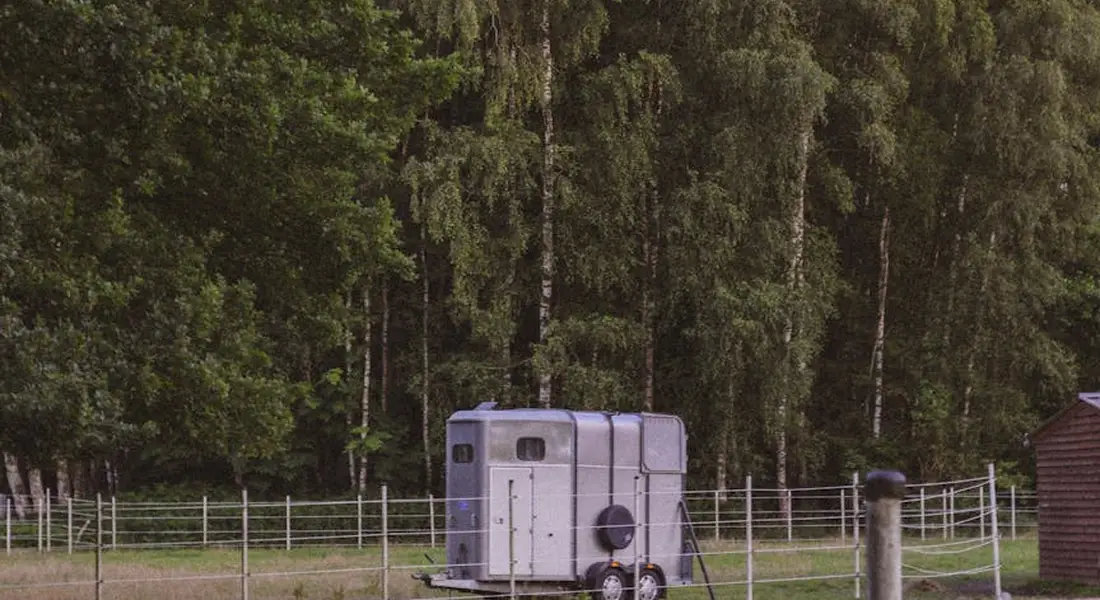
The hum of jet engines or the deep groan of a ship’s horn-your horse’s journey will have a very different soundtrack depending on your choice. This isn’t just about price; it’s about matching the method to your horse’s temperament and your timeline.
Comparing Transport Modes
Think of air freight as a sprint and sea freight as a marathon. Each has its own rhythm and requirements.
- Air Freight: This is the faster option, usually taking 24-48 hours door-to-door. Horses fly in specialized pressurized stalls in the cargo hold of passenger or cargo planes. It’s intense but brief. I’ve sent a high-strung Thoroughbred like Luna via air for an international competition; the quick transit minimized her overall stress, though the loading process itself was a focused event. The constant noise and vibration can be unsettling for some.
- Sea Freight: This is a slower voyage, often taking 2-4 weeks. Horses travel in custom-built stalls on dedicated livestock carriers. The pace is gradual, with routine and space to move. This method suited my old campaigner, Rusty, just fine-it’s more like a weird, floating stall rest. The prolonged confinement and potential for rougher seas are the trade-offs for a generally lower cost.
The right choice hinges on your horse’s mental fortitude, your budget, and the clock ticking on the calendar. A nervous horse might handle a short flight better than weeks at sea, while a calm soul could use the voyage as a long rest. It’s always essential to consider your horse’s endurance for both running and travel.
Selecting a Reputable Transport Company
This is where your detective work begins. The right shipper is worth their weight in gold. I learned to look beyond the slick website and ask for the gritty details.
- Verify Credentials: Demand proof of insurance and membership in professional bodies like the International Air Transport Association (IATA) for air transporters. This isn’t bureaucracy; it’s a baseline for competence.
- Demand References: A good company will happily connect you with past clients, especially those who shipped a horse similar to yours. Call them. Ask about communication during the trip and the horse’s condition upon arrival.
- Visit the Facility: If possible, see where your horse will be staged before the journey. Look for clean, safe stalls, calm handling, and experienced staff who speak to the horses, not just at them. The smell should be of clean bedding and hay, not fear.
- Get Everything in Writing: The contract should detail every single service, from the type of hay fed to emergency veterinary protocols. Read the fine print on liability. If they’re vague, walk away.
Your trust should be earned, not given, and a transparent company understands that a worried owner is a thorough owner.
Pre-Travel Conditioning and Crate Training
The journey itself is inevitable, but panic is not. The weeks before departure are your golden time to build your horse’s confidence and fitness. This work separates a manageable trip from a traumatic one.
Acclimating Your Horse to the Crate
Don’t wait until travel day to introduce the shipping crate. Start weeks in advance, turning a strange metal box into a familiar, safe space.
- The Approach: Park the travel crate (or a similar simulated space) in a familiar area like the paddock or arena. Let your horse investigate it freely for a few days. Scatter treats around and eventually inside it.
- Meals Inside: Once curious, feed your horse their daily grain or favorite mash inside the crate. Start with the hindquarters just inside, then progress to fully in. Pipin, my food-motivated pony, was fully crate-trained in three days using this method-his stomach overruled his suspicion.
- Close the Door: Gradually close the door for short periods while they eat, then extend the time. Practice lowering and raising the ramp, rewarding calm behavior. The goal is to make the clang of latches a normal sound.
- Simulate Motion: Gently rock the crate, mimic vibrations, and play recordings of engine noises at a low volume during feeding. Build tolerance slowly.
This gradual process builds positive associations, so the travel day feels like just another step in a familiar routine, not an abduction.
Final Health and Fitness Prep
A tired, stiff horse copes poorly with confinement. Your job is to send an athlete.
- Build Core Strength: Increase hill work and transitions (walk-trot-canter-walk) under saddle to bolster the muscles that support the spine during balance shifts. A strong core helps them brace safely.
- Practice Standing: Condition your horse to stand calmly tied or in cross-ties for increasingly longer periods. This mimics the patience needed during layovers and port stops.
- Hydration Training: This is critical. Weeks out, start adding a splash of electrolytes or apple juice to their water. Then, offer the flavored water in a bucket different from their usual one. You’re teaching them to accept strange water, which can prevent dangerous dehydration en route.
- The Final Vet Check: Schedule this for about a week before departure. Ensure all vaccinations are current and meet the destination country’s requirements. Discuss a fitness-for-travel certificate and, if appropriate, a mild calmer for the journey itself. Get copies of everything.
Shipping a fit, hydrated, and mentally prepared horse is the single greatest gift of care you can give them for the journey ahead.
The Travel Day: Loading, In-Transit Care, and Monitoring
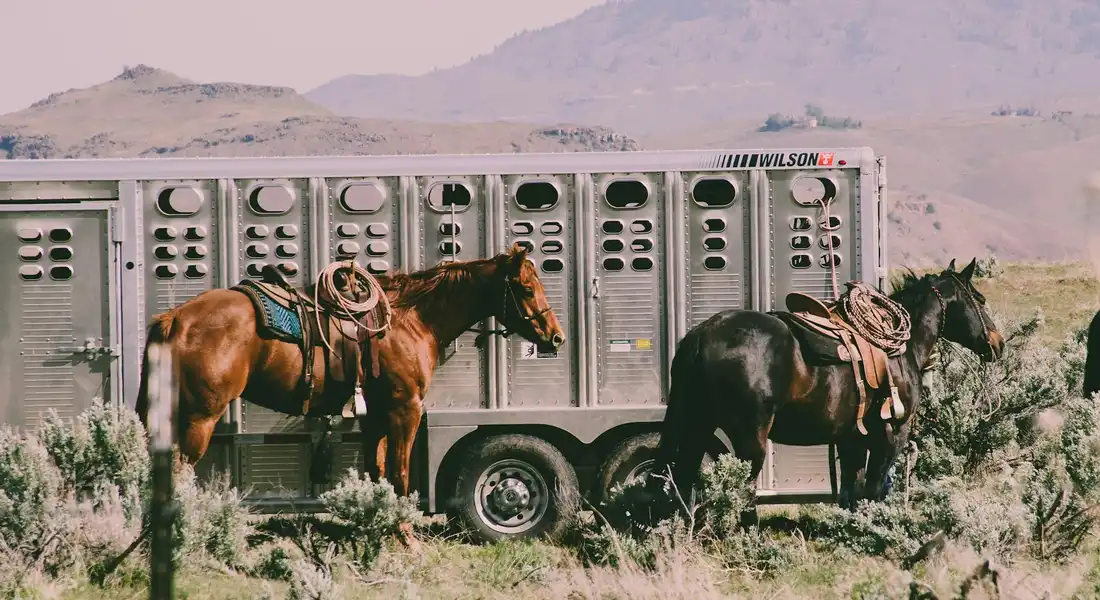
The day has arrived. The trailer or air stall is ready, and your horse’s journey is about to begin. This is where calm, practiced routines pay off in spades.
Safe Loading and Secure Horse Transport
Loading sets the tone for the entire trip. A rushed, stressful load can mean hours of anxiety. I always block out extra time for this step, especially with a sensitive soul like Luna. The goal is a calm, willing walk into the trailer, not a frantic scramble. Use the same patient approach you’ve practiced, with a confident handler at the lead and a quiet assistant if needed.
Once inside, the securing process is non-negotiable. Here is my pre-departure checklist for the compartment:
- Partition/Breeching Door: Securely latched. I always give it the hip-check-if I can bump it open, it’s not right.
- Butt Bars or Chains: Fastened at the proper height, snug against the horse’s hindquarters without pressing hard.
- Crossties or Head Ties: Adjusted with enough slack for the horse to balance and lower its head slightly, but not so much it can get a leg over. A quick-release mechanism is mandatory.
- Leg Protection: All boots or wraps are securely fastened, with no loose straps to trip on.
- Hay Net: Tied high and tight to prevent hooves from getting tangled. I use small-mesh nets exclusively for travel.
Care During the Journey
Your job now shifts to vigilant monitoring. For road trips, plan to stop every 3-4 hours to check on your horse. Listen for the quiet rhythm of chewing hay versus the restless stomping or kicking that signals distress.
At each stop, offer small sips of water and assess your horse’s demeanor before proceeding. Look for clear, alert eyes and normal breathing. A horse that is dull, sweating profusely without heat, or has stopped eating warrants immediate concern. For air travel, you won’t have this access, which is why trusting your shipping agent and providing clear care instructions is critical. To support daily monitoring, refer to a simple ‘are signs healthy horse daily check guide‘ for a clear baseline of normal signs. A brief daily check helps you catch changes early and act quickly.
Hydration is the single biggest challenge in transit. I swear by soaking hay nets before the trip and using a hydrating electrolyte paste at loading. It’s a trick that kept Rusty drinking well on a long haul to a new barn. Ventilation is also key; you should feel a steady flow of fresh air in the trailer without a direct, chilling draft on the horse.
Arrival and Quarantine: Navigating the Final Hurdles
The wheels are down. Your horse has arrived in a new country, but the process isn’t over. This next phase is about meticulous protocol and gentle re-acclimation.
Clearing Customs and Quarantine
Upon arrival, your horse will be moved to a government-approved quarantine facility. Your paperwork will be scrutinized by customs and agricultural officials. Every health certificate, vaccination record, and import permit you painstakingly prepared will now be checked and stamped. Having a physical binder with duplicates, organized in clear sleeves, makes this process smooth for officials.
The quarantine period, often 2-7 days depending on the destination, is not a suggestion. It is a legally mandated isolation to monitor for any signs of disease. Your horse will be examined by a vet, and blood tests may be taken. While you likely cannot visit, a reputable agent will provide updates. I recall Pipin, our cheeky pony, treating his quarantine stall like a new puzzle to solve, keeping the staff on their toes!
The First 24 Hours Post-Arrival
Once released from quarantine, your horse comes to its new home. This first day is about rest, not exploration. After the stress of travel, their system is vulnerable.
- Offer Water Immediately: Allow small, frequent drinks. Electrolytes in the water can encourage drinking if they are hesitant.
- Start with a Bland Meal: Provide a small feed of good-quality hay. Hold off on grain or rich pasture for at least 24 hours to let the gut settle.
- Limit Turnout: A small, safe paddock for gentle movement is ideal. Do not turn them out into a large, lush pasture immediately-this is a recipe for colic or founder.
- Conduct a Thorough Hands-On Check: Run your hands over every inch. Look for any new swellings, rubs from travel gear, or sensitive spots. Check hoof temperature and digital pulses as a baseline.
The most important thing you can do is simply observe: watch for normal manure production, regular drinking, and a gradual return to their familiar personality. It may take a few days for them to feel settled, and that’s perfectly normal. They’ve just had the biggest trip of their life.
Settling In: Post-Travel Care and Long-Term Adjustment
Monitoring Health and Behavior
The moment your horse steps off the trailer, the real work begins. I like to think of the first 72 hours as a critical watch period. Your horse isn’t just tired; their entire world has been flipped upside down. Start with a gentle, hands-on assessment before you even think about unclipping the lead. Run your hands down their legs, feeling for any unusual heat or swelling that might indicate travel stress or a knock. This is especially important if your journey was particularly lengthy.
Check their gums for a healthy pink color and press to test capillary refill time-it should snap back in under two seconds. Dehydration is a silent thief after a long haul. A simple skin pinch test on the neck can tell you volumes, but watching them drink is the real proof. Offer fresh, familiar-tasting water immediately, as some horses are suspicious of new water sources and may refuse to drink, risking colic from dehydration.
Appetite is your best barometer. Offer a small, wet mash of their usual feed to encourage hydration and gut movement. Don’t be alarmed if they’re off their feed for a meal or two; deep travel fatigue can suppress hunger. I learned this with Luna after her first big move-she turned her nose up at dinner, which sent me into a spiral, but by morning she was devouring hay like nothing happened. Keep a detailed log for the first week:
- Temperature, pulse, and respiration rates twice daily.
- Manure output: note frequency, consistency, and any signs of diarrhea or dry pellets.
- Water intake: mark buckets to measure how much they’re actually drinking.
- Behavioral cues: is he standing quietly or restless? Is she interested in her surroundings or dull and depressed?
Listen for any cough or nasal discharge, which could signal a brewing shipping fever. A quiet gut is a red flag; you should hear consistent gurgles and pops on both sides. Any sign of pawing, repeatedly looking at the flank, or attempting to lie down and roll requires an immediate call to your new vet.
Helping Your Horse Feel at Home
Acclimation is a slow dance, not a sprint. Your goal is to rebuild predictability in a world that feels utterly chaotic to them. Start by letting them decompress in a safe, quiet stall that’s been prepared with familiar bedding-I always use the same shavings brand they know, as the smell is comforting. If you brought along their own bucket and a favorite salt lick, use them now. These small anchors of familiarity reduce anxiety dramatically.
Turnout is medicine, but you must administer it carefully. Begin with short, solitary sessions in a small, secure paddock. This lets them stretch and roll without the pressure of herd dynamics. I made the mistake of turning Rusty out with a new group too soon after a move; his reliable demeanor vanished, and he spent the hour pacing the fence line instead of grazing. Gradual, supervised introduction to new pasture mates over a fence line for several days prevents stressful confrontations and injuries.
Re-establish a routine from day one. Feed, muck, and turn out at the same times you plan to long-term. Horses thrive on consistency, and a clear schedule tells them they are safe. For the food-motivated ones like Pipin, use hand-grazing as a bonding tool and a way to safely explore the new flora. Watch them closely for any interest in unfamiliar plants or trees. That same consistency lays the groundwork for a practical, daily feeding schedule tailored to each horse. In the next steps, we’ll outline a concise guide to creating the perfect horse feeding schedule and daily routine.
Here is a simple first-week integration plan that has worked for my herd:
- Days 1-2: Stall rest with hand-walking and individual paddock time. Focus on hydration and basic health checks.
- Days 3-4: Introduce one calm, vaccinated pasture buddy over a secure fence. Allow them to touch noses and communicate.
- Days 5-7: Supervised turnout in a large arena or small field with the new buddy. Be present with a lead rope to separate if needed.
- Week 2: Integration into the main herd, ideally during a calm time of day when horses are relaxed and grazing.
Spend quiet time with them, not asking for anything. Just sit on a bucket outside their stall, read a book, and let them observe you in this new place. This passive companionship builds immense trust and signals that you are a constant in their changing environment. This is a key step in building trust with a newly rescued horse. It lays the groundwork for more confident handling as trust grows. The thud of hooves on fresh ground will soon shift from nervous pacing to the steady rhythm of a horse who knows he’s home.
Frequently Asked Questions About Transporting a Horse Overseas Safely
What type of shipping container or stall is used for air transport?
Horses are flown in specialized, IATA-approved air stalls or containers that are pressurized and ventilated for safety. These units are designed to fit securely in aircraft cargo holds, providing ample space for the horse to stand comfortably. They feature padded interiors and secure fittings to minimize injury risks during flight.
How is the horse cared for during layovers or transit stops?
During layovers, horses are attended by experienced ground staff who monitor their health and behavior closely. They are offered water, hay, and sometimes electrolytes to maintain hydration and calmness. The stalls are checked for cleanliness, and horses are kept in a quiet, stress-minimized environment until the next transport leg. This approach aligns with the goal of creating a safe, enriching environment for your horse. It helps set up the practical steps you’ll explore next to create that environment wherever your horse travels or stays.
What should I do to prepare for the horse’s arrival at the destination?
Ensure a clean, familiar-feeling stall with preferred bedding and tools is ready at the new location. Have all required documentation, like health certificates and permits, organized for swift customs clearance. Schedule a veterinarian for an immediate post-arrival examination to assess your horse’s condition and begin acclimation.
Settling In After the Journey
The entire process hinges on meticulous paperwork, deliberate crate training, and partnering with experienced shippers. The single most important factor for a smooth trip is starting the entire acclimatization and planning process many months before your intended travel date.
Give your horse, and yourself, immense grace during the transition period—recovery takes time. Trust that quiet observation of his demeanor and appetite will tell you more than any schedule ever could, especially when gauging his fitness and recovery.
Further Reading & Sources
- Transporting your Horse Internationally: Crossing Borders & Travelling Overseas | Mad Barn
- Equine Transport: How are Horses Transported Overseas?
- IRT – International transport of horses
- EquiJet, LLC – Leaders in International Equestrian Transportation
At Horse and Hay, we are passionate about providing expert guidance on all aspects of horse care, from nutrition to wellness. Our team of equine specialists and veterinarians offer trusted advice on the best foods, supplements, and practices to keep your horse healthy and thriving. Whether you're a seasoned rider or new to equine care, we provide valuable insights into feeding, grooming, and overall well-being to ensure your horse lives its happiest, healthiest life.
Competing